

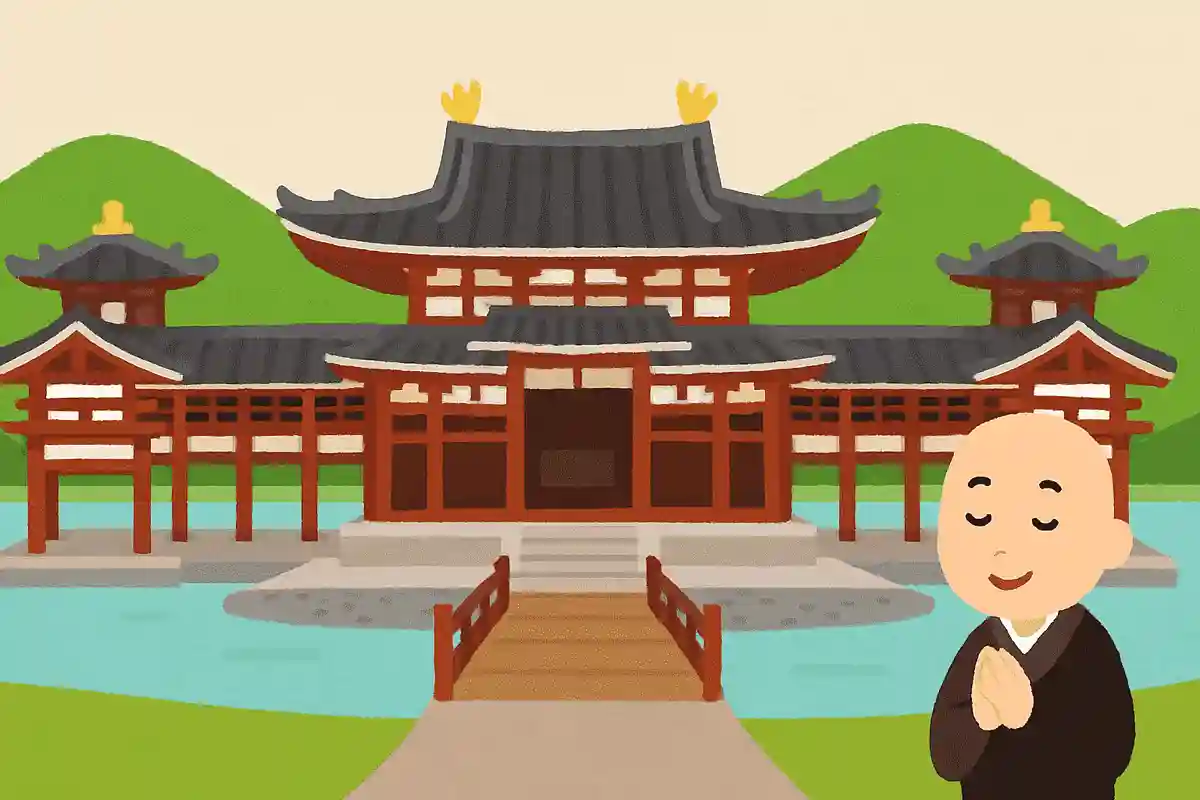

What kind of image comes to mind when you hear “Byodoin Phoenix Hall”? Known as one of the components of the UNESCO World Heritage Site “Historic Monuments of Ancient Kyoto,” it is a historic landmark whose design can also be seen on the back of the 10,000-yen banknote.
Still, many people may have heard the name but aren’t quite sure who built it, when, or for what purpose.
With that in mind, we’ve created a quiz that lets you learn everything from basic facts to more niche details about Byodoin Phoenix Hall.
We hope this quiz helps deepen your understanding of Byodoin Phoenix Hall, even just a little.
- Tidbits Quiz about Tōdai-ji: Questions related to the Great Buddha of Nara, too!
- Trivia quiz about Sanjusangendo: a collection of questions to deepen your knowledge
- [Trivia] Quiz about Fushimi Inari Taisha
- [Interesting] Collection of Flag Quiz Questions
- Fun facts quiz about Kiyomizu-dera: a three-choice quiz to learn its history and appeal
- Quiz about Kinkaku-ji: tidbits to help you understand the Golden Pavilion
- [Trivia] A quiz of fun facts about Horyu-ji. Multiple-choice questions (three options) about this historic structure.
- Trivia quiz about Ginkaku-ji: three multiple-choice questions to learn about Kyoto’s history
- [Snake Quiz] Surprisingly fascinating once you know! Snake ecology & characteristics
- Heart-touching, tear-jerking masterpieces from the Showa era
- [Kyoto Songs] Masterpieces that sing about Kyoto — songs themed on the ancient capital. The enduring heart of our hometown passed down in song.
- A world heritage site Japan is proud of! Take on a quiz to dive deep into Nikkō Tōshō-gū!
- [World Heritage] 3-choice quiz to deepen your trivia about Nijo Castle
What kind of place is Byodoin Phoenix Hall? A quiz to learn about a Japanese architectural masterpiece admired worldwide (1–10)
What is the “Mappō thought” (the doctrine of the Latter Days of the Law) that played a major role in the construction of the Phoenix Hall of Byōdō-in?
- An ideal age in which all living beings can attain the Buddha’s enlightenment.
- An era in which it is difficult to uphold the Buddha’s teachings and salvation is hard to attain.
- An era when the Buddha’s teachings were first conveyed and many people attained enlightenment.
See the answer
An era in which it is difficult to uphold the Buddha’s teachings and salvation is hard to attain.
Mappō thought classifies the first 1,000 years after the Buddha’s death as the Age of the True Dharma (shōbō), the next 1,000 years as the Age of the Semblance Dharma (zōbō), and the period thereafter as the Age of the Latter Dharma (mappō). The mappō era refers to a time when the Buddha’s truth is difficult to understand and salvation is hard to attain. Based on this idea, Byōdō-in’s Phoenix Hall was built as an expression of faith seeking salvation even in the mappō age, when achieving enlightenment is difficult.
Who built the Phoenix Hall of Byodo-in?
- Minamoto no Yoshitomo
- Fujiwara no Yorimichi
- Taira no Koremori
See the answer
Fujiwara no Yorimichi
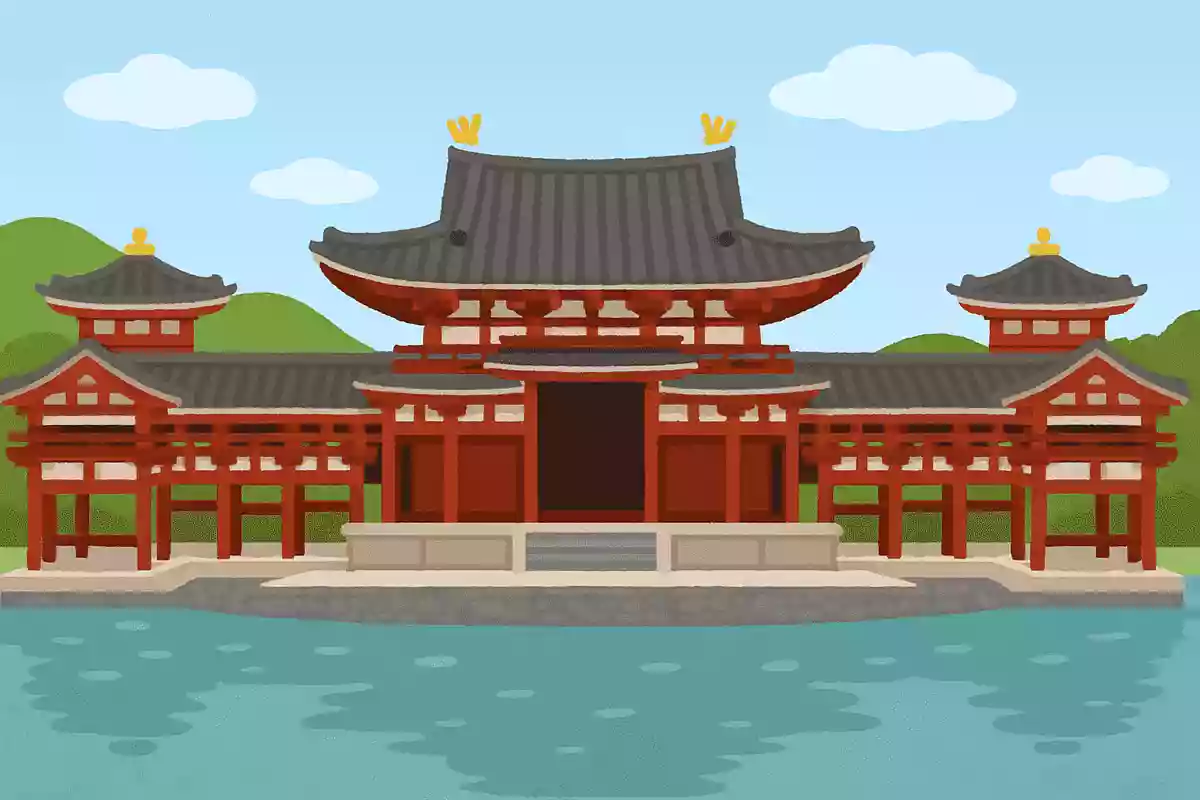
Byodo-in Phoenix Hall was built by Fujiwara no Yorimichi. Yorimichi, the eldest son of Fujiwara no Michinaga, was one of the most powerful members of the Northern Fujiwara clan, which led the regency government in the mid-Heian period. The Phoenix Hall is the central structure of Byodo-in established by Yorimichi, and its name derives from the carvings of the legendary Chinese bird, the phoenix.
What does Byodo-in Phoenix Hall worship?
- Shakyamuni Buddha
- Amitabha Buddha
- Mahavairocana (Great Sun Buddha)
See the answer
Amitabha Buddha
Byodo-in Phoenix Hall is a temple of the Jodo (Pure Land) sect, and its principal object of worship is Amida Nyorai (Amitabha). Inside the hall, a magnificent array of Buddhist statues centered on Amida Nyorai is enshrined, embodying the spirit of Amida devotion.
What was the Byodo-in Phoenix Hall originally?
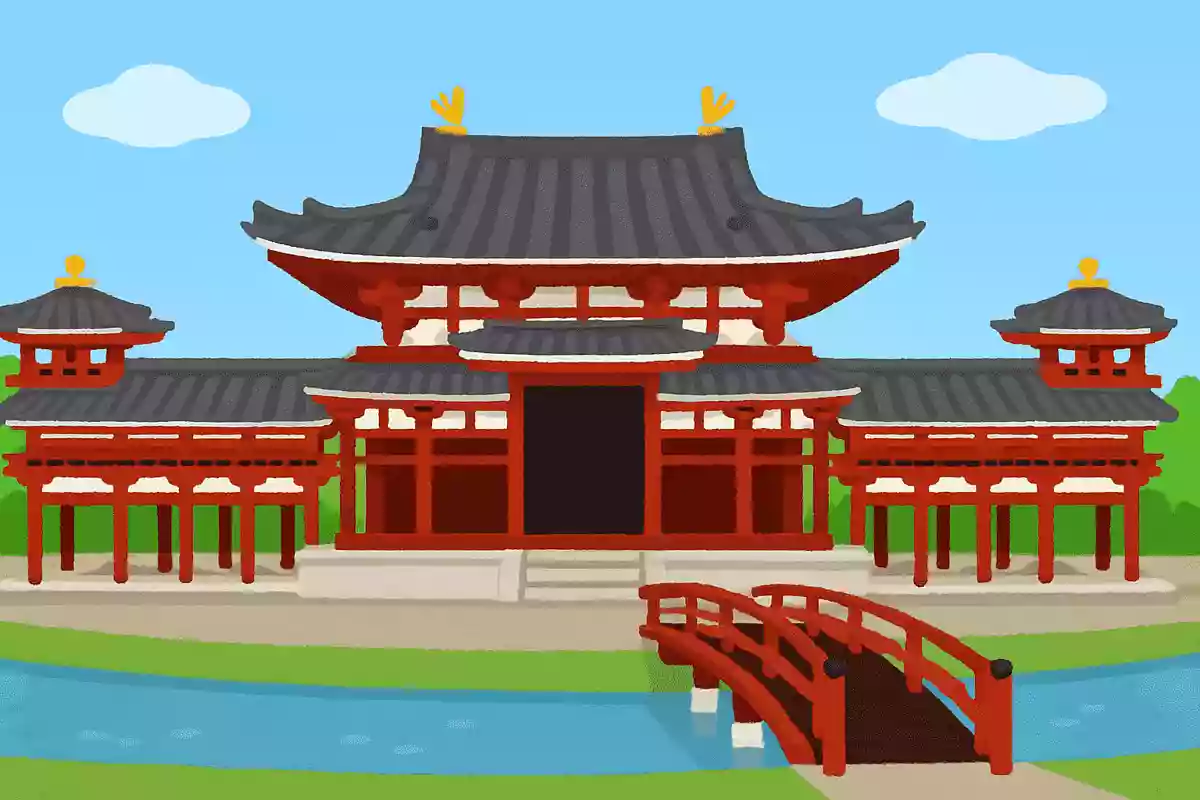
- A private temple of the imperial family
- noble’s villa
- A facility for conducting academic studies
See the answer
noble’s villa
Byodo-in Phoenix Hall was originally built as a villa for Fujiwara no Michinaga. Fujiwara no Michinaga was a statesman of the mid-Heian period, and he maintained a quiet, refined retreat on this site. This villa was later rebuilt as a Jodo sect temple, which became Byodo-in. Among its structures, the Phoenix Hall is particularly famous and is now one of Japan’s representative historic buildings.
In which country’s tradition is the mythical creature “phoenix” (as in the name Hōō-dō) found?
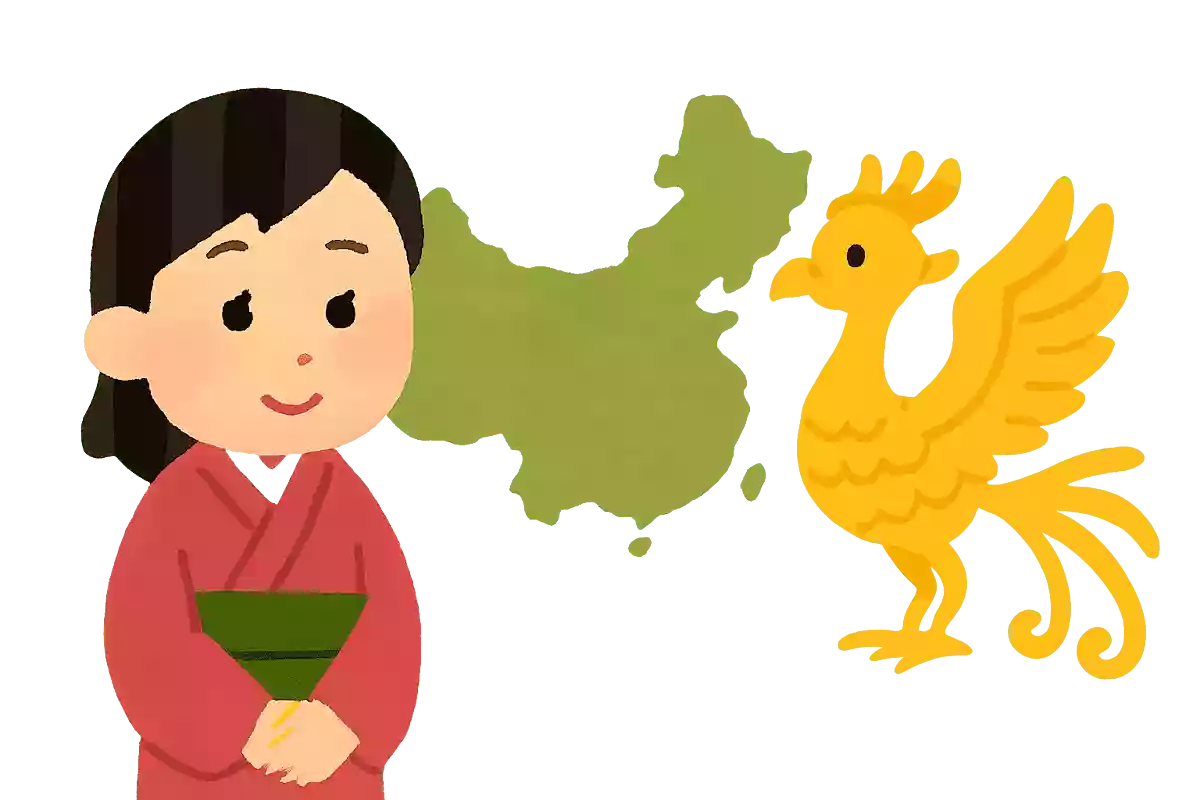
- Japan
- China
- India
See the answer
China
The “phoenix” is a sacred bird that appears in ancient Chinese myths and legends. In Chinese mythology, the phoenix—also called the “bird of five virtues”—is said to appear only during peaceful eras ruled by a benevolent sovereign. Owing to its graceful and beautiful form, along with its association as a “immortal bird,” it has come to symbolize prosperity and nobility, and it has also influenced Japanese culture.
Which literary works are set in Uji, where Byodo-in Temple is located?
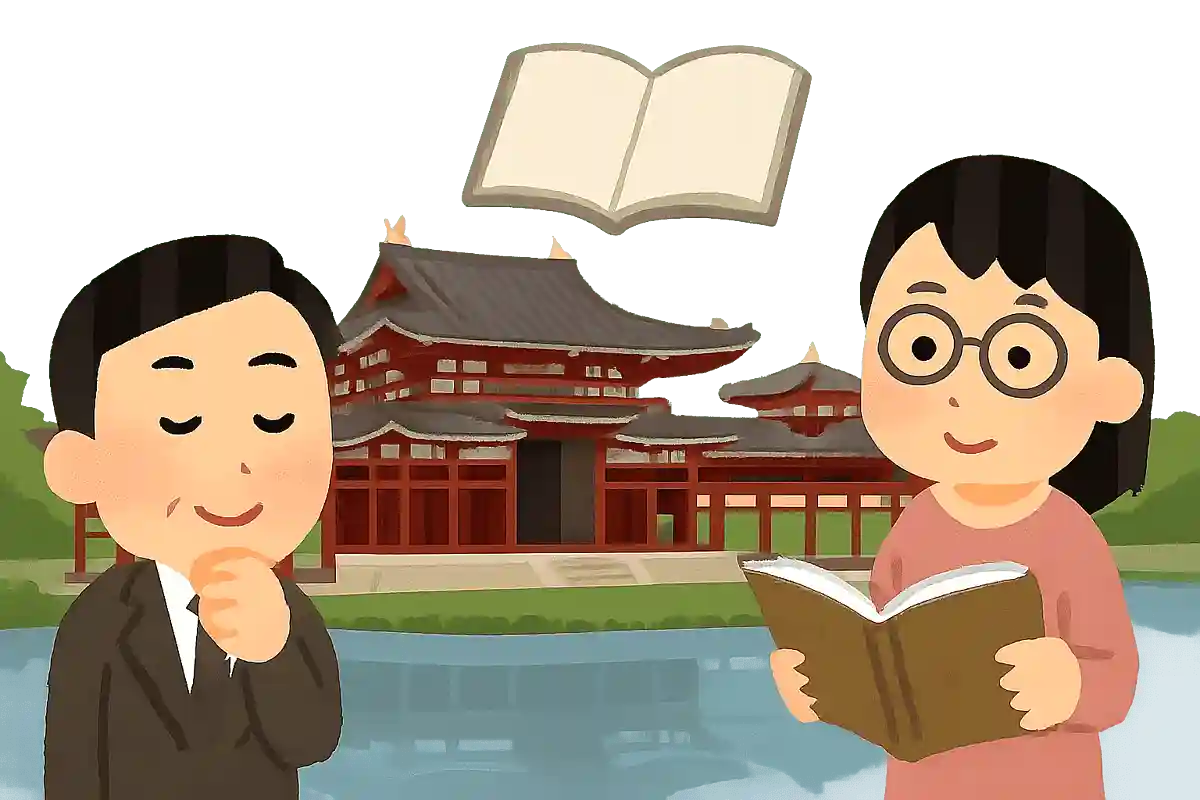
- The Tale of Genji
- The Pillow Book
- Uji Shūi Monogatari
See the answer
The Tale of Genji
The Tale of Genji is one of Japan’s oldest long novels, written by Murasaki Shikibu in the late Heian period, and in the section known as the Ten Uji Chapters, the setting is depicted in Uji. In particular, works such as Ukifune on the Uji River are especially well known.
Which coin features Byodoin Phoenix Hall?
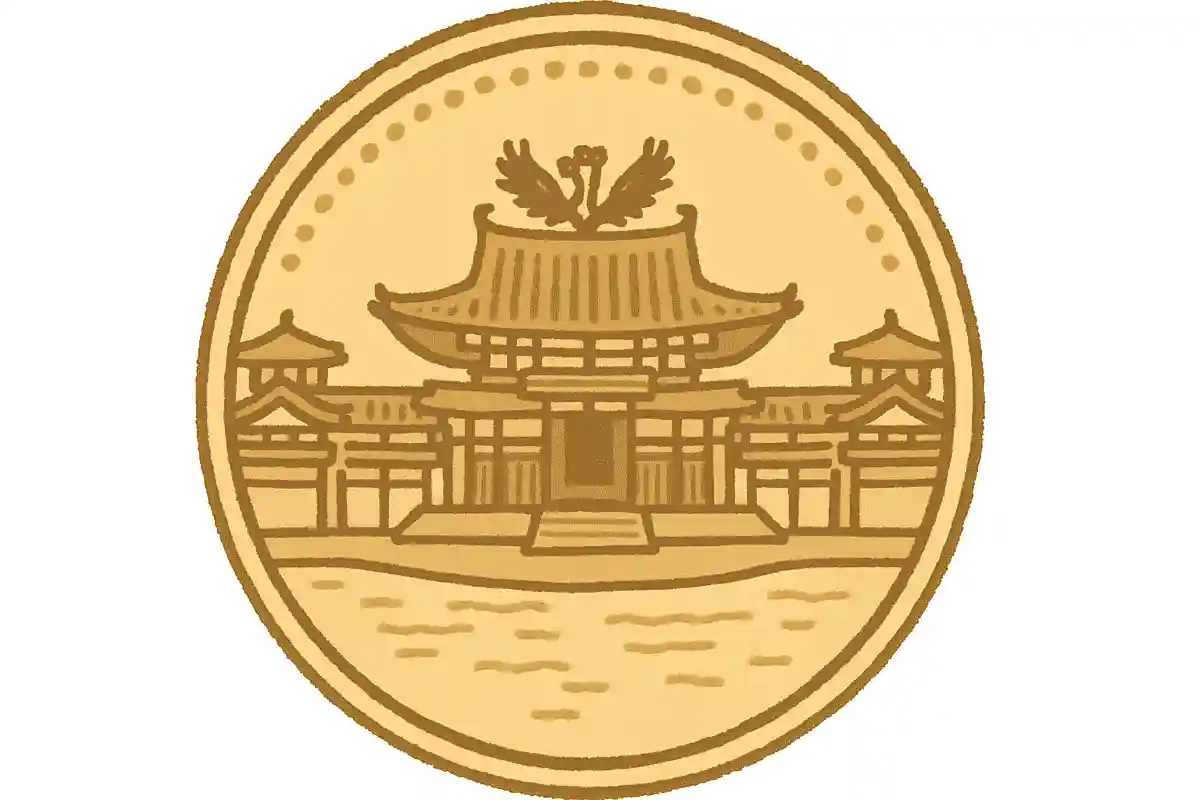
- 1-yen coin
- 5-yen coin
- 10-yen coin
See the answer
10-yen coin
The reverse side of the 10-yen coin features the Phoenix Hall of Byodoin Temple in Kyoto, which is also a UNESCO World Heritage site. This design has been in continuous use since the 10-yen coin was first issued in 1955 (Showa 30).