

Chopin’s masterpieces. Popular classical music.

Are you looking for famous piano pieces and beautiful melodies?
Here are some masterpieces and recommended works by Frédéric Chopin, a pianist and composer who represents the early Romantic era in Poland.
Chopin composed as many as 21 nocturnes, and he also left a wealth of piano works in many other styles—such as mazurkas, waltzes, and polonaises—which is why he is known as the Poet of the Piano.
Let yourself be captivated for a while by the beautiful melodies woven by Chopin.
- [Masterpiece Classics] A special showcase of gem-like masterpieces so beautiful they’ll move you to tears
- Classical piano masterpieces: legendary performances from around the world you should hear at least once
- Rachmaninoff’s masterpieces. Recommended pieces by Rachmaninoff.
- [Tchaikovsky] Pick up famous and representative pieces!
- Frederic Chopin Popular Songs Ranking [2026]
- François Couperin Popular Songs Ranking [2026]
- [Advanced] A Comprehensive Introduction to the Difficult Piano Pieces of Chopin, the Poet of the Piano!
- Pick up Beethoven’s famous and representative works!
- Popular classical piano pieces. A collection of masterful performances by Japanese pianists.
- Timelessly beautiful classical masterpieces. Recommended classical music.
- Classical masterpieces. Recommended classical music.
- Cool classical masterpieces. Recommended classical music.
- Elgar’s masterpiece. Popular classical music.
Chopin’s masterpieces. Popular classical music (181–190)
Waltz No. 2 in A-flat major, “Grand Waltz”Frederic Chopin

Nicknamed the “Brilliant Grande Valse,” Frédéric Chopin’s Waltz No.
2, Op.
34 No.
1 is a piece many people will recognize, as it’s often performed at concerts and recitals and frequently used in commercials.
Composed by Chopin in 1835, this waltz is striking for its dazzling, lively character.
It’s also highly effective in performance and makes a strong impression, so if you have an opportunity to showcase your piano playing, be sure to give it a try.

Waltz No. 4 in F majorFrederic Chopin

Often called the “Kitten Waltz” for its lively character, the Waltz No.
4 in F major, Op.
34-3 conjures up a playful scene of kittens dashing about.
It’s a charming piece, frequently chosen for recitals and competitions, and is beloved for its strong performance impact.
Play the opening arpeggios boldly and confidently, and render the glittering, intricate right-hand passages with a bright, clear tone.
Keep the left-hand accompaniment light and forward-moving; practice each hand separately with care to achieve that buoyant touch.

Waltz No. 4 in F major, Op. 34-3 “Cat Waltz”Frederic Chopin

Frédéric Chopin’s Waltz No.
4 in F major, Op.
34-3, composed in 1838, is a charming piece also known as the “Cat Waltz,” notable for its endearing melody.
Its appeal lies in a light, slightly mischievous character reminiscent of a cat, while still conveying the refined beauty of classical music.
Performed in a concert hall where the piano’s sound can fully resonate, the elegance of Chopin’s melodies and harmonies will shine even more.
Practice carefully by isolating the sparkling right-hand passages and the lively left-hand accompaniment, and shape them into a performance that captivates the audience!
Waltz No. 6, Op. 64 No. 1 “Minute Waltz”Frederic Chopin

Called the “poet of the piano” and loved by many, Chopin continues to inspire countless young people who admire his music and pursue their dreams.
Among Chopin’s famous works are many pieces that demand advanced technique, but the Waltz No.
6—better known by its nickname, the “Minute Waltz”—is charming and recommended even for intermediate players.
It is said to depict his lover’s pet dog spinning in circles while chasing its own tail.
Since it has the feel of a light, short piece, being able to play it effortlessly would be quite impressive.

Waltz No. 6 in D-flat major, Op. 64 No. 1 “Minute Waltz”Frederic Chopin

The works of Frédéric Chopin, the great composer from Poland, are filled with a charm that is both romantic and simple, making them highly approachable.
This piece is said to musically depict the scene of his lover George Sand’s dog spinning in circles as it chases its own tail.
Its lively and endearing melody evokes the movements of a puppy and lightens the listener’s heart.
Brilliant yet delicate, the piece is immensely popular at recitals and concerts.
Try playing it lightly, imagining the puppy’s motion as you go.
Waltz No. 6 in D-flat major, Op. 64 No. 1 “Minute Waltz”Frederic Chopin

Frédéric Chopin, a composer emblematic of the Romantic era who created unique piano works under diverse influences such as Polish folk music and Parisian salon culture.
Among his waltzes, the highly popular Waltz No.
6 in D-flat major, Op.
64-1, “Minute Waltz,” captivates listeners with its graceful world woven from light, buoyant rhythms and a beautiful melodic line.
Said to be inspired by the playful movements of a small dog, this piece exquisitely fuses charm and virtuosity—a masterpiece recommended to all who study the piano.
Waltz No. 7, Op. 64-2Frederic Chopin
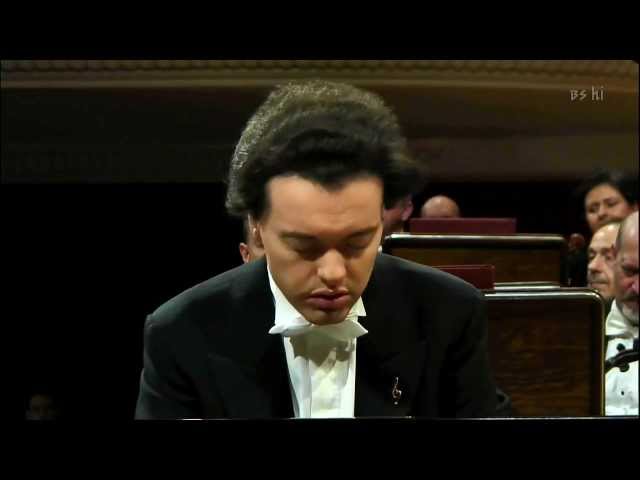
Frédéric Chopin, the great Polish composer renowned for his beautiful melodies.
When it comes to Chopin’s works, many people might think of bright pieces like the “Minute Waltz.” However, he actually produced many darker works as well, and that side of his style is also highly acclaimed.
Among them, one I especially recommend is the “Waltz No.
7 in C-sharp minor, Op.
64 No.
2.” It’s a refined piece that conveys a sense of darkness within the quintessentially Chopinesque beautiful sonority.
