

Classical Masterpieces: Recommended Works You Should Hear at Least Once


Classical music, the foundation of all music.
It began with chants sung in churches and led to the birth of countless composers and works.
In Japan, classical music remains close to us even today—taught in music classes and played as background music in a variety of settings.
In this article, we’ll introduce a wide range of classical pieces: from famous works you’ve likely heard somewhere at least once, to lesser-known pieces that will still linger in your ears.
Please enjoy these masterpieces of classical music—performed in many forms, from sacred music and symphonies to piano solos and concertos, including works arranged for different instruments.
- [Masterpiece Classics] A special showcase of gem-like masterpieces so beautiful they’ll move you to tears
- [Orchestra] Introducing famous and popular pieces
- Timelessly beautiful classical masterpieces. Recommended classical music.
- Cool classical masterpieces. Recommended classical music.
- Popular classical piano pieces. A collection of masterful performances by Japanese pianists.
- [Violin] A curated selection of beloved classic masterpieces and popular pieces that continue to be cherished across eras
- Cello Masterpieces: A comprehensive introduction to exquisite classical works that let you savor its profound timbre
- Recommended classical masterpieces for autumn
- Today's Classics: Recommended classical music and great performances to listen to today
- Pick up Beethoven’s famous and representative works!
- Masterpieces by Gustav Mahler. Popular classical music.
- Classical music by Japanese composers. Recommended classical music.
- A poignant classic masterpiece. Recommended classical music.
Classical Masterpieces: Recommended Works You Should Hear at Least Once (1–10)
La CampanellaFranz Liszt

Franz Liszt, often called the “magician of the piano,” was a pianist from Hungary.
One of his signature works is La Campanella.
Its charm lies in a melody that evokes the sound of distant bells.
Most people can span from middle C to the C one octave higher with their hand.
However, Liszt had large hands that could reach from C up to the G an octave above.
This span is about 28 centimeters, and it was thanks to these hands that the magnificent piece La Campanella was brought to completion.
The technique of repeatedly striking an octave with the right hand’s thumb and little finger continues relentlessly.
The image of ringing bells expands grandly, drawing you into the piece.
When it comes to actually playing it, it’s a highly difficult work.
Precisely for that reason, it is a deeply satisfying and wonderful number to listen to.

Symphony No. 5 “Fate”Ludwig van Beethoven
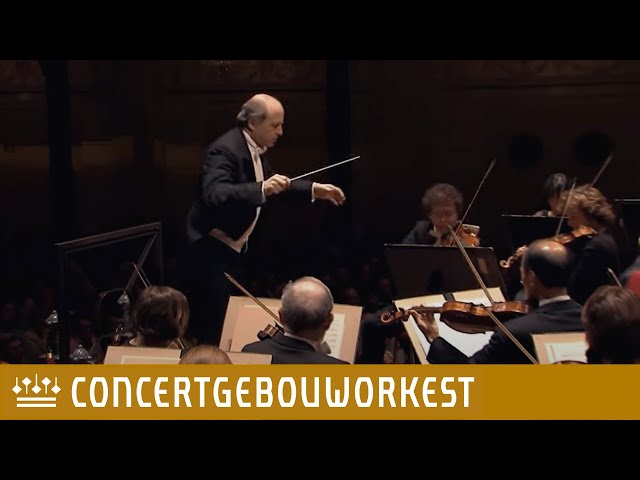
A masterpiece by the great classical composer Ludwig van Beethoven that left a profound impact on history.
The opening motif—“da-da-da-DAAAHN”—is known around the world.
Written as Beethoven was losing his hearing and premiered in December 1808, the work consists of four movements and portrays a journey from anguish to joy through a dramatic shift from darkness to light.
In particular, the “fate motif” of the first movement recurs throughout all the movements, giving the work a cohesive unity.
The music seems to reflect Beethoven’s inner struggle and his triumph over it, resonating deeply with listeners.
This piece influenced many later composers as well—why not listen to it straight through, movement by movement?
Clair de Lune, No. 3 from Suite bergamasqueClaude Debussy

Claude Debussy was a French composer and pianist who was active from the late 19th to the early 20th century.
When people think of Debussy, Clair de Lune is especially famous.
This piece is actually the third movement of the Suite bergamasque.
True to its title, listening to it conjures up images of beautiful moonlight.
What kind of moonlight do you see? It feels like a work that paints a picture through music.
Debussy’s charm also lies in his unique compositional approach and his freedom in writing music.
Pieces like Arabesque and Reverie are also popular.
All of these works feature delicate, flowing melodies that are truly beautiful.
They’re beloved numbers at piano recitals as well.
Classical Masterpieces: Recommended Works You Should Hear at Least Once (11–20)
Pavane for a Dead PrincessMaurice Ravel

Maurice Ravel, the French composer and pianist, studied piano and composition from a young age.
Strongly influenced by his music-loving father, he chose to pursue a musical path.
Pavane for a Dead Princess was written as a piano piece in 1899 and later arranged for orchestra in 1910.
“Pavane” is an unfamiliar word to many; it refers to a courtly dance that spread across European courts from the 16th to 17th centuries.
With its relaxed tempo, beautiful melody, and elegant character, this masterpiece is frequently performed in concerts.
When it comes to Ravel, Boléro is especially famous.
Pavane for a Dead Princess is a quiet, beautiful work scored for a small orchestra.
The piano version is wonderful as well, and it’s highly recommended for concert programs.
Jesu, Joy of Man’s DesiringJ.S.Bach

The masterpiece by the great figure of classical music, Johann Sebastian Bach, continues to captivate hearts even today.
Composed in 1723 by Bach, a representative of the Baroque era, this piece is the concluding chorale of the church cantata Herz und Mund und Tat und Leben, BWV 147.
A masterpiece imbued with a beautiful melody and deep faith, its lyrics sing of love and trust in Jesus, portraying him as a presence that protects us from life’s hardships and sorrows.
Bach’s masterful harmonies and gorgeous melody bring a universal sense of joy and peace to many people, transcending religion.
Beloved in a variety of performance forms—piano, orchestra, choir—it is also cherished as a piece that graces important moments in life, such as weddings and Christmas.
Piano Concerto No. 1 in B-flat minor, Op. 23Peter Ilyich Tchaikovsky
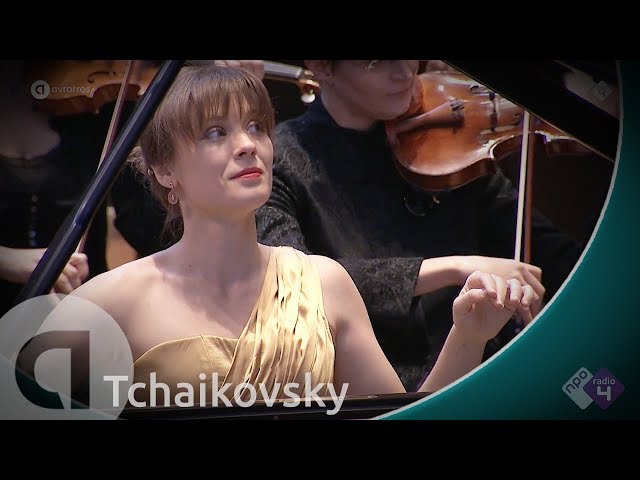
A masterpiece composed in the winter of 1874–1875 by Pyotr Ilyich Tchaikovsky, one of the quintessential composers of the Romantic era.
You’ve likely heard its striking opening melody at least once.
Notable for its innovative structure beginning in B-flat minor and its dramatic piano solos, it achieved great success at its premiere in Boston on October 25, 1875, despite facing criticism when first written.
Through majestic themes and dazzling pianistic virtuosity, it weaves in elements of Russian landscapes and folk songs, becoming a work that symbolizes Tchaikovsky’s emotions.
It’s recommended not only for those interested in classical music but also for anyone wishing to experience Russian culture.
Violin Concertos, Op. 8 Nos. 1–4 “The Four Seasons”Antonio Vivaldi

When people think of Antonio Vivaldi, The Four Seasons (Violin Concertos Op.
8, Nos.
1–4) is the famous work that comes to mind.
Among them, Spring is especially popular.
It’s a beloved violin concerto in which bright, festive melodies are interwoven with passages that have a touch of shadow.
In Japan, because we have four seasons, it’s often thought of as four pieces representing spring, summer, autumn, and winter.
Vivaldi himself did not give it that title, but the musical character fits the Japanese seasons perfectly.
Summer is a very fast, intense work that vividly evokes sudden showers and storms unfolding before your eyes.
It’s also a favorite among violinists and is frequently performed in concerts.