

A quiz that seems easy but is actually hard: trick questions that make you think flexibly


That “simple yet difficult” quality is what makes trick quizzes unique, isn’t it? If you loosen up your thinking you can solve them, but fixed ideas get in the way and it’s hard to reach the right answer.
Quizzes that hide alternative uses of everyday words or play on our assumptions become more enjoyable the more you think about them.
In this article, we’ll guide you into the world of trick quizzes that will make you exclaim, “I see!” Give it a try with a flexible mindset!
- Genius if you can solve it? Super-difficult Quiz Collection
- Do you get tripped up too? A fun roundup of 10-time quiz questions
- [Trick Quiz] Quiz Questions That Excite Everyone from Kids to Adults
- [Logic Quiz] Flexible Thinking and Creativity Are Key! From Classics to Tough Challenges, All in One Go
- [Battle of Wits] Stimulate your intellectual curiosity! Quiz questions that get adults excited
- Hard to get right on the first try! A quiz you’re guaranteed to get tripped up by.
- [Genius if you can solve it?] Insight and intuition: a challenging IQ quiz
- [Brain Training] Difficult Riddles That Even Adults Struggle With
- Recommended for kids! A collection of challenging riddles. Difficult questions that make you think.
- Let's Think Outside the Box! A Collection of Challenging Riddles for Kids
- [Challenging] General Knowledge Quiz Compilation: Difficult and Interesting Multiple-Choice Questions (3 Options)
- [Interesting] A collection of brain teaser quiz questions. Let's train your brain!
- A math quiz for adults. Can you solve it?
A Collection of Trick Questions to Loosen Up Your Thinking (1–10)
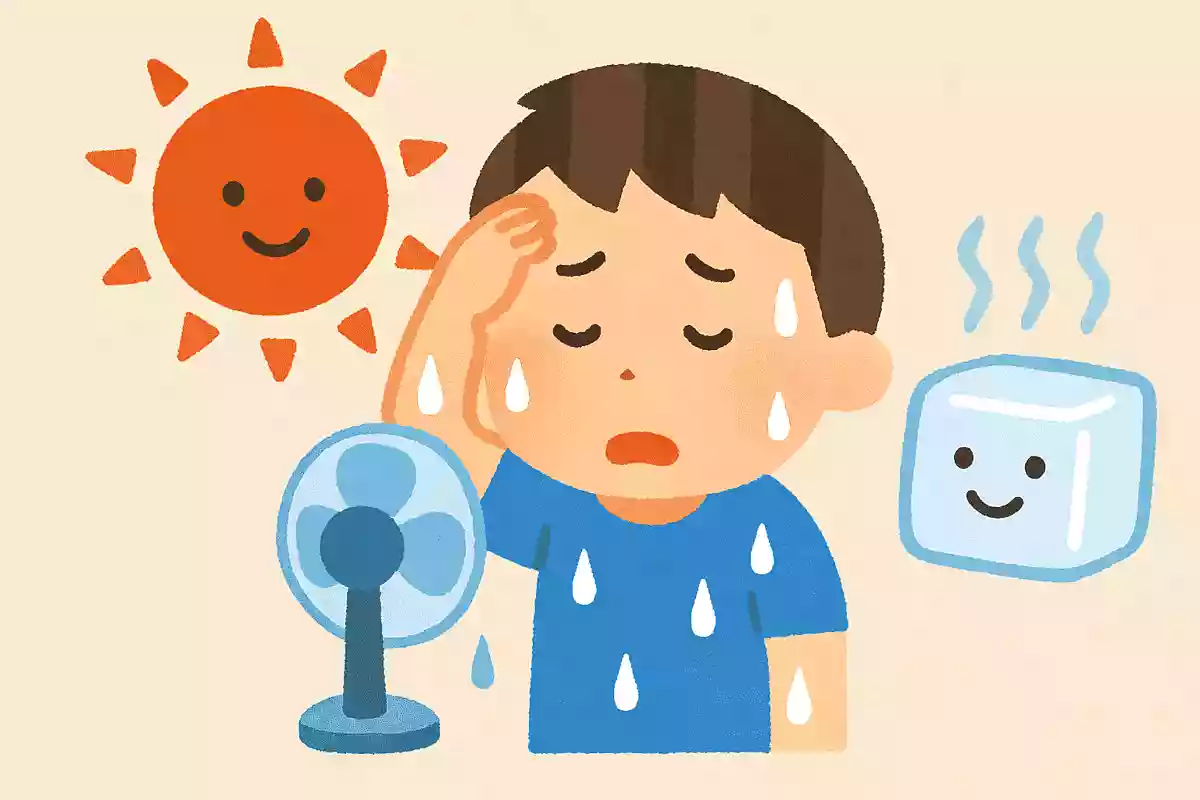
What gets hotter as it gets colder?
See the answer
ice
This puzzle is a trick that plays on the meanings of the Japanese word “atsui.” Besides the kanji for “hot” (熱い), there is also the kanji for “thick” (厚い), and the riddle uses the latter. When it gets cold, ice forms and its thickness increases. Therefore, the thing that “gets thicker as it gets colder” is ice.

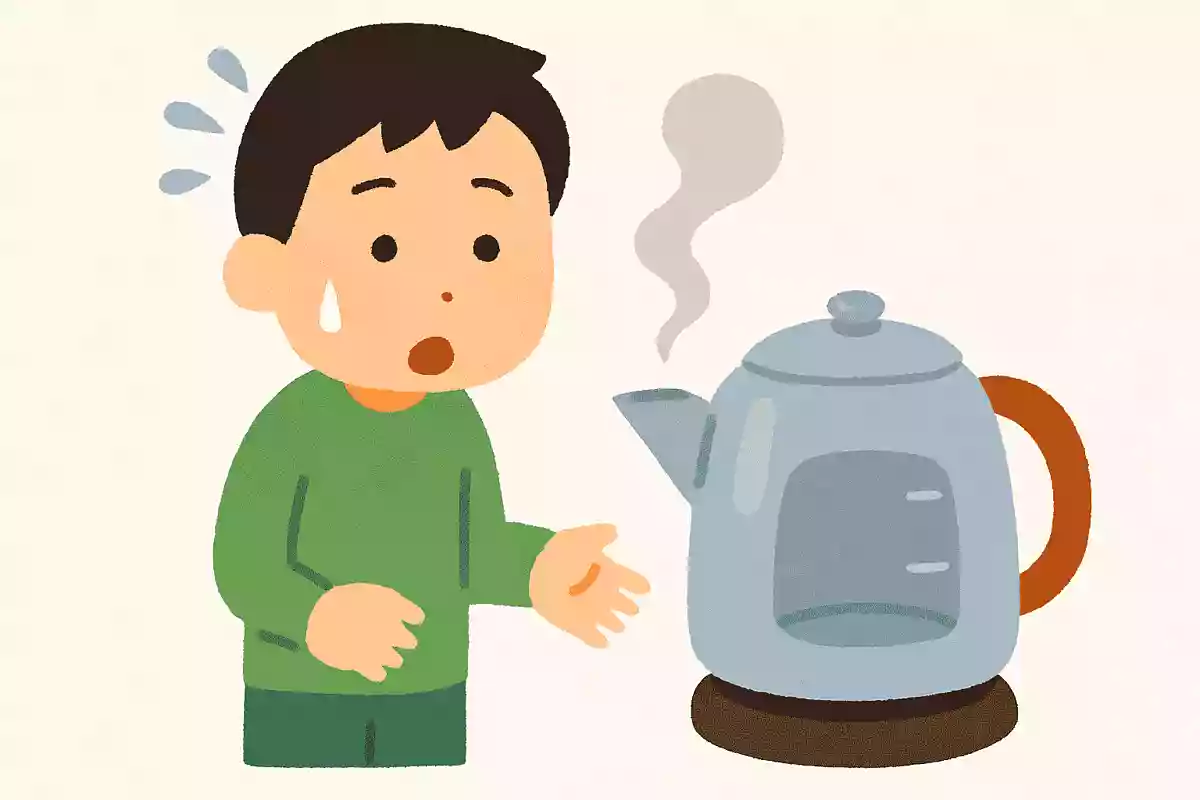
The hot water in the kettle was gone after three hours. Why did that happen?
See the answer
The hot water cooled down and turned into water.
As time passes, hot water cools down, eventually reaching room temperature and returning to plain water. Therefore, you could say that the “state as hot water” inside the kettle no longer exists. However, the water itself has not disappeared; only its temperature has dropped. This quiz is a trick question that can be solved by focusing on the fact that the hot water didn’t vanish as a substance—its state simply changed.
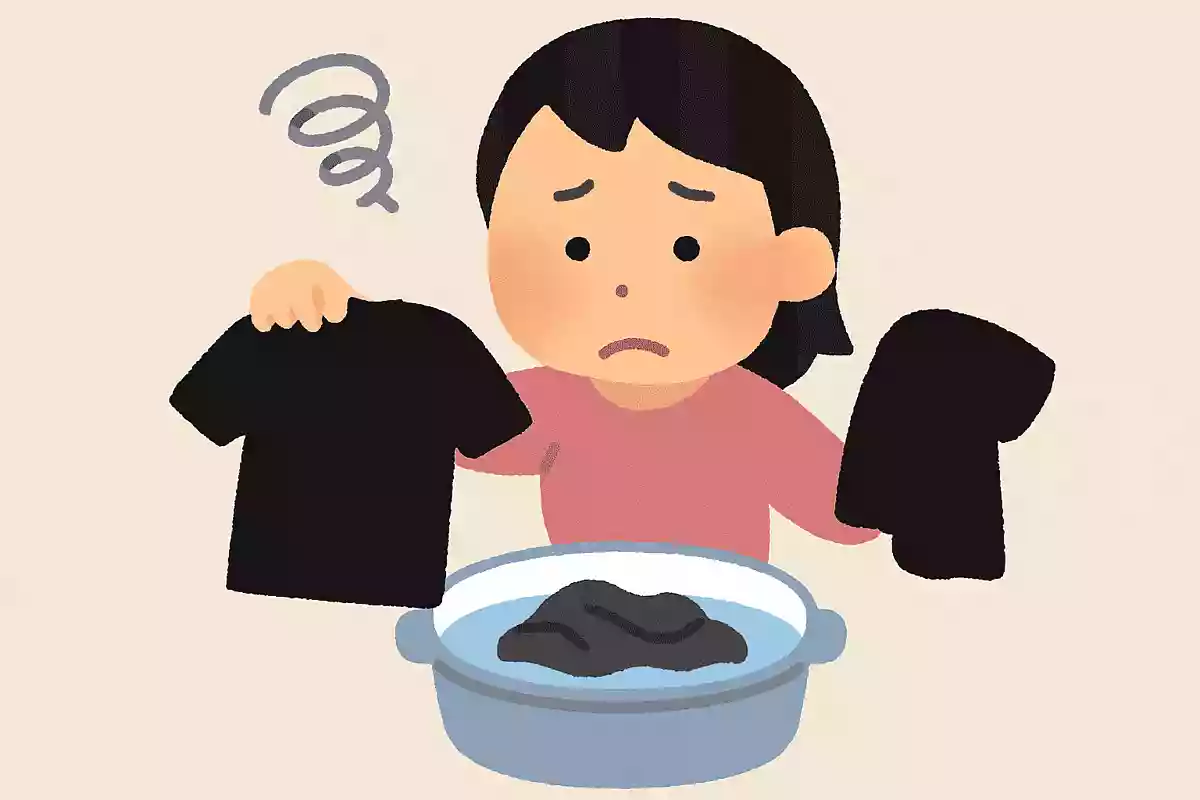
My clothes had turned completely black, and even after washing them, they didn’t get white at all. Why is that?
See the answer
Because the clothes were black to begin with.
It might seem that the way you wash—like the detergent you use—is the cause, but that’s incorrect in this case. Washing can remove dirt from clothes, but it can’t change their original color. In other words, if the garment was originally black, it will remain black even after washing.
A Collection of Trick Questions to Loosen Up Your Thinking (11–20)
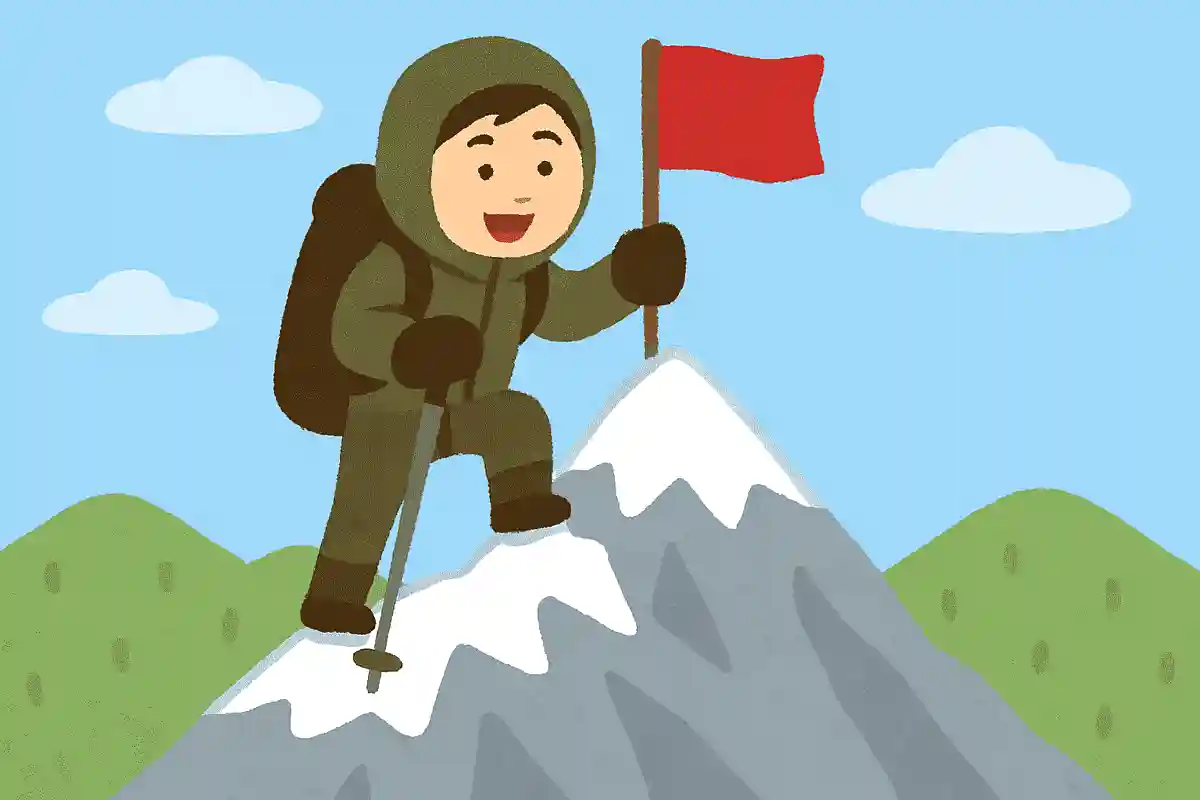
What is something that people who have climbed a mountain always do?
See the answer
descent from a mountain
When you climb a mountain, you might enjoy the view, take a break, or snap some photos. These are things you may do, but not things you must do. However, anyone who has gone mountain climbing must come back down the mountain, so the correct answer is “descent.”
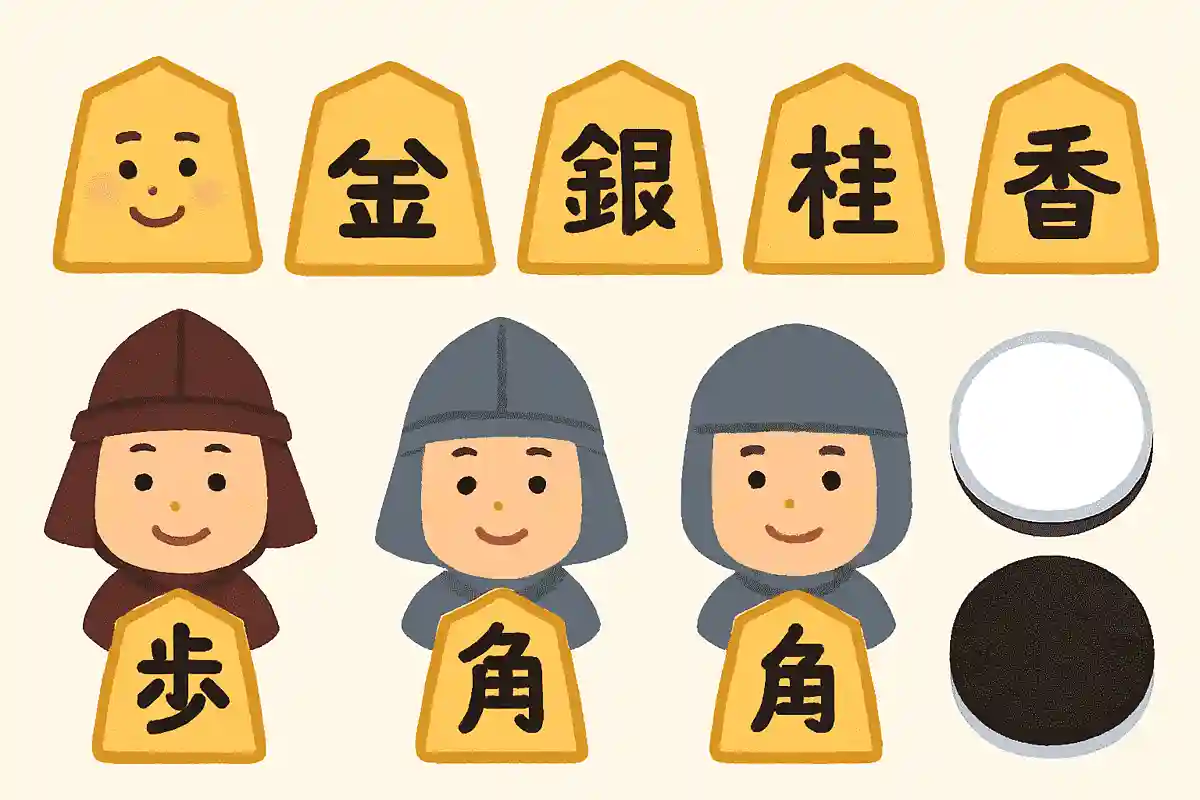
There are eight types of shogi pieces, but how many types of Othello pieces are there?
See the answer
1 type
There is only one type of Othello piece: one side is white and the other side is black. Therefore, the answer is one type. The trick in the question is the comparison with shogi’s diverse pieces, which can mislead you into thinking that Othello pieces, despite having the same shape and type, come in various kinds.
What kind of school would expel you if you get top marks?
See the answer
university
If you write “university” in hiragana, it’s ‘だいがく’ (daigaku), right? The trick is to remove the dots at the top—that is, the dakuten on the ‘だ’ in ‘だいがく’! If you remove the dakuten from ‘だ’, it becomes ‘たいがく’ (taigaku), which means ‘withdrawal from school’ (退学). So ‘university’ (大学) is the correct answer! The key is converting from kanji to hiragana.

What kind of snack can’t be eaten in the middle?
See the answer
donut
There are many different shapes of donuts, but the most common one is the kind with a hole in the middle. That hole in the center is something you absolutely can’t eat—even if you want to—because there’s nothing there. So the answer is a donut with a hole in the middle.