



That “simple yet difficult” quality is what makes trick quizzes unique, isn’t it? If you loosen up your thinking you can solve them, but fixed ideas get in the way and it’s hard to reach the right answer.
Quizzes that hide alternative uses of everyday words or play on our assumptions become more enjoyable the more you think about them.
In this article, we’ll guide you into the world of trick quizzes that will make you exclaim, “I see!” Give it a try with a flexible mindset!
- Genius if you can solve it? Super-difficult Quiz Collection
- Do you get tripped up too? A fun roundup of 10-time quiz questions
- [Trick Quiz] Quiz Questions That Excite Everyone from Kids to Adults
- [Logic Quiz] Flexible Thinking and Creativity Are Key! From Classics to Tough Challenges, All in One Go
- [Battle of Wits] Stimulate your intellectual curiosity! Quiz questions that get adults excited
- Hard to get right on the first try! A quiz you’re guaranteed to get tripped up by.
- [Genius if you can solve it?] Insight and intuition: a challenging IQ quiz
- [Brain Training] Difficult Riddles That Even Adults Struggle With
- Recommended for kids! A collection of challenging riddles. Difficult questions that make you think.
- Let's Think Outside the Box! A Collection of Challenging Riddles for Kids
- [Challenging] General Knowledge Quiz Compilation: Difficult and Interesting Multiple-Choice Questions (3 Options)
- [Interesting] A collection of brain teaser quiz questions. Let's train your brain!
- A math quiz for adults. Can you solve it?
A Collection of Trick Questions to Loosen Up Your Thinking (1–10)
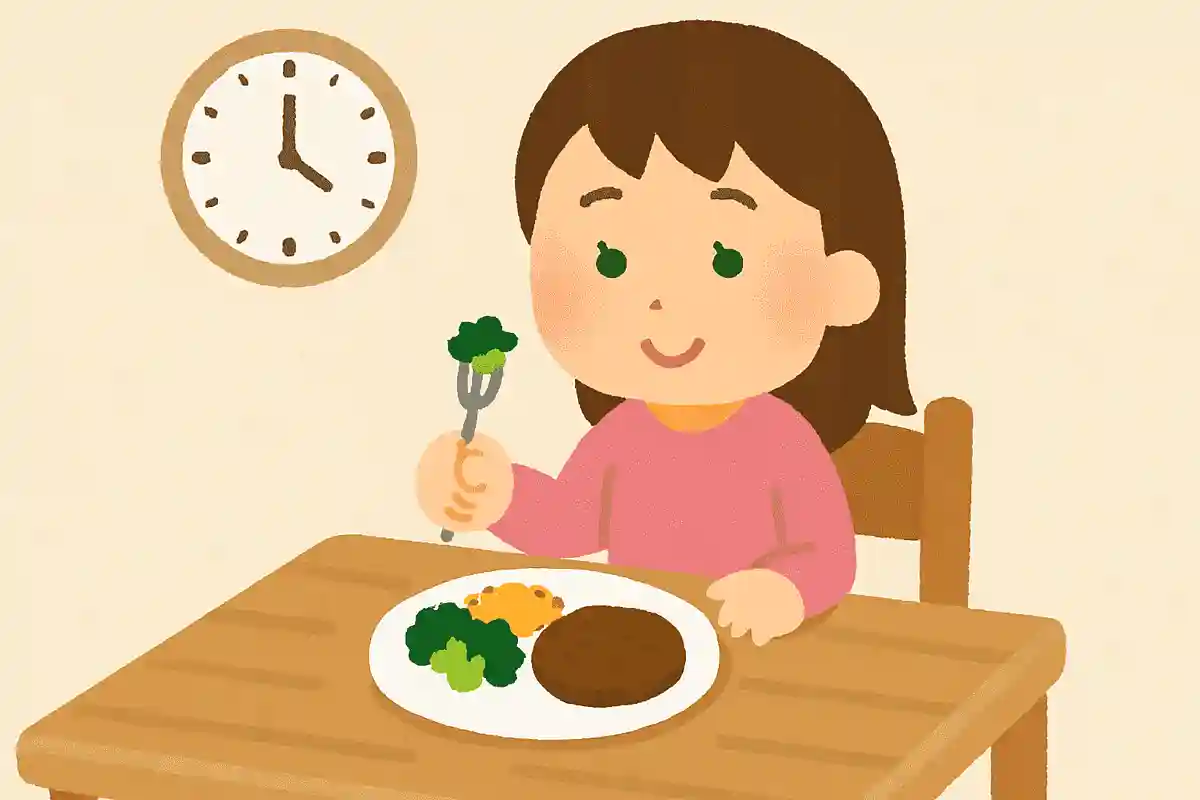
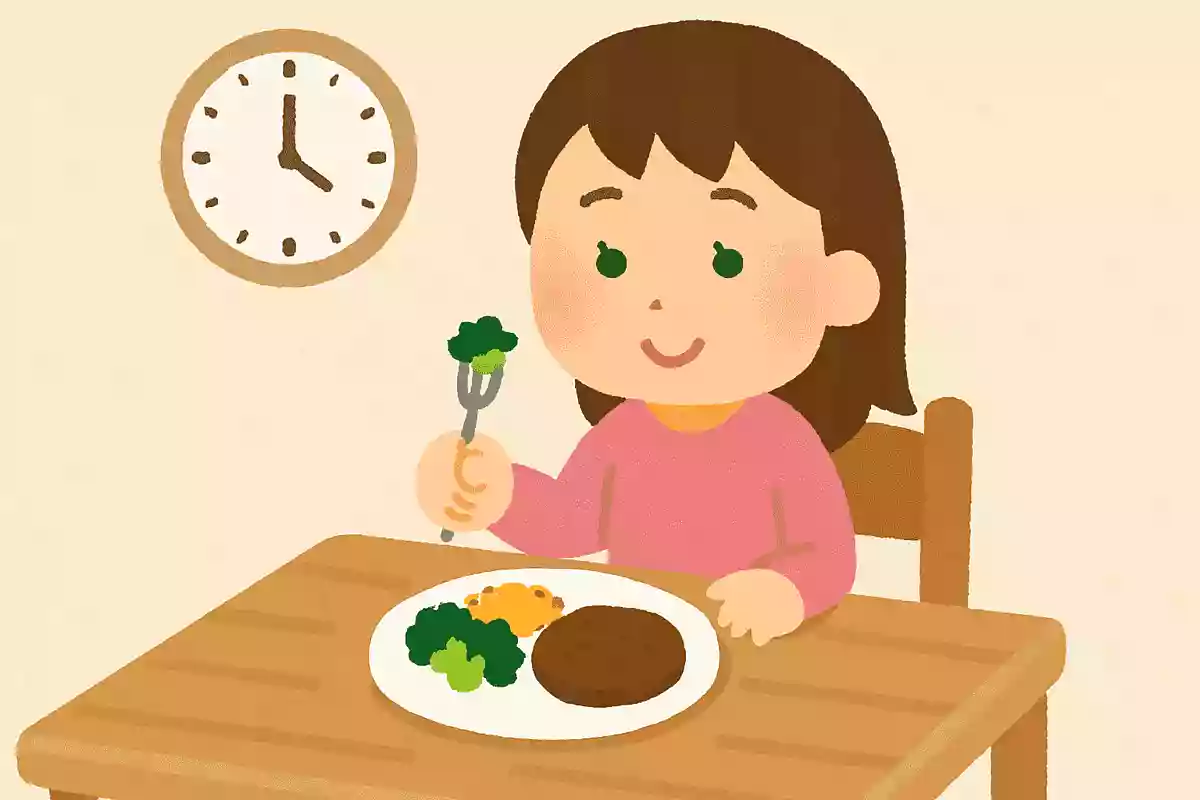
Snack time is at 3 o’clock. So, what time is dinner?
See the answer
5 o'clock
This puzzle plays on the familiar phrase “three o’clock snack” (3 o’clock treat) to make you think it’s about time, but it’s actually asking for the number of characters. The word “oyatsu” (snack) has three characters in Japanese, so it was expressed as “3 o’clock” (3-ji). Similarly, the word “yoru gohan” (dinner) has five characters, so the answer is “Dinner is at 5 o’clock” (yoru gohan wa 5-ji).

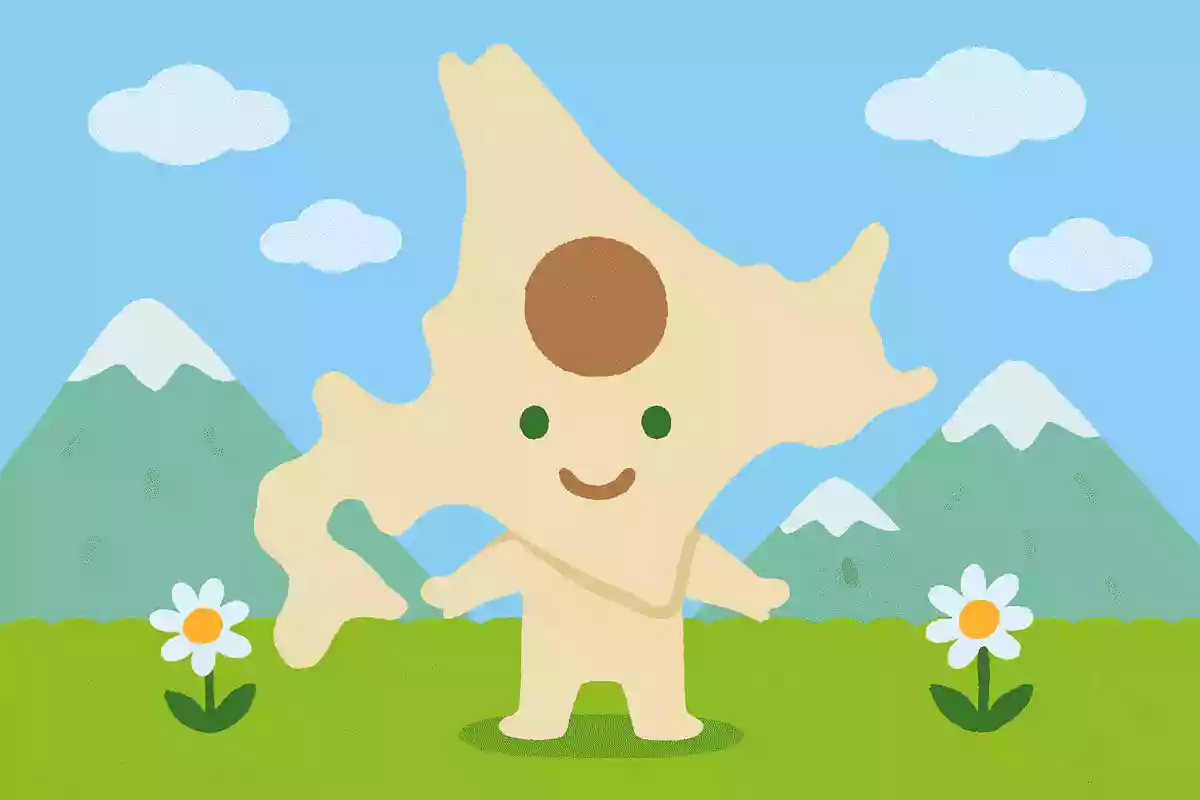
What is in the middle of Hokkaido?
See the answer
sea
When thinking about “the middle of Hokkaido,” it’s easy to make a mistake by directly picturing the central point on a map. The word “middle” as we usually use it doesn’t necessarily refer to a geographical center. In this puzzle, the key is to notice that the word “Hokkaido” in Japanese has three characters, and from that, it’s a trick question leading you to the answer “sea.”
Someone jumped from a 50-story building and was unharmed and fine. Why is that?

See the answer
jumped from the first floor
The tricky point in this problem is that the phrase “a 50-story building” makes you intuitively imagine jumping from a high floor. However, it doesn’t mention which floor they jumped from, so the correct answer is that they jumped from the first floor, close to the ground and without risk of injury.
A person caught a cold. What did they catch next?

See the answer
doctor
This quiz is a trick question that plays on the double meaning of the word “kakaru.” After catching a cold, people often “kakaru isha,” meaning they go to see a doctor for treatment. Here, the correct answer uses “kakaru” in the sense of “to consult/see a doctor,” not the physical action or state of “hanging/applying/being involved.” The point of the problem is to uncover this alternative interpretation hidden within an everyday expression.
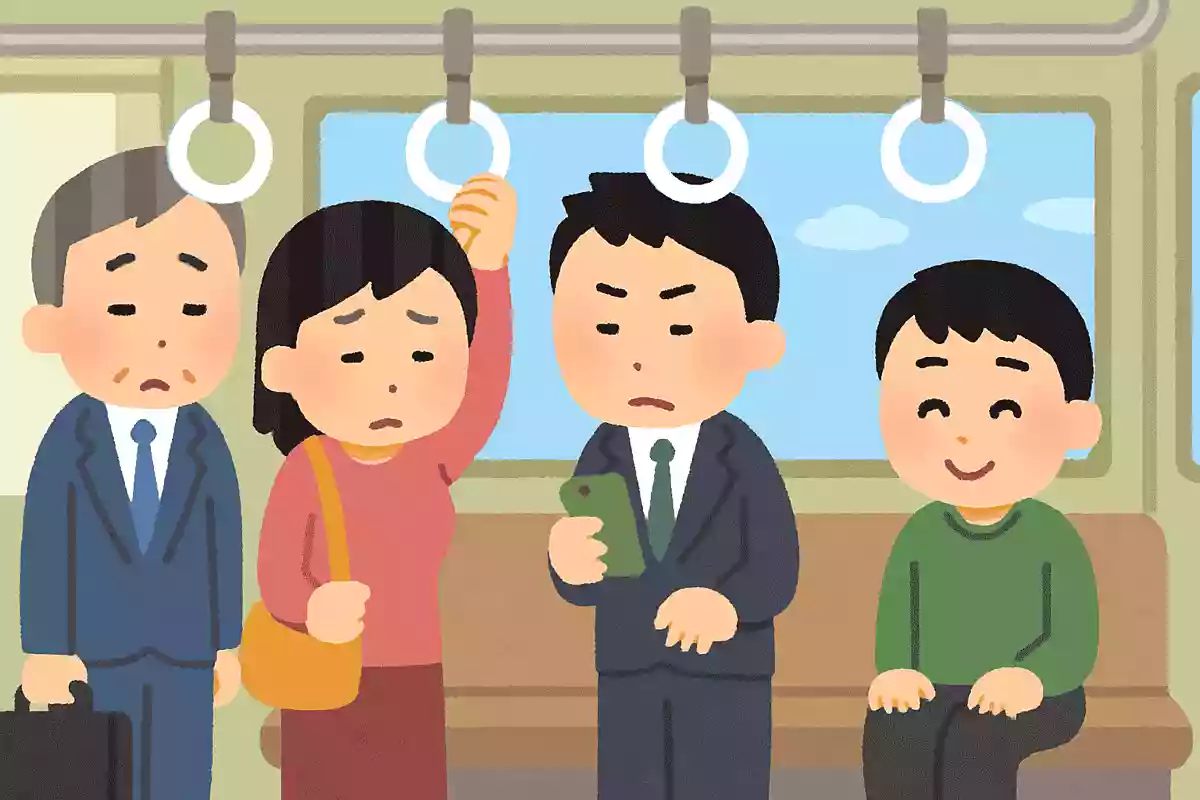
Why is it that I can always get a seat even on a crowded train?
See the answer
Because I'm a driver.
The trick here is that the mention of sitting on a crowded train makes you think about sitting as a passenger. Train drivers have dedicated seats for operating the train. Therefore, even when it’s crowded, the driver is always able to sit.
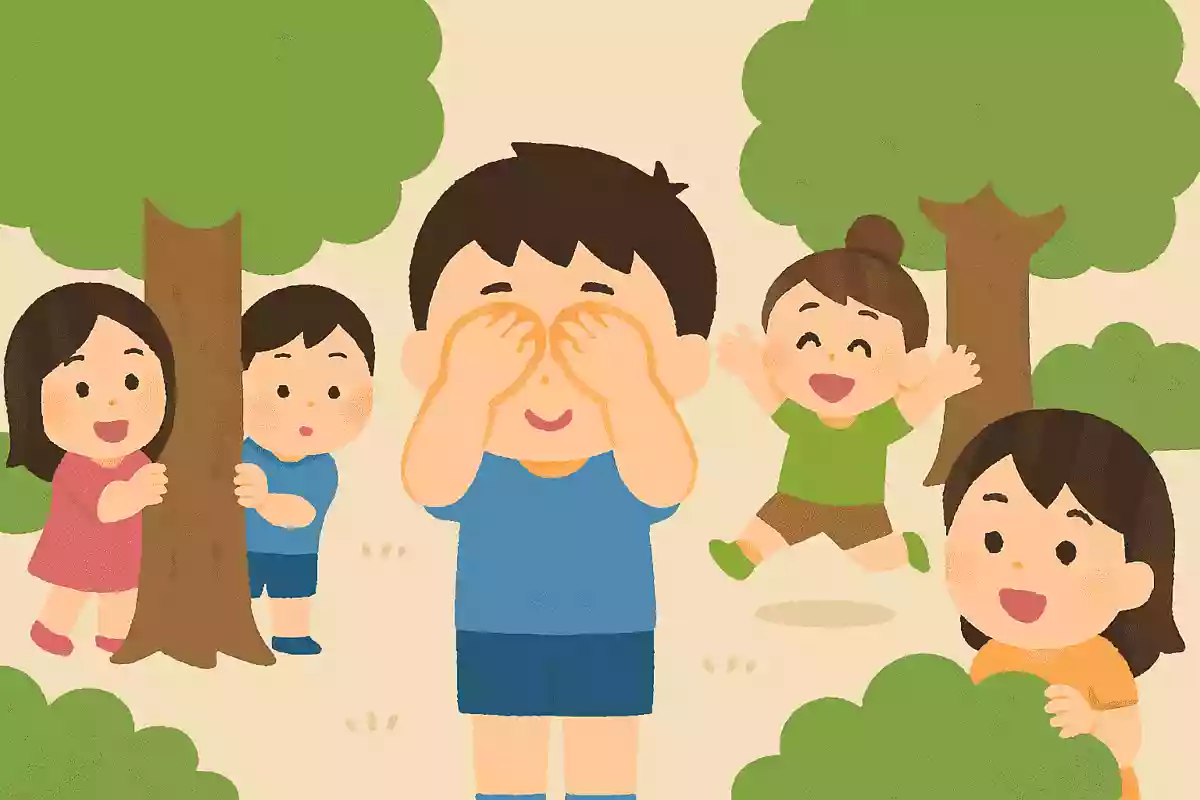
Seven people were playing hide-and-seek, and four were found. How many are left?
See the answer
2 people
Seven friends are playing hide-and-seek. Since four have been found, if you just count the ones who came out, it might seem like there are three left. However, that calculation includes the seeker in the total. In hide-and-seek, the seeker doesn’t hide, so excluding the seeker, the actual number still hiding is 7 minus the 1 seeker and the 4 found players, which equals 2.
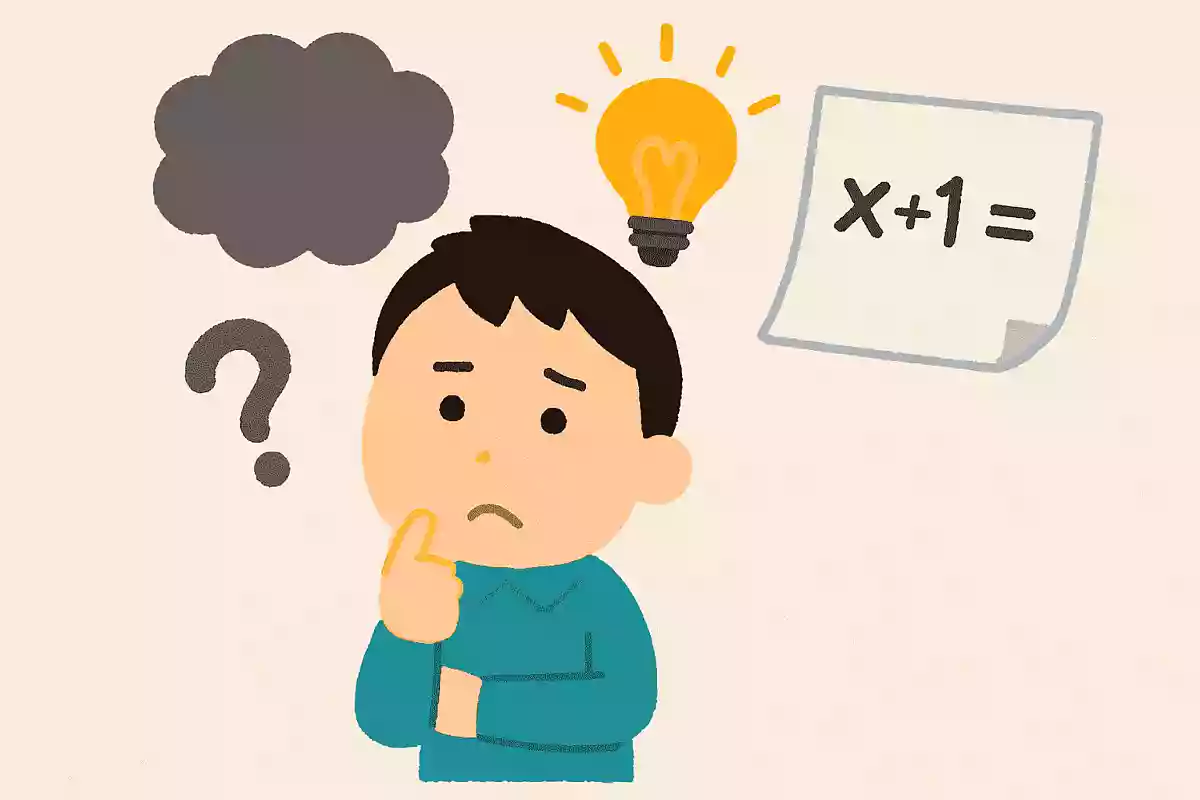
What is the answer to the problem whose answer is simple but no one can solve?
See the answer
Easy
It’s a trick question that plays with words. You might first think of the respondent’s ability or the difficulty of the problem. Those ways of thinking are wrong, and the question itself—saying “the answer is easy”—is the answer, making “easy” the correct solution in this trick question.