

A quiz that seems easy but is actually hard: trick questions that make you think flexibly


That “simple yet difficult” quality is what makes trick quizzes unique, isn’t it? If you loosen up your thinking you can solve them, but fixed ideas get in the way and it’s hard to reach the right answer.
Quizzes that hide alternative uses of everyday words or play on our assumptions become more enjoyable the more you think about them.
In this article, we’ll guide you into the world of trick quizzes that will make you exclaim, “I see!” Give it a try with a flexible mindset!
- Genius if you can solve it? Super-difficult Quiz Collection
- Do you get tripped up too? A fun roundup of 10-time quiz questions
- [Trick Quiz] Quiz Questions That Excite Everyone from Kids to Adults
- [Logic Quiz] Flexible Thinking and Creativity Are Key! From Classics to Tough Challenges, All in One Go
- [Battle of Wits] Stimulate your intellectual curiosity! Quiz questions that get adults excited
- Hard to get right on the first try! A quiz you’re guaranteed to get tripped up by.
- [Genius if you can solve it?] Insight and intuition: a challenging IQ quiz
- [Brain Training] Difficult Riddles That Even Adults Struggle With
- Recommended for kids! A collection of challenging riddles. Difficult questions that make you think.
- Let's Think Outside the Box! A Collection of Challenging Riddles for Kids
- [Challenging] General Knowledge Quiz Compilation: Difficult and Interesting Multiple-Choice Questions (3 Options)
- [Interesting] A collection of brain teaser quiz questions. Let's train your brain!
- A math quiz for adults. Can you solve it?
A Collection of Trick Questions to Loosen Up Your Thinking (21–30)
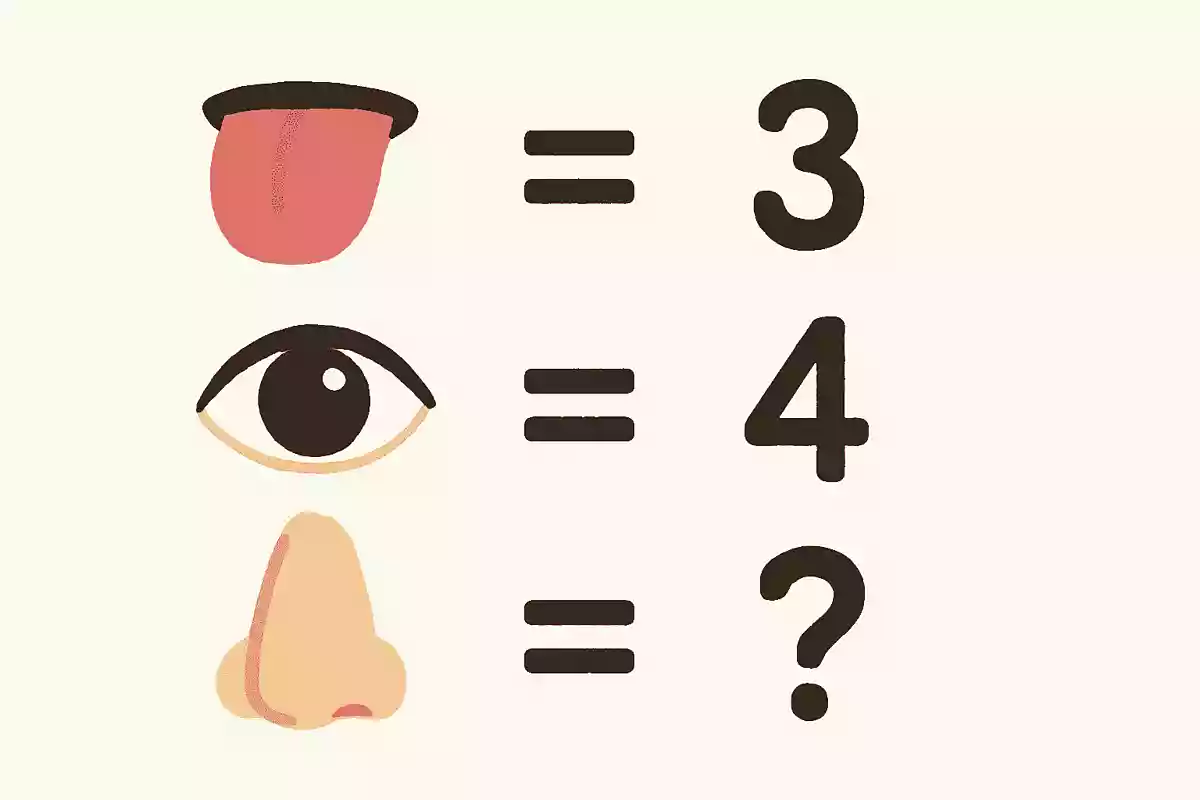
“Tongue = 3, Eye = 4, Nose = ?” What number goes in the question mark?
See the answer
9
An equation that looks disjointed at first glance: “tongue = 3, eye = 4, nose = ?”. In fact, it’s a quiz that replaces the five senses with numbers. The tongue is associated with taste, so the number is 3. The eye is associated with sight, so the number is 4. The nose is associated with smell, so the number is 9. The numbers themselves don’t carry any deep meaning, so the more you try to find some ulterior intent, the more you might tie yourself in knots. It’s a refreshing, insight-based riddle that falls into place once you shift your perspective.

A Collection of Trick Questions for Everyone from Kids to Adults (1–10)
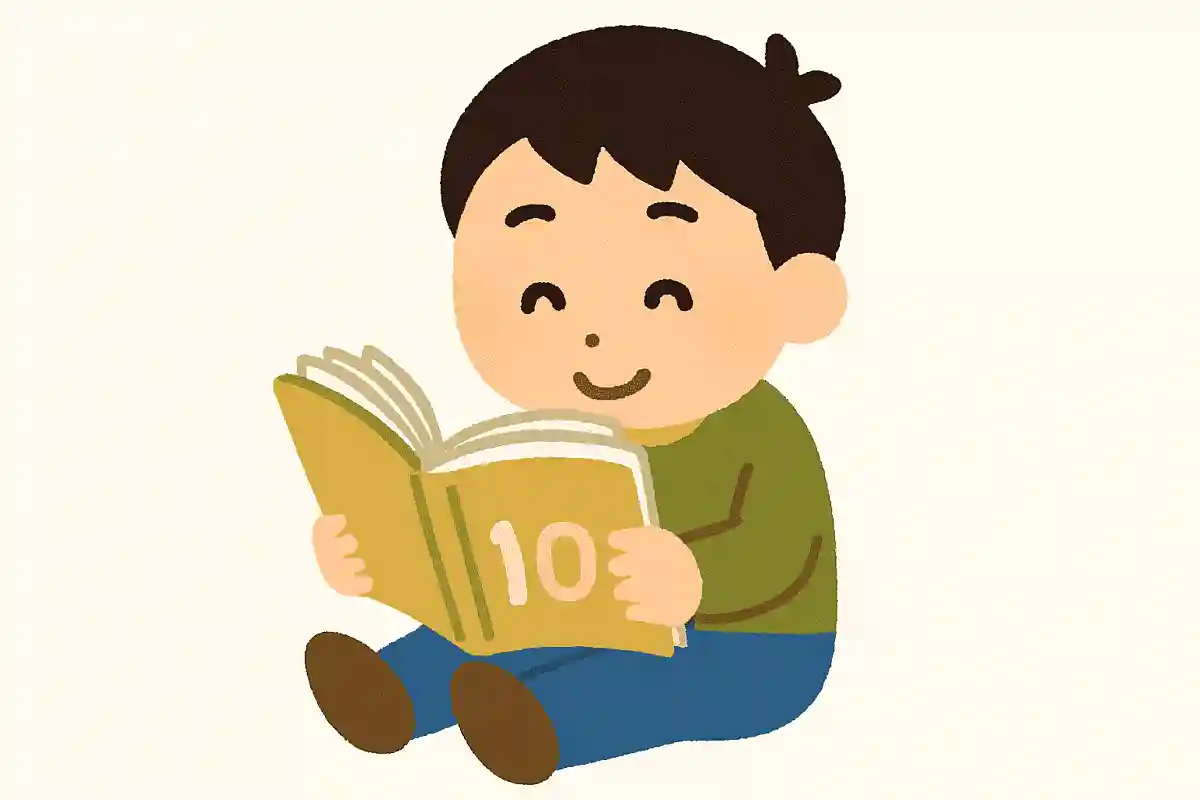
A person who likes books reads 10 pages each day. How many pages will they read on the 10th day?
See the answer
10 pages
The problem statement says that a person who likes books reads “10 pages per day.” In other words, they read the same number of pages every day, namely 10 pages. There is no change in the number of pages they read on the 10th day either. Since the question is not asking for a total, the number of pages read on the 10th day is also 10 pages.

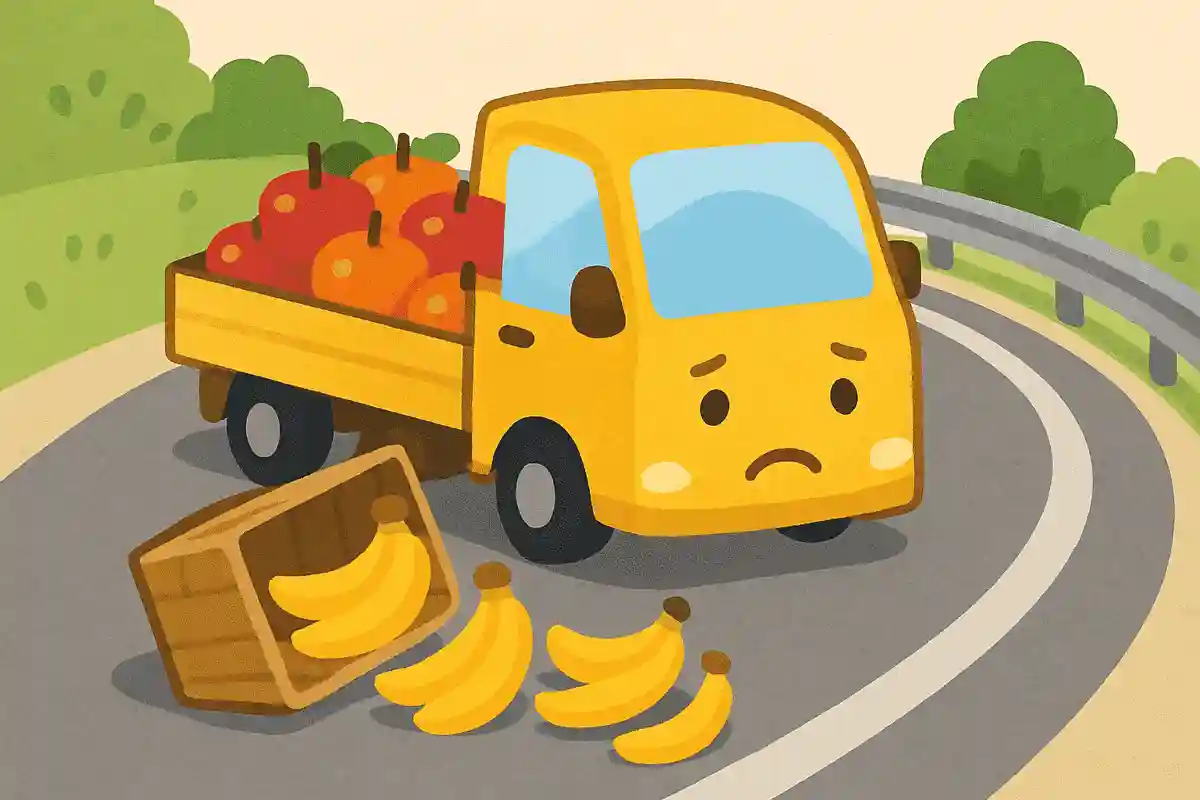
A truck carrying apples, mandarins, and bananas dropped something on a curve. What was it?
See the answer
speed
A truck doesn’t necessarily drop anything physical when taking a curve, but slowing down—in other words, “dropping speed”—is a common driving maneuver. The phrasing suggests mistakenly that a specific fruit is being dropped, but it’s a typical trick question that seeks the abstract answer “speed.”
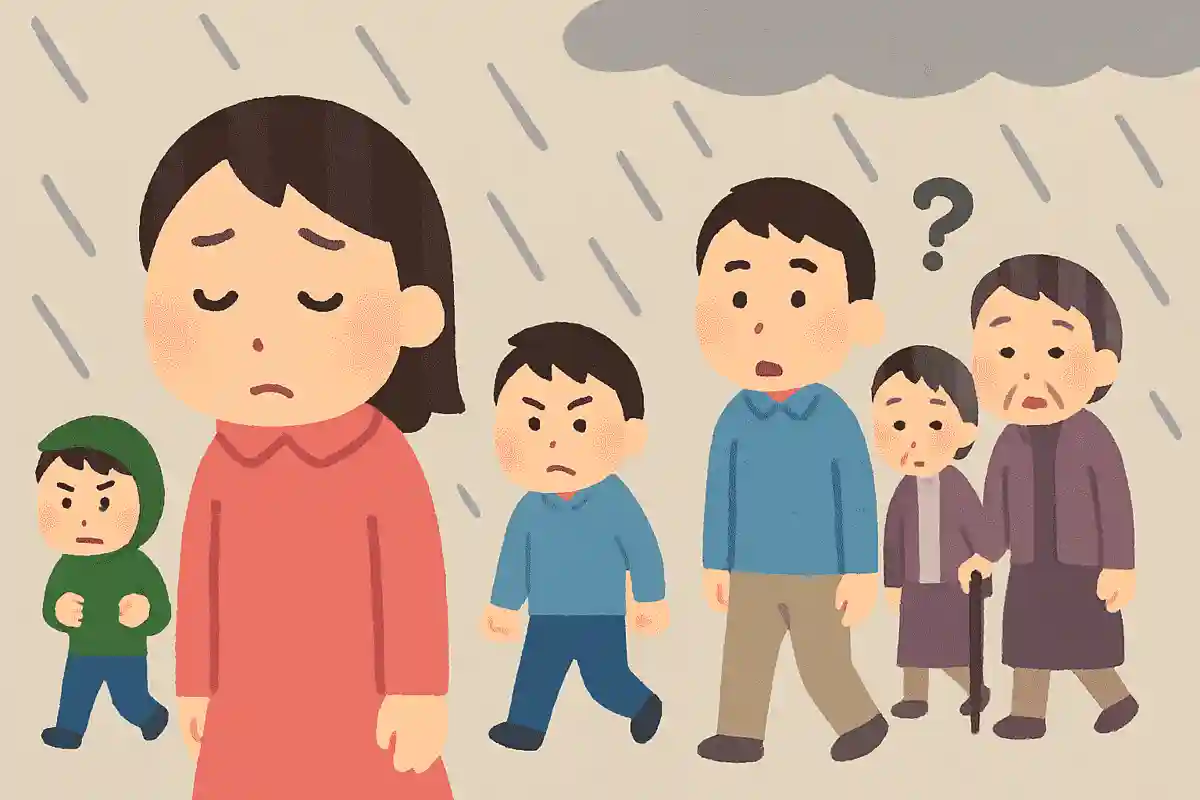
Why is no one using an umbrella even though it’s raining?
See the answer
Because I'm indoors
The answer to this trick question is: “Because they’re indoors.” Even though it’s raining, you can avoid getting wet without using an umbrella if you’re inside, right? If you’re indoors rather than outside where it’s raining, you don’t need an umbrella. In this quiz, the problem statement deliberately doesn’t specify the “location,” so it’s easy to get tripped up if you assume an outdoor situation.
Among dams, lakes, and marshes, which one is the cleanest?

See the answer
swamp
When you think about which is the prettiest among a dam, a lake, and a marsh, you might simply assume it’s the dam or the lake. However, the key to this riddle is to look closely at the words themselves. In Japanese, both ‘dam’ (ダム) and ‘lake’ (湖) include dakuten marks, which make their sounds “muddy.” ‘Marsh’ (沼), however, has no dakuten, so its sound isn’t “muddy.” Therefore, the answer is ‘marsh’ (沼).

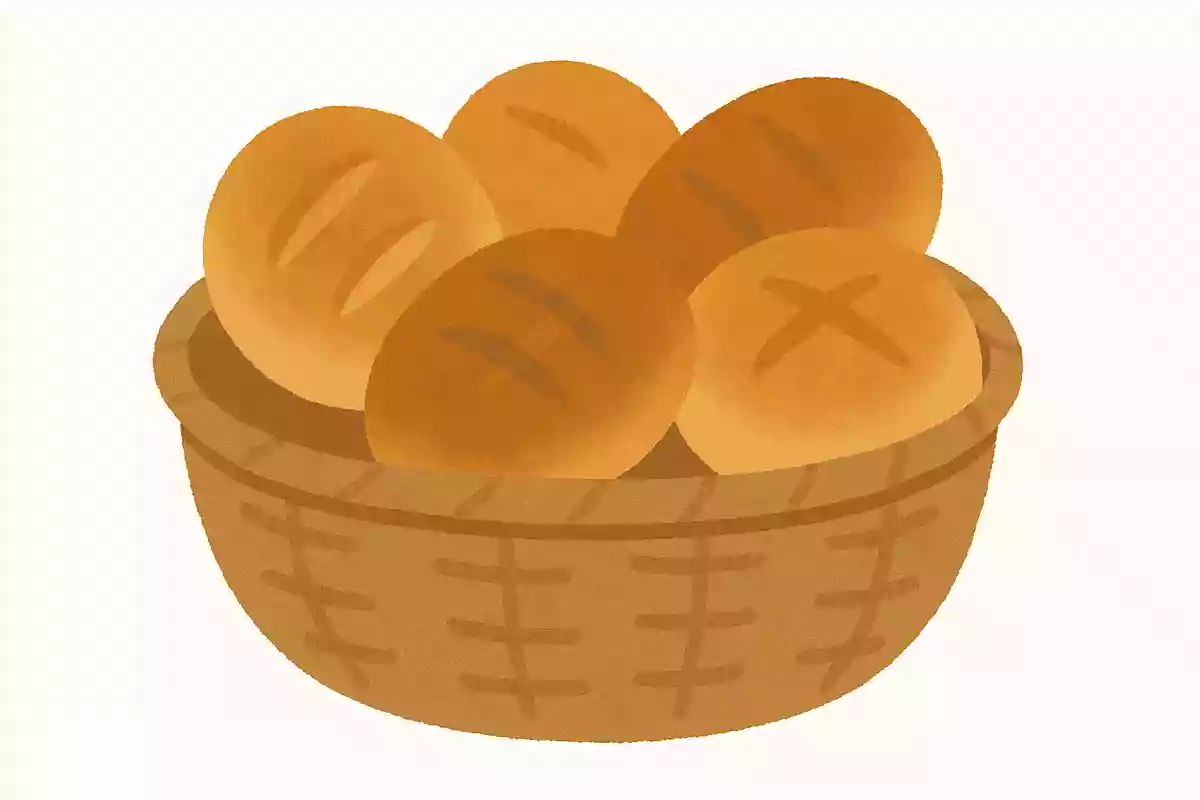
There are 3 pieces of bread in the basket, and then 3 more are added. How many pieces of bread are in the basket?
See the answer
3 pieces
In this riddle, interpret the “another three” as being on a plate rather than in the basket. If there are three in the basket and three on the plate, then there are only three breads in the basket. The key to finding the answer is not to be misled by the hiragana!
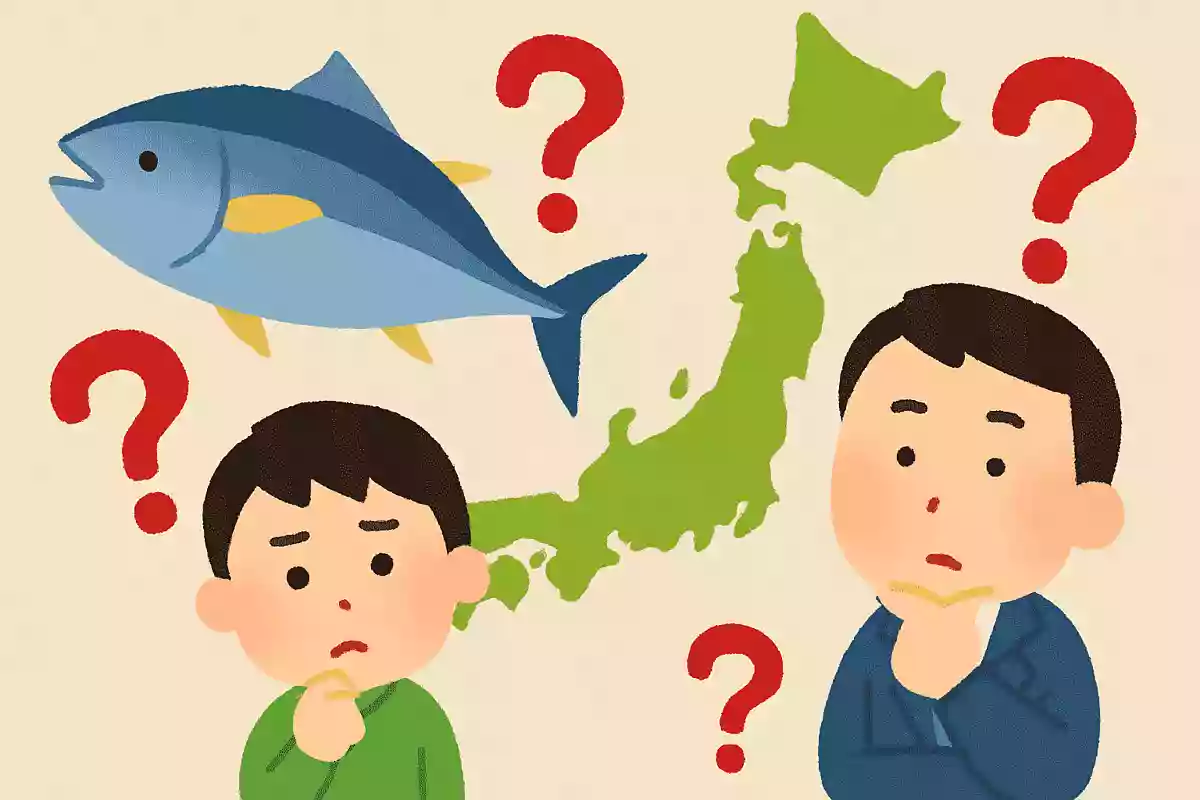
Where in Japan catches the most tuna?
See the answer
sea
This isn’t a question about which prefecture or municipality catches the most tuna; the answer is simply “the sea.” If you overthink it, you might have a hard time arriving at the answer. Try thinking more simply and easily!