

Japanese Shoka, Children's Songs, and Nursery Rhymes | Timeless masterpieces that resonate in the heart, passed down across generations

Do you ever recall the nursery rhymes and children’s songs you sang with family and friends when you were little? The nostalgic songs—including the Monbushō shōka (Ministry of Education songs)—are treasures of Japan that have been passed down across generations.
Still, there are times when you remember a title but can’t recall the lyrics, or you know the melody but can’t remember the title.
In this article, we’ll introduce a wide range of shōka, nursery rhymes, and traditional children’s songs that everyone has heard at least once.
As you listen to those nostalgic voices, try humming along with someone dear to you.
- Nostalgic Children’s Songs, Folk Songs, and Nursery Rhymes: The Heart of Japan Passed Down Through Song
- Popular Song Rankings of Monbusho Shoka [2026]
- Ranking of Popular Children's Songs [2026]
- [Japanese Folk and Regional Songs] A Collection of Beloved Masterpieces from Across Japan, Brimming with Local Pride
- [Warabe-uta] Beloved Classic Songs Passed Down Through Generations
- [Minna no Uta] Beloved Across Generations: Nostalgic Classics and Popular Songs
- [Japanese Children's Songs] Carefully selected timeless masterpieces loved across generations!
- Nursery rhymes you’ll want to sing at karaoke: classic and popular songs everyone can enjoy together.
- [Preschool] Recommended choral pieces for 3-year-olds
- Japanese counting songs: nostalgic temari (handball) songs and children’s folk songs
- [Children's Songs] Cute songs recommended for childcare. List of popular nursery rhymes.
- List of seasonal songs: a classic guide to finding tracks that fit the current season
- A Nationwide Compilation of Timelessly Beloved Railway Songs
Japanese Songs: Shoka, Children's Songs, and Nursery Rhymes — Timeless Classics Passed Down Across Generations That Resonate in the Heart (41–50)
Brr, it’s so cold.

A nursery rhyme known for its catchy phrases.
It’s also a round that can be sung in canon partway through, making it fun for multiple people.
Great to sing alone, with friends, or with family.
As the title suggests, it’s a winter song, so why not sing it together during the colder season?

Japanese Children’s Songs and Nursery Rhymes | Timeless, Heartwarming Classics Passed Down Across Generations (51–60)
Tanuki of Fist Mountain

Some of you may only know the song, while others might have learned it together with the choreography, right? You play rock-paper-scissors at the end of the song, which makes it fun and game-like.
The choreography is made to match the lyrics, so it’s easy to remember and a great song to use in recreational activities.
Horsetail shoots are poking up.

A masterpiece of children’s song that lets you feel the breath of nature.
Within its simple wordplay, it deftly weaves in the moment when plants sprout, offering the delight of a stroll through spring fields and hills.
More than lofty musical artistry, it’s the easy singability that has kept it beloved for many years.
It’s also enjoyed with hand motions and is widely used in early childhood education settings.
This work beautifully expresses the Japanese sense of the seasons and a heartfelt reverence for nature, making it enjoyable across generations, from children to adults.
Why not sing it together with family and friends, feeling the arrival of a nature-rich spring?
Hana Ichi Monme

Hanachimonme is a game that everyone has played at least once in childhood.
There’s even a rumor that it’s actually a very scary song, which adds to its mysterious charm.
It’s also interesting that the lyrics vary slightly by region.
What happens when people from different regions play it together?
Come, firefly

A traditional children’s song that conveys the beauty of Japan’s nature to kids.
It expresses the glow of fireflies dancing in the summer night sky with a gentle melody and catchy calls.
The calls are memorable, and it’s a song that can also be enjoyed as a round.
Perfect for singing together during Bon dances or on cool summer evenings.
Why not spend some time feeling the changing seasons and connecting with the heart of Japan through this song? Singing it with family and friends will make for wonderful summer memories.
village festival
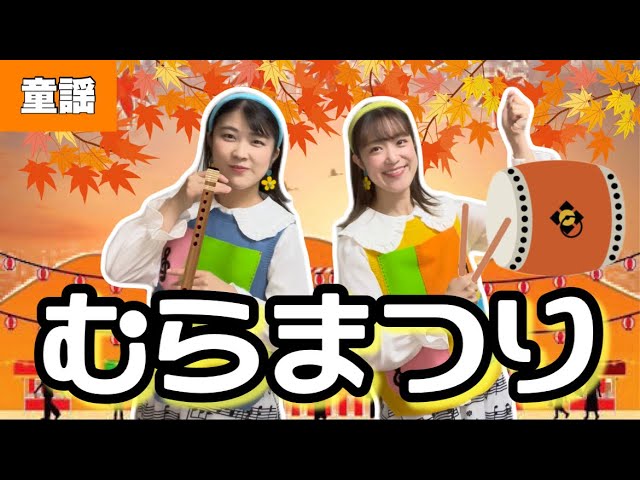
A school song characterized by lighthearted, joyful festival music.
First included in an elementary school music textbook in 1912, it has long been loved and sung across the country.
Although it’s an exciting and delightful song, it has unfortunately been disappearing from textbooks in recent years because, with municipal mergers and the like, villages are no longer a familiar part of everyday life.
rainfall
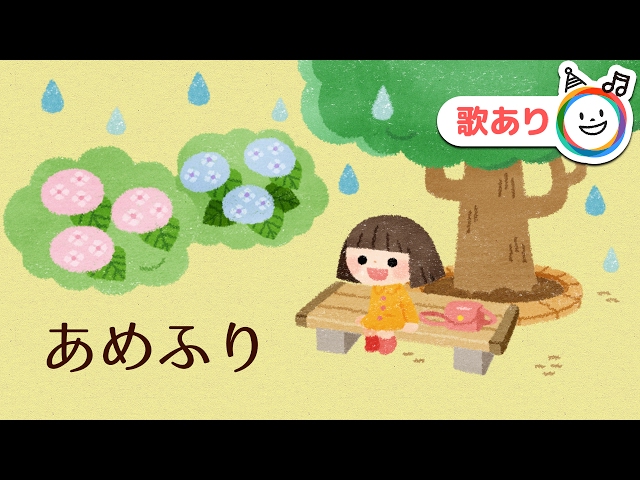
It’s a cheerful song about a mother coming to pick up her child, who is waiting in the rain after forgetting their umbrella.
“Janome” refers to a janome-gasa, a type of umbrella that has been used since the Edo period; the fact that the song was released in the Taisho era shows that this kind of umbrella was still in use at the time.