

Grieg’s Masterpieces and Popular Works: Pieces That Evoke the Nature of Norway

Edvard Grieg, who drew inspiration from Norwegian folk music, gained recognition as a composer of the national romantic school.
He left behind numerous masterpieces, and his name has continued to resonate long after his death.
Many of Grieg’s works are beautiful pieces that evoke Norway’s rich natural landscapes.
In this article, we introduce some of Grieg’s famous and popular works.
From piano pieces and songs to orchestral and wind band music, his output spans many genres.
Whether you’re familiar with classical music or not, we encourage you to experience his music at least once!
- [Masterpiece Classics] A special showcase of gem-like masterpieces so beautiful they’ll move you to tears
- [Morning Songs] Masterpieces themed around morning. Popular songs.
- Highlighting the masterpieces and popular works of Mikhail Glinka, the pioneering composer of Russian music
- Elgar’s masterpiece. Popular classical music.
- Masterpieces that sing of the stars. Star songs that resonate in the heart, best heard beneath the night sky.
- A masterpiece by Richard Wagner. Popular classical music.
- Recommended for advanced players: Classical masterpieces to challenge at a piano recital
- Handel’s Masterpieces | A Comprehensive Introduction to His Popular Works
- Mendelssohn’s Masterpieces | Popular Classical Music
- Gabriel Fauré | Introduction to His Famous and Representative Works
- Song of the Wind: A masterpiece themed around the wind. Popular songs [2026]
- Masterpieces by Gustav Mahler. Popular classical music.
- Mussorgsky’s masterpiece. Popular classical music.
Grieg’s Masterpieces and Popular Works: Pieces That Evoke the Nature of Norway (11–20)
Two Norwegian Melodies, Op. 63Edvard Grieg

A work that expresses Norway’s rich nature and culture through music.
It consists of two movements for string orchestra and skillfully weaves in folk-song and dance melodies.
The first movement unfolds a wistful theme through five variations that build gradually in intensity.
The second contrasts a pastoral “cow-calling song” with a lively “stamping dance,” vividly evoking Norwegian landscapes and everyday life.
Composed in 1895, this masterpiece reflects Grieg’s deep affection for folk music.
It’s recommended for anyone interested in Norway’s nature and culture or those who want to enjoy the heartwarming sonorities of strings.
Cello Sonata in A minorEdvard Grieg
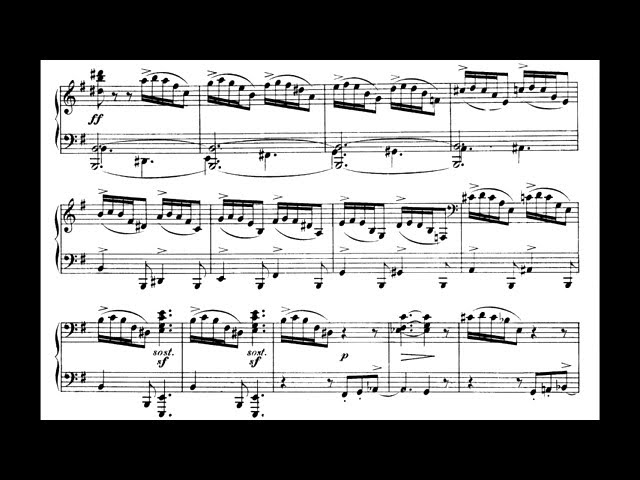
Grieg’s only cello sonata, written for his brother John.
Structured in three movements, it is notable for its rich expressiveness and emotive melodies.
The first movement is intense and passionate, the second is calm and beautiful, and the third conveys the vitality of Norwegian folk dance.
It is a work in which the musical character evocative of Grieg’s native Norway’s nature and landscapes is splendidly fused with the influence of German Romanticism.
Premiered in Dresden in October 1883, with Grieg himself at the piano.
The profound emotion born from the dialogue between cello and piano resonates deeply with listeners.
Highly recommended for those who want to feel the spirit and character of Norway.
Norwegian Dances, Op. 35Edvard Grieg

Norwegian Dances consists of four short pieces.
It was originally composed for piano four hands, but it is now performed by orchestra.
The opening is played with strong, intricate rhythms, while from the middle section onward the piece’s atmosphere changes, led by the soft timbre of the bassoon.
Funeral March in Memory of Rikard Nordraak, EG 107Edvard Grieg
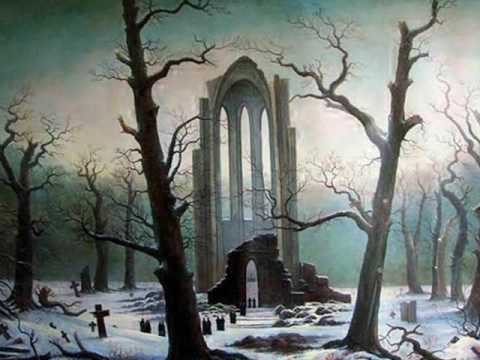
While taking the form of a funeral march, this work deftly incorporates elements of Norwegian folk music.
It consists of a weighty main section in B-flat minor and a contrasting middle section in the major key, and is characterized by Norwegian-style melodies.
The deep sorrow at the untimely death of a close friend and the respect paid to him imbue the piece with a moving quality that resonates with listeners.
Grieg himself held the work in very high esteem and wished for it to be performed at his own funeral.
It is highly recommended for those interested in music that evokes Norway’s rugged nature and national character.
Mountain Girl, Op. 67Edvard Grieg

Incorporating Norwegian folk music, this work is an eight-song cycle that portrays the love and heartbreak of Veslemøy, a shepherd girl.
Often described as a female counterpart to Schubert’s Die schöne Müllerin, it offers a unique allure as a love story told from a woman’s perspective.
It delicately expresses the girl’s inner feelings—her imaginings on the blueberry hill, her encounter with a young man, and her longing for purification of the heart.
Richly imbued with Nordic nature and mysticism, it is known as a masterpiece representative of Grieg’s nationalist style.
Highly recommended for those interested in Nordic landscapes and culture, and for anyone who wants to savor the subtleties of human emotion through music.
Lyric Pieces “March of the Trolls,” Op. 54 No. 3Edvard Grieg

A piece depicting a procession of trolls, the fairies that appear in Norwegian legends.
Composed and published in 1891, it is characterized by a lively, dynamic rhythm and distinctive harmonic progressions.
The staccato theme at the opening evokes the trolls’ footsteps, while the middle section shifts the mood entirely, unfolding a melody full of charm and brilliance.
This contrast lends the entire work a rich expressiveness.
With warmth and melody that conjure images of Norway’s rugged nature and fjords, it vividly sparks the listener’s imagination.
Highly recommended for those interested in the mystical atmosphere of the Nordic lands and music rich in folk color.
Grieg’s Masterpieces and Popular Works: Pieces That Evoke the Nature of Norway (21–30)
Lyric Suite, Op. 54Edvard Grieg

Grieg’s Lyric Suite consists of four movements, each with its own distinctive atmosphere.
Completed in 1904, the suite is an arrangement of four pieces selected from Grieg’s Lyric Pieces for piano, and it conveys his affection for his homeland.
The pastoral scene of a shepherd boy, the robust march of peasants, a tranquil night landscape, and the lively procession of elves are all vividly portrayed through rich orchestration.
It’s a perfect recommendation for those interested in Norwegian landscapes and folklore, or for anyone seeking heartwarming melodies.