

[For Seniors] Never Run Out of Conversation Starters! A Collection of Fun Facts About April and Spring


Spring gradually gets warmer, which means more chances to go out, doesn’t it?
Some older adults who took a break during the cold season may start going to day services or senior facilities again.
At such times, you might worry about running out of conversation topics.
In this article, we’ll introduce trivia related to April.
By weaving spring-themed trivia into your conversations, you can enjoy more lively and engaging communication with older adults.
It also helps with brain training, so be sure to incorporate it actively!
- [For Seniors] Fun and Informative! Trivia and Quizzes Introduced
- [For Seniors] Quizzes related to April. Perfect for brain training.
- [For Seniors] February Trivia: Useful Knowledge
- [For Seniors] Introducing March Trivia!
- [For Seniors] Spring-themed quizzes: Fun trivia questions that help prevent dementia while you solve them
- [For Seniors] Enjoy a Warm Spring! April Health Topics Roundup
- [For Seniors] Haiku for March: Enjoying a Spring Moment with Famous Verses
- [For Seniors] Make an April Calendar: Fun Ideas to Brighten Your Mood
- [For Seniors] Making a March Calendar: Introducing Spring-Themed Motifs and Arrangements
- [For Seniors] Trivia Multiple-Choice Quiz
- [For Seniors] Introducing trivia related to May!
- [3-Choice Quiz] Cherry Blossom Trivia You'll Want to Share with Someone
- [For Seniors] Classic spring songs to sing in April: A heartwarming moment with nostalgic children’s songs and kayōkyoku (Japanese popular songs)
For Seniors: Never Run Out of Conversation Starters! Trivia About April and Spring (11–20)
The cherry blossom variety that bears cherries is the ‘sweet cherry’ (Prunus avium).
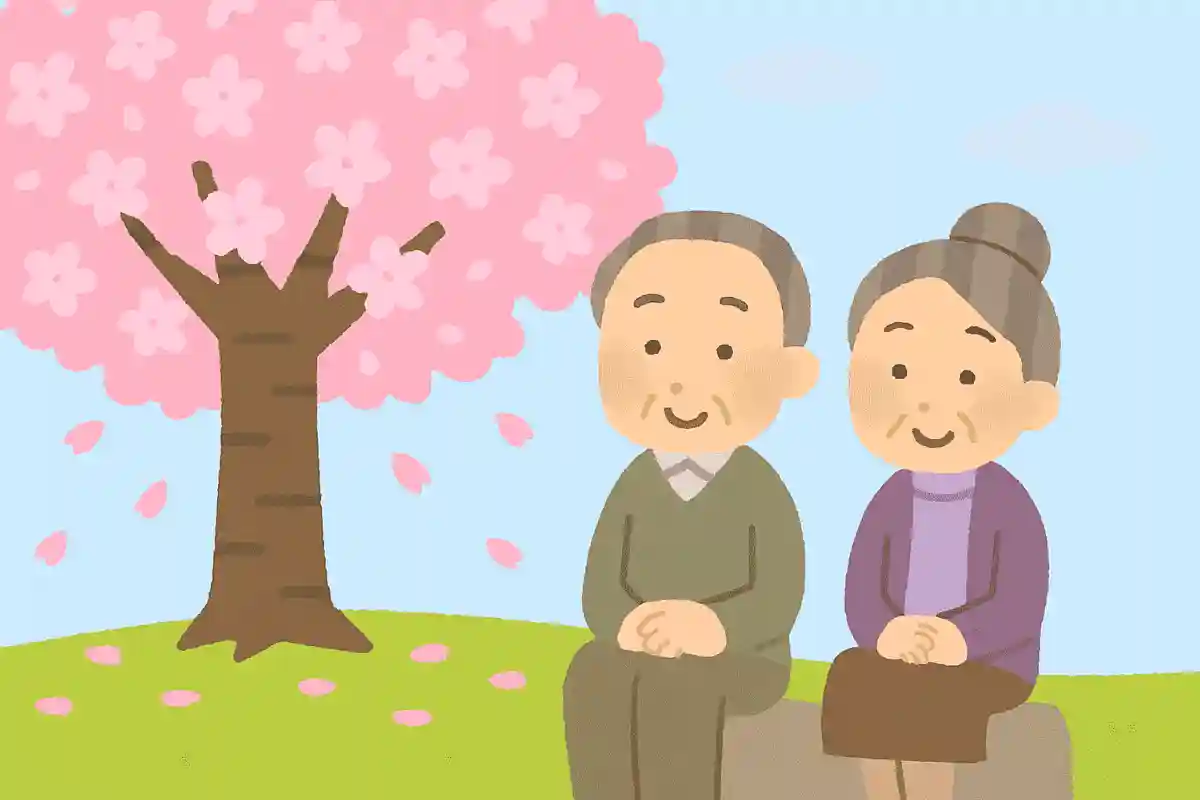
Cherry blossoms, known as a symbol of spring.
When cherry-blossom viewing season arrives, more people head out to see them.
Beloved as they are, did you know there’s a variety that bears cherries, called the sweet cherry (Prunus avium)? After the blossoms fall, the fruit typically ripens around June to July.
It’s fascinating that cherries come from cherry trees, and it’s delightful that we can enjoy them both by looking and by eating.
Among older adults, some may even remember going cherry picking as a childhood treat.

About 20% of elementary school students wear uniforms.
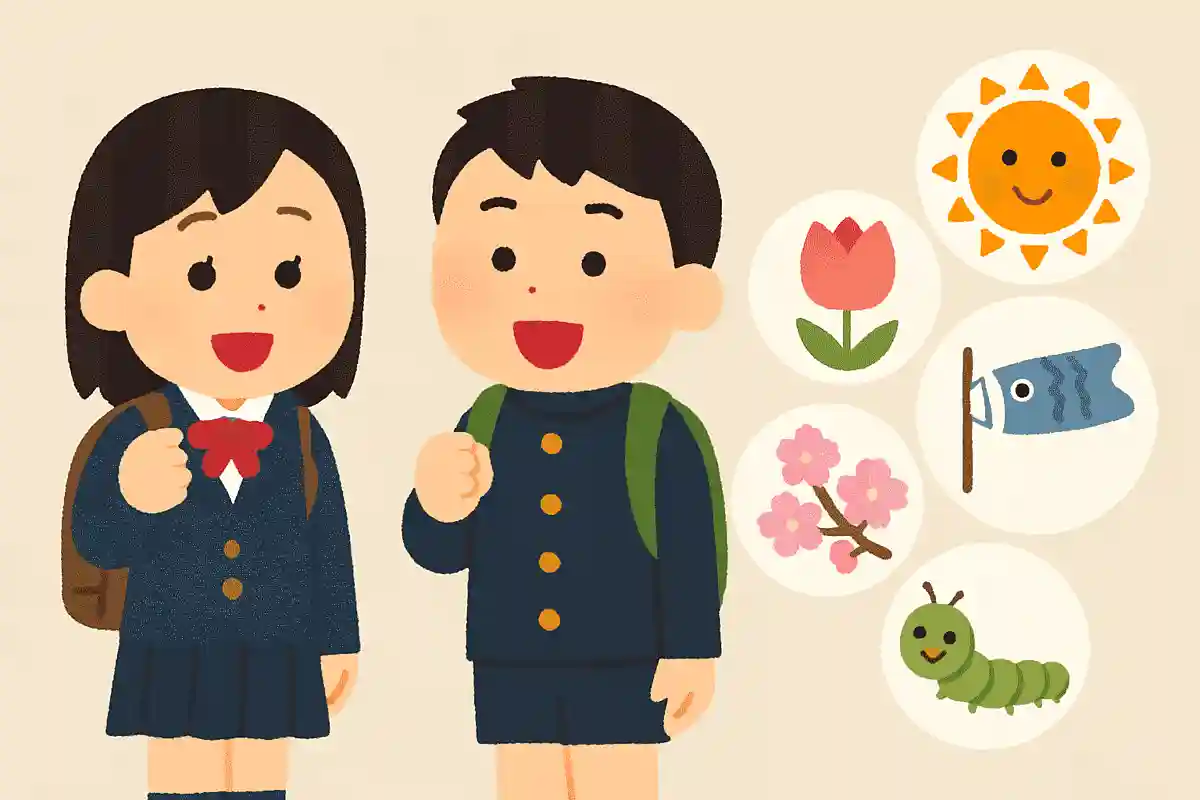
It’s said that about 20% of elementary school students wear uniforms.
The wearing rate varies by region, with higher rates in western Japan, Shikoku, and the Chugoku region.
Some parents point out benefits of having uniforms, such as not having to worry about what to wear and avoiding differences caused by casual clothes.
However, since elementary school children are in a period of rapid growth, uniforms can quickly become too small.
Replacing them can also be costly.
Incidentally, uniforms were introduced in elementary schools during the Meiji era.
The topic of uniforms also seems likely to lead into discussions with older adults about what they wore in their own elementary school days.

There’s an unusual surname that’s written with the characters for April 1st but read as “Watanuki.”
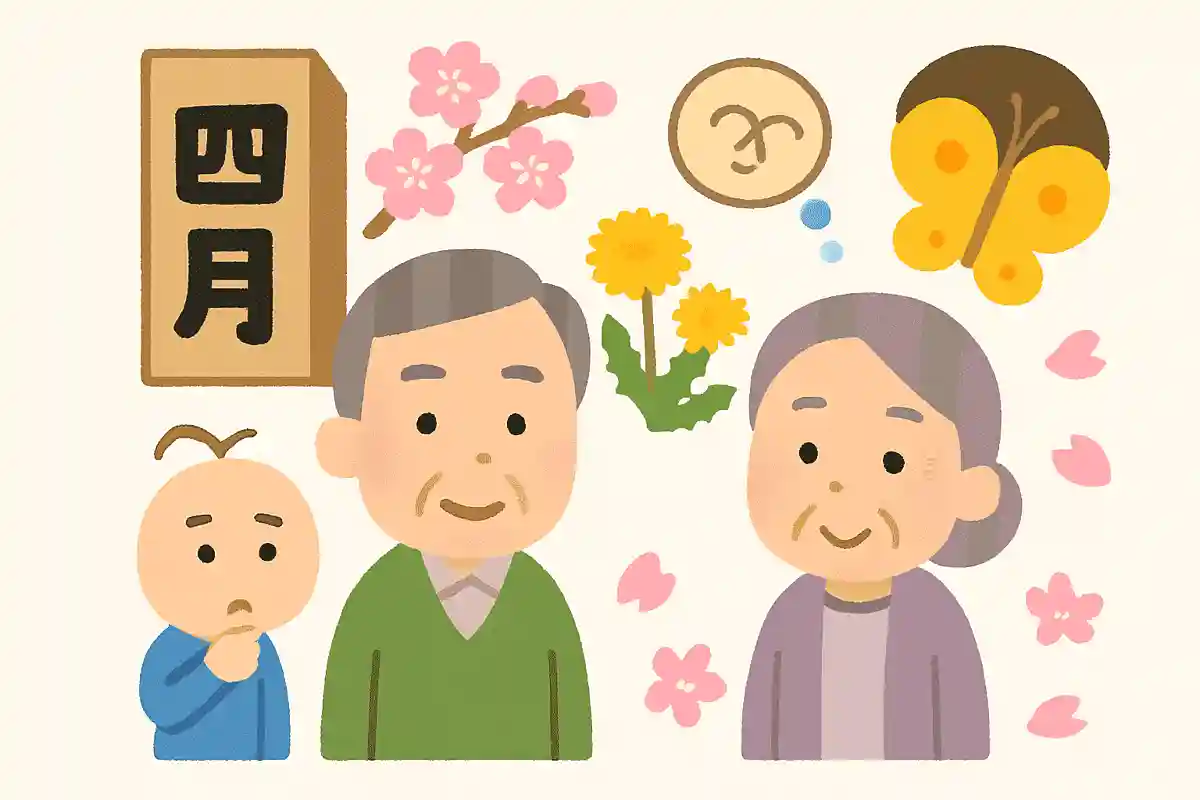
When April comes, we often get a spell of pleasantly warm weather, don’t we? So here are some fun facts related to the springtime mood.
There are people whose surname is written with the characters for “April 1” (四月一日) and read as Watanuki.
It’s an unusual surname, but it has an origin that’s very fitting for April.
As it gets warmer in April, people used to switch from winter kimono padded with cotton to ones with the cotton removed.
Because the cotton (wata) was taken out (nuku) on April 1, the name became Watanuki.
Japan has many other rare surnames as well.
It might be fun to look for them together with older people.
Cherry blossoms are actually in the rose family.
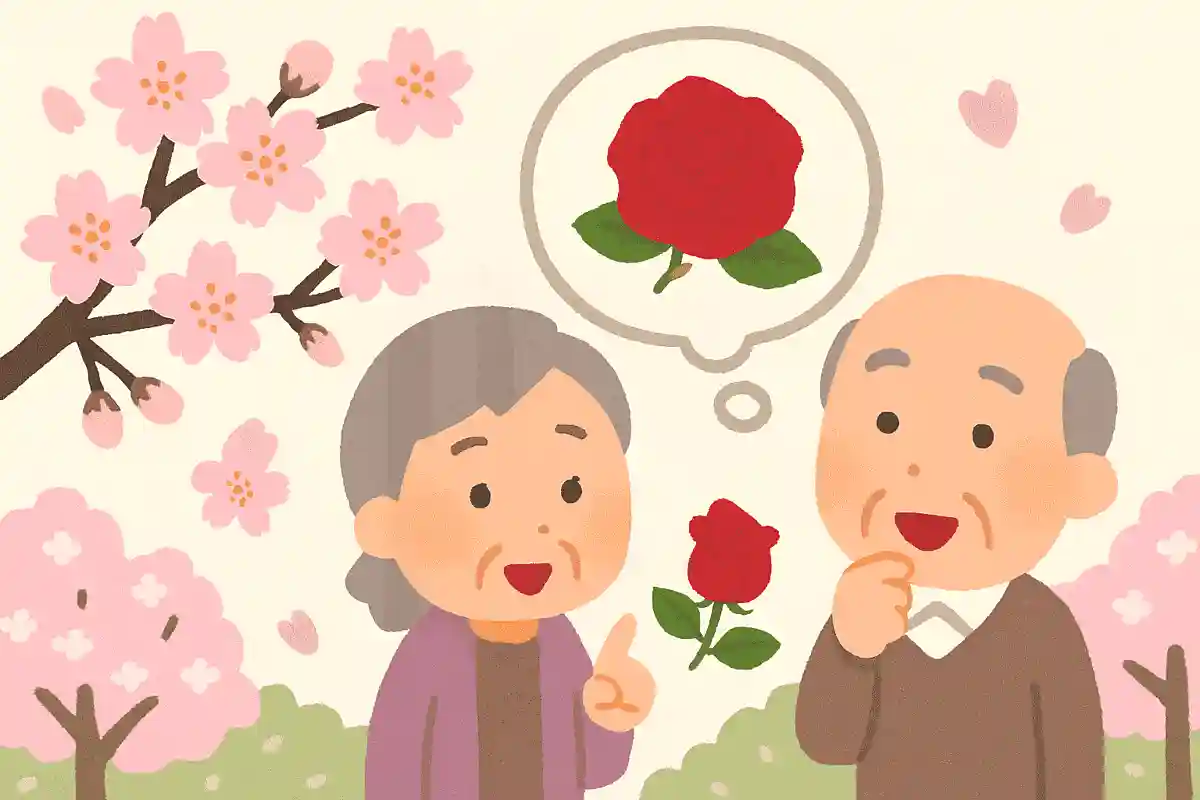
It’s surprising to hear that cherry blossoms belong to the rose family, isn’t it? After all, they look completely different.
But those who know the wild species of roses would understand.
In Japan, the famous native species is the flower called ‘nobara’ (wild rose), which has only five petals and actually resembles cherry blossoms more.
The roses with many petals that most people are familiar with are largely the result of selective breeding.
Wild roses can be found in the fields and mountains of Japan, so if you’re an older rose enthusiast, do try looking for them sometime.
Pollen is said to travel up to 600 meters high.
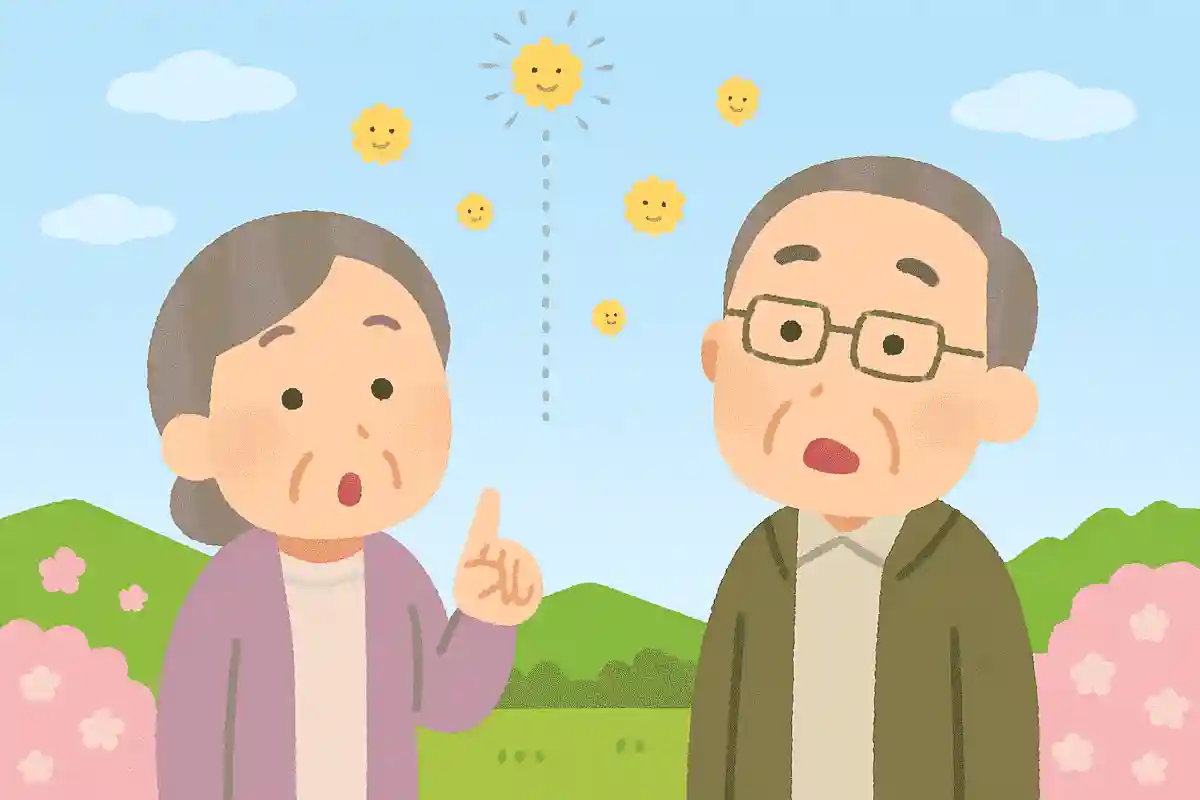
For those with hay fever, symptoms tend to get worse as spring approaches.
Since pollen already starts to scatter around February, many people visit the hospital as early as January.
Here are some fun facts about pollen.
Believe it or not, pollen is said to travel up to 600 meters high.
It’s hard to picture 600 meters, but the Tokyo Skytree is 634 meters tall.
Surprising, isn’t it? In other words, pollen can reach people living on high floors as well.
A single strawberry has 200 seeds.
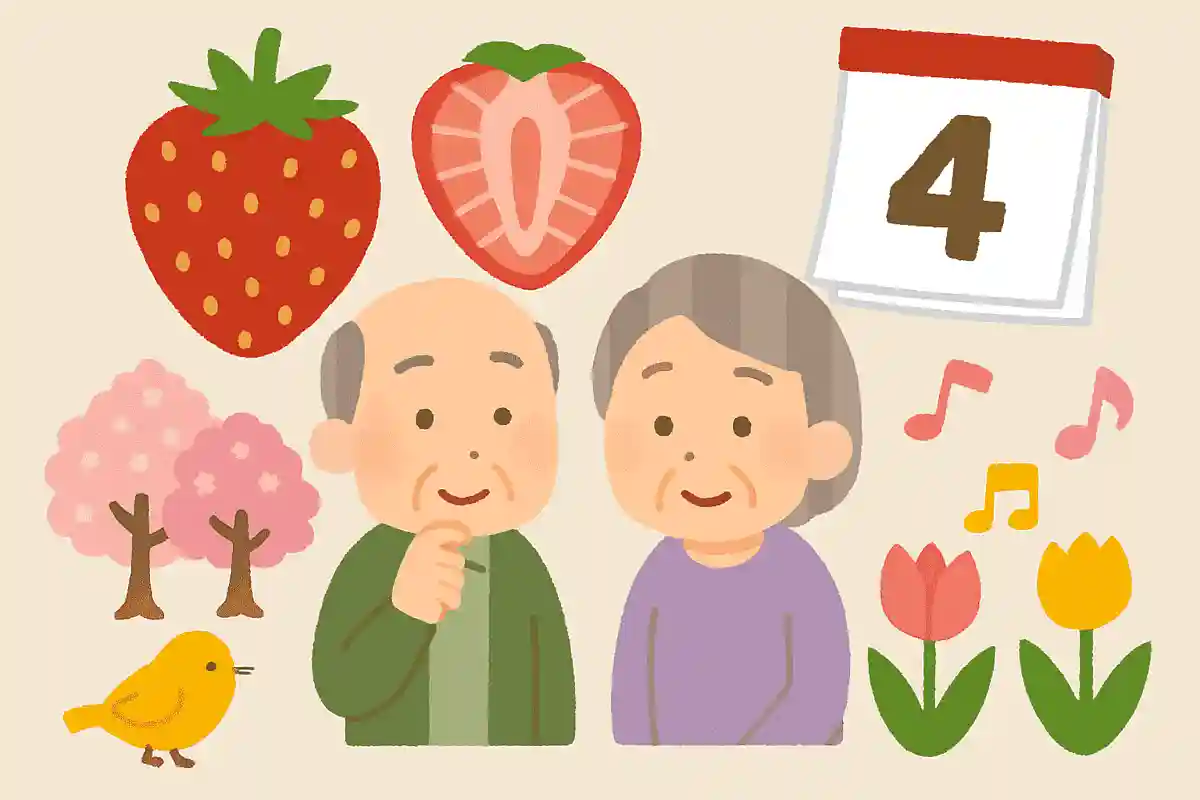
When we think of fruits that symbolize spring, strawberries are one of them.
Take a bite of a strawberry and you’ll notice its juicy flesh and sweet-tart flavor.
Do you also feel the little bumps in your mouth? Many people might think, “Are those seeds?” but it turns out they’re not.
In fact, those bumps are the actual fruits, and the seeds are inside them.
It’s said that a single strawberry has about 200 to 300 of these bumps.
That means the sweet-and-tart part we usually eat is what’s called an aggregate fruit, made up of 200 to 300 tiny fruits.
Strawberries may also be used for spring snack-time activities with seniors.
Sharing these fun strawberry facts could make those snack sessions even more enjoyable.
For Seniors: Never Run Out of Conversation Starters! Trivia About April and Spring (21–30)
Spring Plant Quiz

When it comes to flower names, we can quickly recognize the ones we often see or that are famous, but the less common ones can be hard to identify—especially if it’s just a photo of a bud.
Here’s a quiz where you try to guess the names of such flowers.
Each question is multiple choice with three options, and all of them sound plausible, so it can be tricky.
Don’t worry about getting answers wrong—just keep tackling the questions with the goal of learning more.
Trying to remember and expanding your knowledge is one of life’s joys, so please keep that spirit no matter how old you are.
