

[For Seniors] Never Run Out of Conversation Starters! A Collection of Fun Facts About April and Spring


Spring gradually gets warmer, which means more chances to go out, doesn’t it?
Some older adults who took a break during the cold season may start going to day services or senior facilities again.
At such times, you might worry about running out of conversation topics.
In this article, we’ll introduce trivia related to April.
By weaving spring-themed trivia into your conversations, you can enjoy more lively and engaging communication with older adults.
It also helps with brain training, so be sure to incorporate it actively!
- [For Seniors] Fun and Informative! Trivia and Quizzes Introduced
- [For Seniors] Quizzes related to April. Perfect for brain training.
- [For Seniors] February Trivia: Useful Knowledge
- [For Seniors] Introducing March Trivia!
- [For Seniors] Spring-themed quizzes: Fun trivia questions that help prevent dementia while you solve them
- [For Seniors] Enjoy a Warm Spring! April Health Topics Roundup
- [For Seniors] Haiku for March: Enjoying a Spring Moment with Famous Verses
- [For Seniors] Make an April Calendar: Fun Ideas to Brighten Your Mood
- [For Seniors] Making a March Calendar: Introducing Spring-Themed Motifs and Arrangements
- [For Seniors] Trivia Multiple-Choice Quiz
- [For Seniors] Introducing trivia related to May!
- [3-Choice Quiz] Cherry Blossom Trivia You'll Want to Share with Someone
- [For Seniors] Classic spring songs to sing in April: A heartwarming moment with nostalgic children’s songs and kayōkyoku (Japanese popular songs)
For Seniors: Never Run Out of Conversation Starters! Trivia About April and Spring (21–30)
April Fools’ Day, taken literally, is “April fool.”
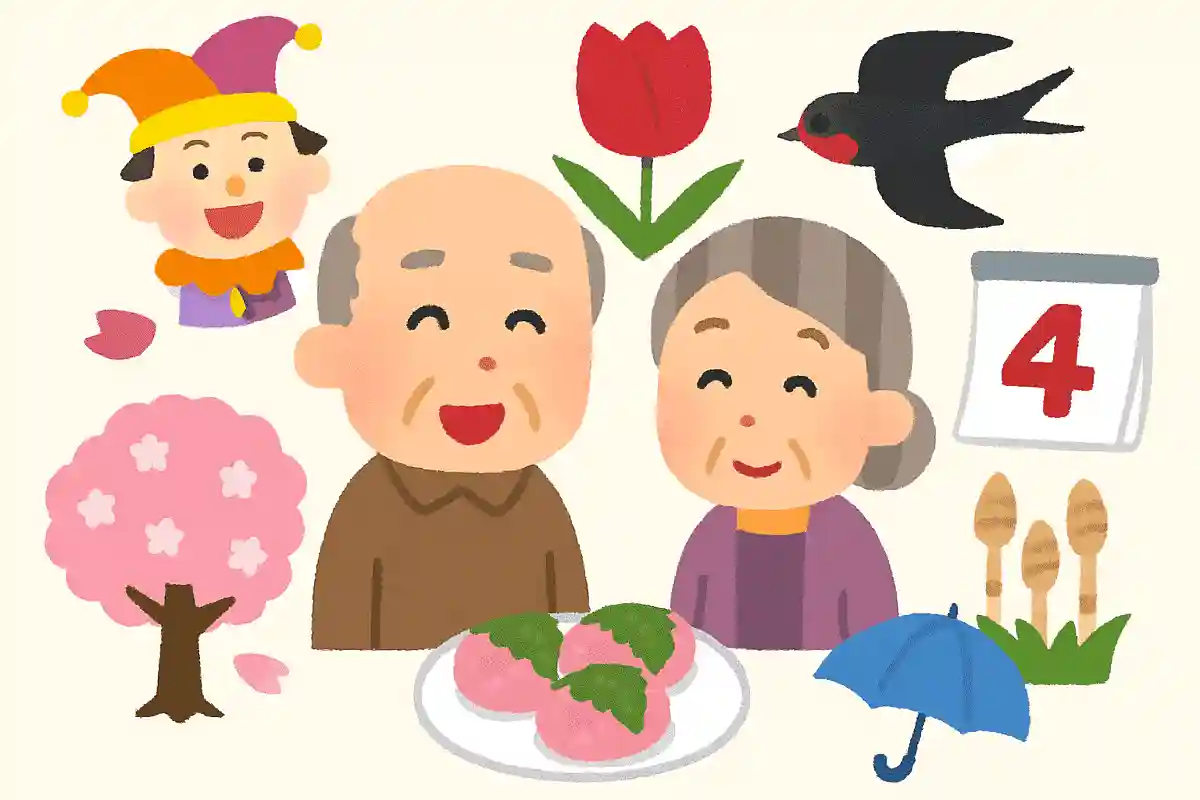
April 1 is April Fools’ Day, a day widely recognized as one when telling lies is forgiven.
Haven’t you told a lie on this day at least once yourself? By the way, did you know that the literal translation of “April Fools’ Day” into Japanese is “April fool” (shigatsu-baka)? April Fools’ Day became popular in Japan during the Taisho era, and at that time the term “shigatsu-baka” was apparently used.
April Fools’ is a fun occasion, but lies that hurt others are a no-go! Make sure your fibs are playful ones that entertain someone!

Sakura-dai refers to red sea bream caught between March and April.
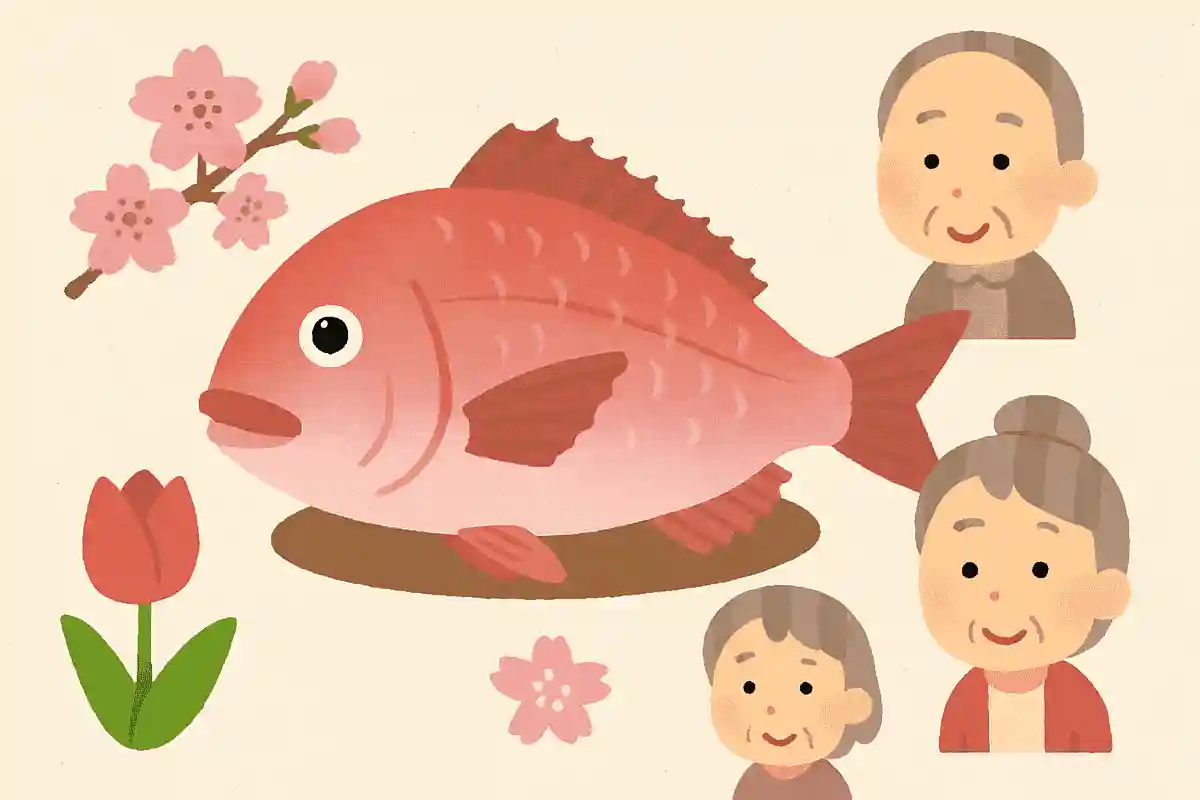
Sea bream caught from March to May is called “sakura-dai,” or cherry-blossom sea bream.
It’s said to be named that because, during this season, patterns resembling cherry blossoms appear on its body.
Incidentally, sea bream in autumn is called “momiji-dai,” or maple sea bream.
Sakura-dai has springy flesh and rich fat, making it very delicious.
Since sea bream is also considered an auspicious fish often served at celebratory occasions, why not try sakura-dai in April? A tip for choosing good sakura-dai is to pick younger fish that weigh under one kilogram.
The emergence of swallowtail butterflies can only be observed in the early morning.
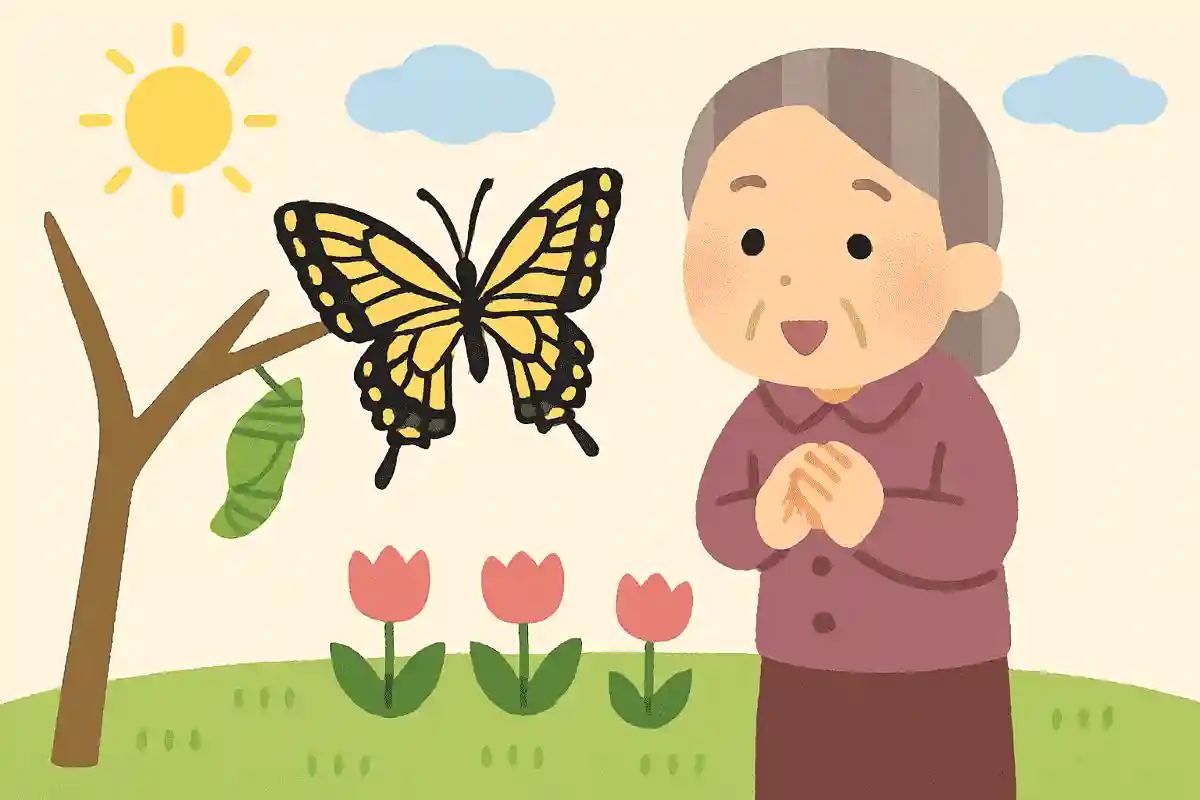
Swallowtail butterflies start to appear in spring.
Some older folks may even remember finding a chrysalis as a child and watching it emerge.
Here’s a bit of trivia about their emergence: it’s said that many swallowtails emerge in the early morning.
There isn’t solid scientific evidence for this—there are various theories, such as light levels or sensing temperature changes—but it seems that many wild swallowtails do emerge early in the day.
If you find a chrysalis in early spring, why not see for yourself?
In India, the school entrance ceremony is held in April, just like in Japan.
In Japan, it’s taken for granted that the school year starts in April, but globally September enrollment is the norm, and April starts are actually rather unusual.
Back in the Meiji era, Japan also began the school year in September, but it changed to April to align with the national fiscal year.
Interestingly, India also starts in April like Japan.
There are countries that begin in January or October, too.
Even though September is mainstream, it really varies by country, which is pretty interesting.
It might be fun to turn the enrollment seasons of different countries into a quiz.
Spring Flower Quiz 2

Spring is the season when it gets warmer and animals and plants become more active, and there are flowers you often see around this time.
This is a quiz that tests how many spring-blooming plants you know by having you identify their names from photos.
Even for flowers you always see in that season, there may be some whose names you’ve never really paid attention to.
In such cases, use hints—like fill-in-the-blank names—to think them through carefully and turn it into an opportunity to gain new knowledge.

Strawberry Quiz

Strawberries are a familiar food, but you might be surprised by how much we don’t actually know about them.
For instance, trivia questions often point out that strawberries began to be eaten in Japan toward the end of the Edo period, that each tiny seed-like speck on the surface is actually an individual fruit, and that strawberries are technically vegetables rather than fruits.
There are lots of surprising facts.
Try this quiz and expand your strawberry trivia.
Absorbing all kinds of knowledge might help you stay youthful.

Sakura Quiz

When it comes to flowers that symbolize spring, cherry blossoms are the first that come to mind—their beauty evokes a sense of Japanese tradition.
This content invites you to take on a quiz about cherry blossoms, which are strongly associated with the image of spring in Japan, to deepen your interest in the season even further.
In Japan, cherry blossoms are used as motifs in many places, so a wide range of quiz genres seems possible.
By deepening your knowledge about cherry blossoms, you’ll also feel more inspired to go outside and see them in bloom.