

[Recommended for Seniors] Simple and Fun Gesture Game Prompts


Charades is a classic recreational activity that overflows with smiles.
Seniors can come up with the prompts, or you can have participants answer prompts provided by staff.
Carefully observing one another and communicating through gestures naturally brings out smiles and sparks conversation.
This time, we’re introducing easy-to-express prompts that are familiar to everyone—from “piano” and “sumo” to “radio calisthenics”—so they’re simple to act out and easy to guess.
Enjoy the delight when an answer is found and the creativity of conveying ideas, and savor a heartwarming moment together.
- [For Seniors] Easy and fun seated activities you can do in your room
- For seniors: Fun, crowd-pleasing word association game ideas
- [For Seniors] Simple Recreational Activities You Can Enjoy While Seated
- [For Seniors] Today’s Recommended Activity: Fun and Engaging
- Hand games that liven things up for seniors—also great brain training
- [For Seniors] Fun and Lively! Recommended Quiz Questions
- [For Seniors] Lively Wordplay Game: Fun Recreation for Elderly Care
- [For Seniors] Refresh Your Mood! Lively, Get-Moving Games
- [Can You Guess?] A Collection of Difficult Prompts for the Gesture Game
- Entertainment and Performances That Delight at Day Services for the Elderly
- For seniors: Fun shiritori—enjoyable and easy to play
- [For Seniors] Fun Recreational Activities Without Equipment
- [For Seniors] Recommended Handmade Activities! Simple Ideas
Simple Gestures (11–20)
drum
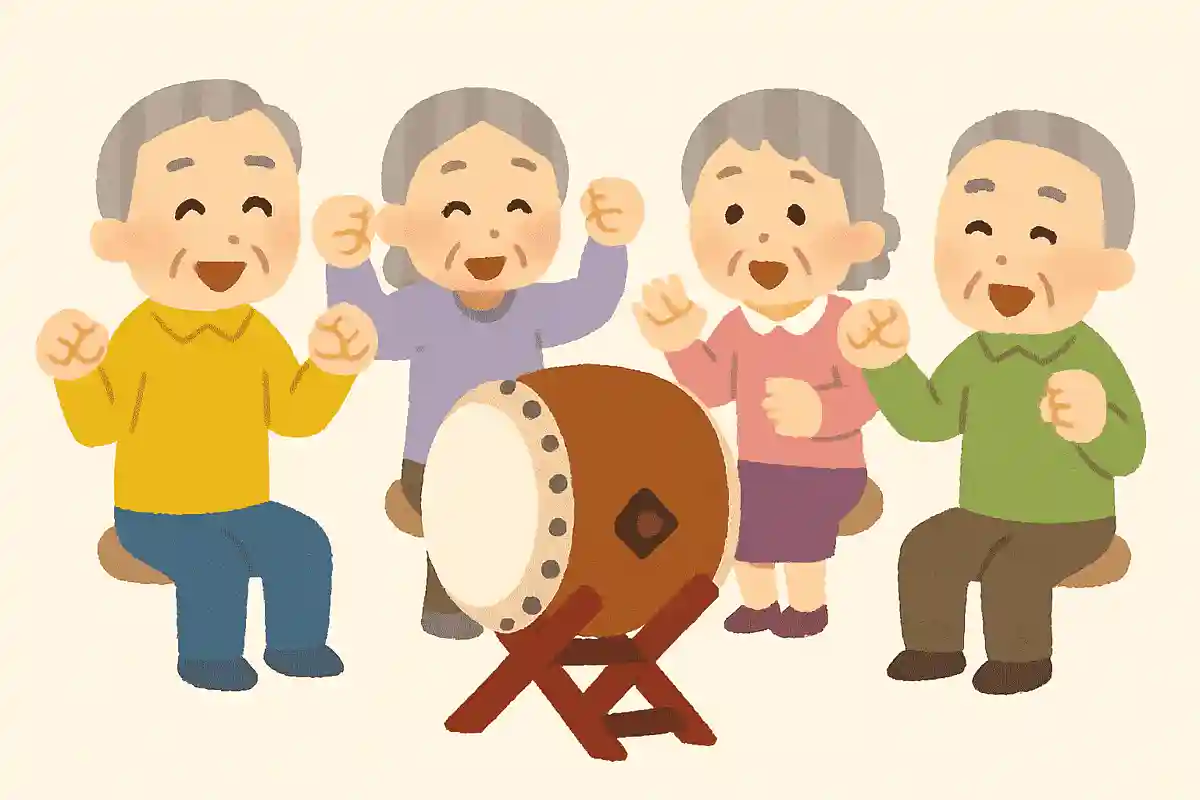
When it comes to taiko drums, you picture holding sticks in both hands and striking them with gusto; the key is how well you can convey that power.
Since taiko drums come in various sizes, it might also be good to show some variety by mimicking not only large drums but also the motions of playing smaller ones.
If you focus too much on sheer force, it might come across as an attack rather than a performance, so be mindful of that balance when planning your gestures.
Emphasizing keeping a rhythm rather than just delivering a single strong hit will likely make your intent clearer.

radio calisthenics
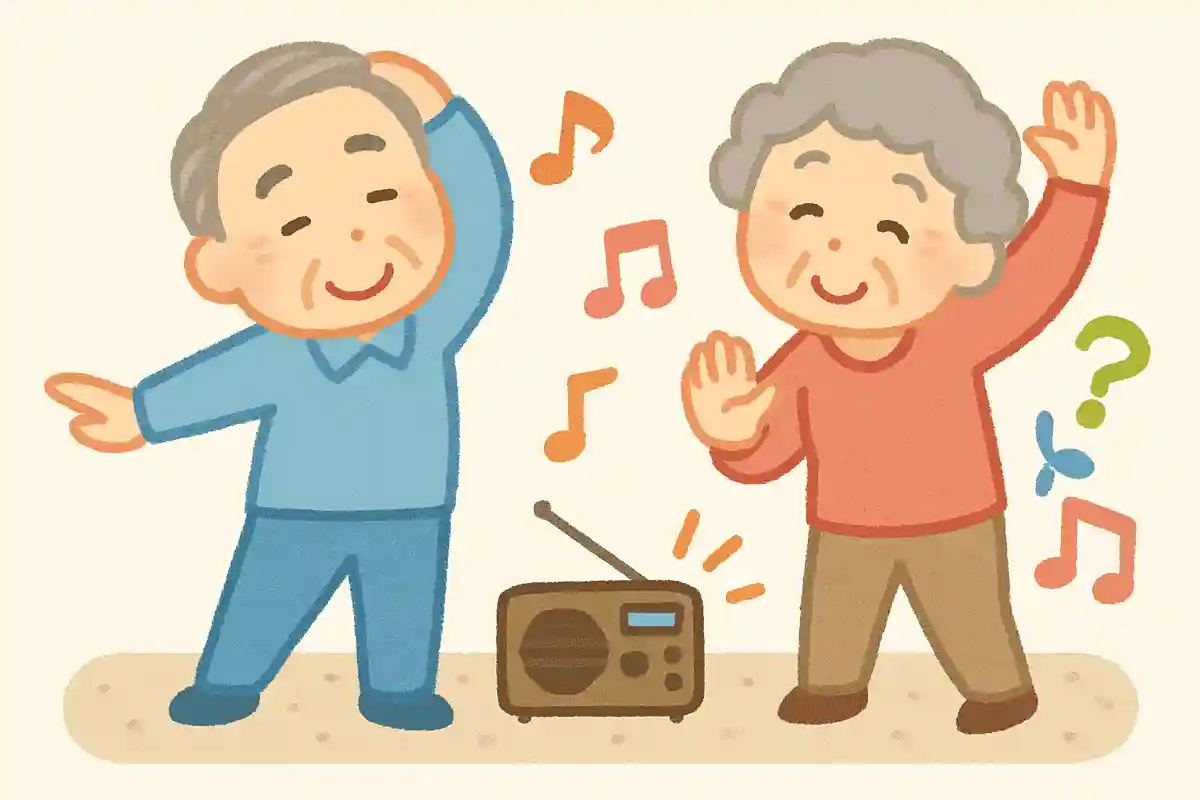
How about using “radio calisthenics,” a summer-vacation tradition that also helps you wake up in the morning, as the theme? The routine includes many distinctive movements, and since it’s something everyone has experienced, it should be an easy topic for people to guess.
You can show your individuality by choosing which parts to recreate, and the differences in what people focus on could make for lively conversation.
It’s a two-for-one topic: you can present it as a gesture quiz while also turning it into a full-body workout.
peach
A sweet and delicious peach.
Food gestures can feel challenging, but since peaches have a distinctive shape, they might be relatively easy to gesture.
Use big arm movements: show the slightly pointed top, then trace the round shape, and finally make sure to clearly indicate the crease.
It’s a food well known to older adults too, so if you express the shape clearly, they’ll likely get it right away.
Alternatively, you could have them imagine “peach” from a gesture for Momotaro.
Try it out while watching the responder’s reactions.

doctor
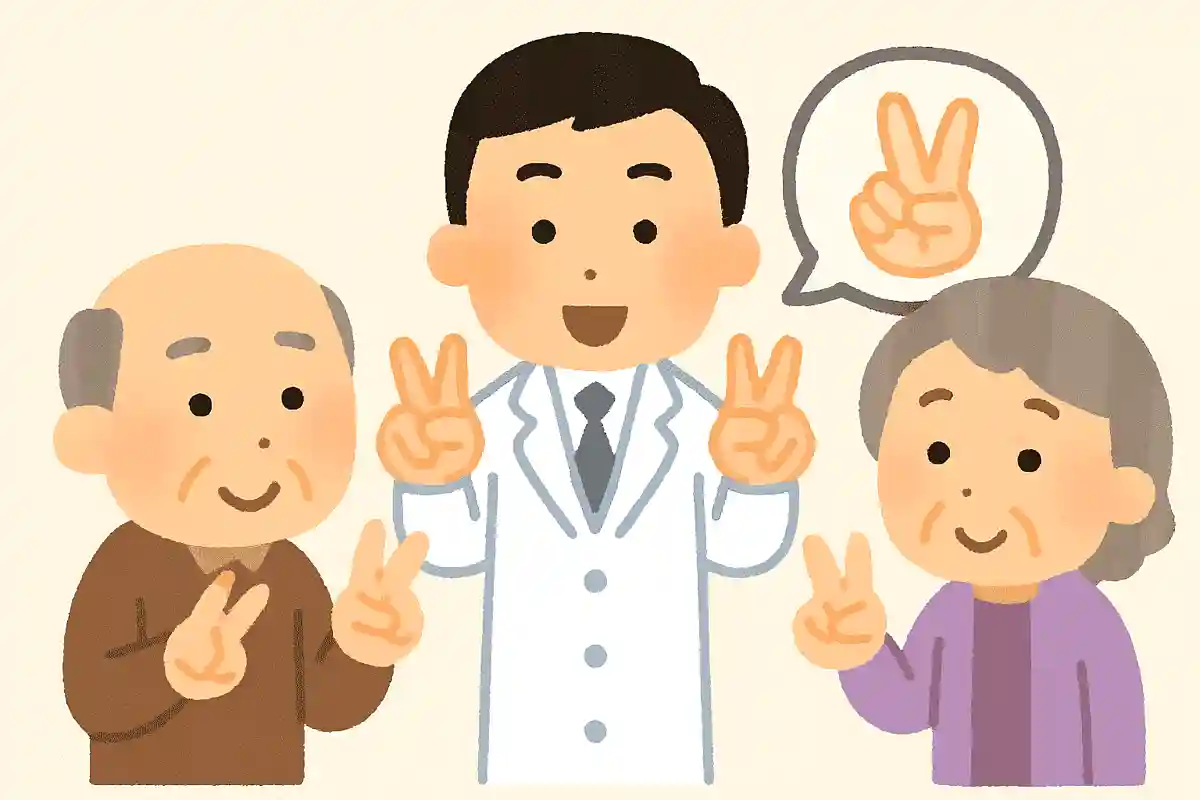
Different doctors have different specialties, and that changes the kinds of movements they make.
If you use the clinic you go to as a reference, you’ll get better accuracy, but here I recommend looking for the go-to standards that respondents recognize.
The easiest to understand is an internal medicine doctor—everyone’s seen the motion of placing a stethoscope.
If you feel that focusing only on internal medicine is too limiting, you can also look to surgery and incorporate movements like those used in operations.
mole
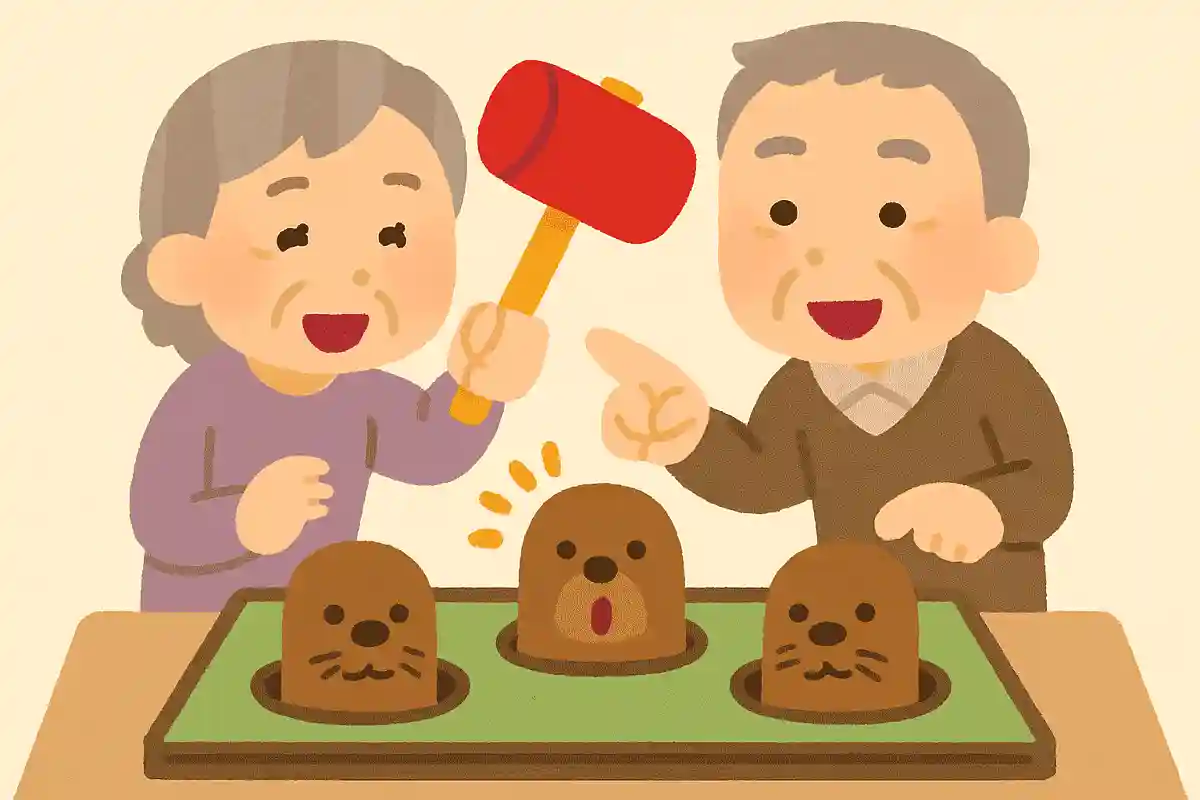
Moles are animals that dig through the soil and live there, though whether you’ve actually seen one can vary from person to person.
While digging is their signature behavior, figuring out how to get a mole to notice you from that alone can be tricky.
Another characteristic is that they hide in the soil when they sense danger, so focusing on that aspect might be a good idea.
Since they’re small animals with many natural enemies, make sure to emphasize the fact that they dig and hide in the earth when you depict them.
airplane
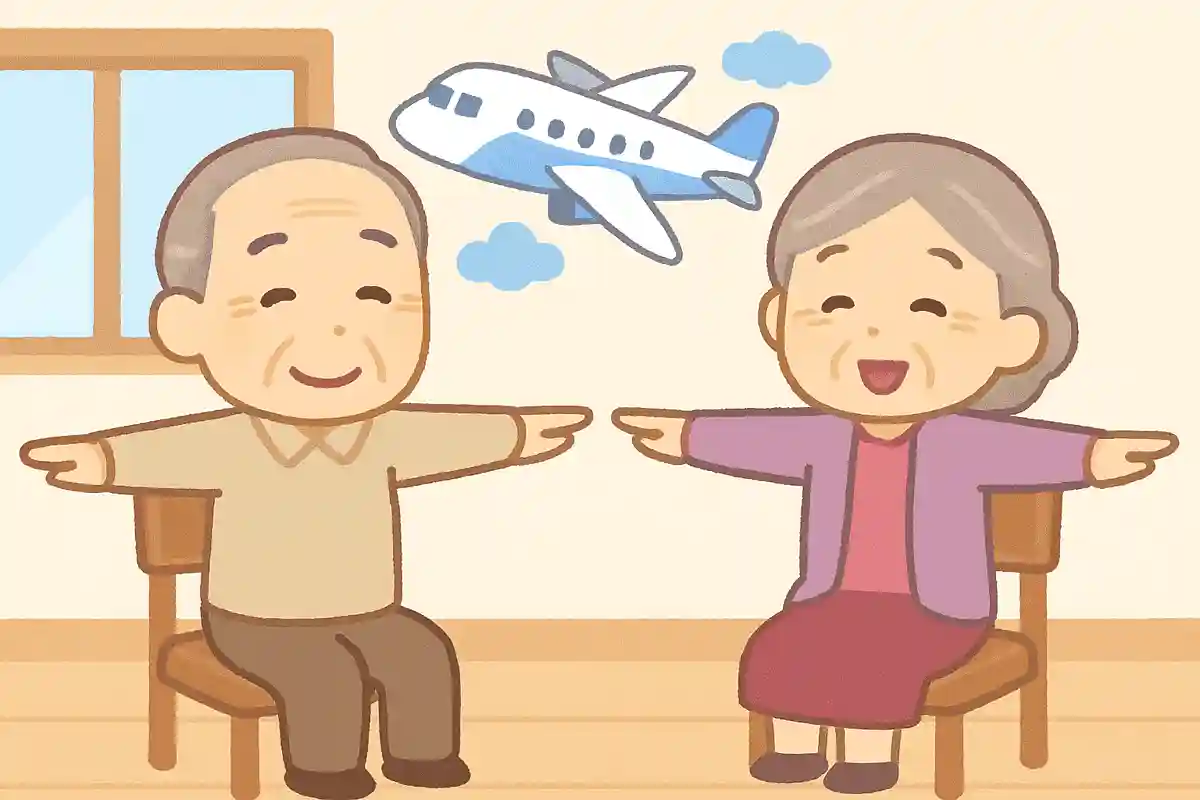
Airplanes are one of the most prominent means of travel, strongly associated with long-distance journeys, and their powerful takeoff is part of their appeal.
When it comes to airplanes, the classic image is, of course, them flying across the open sky.
Use hand gestures to represent the wings and clearly convey that they’re in the air.
Since their shape is fairly fixed while in flight, it might be good to focus on the moment they lift off from the runway instead.
To evoke the respondent’s own airplane-related memories, another recommended approach is to recreate boarding scenes or the atmosphere inside the cabin.
Interesting gestures (1–10)
Kabuki actor
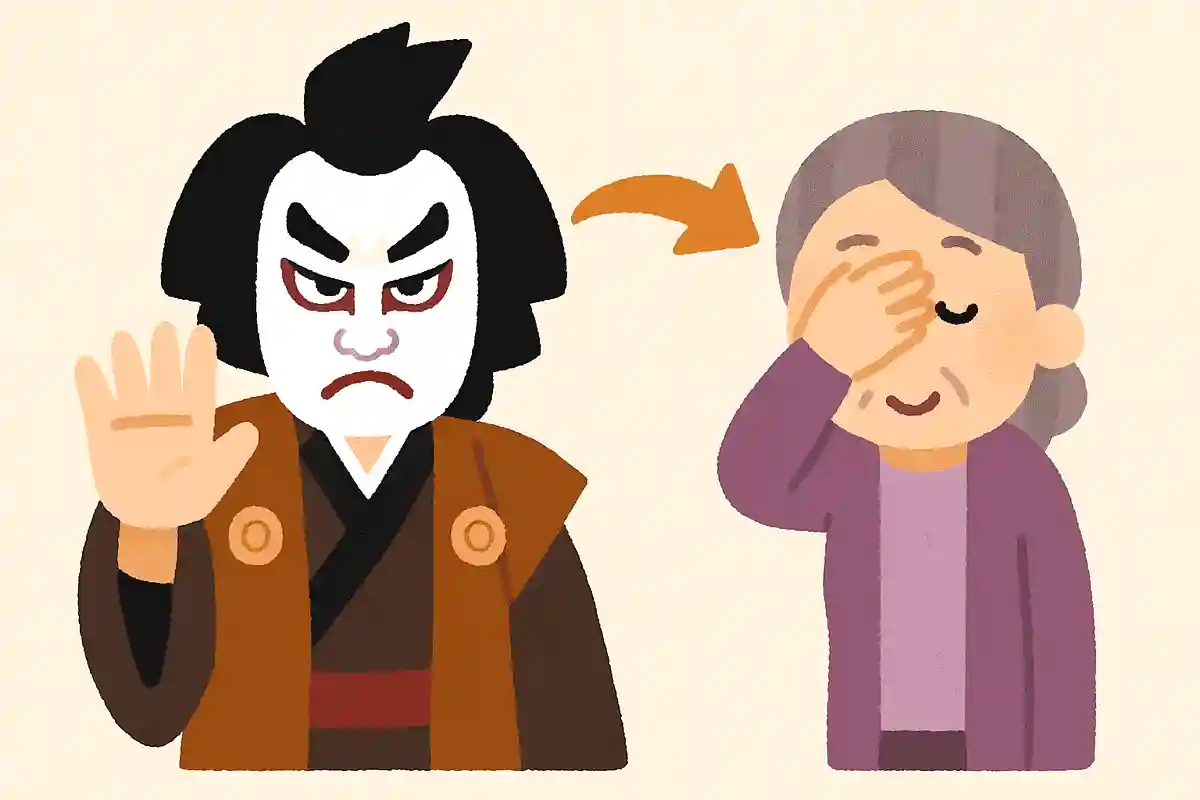
How about using Kabuki, a traditional Japanese performing art, as a topic for a gesture quiz? Many older adults are likely fans of Kabuki, so they might recognize it right away with just a small movement! When it comes to iconic Kabuki poses, striking a mie is the classic choice.
Spreading the arms forward and back with a cross-eyed look is easy to associate with Kabuki, even for people who don’t know much about it.
If your group seems familiar with Kabuki, try incorporating other movements as well.