

[Recommended for Seniors] Simple and Fun Gesture Game Prompts


Charades is a classic recreational activity that overflows with smiles.
Seniors can come up with the prompts, or you can have participants answer prompts provided by staff.
Carefully observing one another and communicating through gestures naturally brings out smiles and sparks conversation.
This time, we’re introducing easy-to-express prompts that are familiar to everyone—from “piano” and “sumo” to “radio calisthenics”—so they’re simple to act out and easy to guess.
Enjoy the delight when an answer is found and the creativity of conveying ideas, and savor a heartwarming moment together.
- [For Seniors] Easy and fun seated activities you can do in your room
- For seniors: Fun, crowd-pleasing word association game ideas
- [For Seniors] Simple Recreational Activities You Can Enjoy While Seated
- [For Seniors] Today’s Recommended Activity: Fun and Engaging
- Hand games that liven things up for seniors—also great brain training
- [For Seniors] Fun and Lively! Recommended Quiz Questions
- [For Seniors] Lively Wordplay Game: Fun Recreation for Elderly Care
- [For Seniors] Refresh Your Mood! Lively, Get-Moving Games
- [Can You Guess?] A Collection of Difficult Prompts for the Gesture Game
- Entertainment and Performances That Delight at Day Services for the Elderly
- For seniors: Fun shiritori—enjoyable and easy to play
- [For Seniors] Fun Recreational Activities Without Equipment
- [For Seniors] Recommended Handmade Activities! Simple Ideas
Interesting gestures (1–10)
A person eating ramen
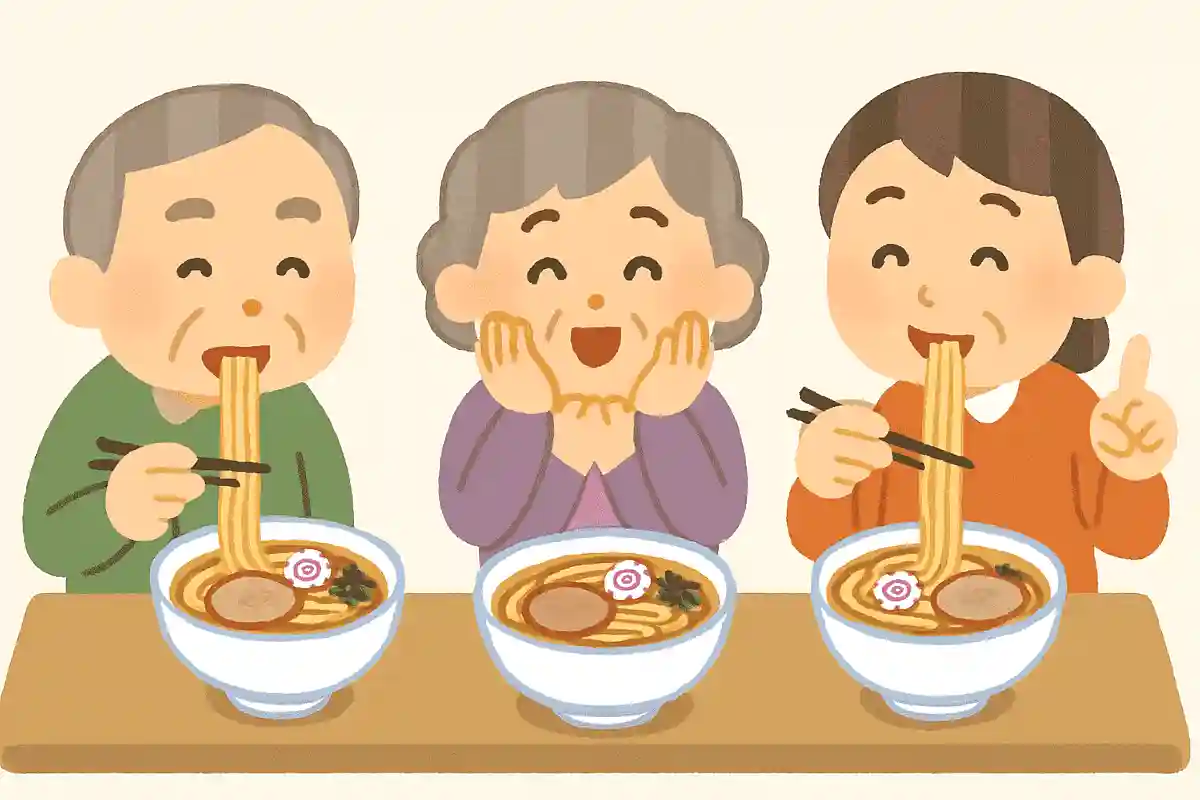
Ramen is one of the most popular foods, isn’t it? Since it’s easy to make, I imagine older adults eat it quite often, too.
It might be a bit hard to convey using gestures alone, but if you carefully show details like the thinness of the noodles and the eating motion, you can guide them to the answer.
It may also be easier to understand if you reproduce the size of the bowl.
In addition to the eating motion, adding the motion of sipping the broth makes it even clearer.
By thinking up gestures that are easy to understand, you can stimulate older adults’ brains, which can lead to revitalization of both mind and body.

gorilla
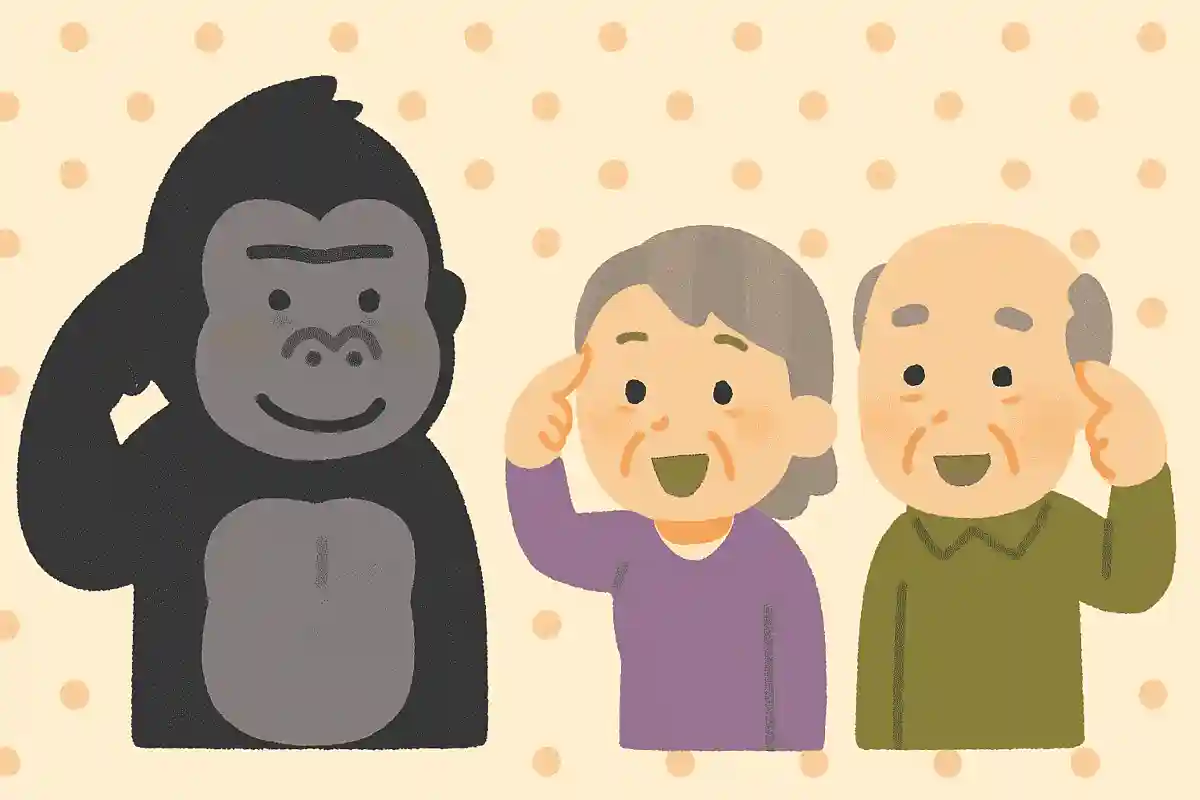
Among animals, gorillas feel relatively close to humans, so they might be easier to express through gestures.
Instead of just standing upright, they’re also often pictured moving with both hands on the ground to support their body, so conveying a bent posture could help capture that vibe.
As a signature movement, chest drumming is famous, so let’s use that chest-beating action to clearly express their strength.
It’s also important to be mindful of highlighting differences from humans and other monkeys to make it clear that it’s a gorilla.

Tug of war
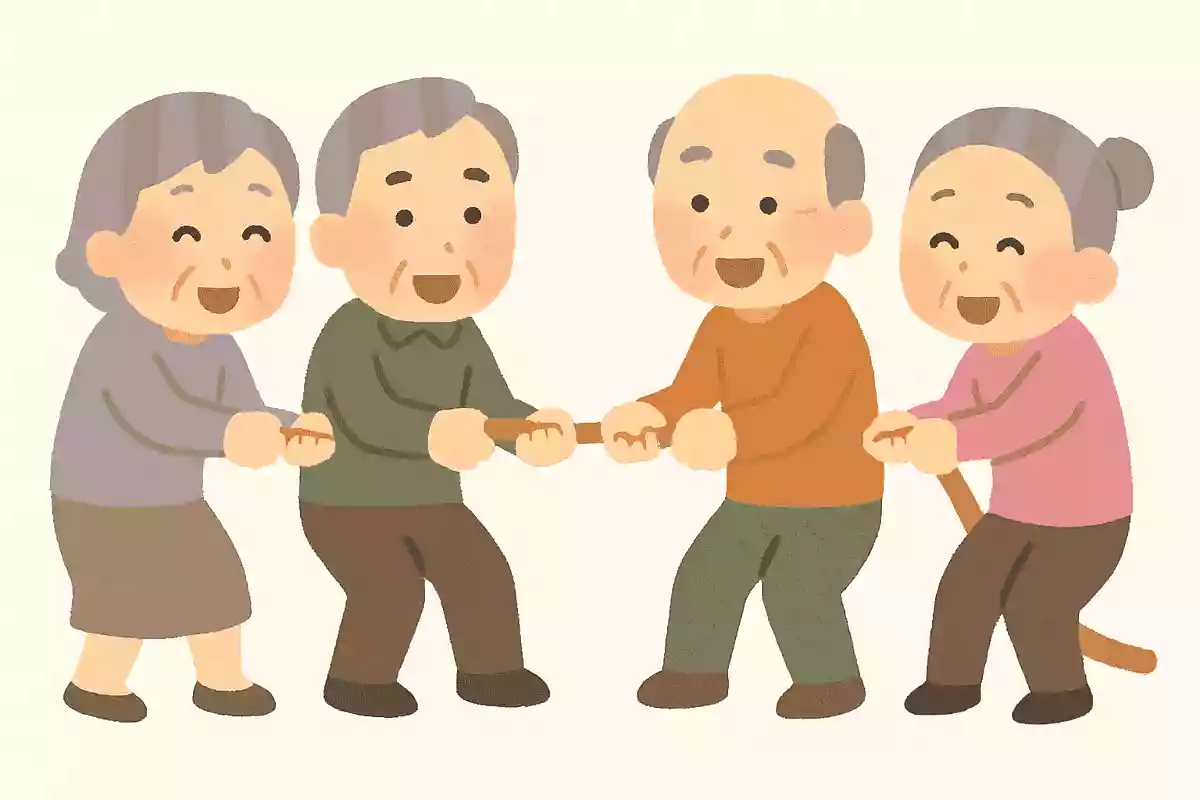
Tug-of-war is a classic event at school sports days, and because it’s just a simple motion of pulling a rope, it seems easy to do.
Be sure to convey pulling hard on the rope, and at times the feeling that your team might be losing to the other side.
If you only show forcefully pulling, it might make people think of something else, like fishing, so highlighting the back-and-forth mind games with the opposing team could be key.
Focusing on the team aspect is also recommended—try including moments where you call out to and coordinate with your teammates.
to call out to hear an echo
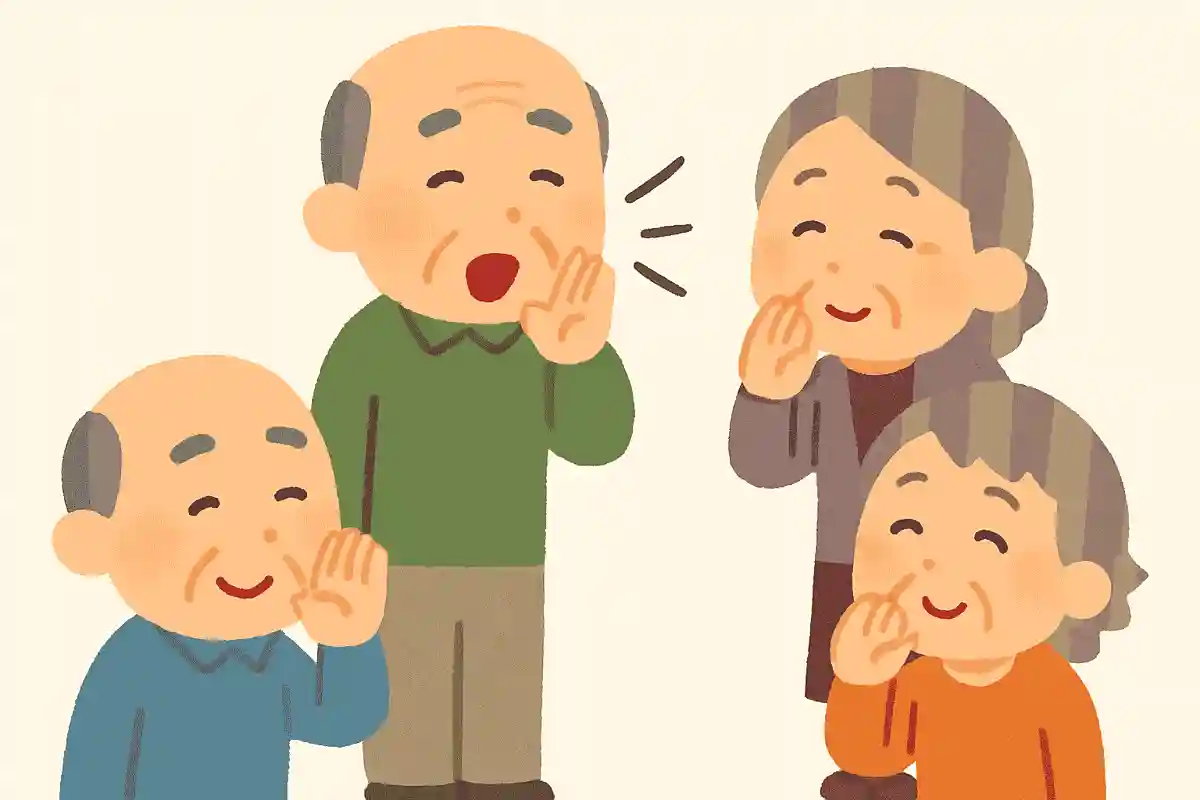
An echo—when a voice shouted into the distance faintly comes back—is a classic element in mountain-climbing scenes.
Let’s make sure people can clearly grasp that echo, even using only body movements.
Since getting the voice to come back requires calling out as loudly as possible, it’s best to show that you’re shouting by placing a hand beside your mouth and using your body to express the act of calling.
To make it even clearer, combine it with a gesture of listening intently—cupping your ear, for example—so you don’t miss the returning echo.
karaoke
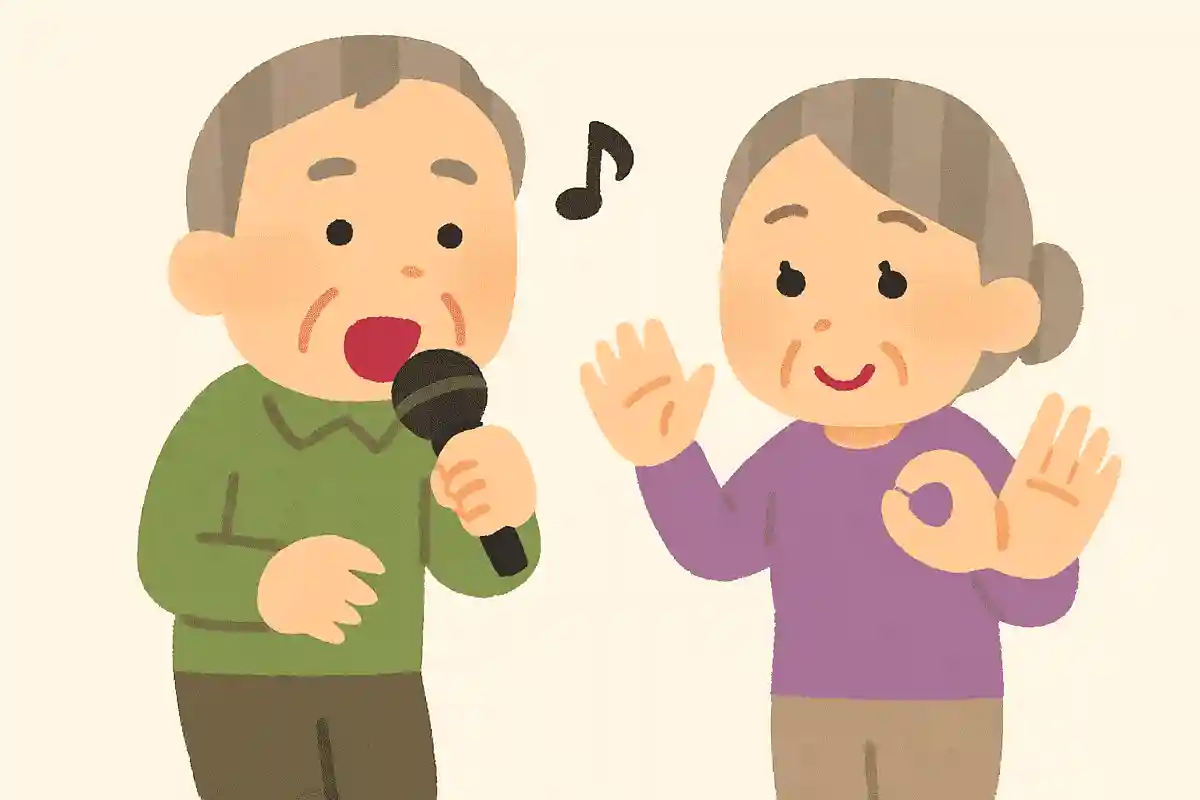
Karaoke, where you joyfully sing your favorite songs—if someone who loves karaoke takes on the gesture challenge, their movements will likely be full of passion too.
If you can convincingly mimic holding a mic and singing, many people will probably get the answer.
If you focus too much on the singing, people might imagine things like a “concert” or a “singing contest,” so adding a motion that shows entering a song number could bring them closer to “karaoke.” Conveying the fun of karaoke through gestures and building excitement for the real thing might make it even more engaging.
Ultraman
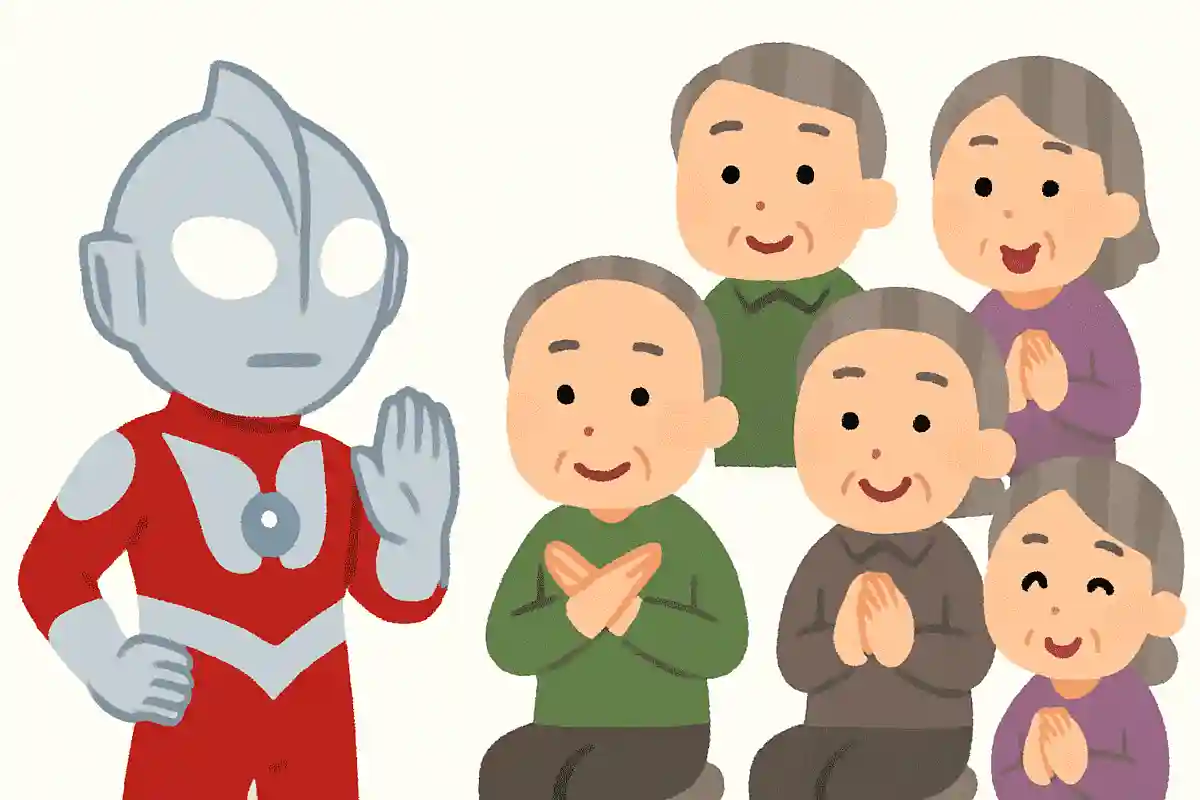
Ultraman is a hugely popular hero show that aired on television in 1966.
Many seniors today may have watched it when they were children.
It’s still so popular that it continues as a series.
There’s a move called “Shuwatch,” which is famous as Ultraman’s signature line.
Of course, you can’t produce the sound, but using gestures to convey it will make it easy to understand.
There are many other techniques as well, so demonstrating those with gestures might help lead someone to the answer.
Gets! (Comedian Dandy Sakano’s catchphrase/gag)

How about using comedian Dandy Sakano’s signature gag, “Get’s!” as a prompt? It’s the pose where you spread both thumbs and index fingers and thrust them forward.
Some people may know the catchphrase but not his name, so it might be good to accept either one as a correct answer.
If “Get’s!” doesn’t come across, I don’t think other gags will lead to the right answer, so if “Get’s!” doesn’t land, I recommend giving up and moving on to the next prompt.