

[Recommended for Seniors] Simple and Fun Gesture Game Prompts


Charades is a classic recreational activity that overflows with smiles.
Seniors can come up with the prompts, or you can have participants answer prompts provided by staff.
Carefully observing one another and communicating through gestures naturally brings out smiles and sparks conversation.
This time, we’re introducing easy-to-express prompts that are familiar to everyone—from “piano” and “sumo” to “radio calisthenics”—so they’re simple to act out and easy to guess.
Enjoy the delight when an answer is found and the creativity of conveying ideas, and savor a heartwarming moment together.
- [For Seniors] Easy and fun seated activities you can do in your room
- For seniors: Fun, crowd-pleasing word association game ideas
- [For Seniors] Simple Recreational Activities You Can Enjoy While Seated
- [For Seniors] Today’s Recommended Activity: Fun and Engaging
- Hand games that liven things up for seniors—also great brain training
- [For Seniors] Fun and Lively! Recommended Quiz Questions
- [For Seniors] Lively Wordplay Game: Fun Recreation for Elderly Care
- [For Seniors] Refresh Your Mood! Lively, Get-Moving Games
- [Can You Guess?] A Collection of Difficult Prompts for the Gesture Game
- Entertainment and Performances That Delight at Day Services for the Elderly
- For seniors: Fun shiritori—enjoyable and easy to play
- [For Seniors] Fun Recreational Activities Without Equipment
- [For Seniors] Recommended Handmade Activities! Simple Ideas
Simple gestures (1–10)
giraffe
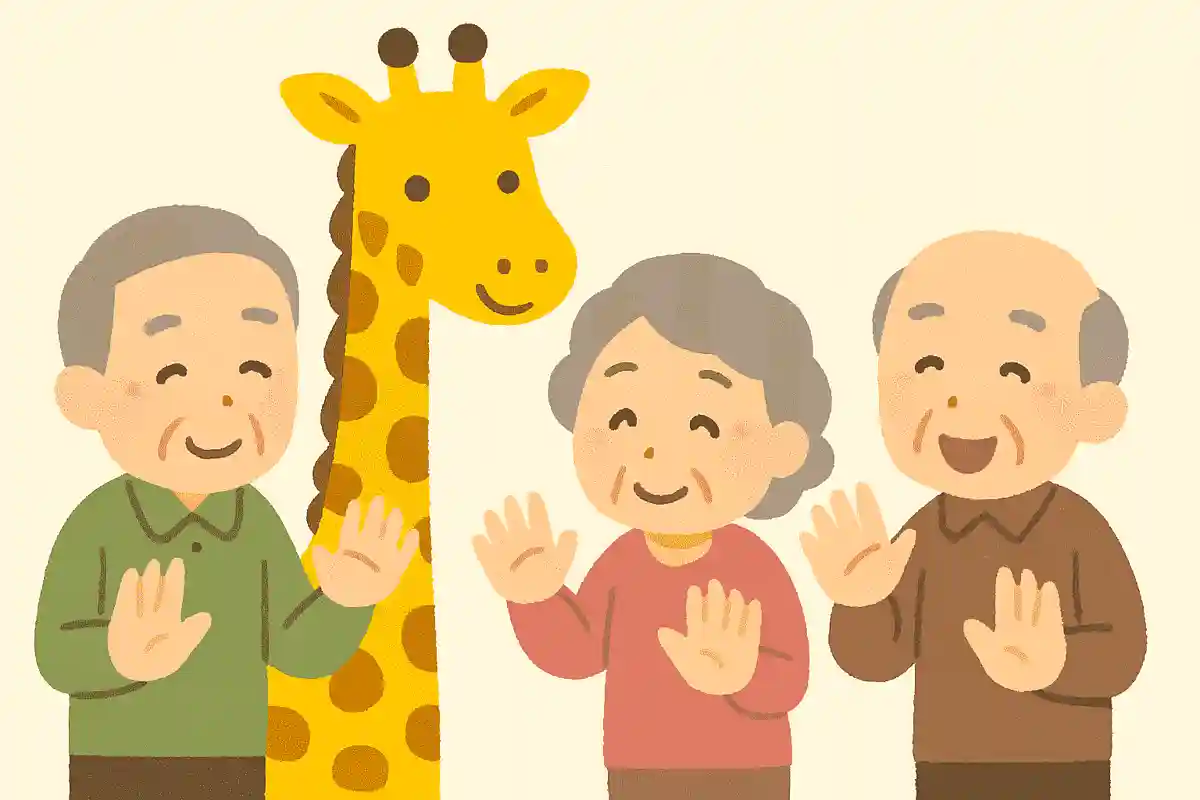
A giraffe with its long neck seems easy to express with gestures.
In any case, make sure to clearly show the long neck with both arms and convey it to the guessers.
If the person giving the clue is an older adult, they should still be able to communicate it by extending their arms vertically while seated.
Stretching your arms to represent the neck also makes for good exercise.
If you move a bit while keeping your arms extended, it might make it feel even more like an animal.
Giraffes don’t just have long necks—actually, their tongues are long too, so if you can, you might try gesturing the long tongue as well.

Karate
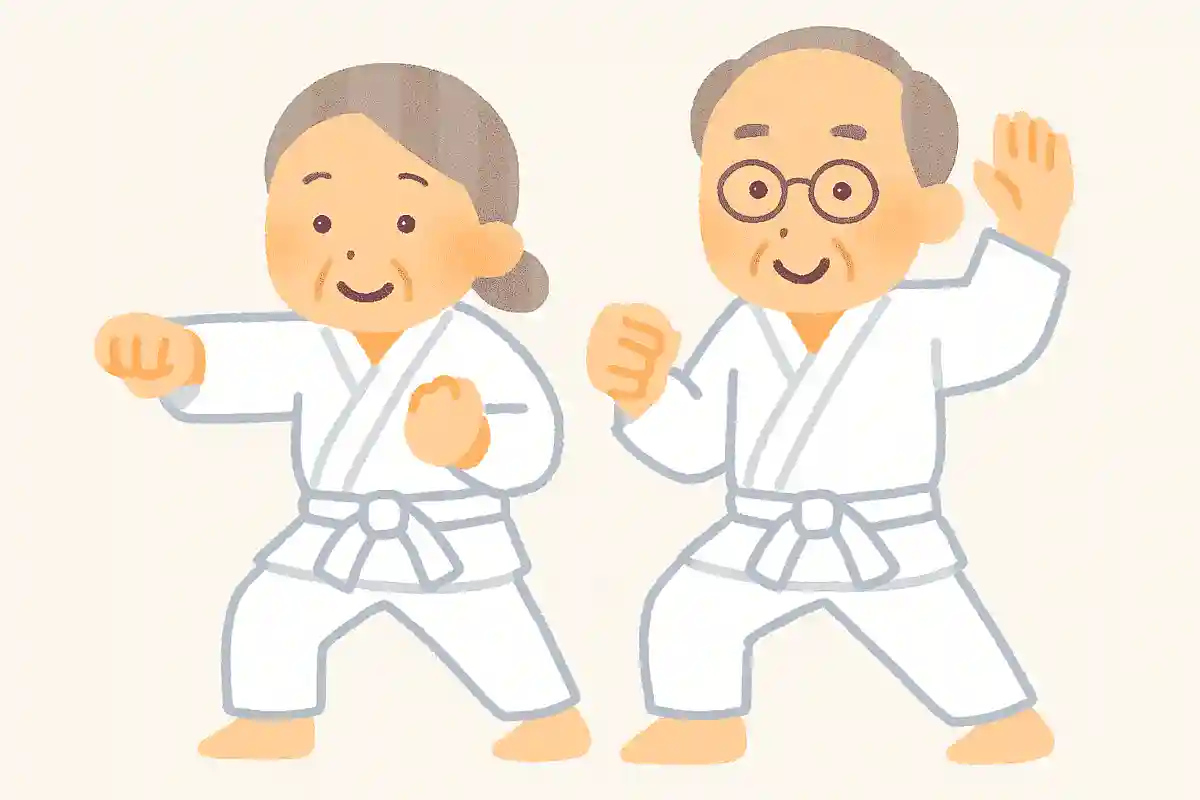
Karate is a traditional Japanese martial art, and many people have probably encountered it in some form.
Karate includes a variety of techniques, but the most recognizable is likely the seiken-zuki—the straight punch delivered by thrusting a clenched fist forward.
Since it’s important to clearly distinguish it from other combat sports, it’s best to focus on sending the punch straight and stopping it sharply at the target.
More complex techniques may be unfamiliar to some, so let’s emphasize clear, easy-to-understand attacks and a sense of power when presenting it.

cat
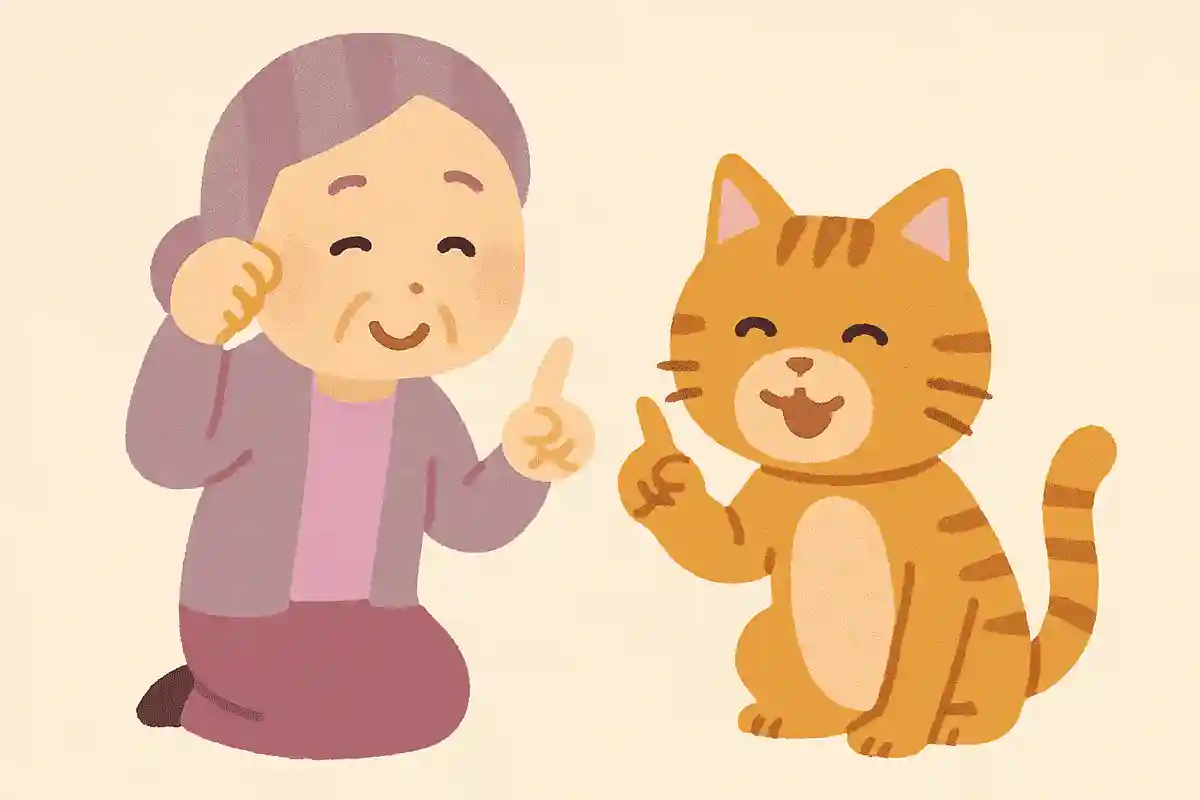
Animal movements are a staple of gesture quizzes.
It’s also fun how people’s personalities show in which familiar animal movements they choose to highlight.
If the topic is “cat,” for example, washing its face with its paws or throwing playful paw punches at a toy are easy to understand.
You can recreate it just with hand movements, but expressing a cat’s motions with your whole body and turning it into exercise also seems like a good idea.
Since there’s even the phrase “cat back” (rounded back), rounding your back is probably an important point when you’re reproducing the movements.
Simple Gestures (11–20)
Swimming
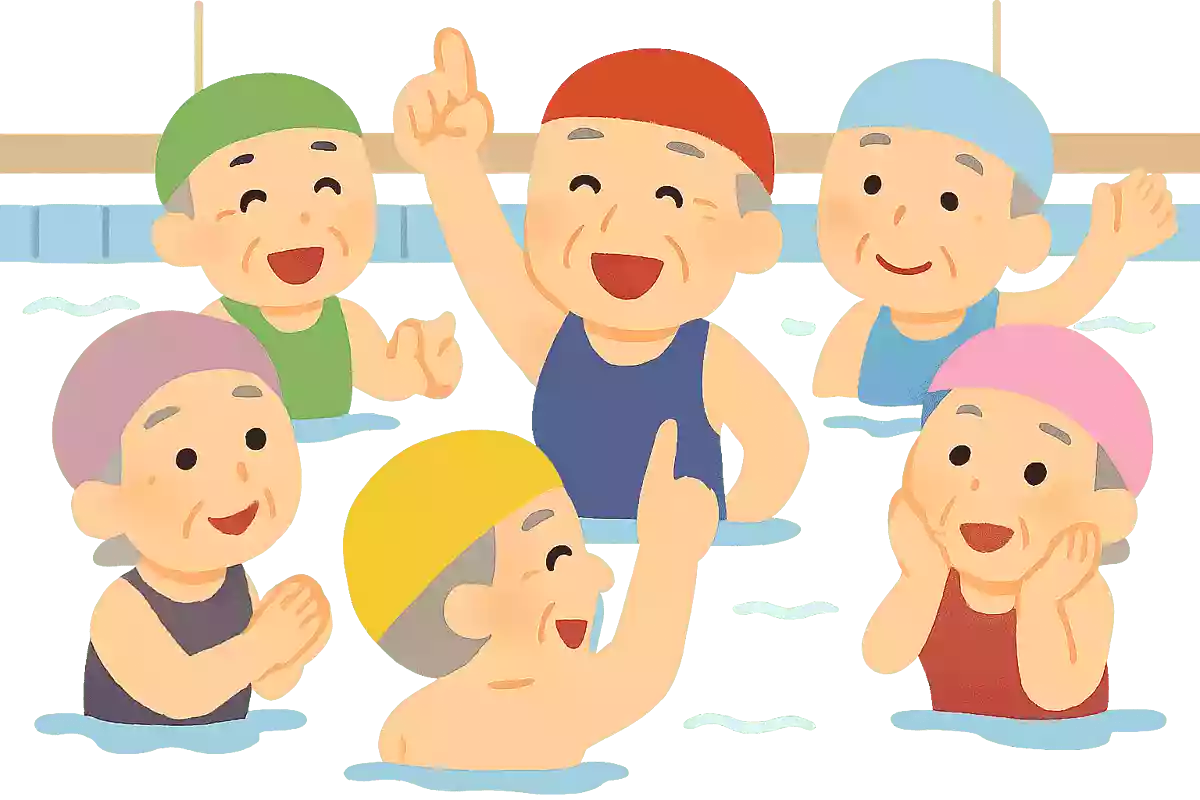
Swimming is a familiar sport that’s often included in school classes, and many people have tried it.
When conveying swimming through gestures, the key is how to suggest the presence of water using only movement.
Since there’s no actual water—and you may not be able to lie down on the floor—focus on maintaining clear swimming form to express the idea.
The standard strokes are freestyle, breaststroke, and butterfly, so highlighting the hand movements for these can make it easier to get your point across.
penguin
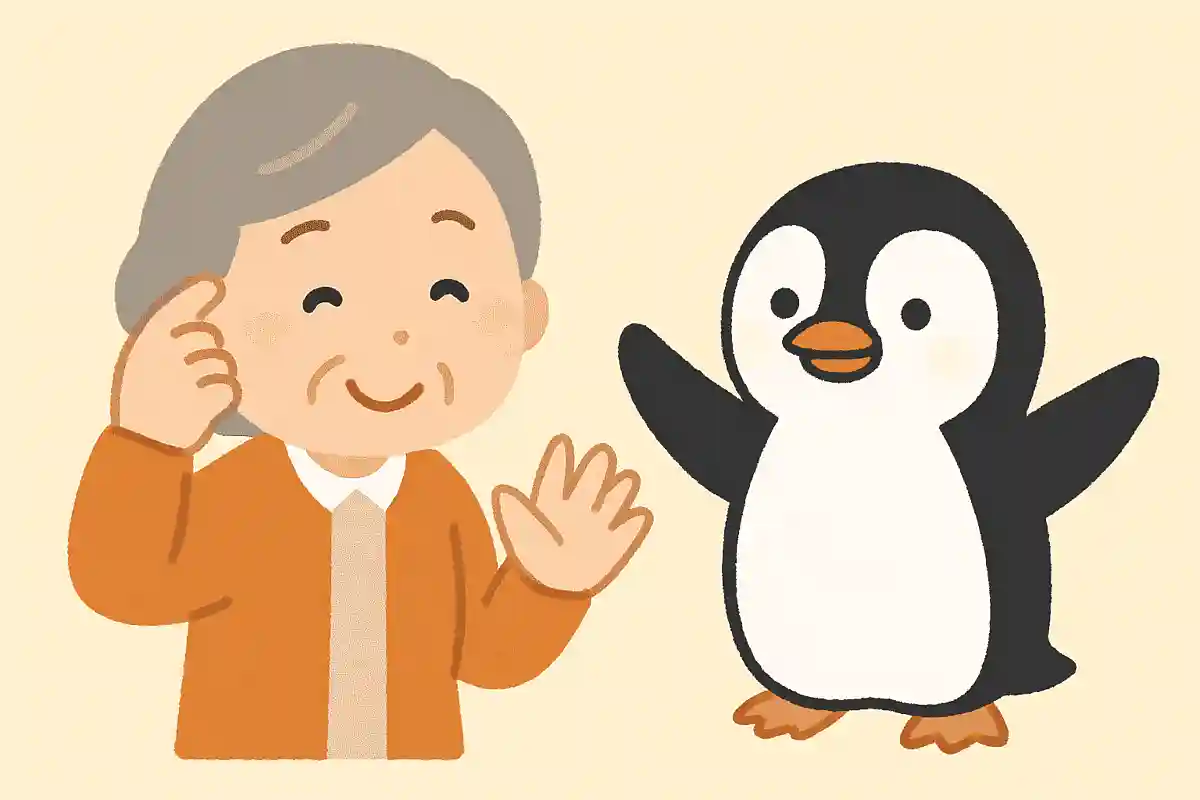
Penguins, which are very popular at zoos and aquariums, are birds yet also swim in the sea—how to convey that unique trait and their cuteness is key.
It might be easier to get the message across if you can express the contrast between their cute look when walking on land and their cool, sleek appearance when swimming in the ocean.
Also, rockhopper penguins have decorative feathers that look like a mane, so depicting that feature may help people recognize them.
It’s recommended to focus on expressing that they are flightless birds, have a distinctive way of walking on land, and are creatures that swim in the sea.
chef
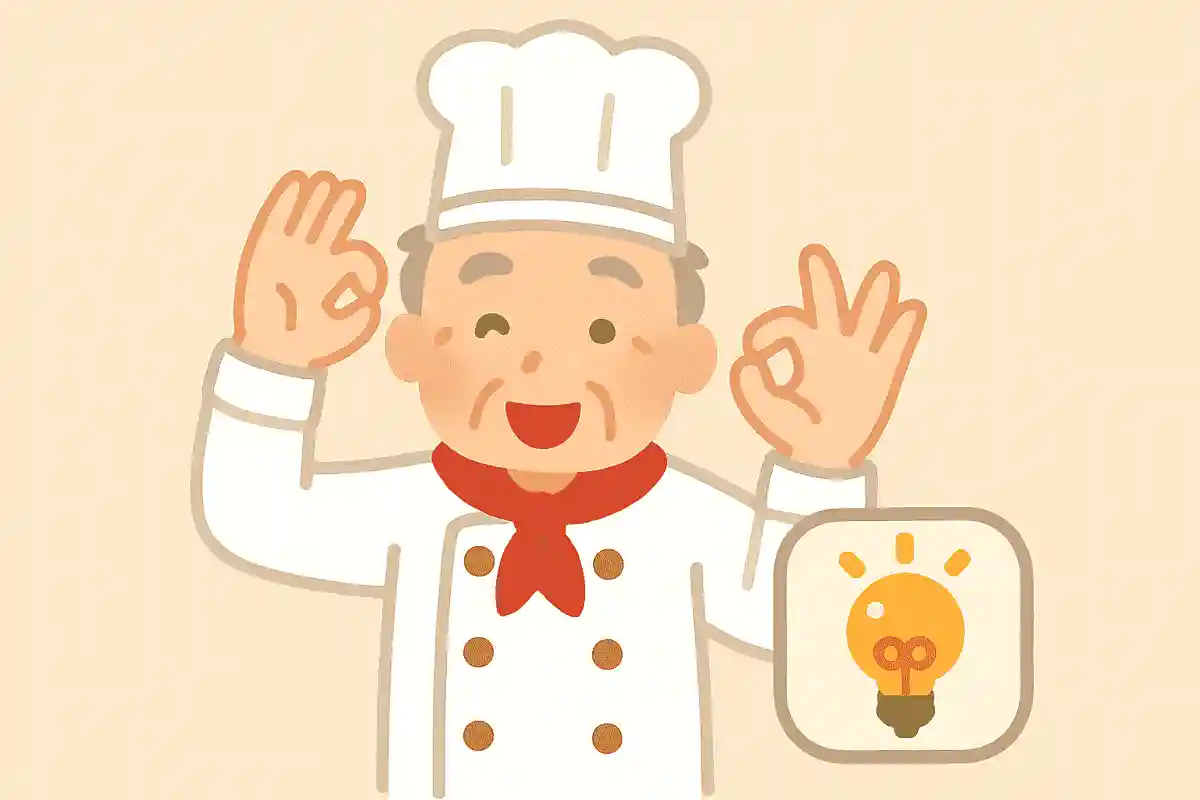
“Chef” seems like a prompt that lends itself to various gestures.
For example, classic ones might include the motion of cutting with a knife or flipping a frying pan.
However, even though it seems simple, if you just repeat a single action, many people might guess only “cooking!” It’s better to include multiple actions and gestures that evoke a professional cook, such as shaping sushi or spinning pizza dough.
Get creative so that older adults can arrive at the idea of a chef!

to clean
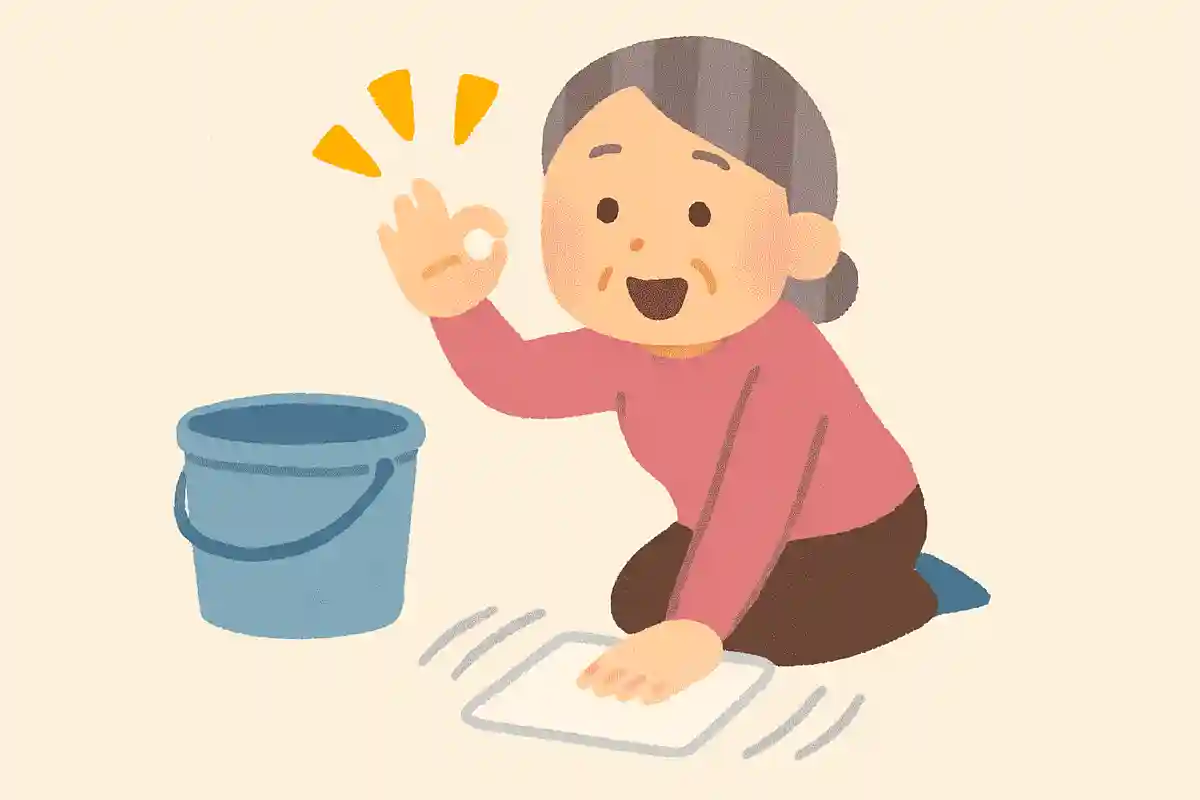
Cleaning is a familiar household chore for everyone.
If you sweep the entryway with a broom or wipe the hallway or windows with a cloth, older people will likely arrive at the keyword “cleaning.” However, if you keep repeating just one action, it might be mistaken for a specific task like sweeping or wiping.
When answers risk getting too granular, try combining several cleaning motions.
That way, people are more likely to recognize the theme as “cleaning.”