

[For Seniors] Interesting Four-Character Idioms: Introducing four-character idioms whose appearance, words, or meanings are uniquely entertaining

Four-character idioms are packed with the wisdom and lessons of life.
They’re also often used when setting New Year’s resolutions and goals.
Among them, do you know any four-character idioms so humorous they make you smile? From those with amusing appearances like “津津浦浦” and “已己巳己,” to ones that use quirky expressions like “変態” and “馬耳,” and even words with wildly exaggerated meanings like “抱腹絶倒,” weaving them into conversation can naturally liven up chats with older adults.
This time, we’ll introduce some delightful four-character idioms that you’ll be itching to share with someone.
- For Seniors: A Collection of Four-Character Idioms with Cool Meanings and Stylish Look—Great as Personal Mottos Too
- Four-Character Idioms for Seniors as New Year’s Resolutions: A Collection of Uplifting, Heartfelt Words
- [For Seniors] Recommended for Kakizome! Introducing Popular Four-Character Idioms and Their Meanings
- [For Seniors] Beautiful four-character idioms: Introducing words whose appearance and meanings are elegant, expressed with rich nuance
- [For Seniors] Uplifting four-character idioms: Introducing beautiful, heart-touching words
- [For Seniors] Beautifully Resonant and Memorable! Popular and Stylish Four-Character Idioms
- [For Seniors] Four-character idioms that wish for happiness: auspicious, lovely words to gift to someone special
- Four-character idioms for seniors that express goals, effort, and aspirations: words that stir the heart
- Four-Character Idiom Slogans That Resonate with Seniors: A Collection of Beloved Quotes for Facilities and Communities
- Four-character idioms expressing the spirit of perseverance for seniors: encouraging words that give you a gentle push forward
- [For Seniors] Four-character idioms that include numbers. How many do you know?
- For seniors: A four-character idiom quiz perfect for brain training. A collection of problems that will refresh both mind and spirit.
- [For Seniors] Fun and Exciting! Difficult Kanji Quiz
[For Seniors] Interesting Four-Character Idioms: Introducing uniquely quirky idioms in form, words, and meaning (1–10)
Sheep’s head, dog’s meat (false advertising; a façade hiding inferior reality)
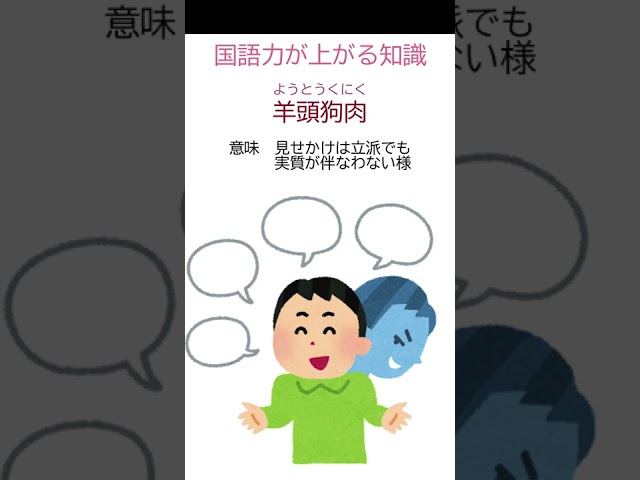
Pronounced “yōtō kuniku,” it literally means “to hang up a sheep’s head on the signboard while actually selling dog meat,” that is, a metaphor for a mismatch between appearance and reality—“false advertising,” so to speak.
Originating from an ancient Chinese anecdote, it has long served as a caution to merchants and rulers.
While the wording may seem humorous, its message is sharp and remains relevant today.
For example, it can describe someone whose lofty words aren’t matched by their actions, or a product whose advertising is nothing like the real thing.
It’s an intelligent four-character idiom that even older generations can appreciate as an age-old, biting expression.

It’s like talking to a brick wall.

This four-character idiom stands out for its amusing look and unique sound, and many people have likely heard it.
It means “to pay no attention whatsoever to others’ opinions or advice; it goes in one ear and out the other.” It comes from a Chinese anecdote comparing it to a horse that keeps walking unfazed by the sound of the wind.
In everyday conversation, it’s used to gently point out that someone isn’t listening at all, or that they’re unfazed by criticism.
Older generations may feel that “old expressions are rich in satire,” and its rhythmic feel appeals to the senses, making it suitable for adding humor or irony to writing and conversation.
kindness of strangers (especially from an elderly woman); unsolicited or overbearing kindness; meddlesome good intentions
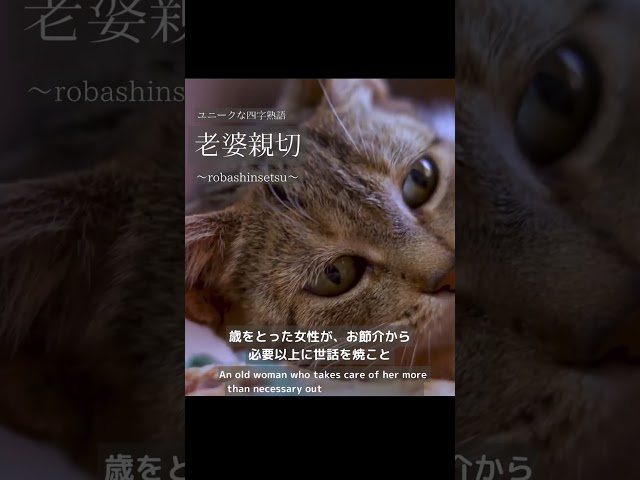
As you can imagine from the wording, it refers to a kind of kindness that’s so thorough it ends up feeling bothersome.
The term originally comes from the image of a grandmother who, being a worrier, repeatedly cautions you or fusses over you—conveying warmth along with a touch of meddlesomeness.
Older people might think, “I might be doing this myself,” and relate to it, while also chuckling at the cleverness of the old-fashioned expression.
Used in everyday conversation, it’s a handy phrase that lets you lightly tease someone’s attentiveness without causing offense, adding a gentle bit of humor.
[For Seniors] Interesting Four-Character Idioms: Introducing uniquely quirky yojijukugo in appearance, wording, or meaning (11–20)
a heated and noisy uproar; clamorous controversy
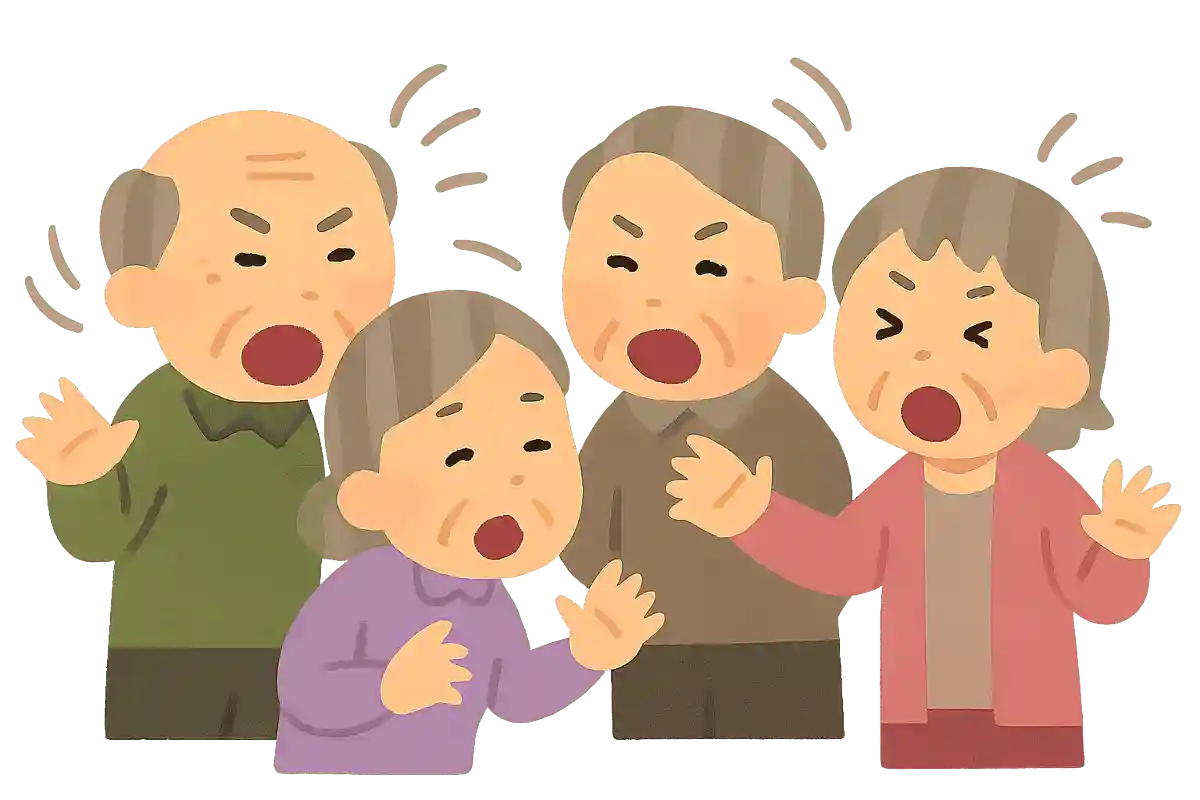
It may be a somewhat unfamiliar term, but this four-character idiom means “people making a loud, boisterous commotion.” It’s used to vividly depict scenes like the bustle of a marketplace, the atmosphere of a festival, or moments of quarrels and uproar.
The repeated characters create a rhythmic feel, conveying the sense of clamor just by reading it.
For older generations, it can evoke nostalgia for lively streets of the past or festivals from their childhood.
It’s an expression that conveys a sense of immediacy and liveliness that simple words like “noisy” can’t fully capture.
frank and heated debate; outspoken and vigorous discussion

It may sound a bit formal to the ear, but its meaning is very straightforward.
It’s a four-character idiom that means “to speak frankly and engage in mutual debate.” It has traditionally been used in academic and political settings to praise open, unreserved discussion.
For older generations, it may be a nostalgic expression that recalls past debates or meetings.
The repeated characters create a sense of rhythm, giving writing or conversation an intellectual tone when used.
It’s the perfect term to describe serious discussions and candid exchanges.
deeply sorrowful; painfully earnest (setsu-setsu shishi)
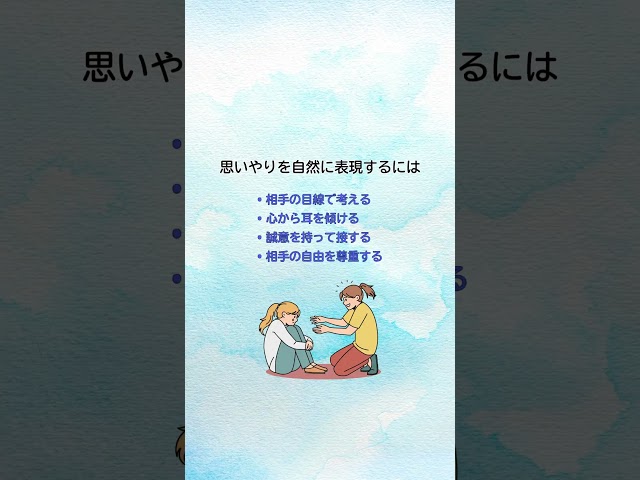
It’s a four-character idiom with a wonderfully evocative sound and appearance.
It means “to yearn from the heart; to long deeply,” and it conveys a feeling of quietly engraving one’s feelings in the chest—for a person, one’s hometown, or days gone by.
The repeated characters lend a softness and depth, and using it in writing or conversation can create a gentle, wistful atmosphere.
For older people, it may call to mind scenes of remembering distant memories or beloved faces from long ago, bringing a heartwarming sensation.
It’s an idiom especially memorable for its emotional richness and the beauty of its written form.
Hearty laughter (Kaka Taishō)
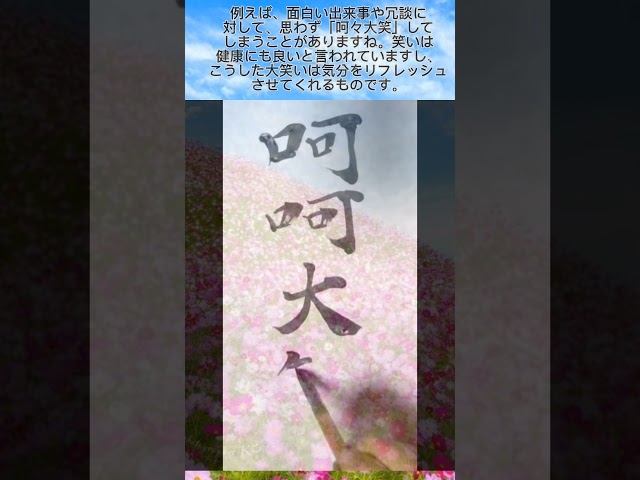
A four-character idiom whose very sound conveys a sense of vigor, it means “to laugh out loud with all one’s might.” It describes someone enjoying themselves from the bottom of their heart, with laughter echoing all around.
It has been used in old books and tales to depict scenes of joy and amusement, and, along with hōfuku zettō (“rolling on the floor with laughter”), has long been cherished as an expression of humor.
For older generations, it may evoke nostalgic images of banquets or old stories.
As a phrase that conveys humor and liveliness as-is, adding it to conversation or writing can create a vibrant atmosphere.