

[For Seniors] Hina Matsuri (Girls’ Day) Trivia Quiz & Fun Facts. Recommended for Dementia Prevention Activities

How many bits of trivia about Hinamatsuri do you know?We’ll present quiz-style tidbits about the festival—things you may think you know but don’t—such as the figures who inspired the Emperor and Empress dolls, the roles of the three court ladies, and what the five musicians are holding.Why is only one of the three court ladies shown with blackened teeth and no eyebrows?Which seasons are represented by the colors of hina-arare rice puffs?…As you ponder the answers, old memories may come flooding back.These questions are perfect for recreational activities or passing the time for older adults.Why not enjoy a moment that lets you savor the joy of getting the right answer while feeling the arrival of spring?
- [For Seniors] Fun for Everyone! A Quiz about Hinamatsuri (Girls' Day)
- [For Seniors] Hinamatsuri Recreation: Fun Ideas for Games, Crafts, and Snack Making
- [For Seniors] Take on the Setsubun Quiz! A comprehensive collection of diverse quizzes, including trivia, true-or-false, and spot-the-difference.
- [For Seniors] Brain-training with winter-themed quizzes. Great for activities, killing time, and dementia prevention.
- Spring Event Quiz for Seniors to Enjoy in March
- [For Seniors] Laugh-Out-Loud, Crowd-Pleasing! Fun Quiz
- [For Seniors] Sports Trivia Quiz & Fun Facts. Easy and Entertaining
- For seniors: Fun shiritori—enjoyable and easy to play
- [Simple and Fun] New Year’s Quizzes Recommended for Seniors
- [For Seniors] Spring-themed quizzes: Fun trivia questions that help prevent dementia while you solve them
- [For Seniors] Fun Food Trivia Quizzes You'll Want to Share
- [Day Service] Excited for Hinamatsuri! Craft ideas to brighten up your room
- [For Seniors] Spring Haiku. Spring Activity
[For Seniors] Hina Matsuri Trivia Quiz & Fun Facts. Also Recommended for Dementia Prevention Activities (11–20)
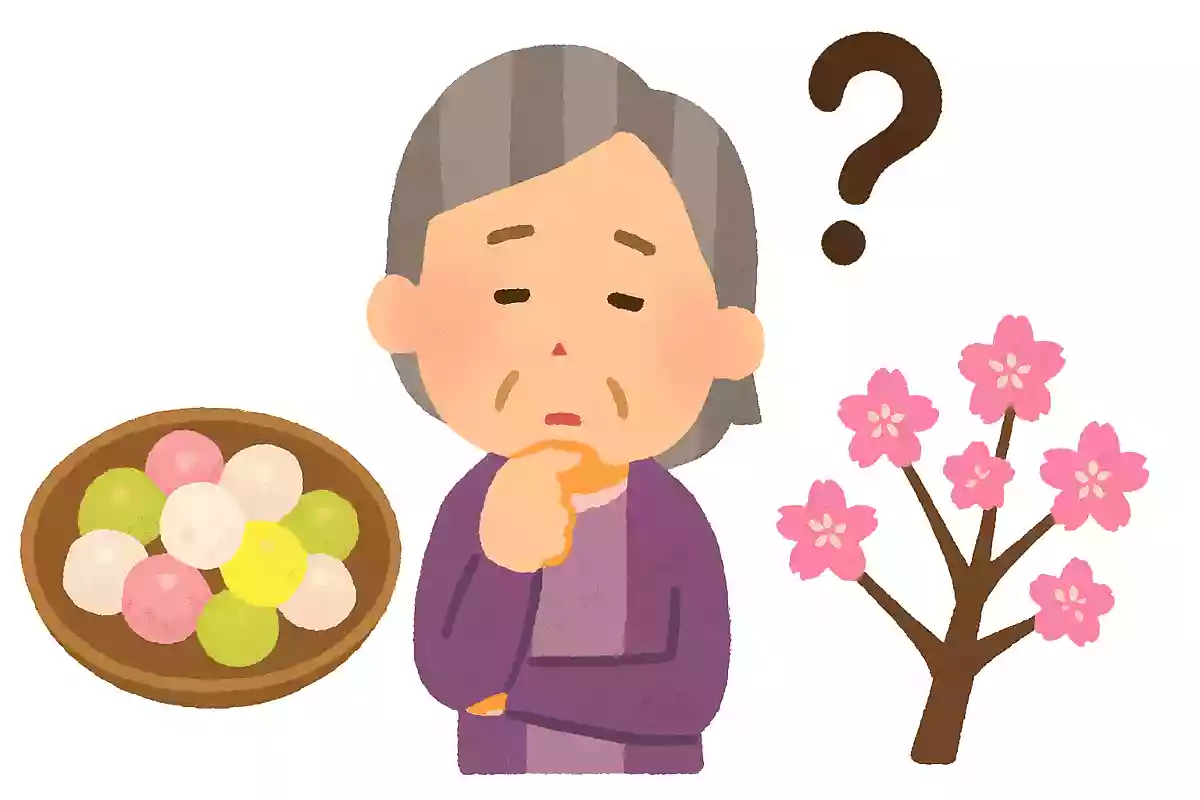
The colors of hina-arare each represent a season, but which season does yellow represent?
- spring
- summer
- Autumn
See the answer
Autumn
The four colors of hina-arare represent the four seasons: red symbolizes spring from the image of blossoms, green symbolizes summer from the image of fresh greenery, yellow symbolizes autumn from the image of autumn leaves, and white symbolizes winter from the image of snow.

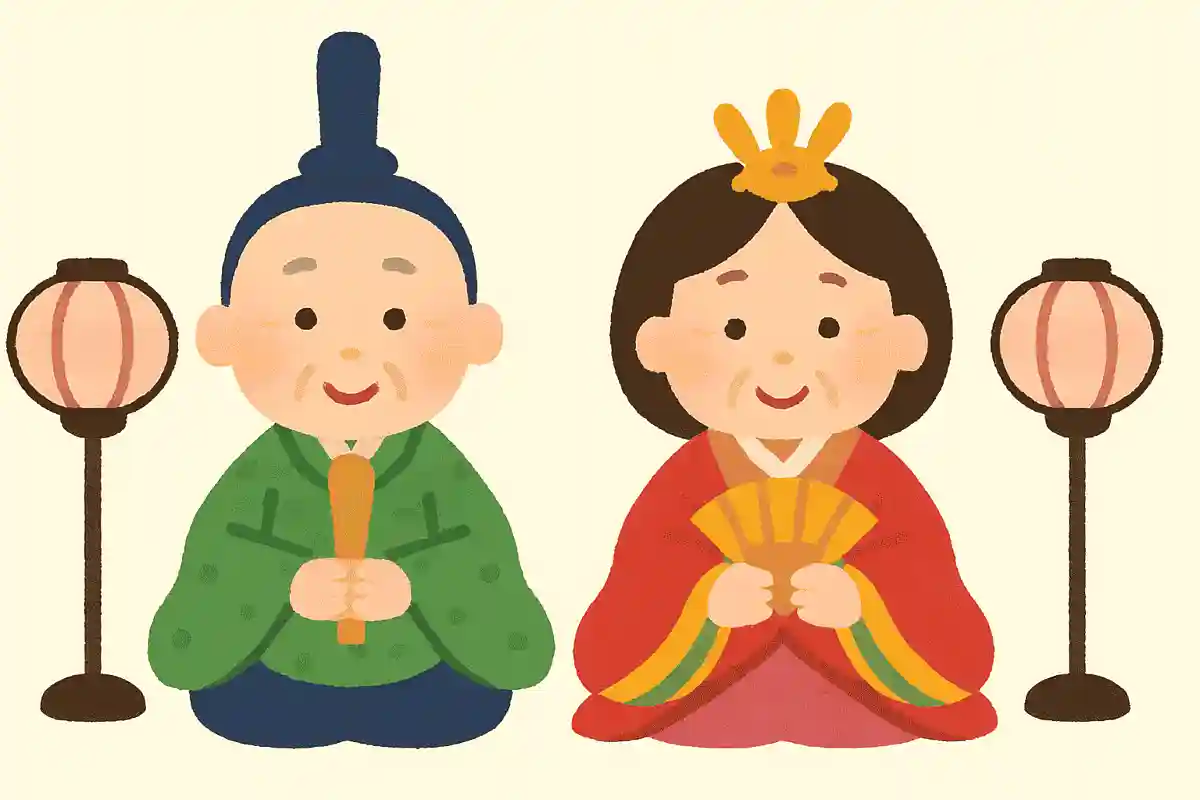
Who are the models for the Emperor and the Empress dolls?
- a married couple in an ordinary household
- The Emperor and Empress
- The Prime Minister and his wife
See the answer
The Emperor and Empress
It is said to express a wish for a happy marriage, like that of Their Majesties the Emperor and Empress.
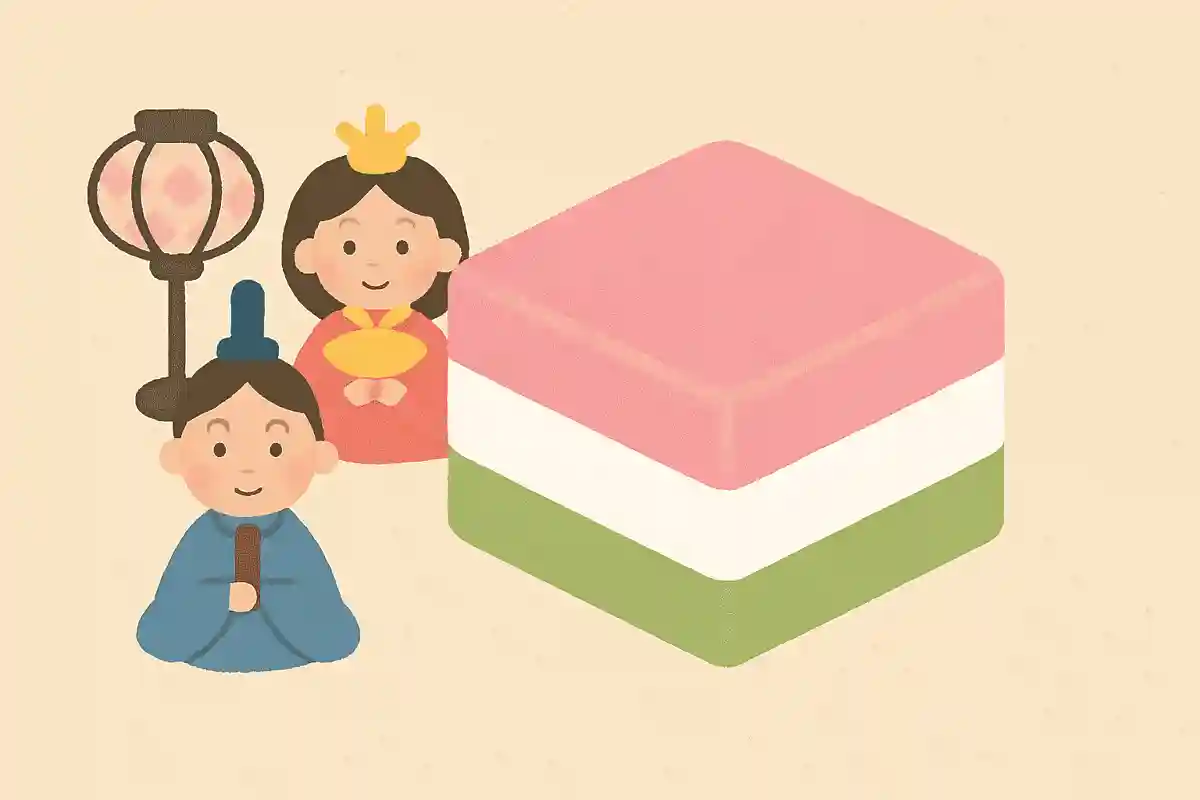
What are the colors of hishi mochi from top to bottom?
- pink, white, and green
- Green, white, and pink
- White, Green, Pink
See the answer
pink, white, and green
Pink represents peach blossoms, white represents snow, and green represents fresh greenery, each expressing wishes for protection from evil, prosperity of descendants, and health and warding off misfortune.
There is one thing that sets one of the three court ladies apart from the other two. What is it?
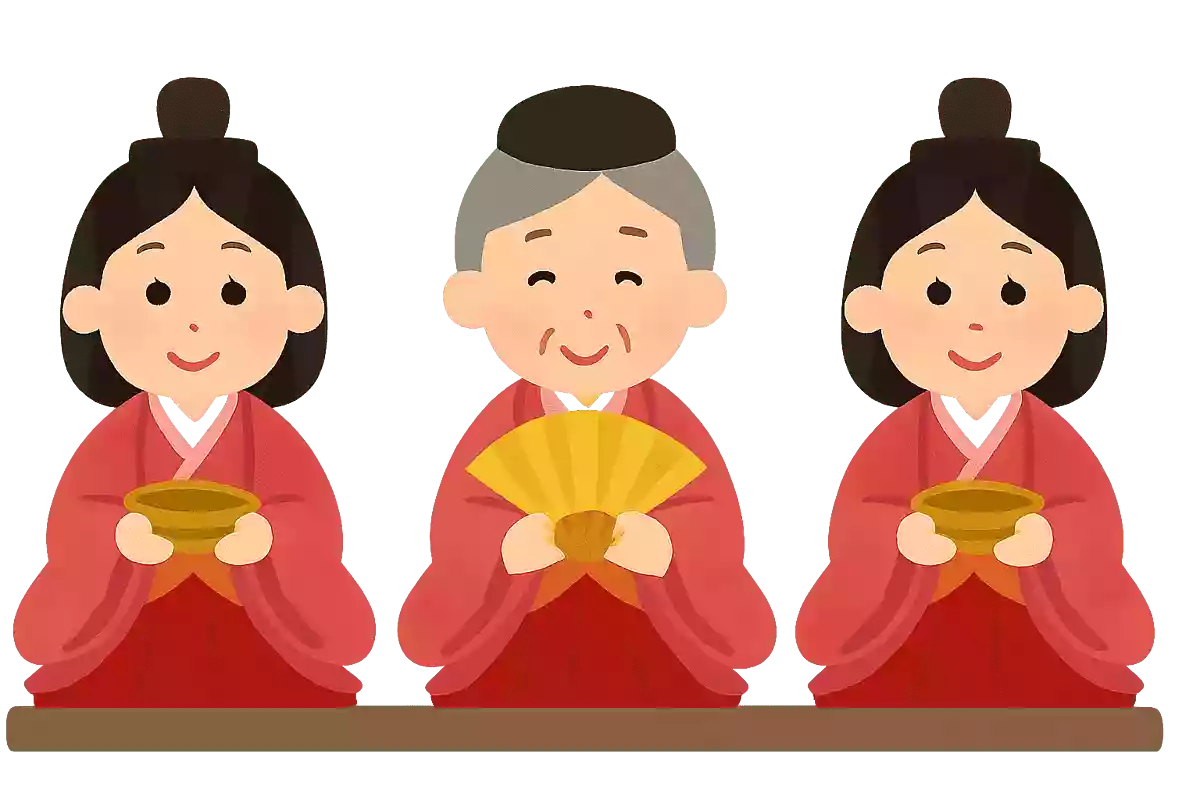
- The hairstyle is different.
- Shaved eyebrows and blackened teeth
- I have tools.
See the answer
Shaved eyebrows and blackened teeth
In the case of the three court ladies, the central figure is a married woman with shaved eyebrows. Her mouth is painted black because she wears ohaguro (tooth blackening). The other two are unmarried, with natural eyebrows and without ohaguro—that’s the basic convention.
What is the gender of the five court musicians?
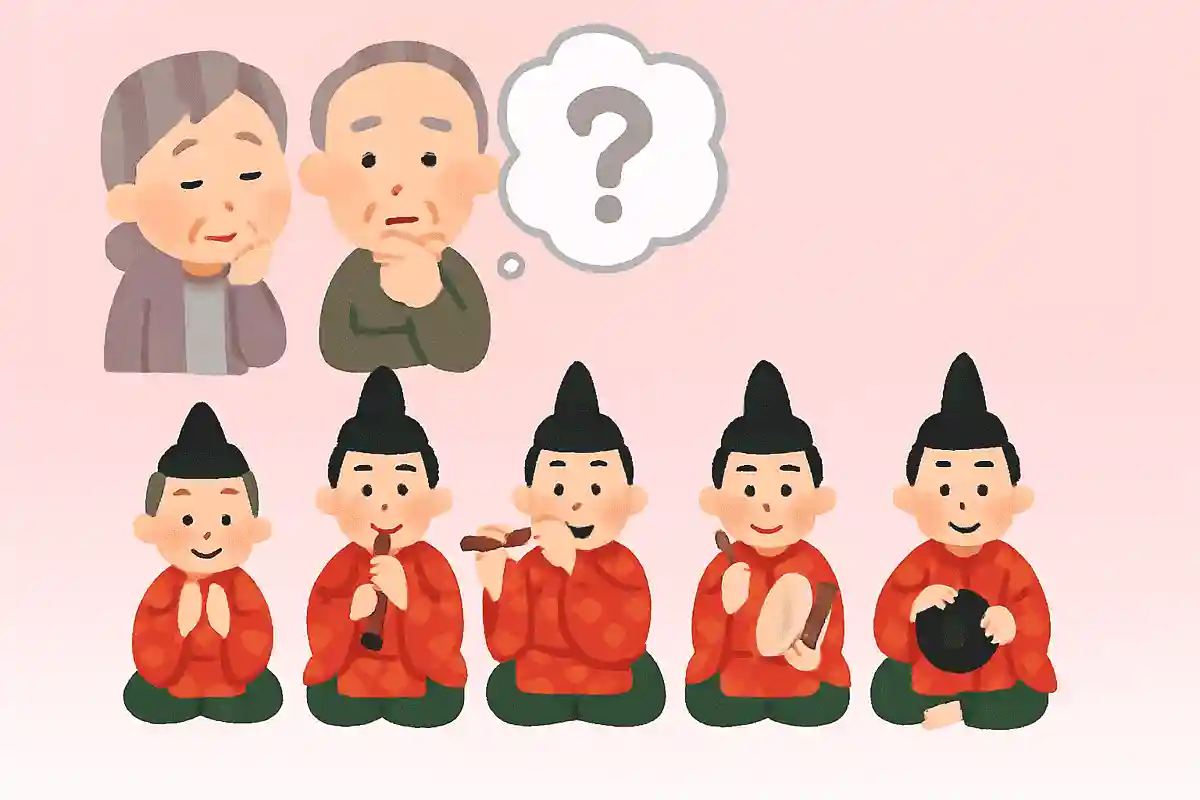
- All of them are boys
- All are adult men.
- All girls
See the answer
All of them are boys
It depicts boys aged 11 to 16, modeled on those before their coming-of-age ceremony (genpuku).
What scene or activity are the Hina dolls depicting?
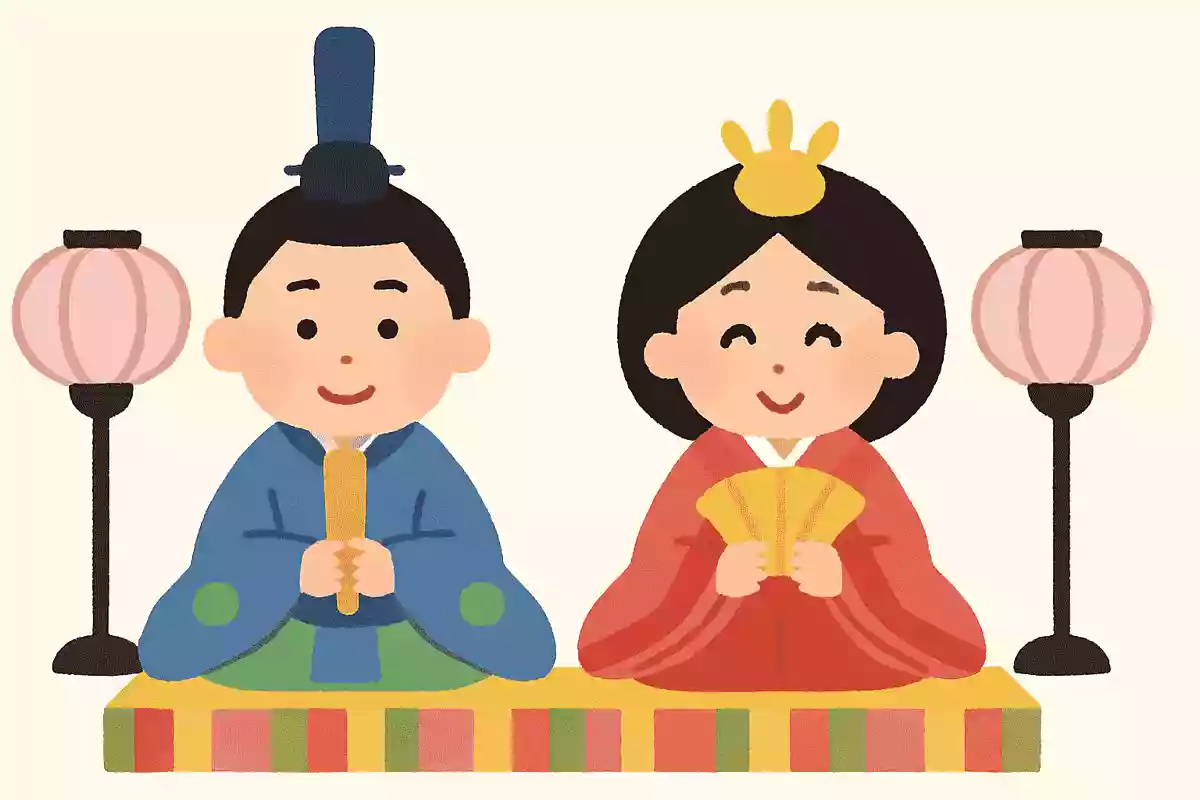
- birthday
- wedding
- Entrance Ceremony
See the answer
wedding
Hina dolls are modeled after an imperial court wedding and embody the wish for a happy marriage like that of the Emperor and Empress.
[For Seniors] Hina Matsuri Trivia Quiz & Fun Facts. Also Recommended for Dementia-Prevention Activities (21–30)
Hina-arare, which is eaten during the Doll Festival (Hinamatsuri). What are its main ingredients?
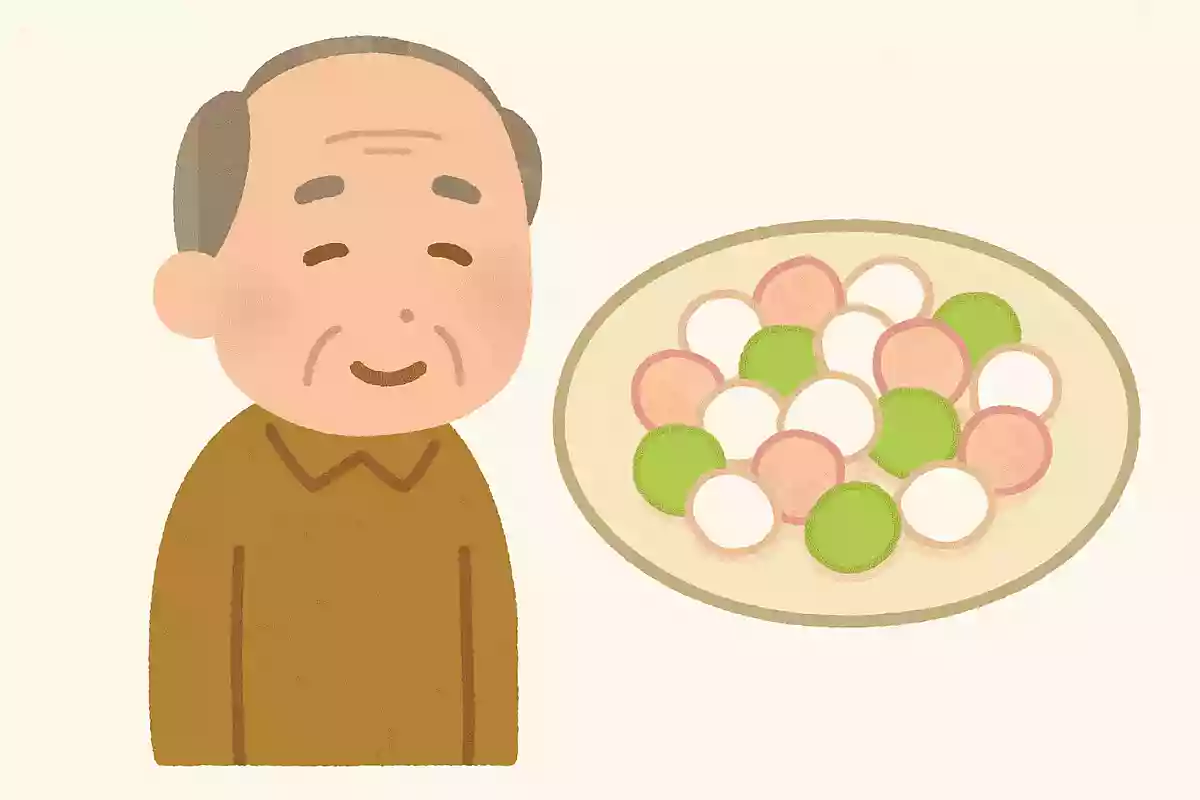
- rice
- taro/potato (generic term for starchy tubers; context-dependent)
- daikon radish
See the answer
rice
The main ingredient of hina-arare is rice. It varies by region: non-glutinous rice is used in Kanto, while glutinous rice is used in Kansai. The rice is puffed in its original grain form, sweetened with sugar, and commonly colored pink and green with food dye.