

[For Seniors] Hina Matsuri (Girls’ Day) Trivia Quiz & Fun Facts. Recommended for Dementia Prevention Activities

How many bits of trivia about Hinamatsuri do you know?We’ll present quiz-style tidbits about the festival—things you may think you know but don’t—such as the figures who inspired the Emperor and Empress dolls, the roles of the three court ladies, and what the five musicians are holding.Why is only one of the three court ladies shown with blackened teeth and no eyebrows?Which seasons are represented by the colors of hina-arare rice puffs?…As you ponder the answers, old memories may come flooding back.These questions are perfect for recreational activities or passing the time for older adults.Why not enjoy a moment that lets you savor the joy of getting the right answer while feeling the arrival of spring?
- [For Seniors] Fun for Everyone! A Quiz about Hinamatsuri (Girls' Day)
- [For Seniors] Hinamatsuri Recreation: Fun Ideas for Games, Crafts, and Snack Making
- [For Seniors] Take on the Setsubun Quiz! A comprehensive collection of diverse quizzes, including trivia, true-or-false, and spot-the-difference.
- [For Seniors] Brain-training with winter-themed quizzes. Great for activities, killing time, and dementia prevention.
- Spring Event Quiz for Seniors to Enjoy in March
- [For Seniors] Laugh-Out-Loud, Crowd-Pleasing! Fun Quiz
- [For Seniors] Sports Trivia Quiz & Fun Facts. Easy and Entertaining
- For seniors: Fun shiritori—enjoyable and easy to play
- [Simple and Fun] New Year’s Quizzes Recommended for Seniors
- [For Seniors] Spring-themed quizzes: Fun trivia questions that help prevent dementia while you solve them
- [For Seniors] Fun Food Trivia Quizzes You'll Want to Share
- [Day Service] Excited for Hinamatsuri! Craft ideas to brighten up your room
- [For Seniors] Spring Haiku. Spring Activity
[For Seniors] Hina Matsuri Trivia Quiz & Fun Facts. Also Recommended for Dementia Prevention Activities (1–10)
In the Edo period, what did poor households display instead of Hina dolls when they couldn’t afford them?
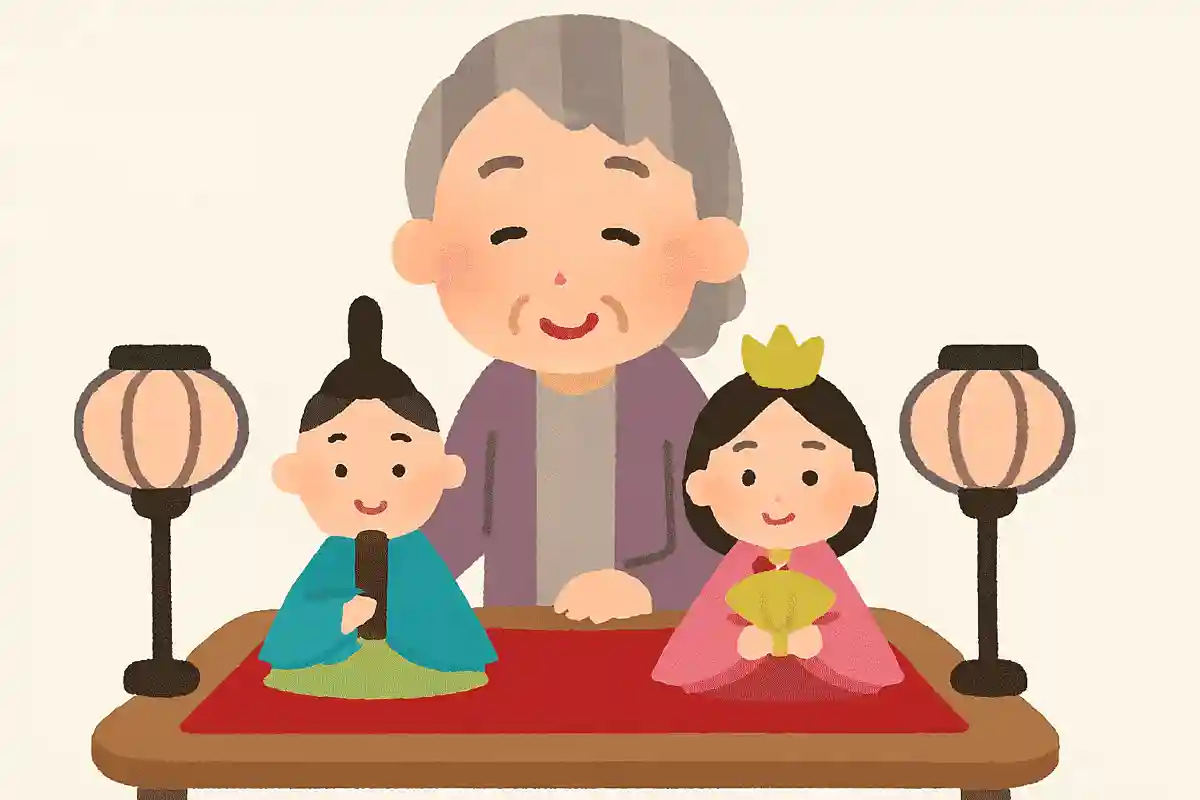
- Hanging Hina (traditional hanging Hina doll decorations)
- Hanging Hina (decorative hanging Hina dolls)
- Origami Hina (paper Hina dolls)
See the answer
Hanging Hina (traditional hanging Hina doll decorations)
In the Edo period, lavish hina dolls were very expensive and beyond the reach of ordinary people. It is said that this led mothers and grandmothers to handcraft small dolls from kimono scraps and hang them on strings, embedding wishes that children would never go hungry and would grow up healthy—thus marking the beginning of tsurushi-bina (hanging hina dolls).

In the Heian period, what kind of play was “hina-asobi,” which was beloved by aristocratic girls?
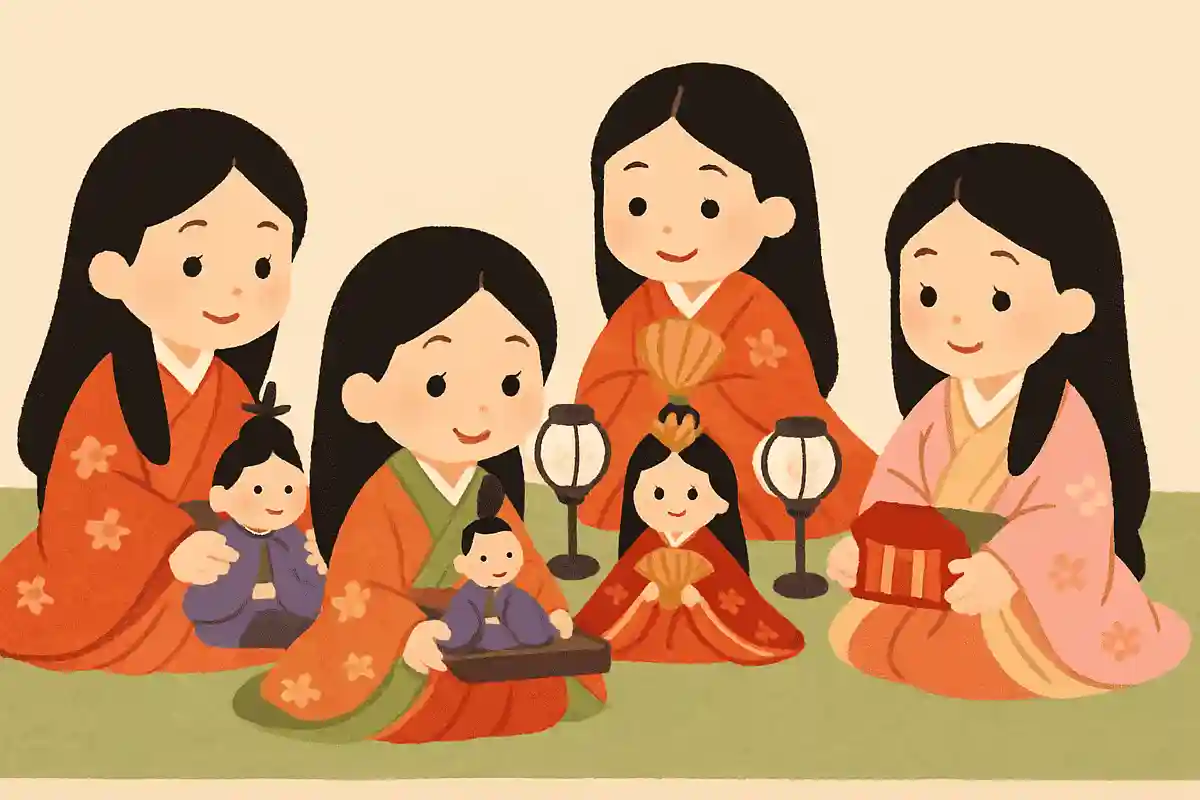
- Playing house with dolls
- A matching game using seashells
- Battledore and shuttlecock
See the answer
Playing house with dolls
The correct answer is playing house with dolls. In the Heian period, “hina-asobi” or “hiina-asobi” referred to a play activity using small dolls and miniatures that imitated houses and everyday tools—essentially what we would call modern-day make-believe or playing house. The word “hiina” carries the meaning of “something small and cute.” It is said that this play, combined with the ritual of floating dolls down a river to ward off misfortune, evolved into the custom of displaying the lavish Hina dolls seen today.
When is the best time to put away Hina dolls?
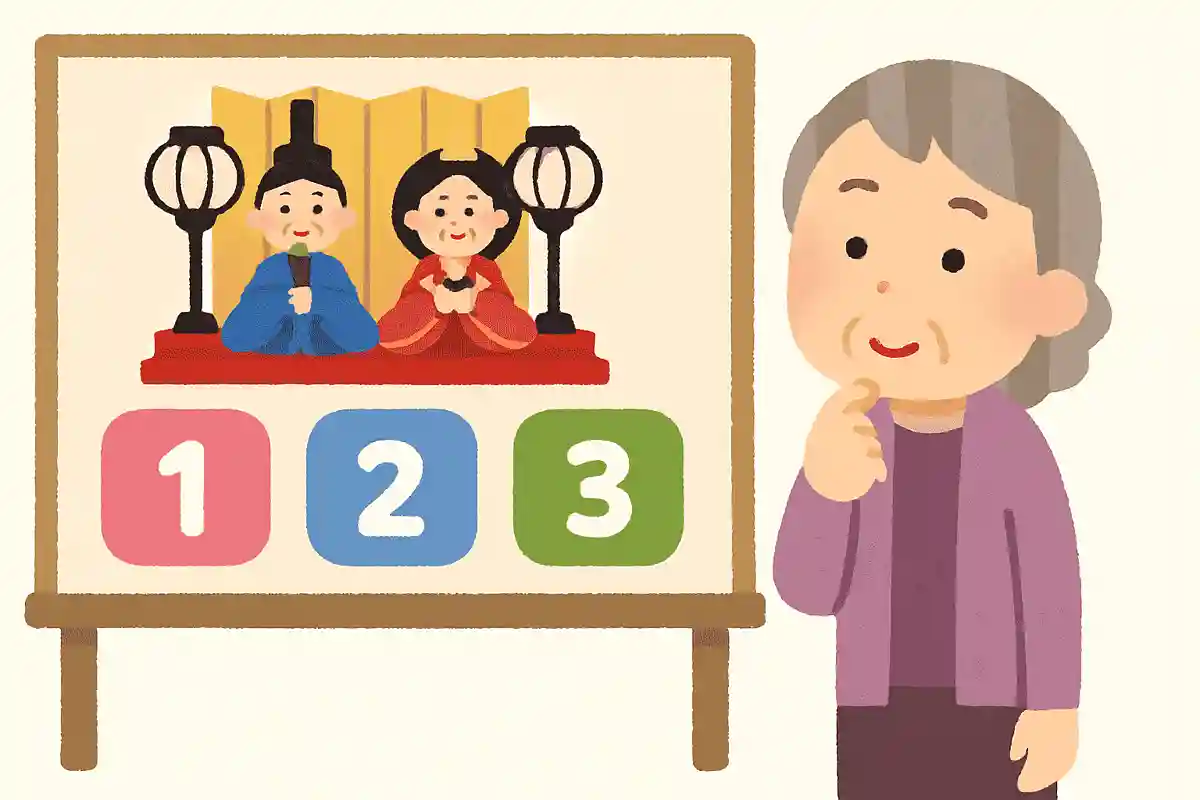
- The day before Hinamatsuri
- Right after the Doll Festival ends
- One month after the Doll Festival
See the answer
Right after the Doll Festival ends
Because Hina dolls are regarded as protective deities that take on misfortune in a child’s place, it’s considered best to put them away as soon as possible after the Doll Festival ends. There is a well-known traditional saying that “if you put them away late, your marriage will be delayed,” but there are no strict rules. Incidentally, some believe the best day to put them away is Keichitsu on March 5.
[For Seniors] Hina Matsuri Trivia Quiz & Fun Facts. Also Recommended for Dementia Prevention Activities (11–20)
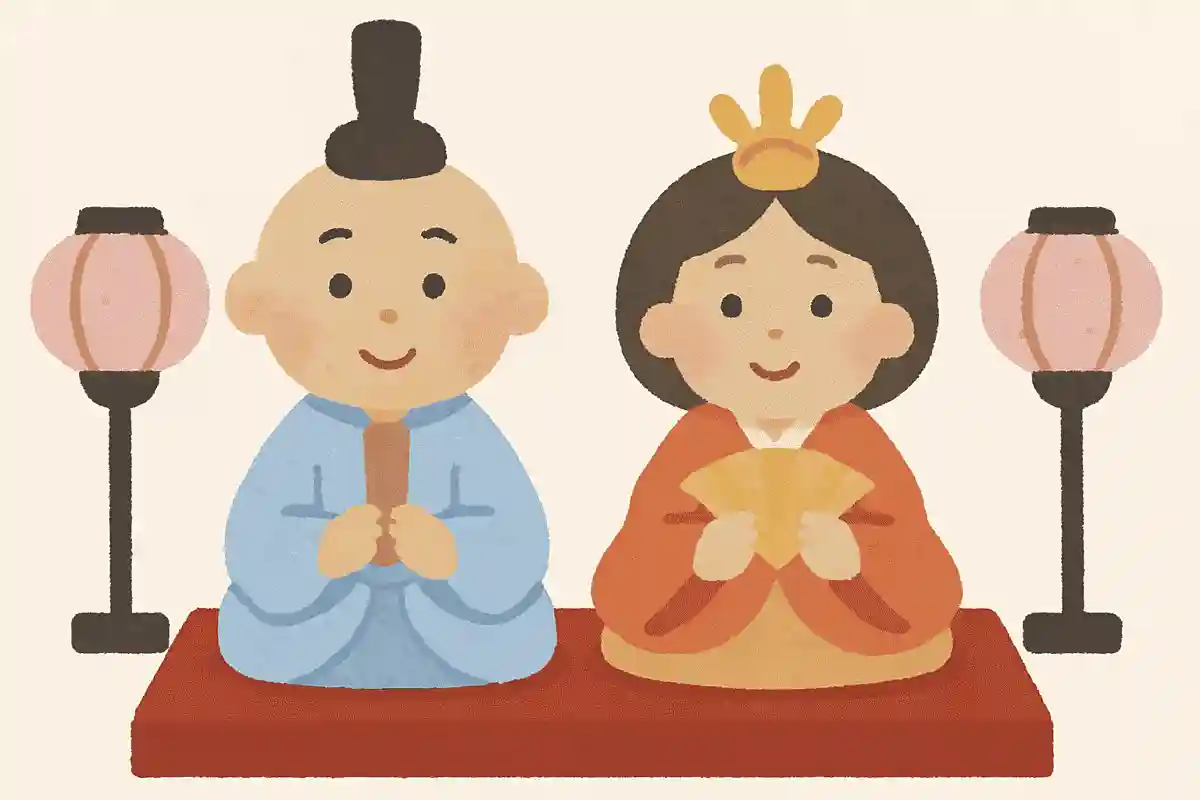
What are the unusual Hina dolls seen in Seto City, Aichi Prefecture made of?
- glass
- ceramics
- washi (traditional Japanese paper)
See the answer
ceramics
The correct answer is ceramics. Seto City in Aichi Prefecture is one of Japan’s leading pottery-producing regions with a history spanning over a thousand years, and it is also the origin of the word “setomono.” Every spring, the event “Ceramic Town: Seto Hina Meguri” is held in the area, during which Hina dolls crafted from pottery and porcelain that showcase artisans’ skills are displayed throughout the town.
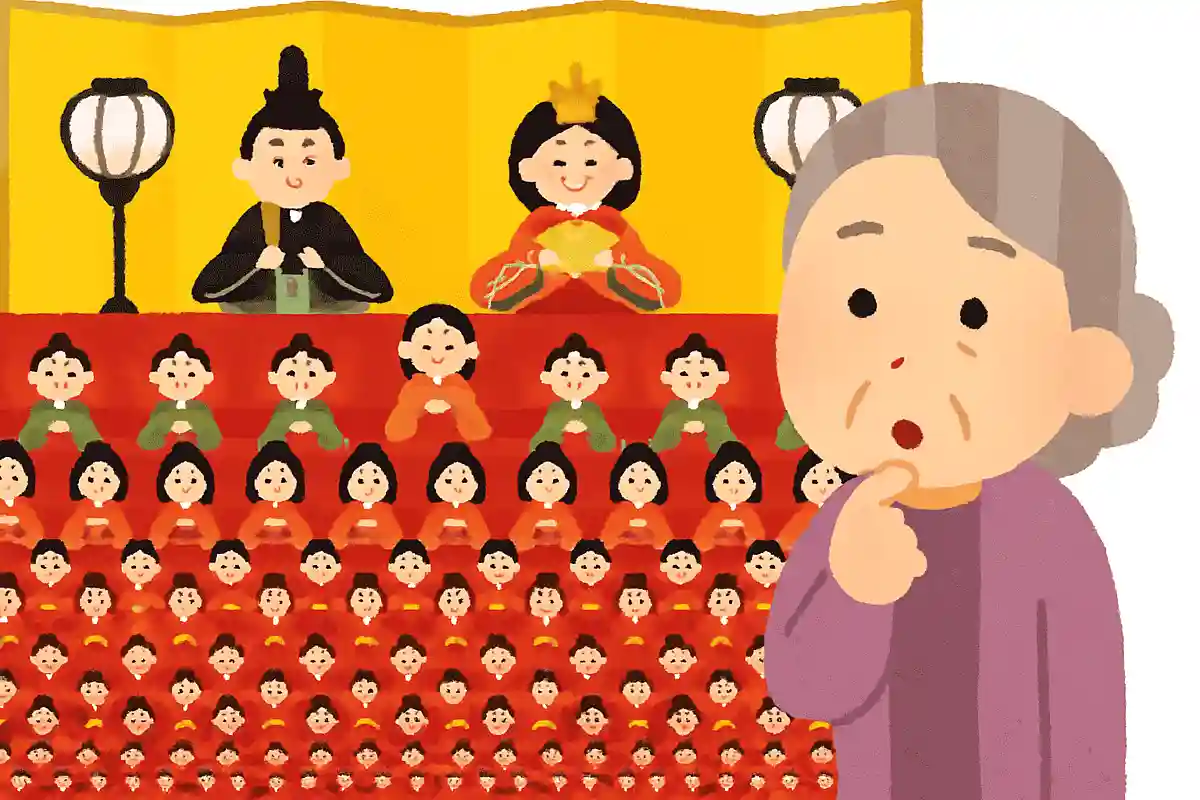
In which prefecture is the “Big Hina Festival,” where about 30,000 hina dolls are displayed, held?
- Tokushima Prefecture
- Nagasaki Prefecture
- Kyoto Prefecture
See the answer
Tokushima Prefecture
The “Big Hinamatsuri” is an event held annually in Katsuura Town, Tokushima Prefecture, and is considered a hallmark of spring. It began in 1988, and is said to have started by collecting hina dolls no longer displayed in homes from all over Japan, offering them a memorial service, and exhibiting them. At the center of the venue stands a massive pyramid-shaped “Hundred-Tier Hina Stand” about 8 meters tall, and the sight of roughly 30,000 dolls lavishly displayed throughout the venue is nothing short of breathtaking.
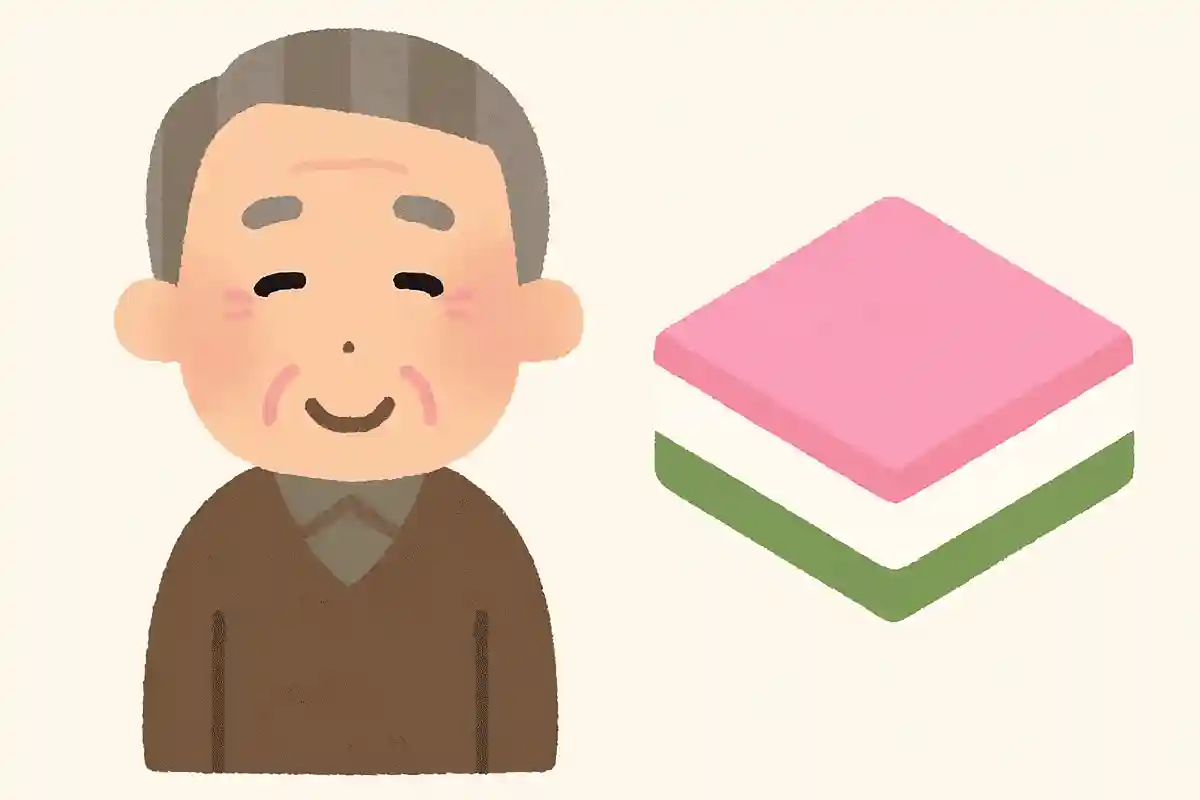
In addition to the theory that hishi mochi is diamond-shaped because it imitates the nut of the water chestnut (hishi), there is also a theory that it represents a certain part of the human body. What is that part?
- foot
- ear
- heart
See the answer
heart
The correct answer is “heart.” There’s a theory that the distinctive diamond shape of hishi-mochi imitates the shape of the water chestnut (hishi) fruit, but there’s also a theory that it actually represents the shape of a heart. The heart is the source of life, and it’s said that the shape was modeled after a heart to express parents’ wishes for their daughters to be healthy and live long lives.
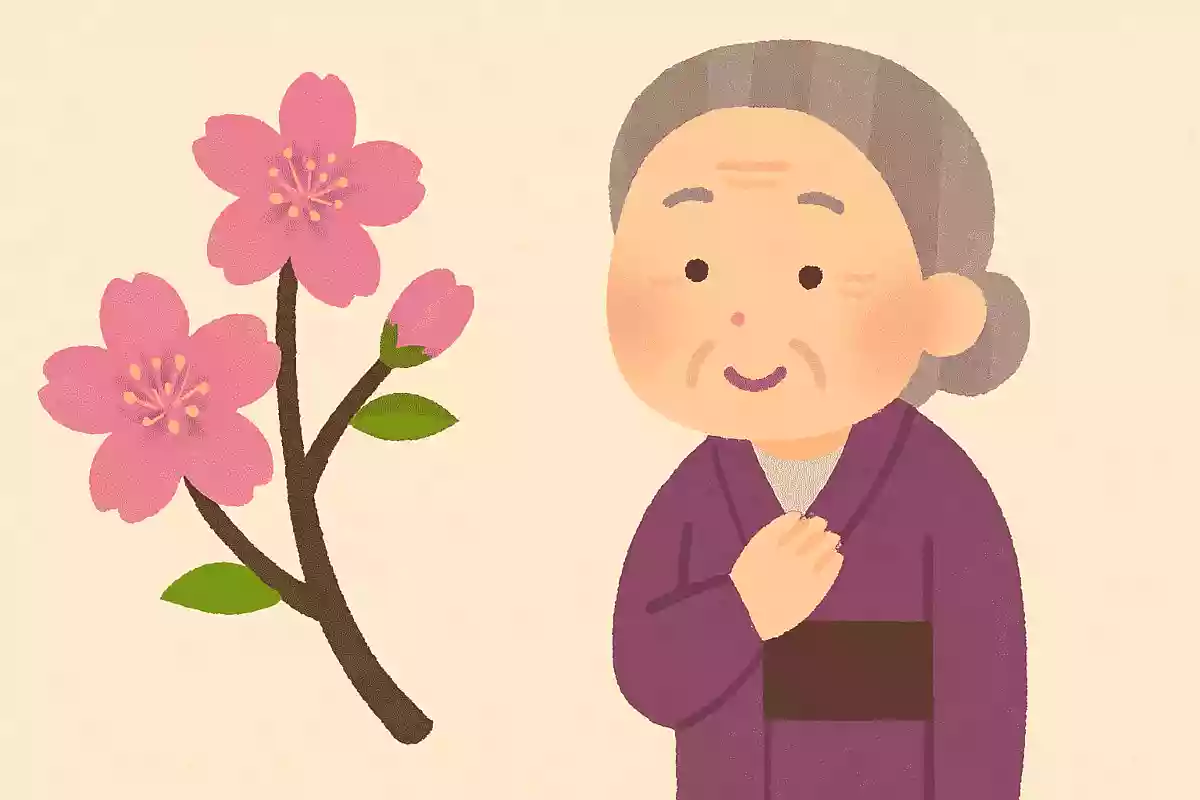
Hinamatsuri is also called the Peach Festival, and people decorate with peach blossoms—but what is the flower language (meaning) of peach blossoms?
- Best in the world
- peerless; unrivaled; invincible (lit. “matchless under heaven”)
- Peerless beauty
See the answer
peerless; unrivaled; invincible (lit. “matchless under heaven”)
One of the meanings of the peach flower is “invincible,” which originates from the story of Izanagi-no-Mikoto driving away demons by hurling peach fruits at them.
