

[For Seniors] Kanji Decomposition Quiz: Assemble the scattered characters

The Kanji Decomposition Quiz is a brain-training activity where you break down kanji into their radicals and parts, then infer and reconstruct the original character.
For older adults, recalling kanji they learned long ago can stimulate memory and activate the brain in a fun way.
It’s not too difficult, and there are small hints, so anyone can try it casually!
If you work on it with family or friends, it will spark conversation and create more smiles.
It’s a great quiz for recreation and for helping to prevent cognitive decline!
- [For Seniors] Recommended Brain Training! Classic Riddles
- [For Seniors] Perfect for Brain Training! Themed Hiragana Fill-in-the-Blank Quiz
- [For Seniors] A Brain-Training, Crowd-Pleasing Word Search Game
- [For Seniors] Difficult Country Names Kanji Quiz
- [For Seniors] Lively Wordplay Game: Fun Recreation for Elderly Care
- [For Seniors] Perfect for Dementia Prevention! Jumbled Kanji Quiz
- [For Seniors] Difficult-to-Read Kanji for Everyday Items: Take on a quiz full of surprises and discoveries
- [For Seniors] Fun and Exciting! Difficult Kanji Quiz
- [For Seniors] Challenging but Exciting! Kanji Quiz
- [For Seniors] Prevent Dementia with a Look-Alike Kanji Quiz! Introducing Commonly Confused Characters in a Multiple-Choice Format
- [For Seniors] How many can you read? A kanji quiz of familiar things that look readable but aren’t
- [For Seniors] Quiz on Kanji with Many Strokes
- [For Seniors] How many can you read? A comprehensive showcase of difficult food kanji
[For Seniors] Kanji Decomposition Quiz: Assemble the Scattered Characters (11–20)
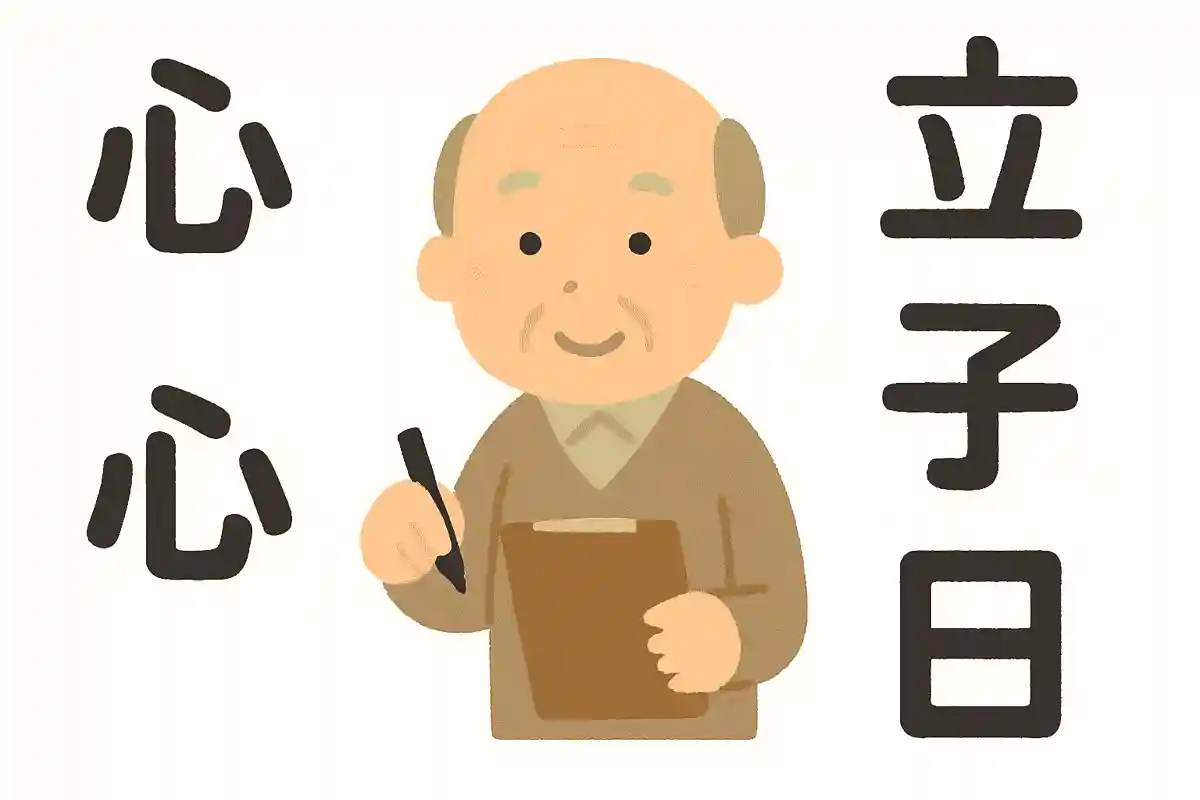
“heart” + “heart” + “stand” + “scholar/samurai” + “sun/day”
Translation
See the answer
will
In this problem, you combine five kanji—“心,” “心,” “立,” “士,” and “日”—to form a word. The answer is “意志” (will). Combining “心” + “心” forms “意,” and combining “立,” “士,” and “日” forms “志.” Putting these together gives the word “意志.” 意志 (ishi) refers to one’s will, intention, determination, or strong resolve.
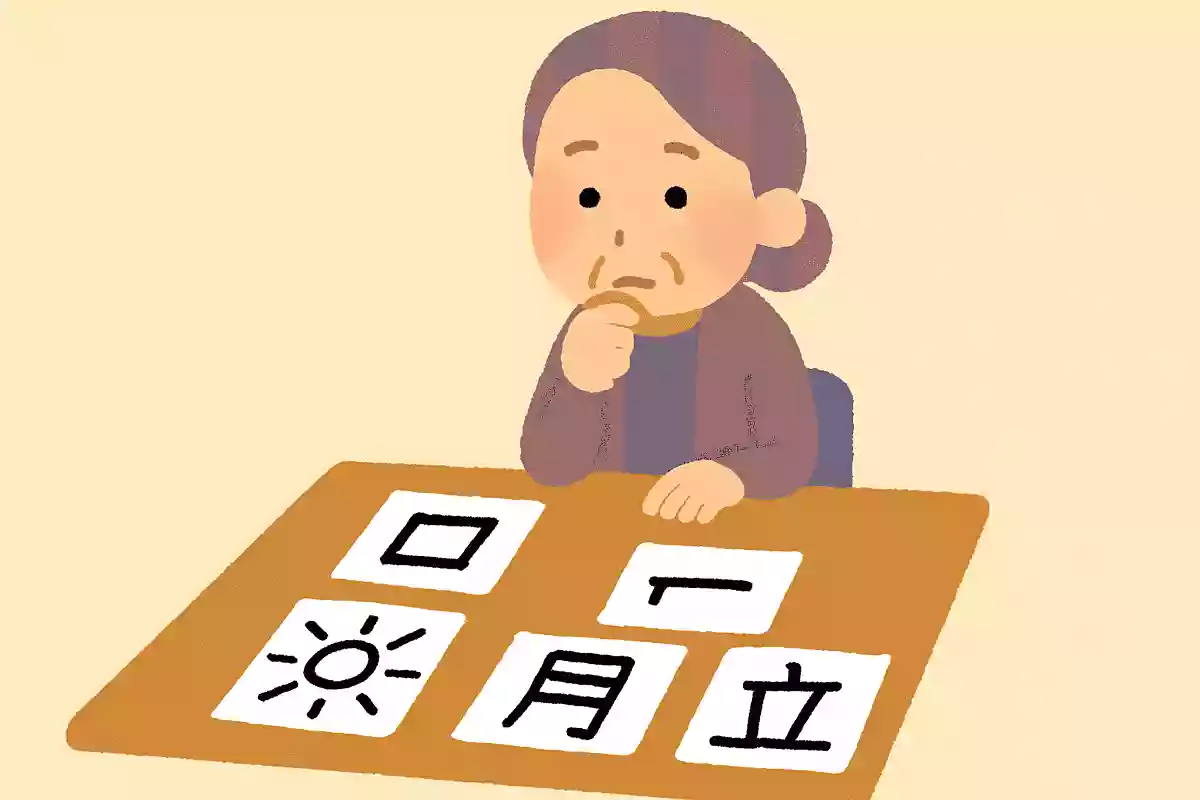
“Sun” + “one” + “stand” + “village”
One word
See the answer
pupil
In this puzzle, you combine four kanji—「日」, 「一」, 「立」, and 「里」—to form a word. The answer is 「瞳」 (hitomi). Combining 「日」 and 「一」 creates the part that forms 「目」 (eye). Combining 「立」 and 「里」 creates the component that represents 「瞳」. 「瞳」 refers to the black part inside the eye, that is, the pupil.
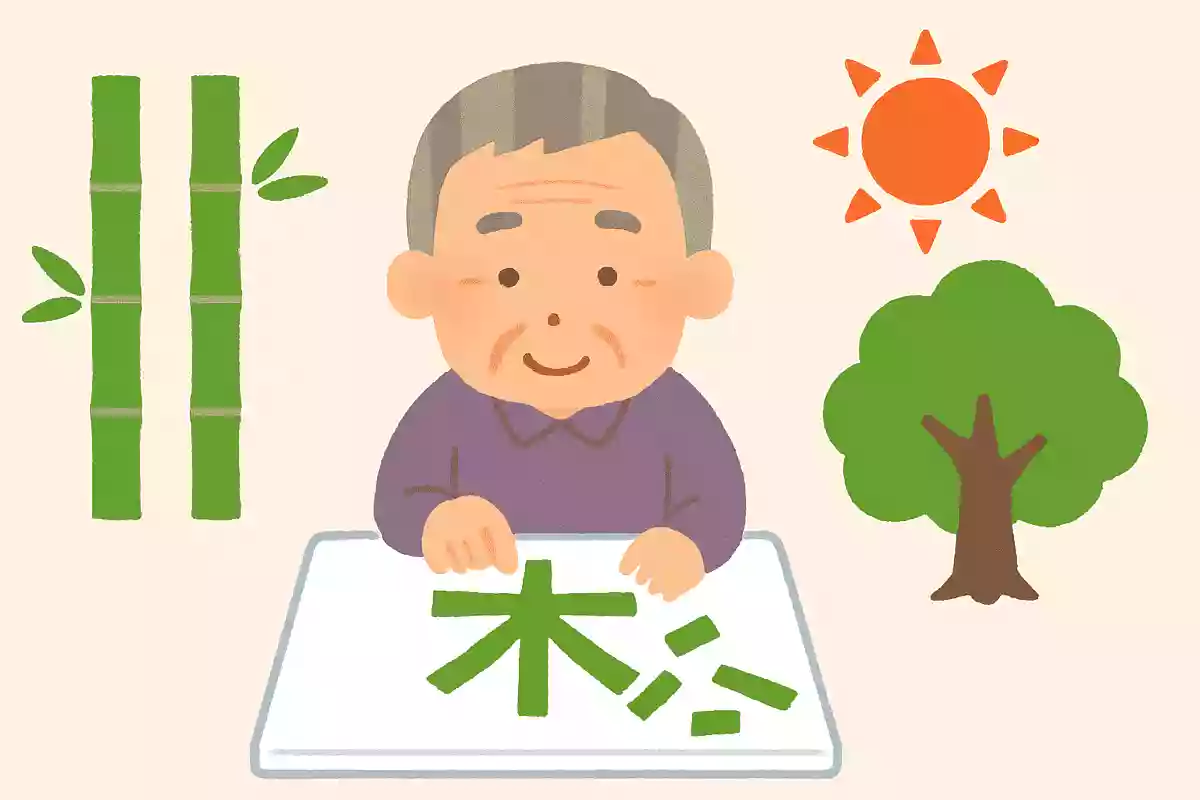
“bamboo” + “tree” + “sun/day” + “one”
One word
See the answer
box
In this puzzle, you combine four kanji—“竹” (bamboo), “木” (wood), “日” (sun/day), and “一” (one)—to form a word. The answer is “箱” (box). Combining “竹” and “木” yields the component that corresponds to “筐,” and combining “日” and “一” completes the remaining part of “箱.” “箱” refers to a container or box used for holding things.
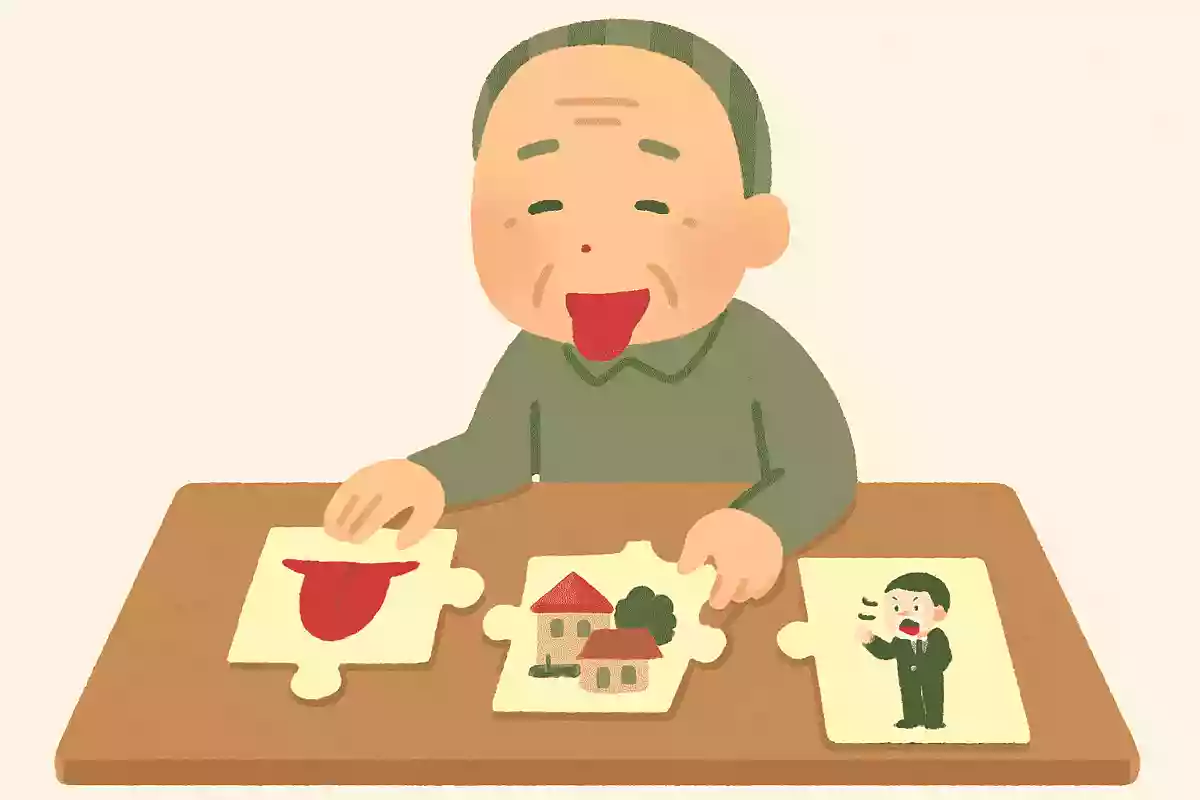
tongue + village + stand + speech
Translation
See the answer
fairy tale
In this puzzle, you combine four kanji—舌 (tongue), 里 (village), 立 (stand), and 言 (speech)—to form a word. The answer is 童話 (fairy tale). Combining 舌 and 里 makes 童, and combining 立 and 言 makes 話. Putting these together forms 童話, which refers to stories written for children.
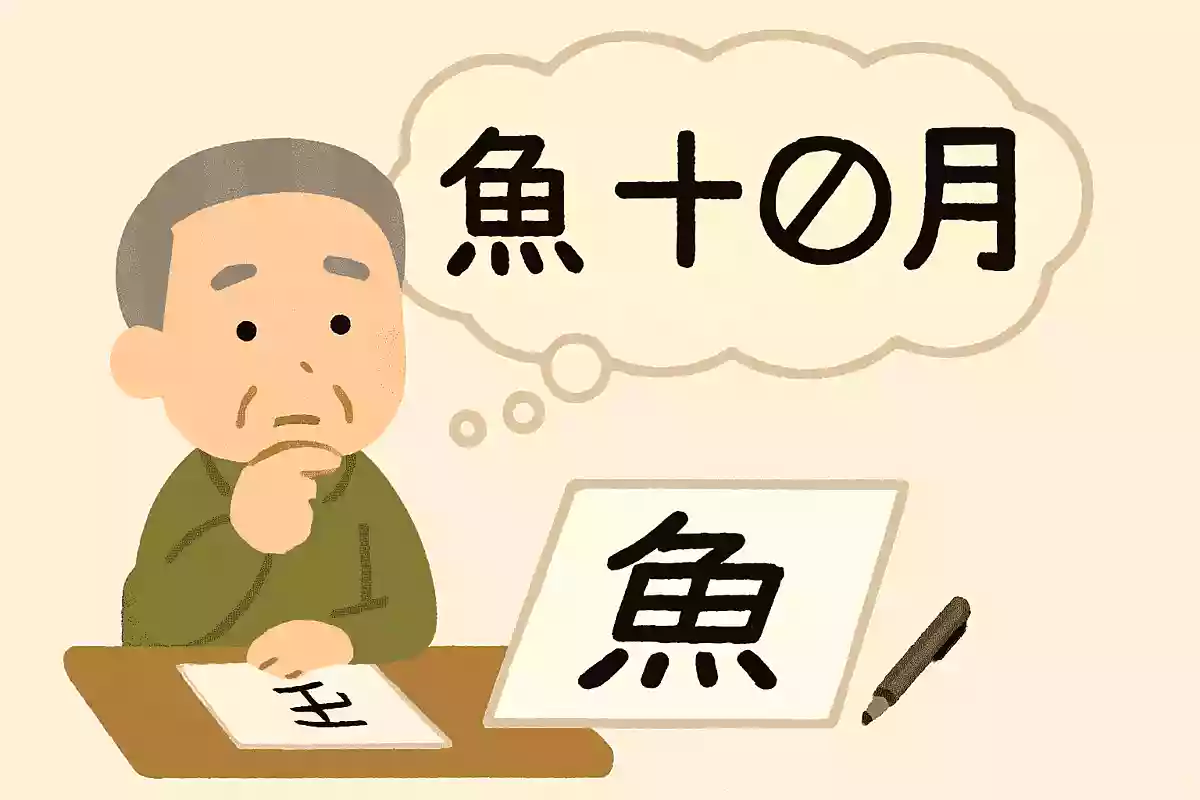
“fish” + “one” + “no” + “moon”
One word
See the answer
tuna
In this puzzle, you create a word by combining four kanji: 魚 (fish), 一 (one), ノ (no), and 月 (moon). The answer is 鮪. Combining 魚 and 一 forms the left “fish” radical of 鮪, and combining ノ and 月 completes the remaining part. 鮪 refers to tuna.
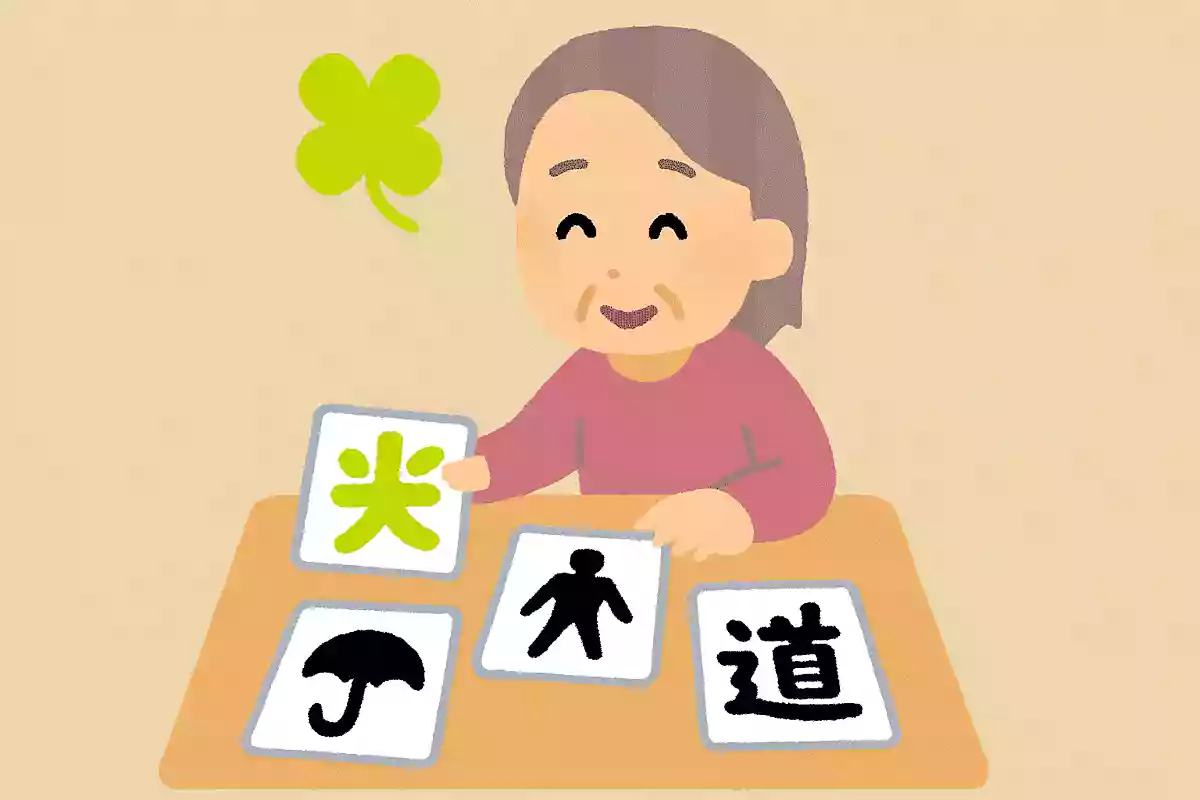
“Kichi” + “rain” + “kei” + “road”
Translation
See the answer
condensation
In this puzzle, you combine four kanji—“吉,” “雨,” “系,” and “路”—to form a word. The answer is “結露” (ketsuro, condensation). Combining “系” and “吉” gives “結,” and combining “雨” and “路” gives “露.” Together, they make the word “結露.” Condensation refers to the phenomenon where moisture in the air attaches to a cold surface and turns into water.
In conclusion
Kanji decomposition quizzes are an easy brain-training activity that naturally stimulates the mind while having fun, making them a perfect recreation for older adults. You can focus and work on them alone, of course, but tackling them together with family or friends in a lively way can also spark conversation. Let’s keep incorporating enjoyable, sustainable brain-health habits like these into our daily lives, so we can stay well in both mind and body.