

[For Seniors] You Can’t Help but Agree! Liven Things Up with Miso Trivia Quizzes and Fun Facts

Miso is a traditional fermented food that can truly be called a treasure of Japanese culinary culture.
In this feature, we present a fun trivia quiz and tidbits about the world of miso—its history, how it’s made, and its varieties—the more you learn, the deeper it gets.
What is tenchi-gaeshi (turning the ferment)? Where is Hatcho miso a local specialty? Which microorganisms are crucial for fermentation? It’s packed with questions you might think you know—but don’t.
We’ve prepared many intriguing topics that are great conversation starters with older adults as well.
Check your answers as you go, and let’s discover even more of miso’s untapped charms together.
- [For Seniors] How Many Can You Answer? Fun Sushi Trivia Quiz & Tidbits
- [For Seniors] Fun Food Trivia Quizzes You'll Want to Share
- [For Seniors] Trivia Quiz & Fun Facts for Everyday Life
- [For Seniors] Lively two-choice trivia quiz. Handy to know and tidbits you'll want to share with others
- [For Seniors] Fun Trivia Quiz with Autumn Foods! A Collection of Little-Known Facts
- [For Seniors] Summer Festival Trivia Quiz & Fun Facts. Enjoyable Quizzes That Boost Your Knowledge
- For Seniors: Useful Trivia Questions! Introducing Fun Facts Quizzes You'll Want to Share
- [For Seniors] Lively True-or-False Quiz: Fun Questions You Think You Know but Don’t
- [For Seniors] Super Amazing Trivia Quiz! Introducing Practical Tips for Everyday Life
- [For Seniors] Fun and Informative! Health Trivia Quiz
- [For Seniors] Boost Your Knowledge! Fun Trivia Quiz
- [For Seniors] Fun! Let’s Get Excited with Japan’s Number One Quiz
- [For Seniors] Hina Matsuri (Girls’ Day) Trivia Quiz & Fun Facts. Recommended for Dementia Prevention Activities
[For Seniors] Irresistibly Interesting! Let’s Have Fun with Miso Trivia Quizzes and Fun Facts (1–10)
There are four types of miso. We have rice miso, barley miso, blended miso, and what is the last one?
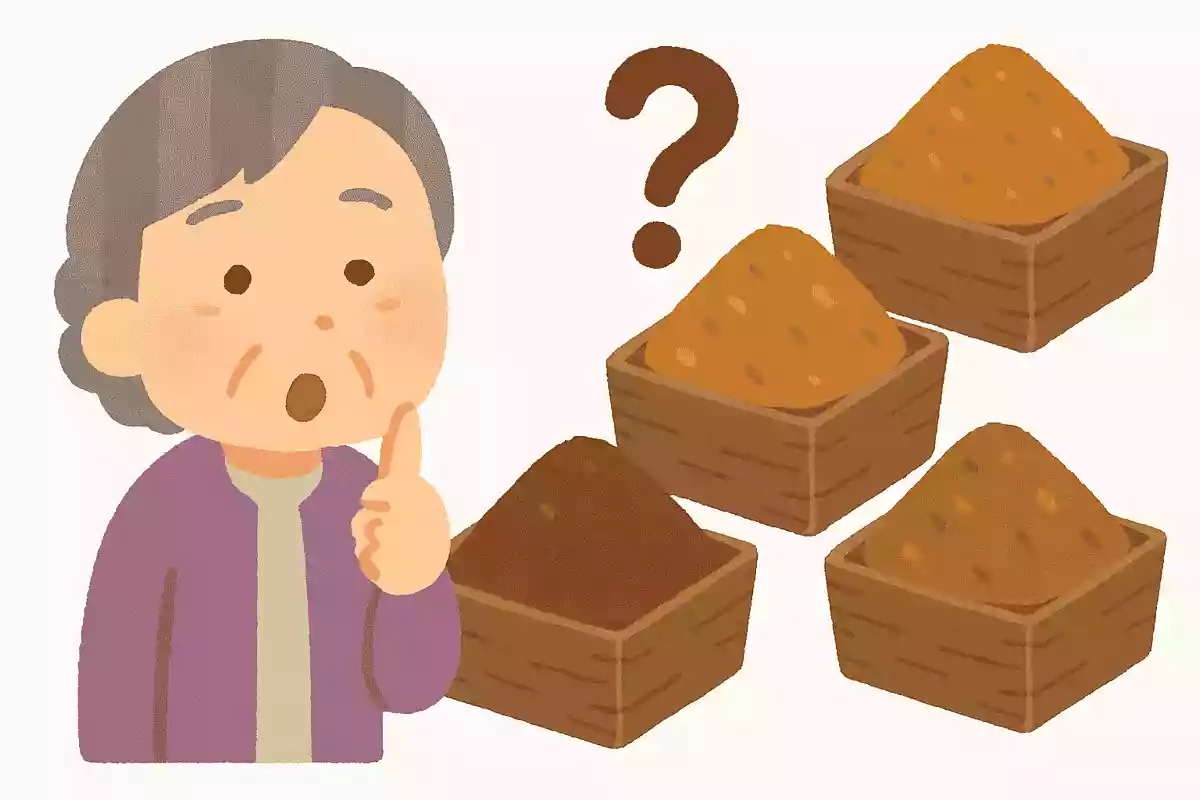
- mame miso (soybean miso)
- white miso
- sakura miso
See the answer
mame miso (soybean miso)
Kome miso (rice miso), mugi miso (barley miso), blended miso, and mame miso (soybean miso) are the four representative types of miso in Japan. Mame miso is made with soybeans and salt and is commonly used mainly in the Chubu region, including Aichi Prefecture. Incidentally, the most widely produced miso in Japan is kome miso (rice miso).

Miso is a fermented food that has been eaten in Japan since ancient times. Why did it develop as a food that makes use of fermentation?
- Because it makes the taste better.
- Because it becomes rich in nutrients.
- Because it improves preservability
See the answer
Because it improves preservability
Miso developed as a fermented food because fermentation makes it less prone to spoilage through the action of microorganisms, allowing it to be stored for long periods. In the past, unlike today, there were no appliances like refrigerators, so highly preservable miso was greatly valued. In addition, fermentation boosts its nutritional value, which is another reason it has long been loved by people.
Miso is a traditional Japanese seasoning, but what are its main ingredients?
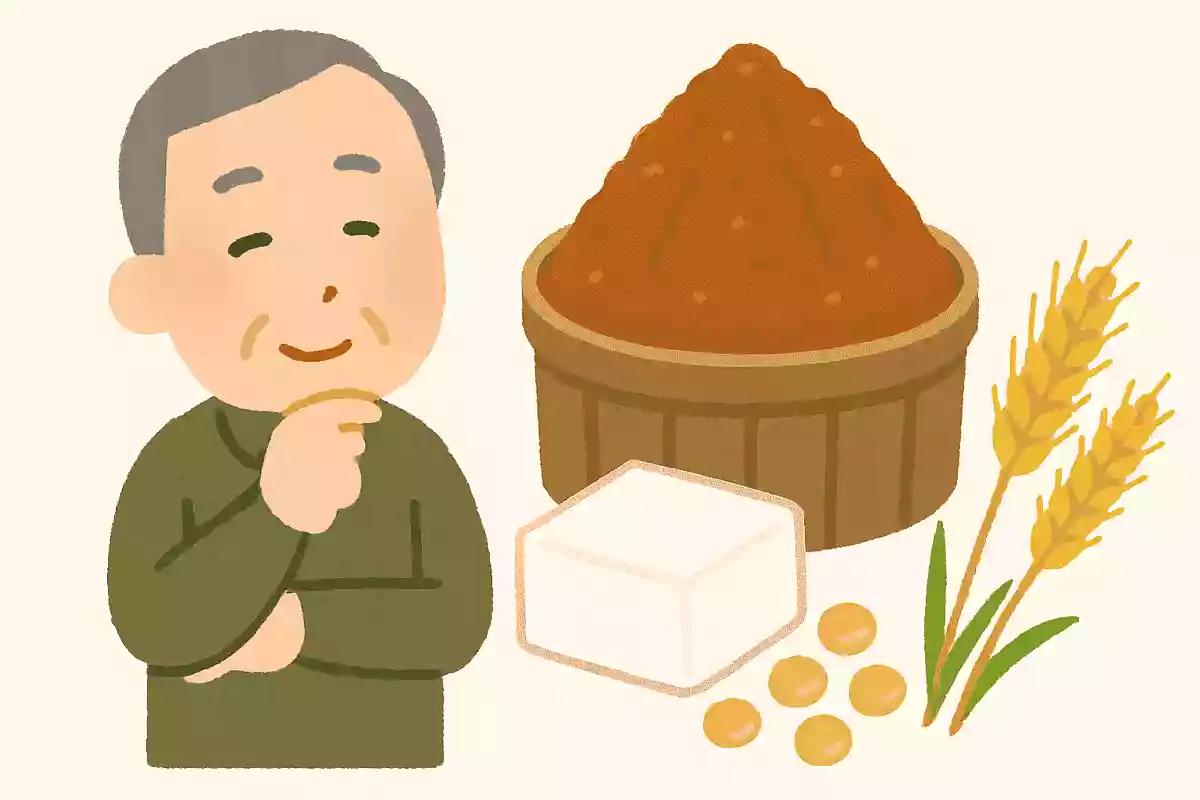
- soybean
- wheat
- soba
See the answer
soybean
Miso is a seasoning made primarily by fermenting soybeans. There are also varieties that include rice or barley, but the basic ingredient is soybeans. Soybeans are rich in vitamins, minerals, and protein, making miso highly nutritious and a seasoning that has long been loved in Japan.
[For Seniors] Irresistibly Convincing! Liven Up with Miso Trivia Quizzes & Fun Facts (11–20)
What role does the salt used in miso making play?
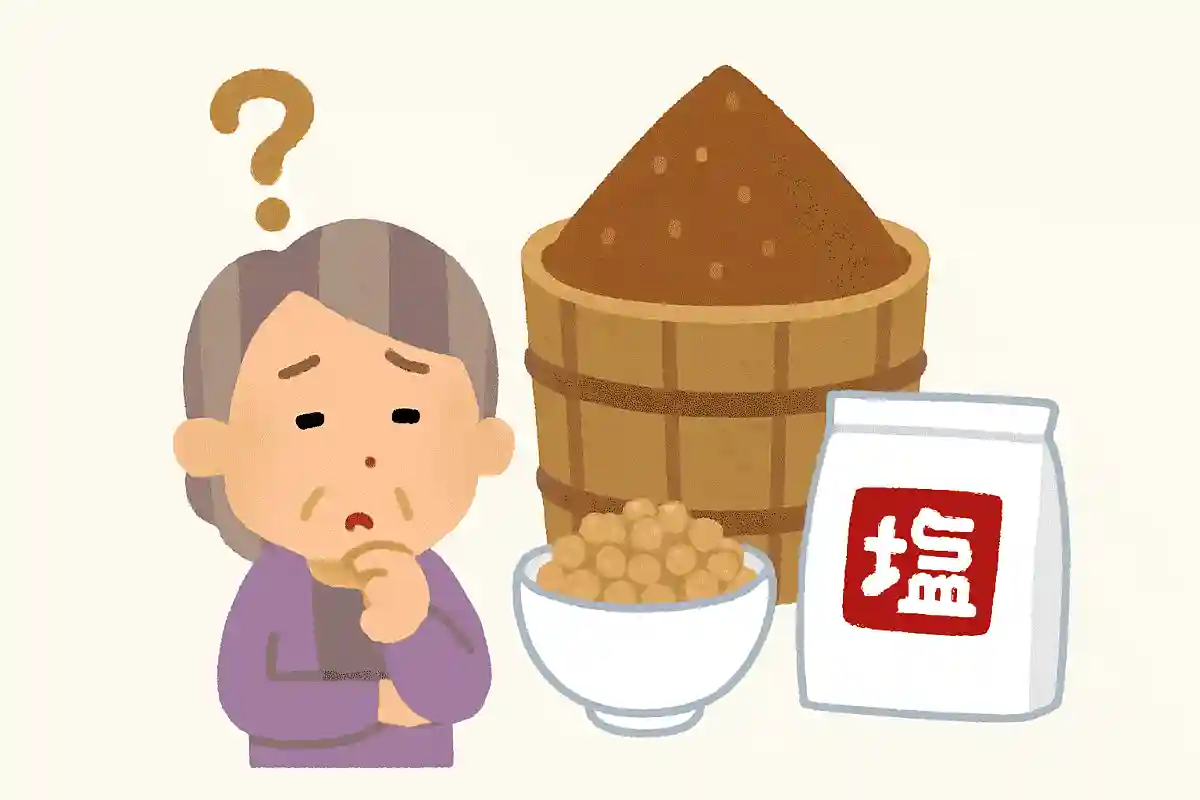
- Control fermentation to prevent the growth of unwanted bacteria.
- Make the miso color look nice
- Increase the moisture of the miso
See the answer
Control fermentation to prevent the growth of unwanted bacteria.
Salt plays a role in properly controlling miso fermentation and preventing the growth of unwanted bacteria. This results in safe and delicious miso. If you reduce the amount of salt, unwanted bacteria may proliferate, and in some cases the miso may not form properly.
What do you call the important step in miso making where you mix it by swapping the top and bottom layers?
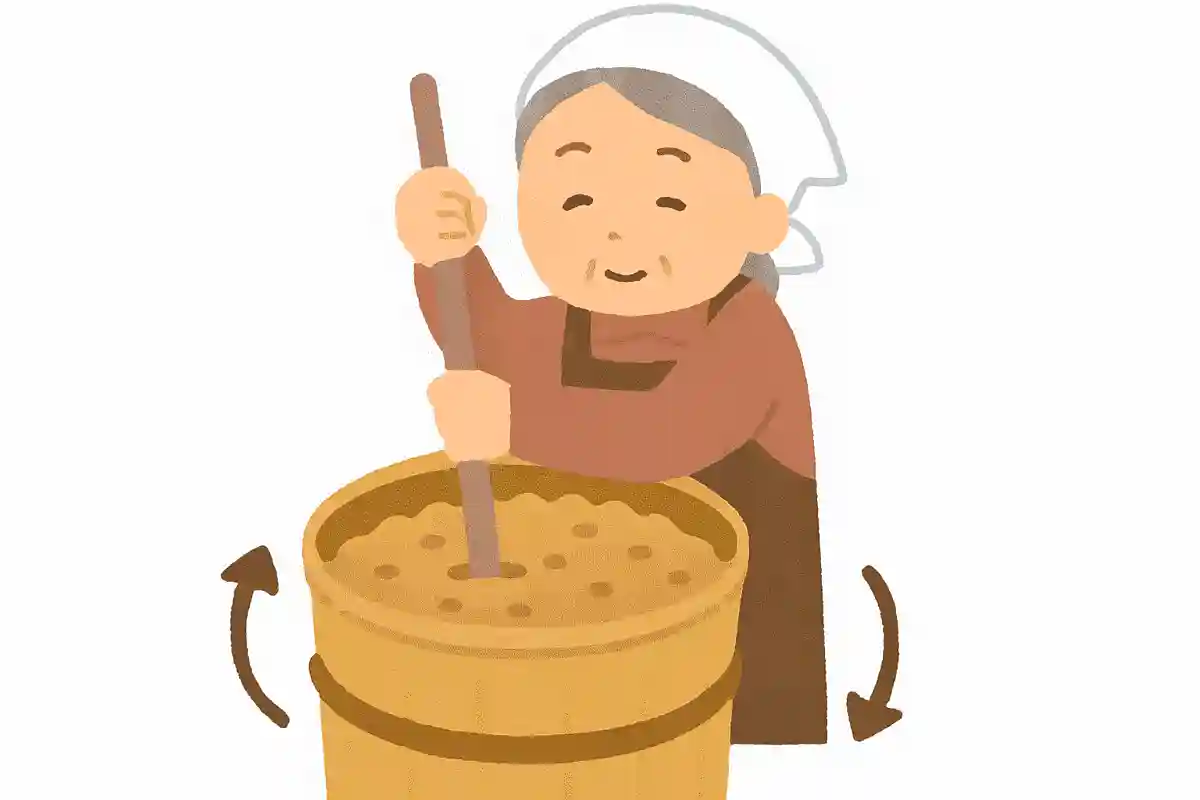
- stirring
- tenchigaeshi (turning over from top to bottom; literally “heaven-and-earth reversal”). Commonly refers to a fermentation technique in miso-making where the batch is flipped to aerate and even fermentation.
- inside out / upside down / turned over
See the answer
tenchigaeshi (turning over from top to bottom; literally “heaven-and-earth reversal”). Commonly refers to a fermentation technique in miso-making where the batch is flipped to aerate and even fermentation.
In miso making, the process of mixing to swap the top and bottom layers of miso is called “tenchigaeshi” (literally, turning heaven and earth). Exposing the soybeans to air activates microbial activity. It’s also an important step to ensure even fermentation and make delicious miso. In some regions it’s done several times, but generally once is considered sufficient.
What is the difference between red miso and white miso?
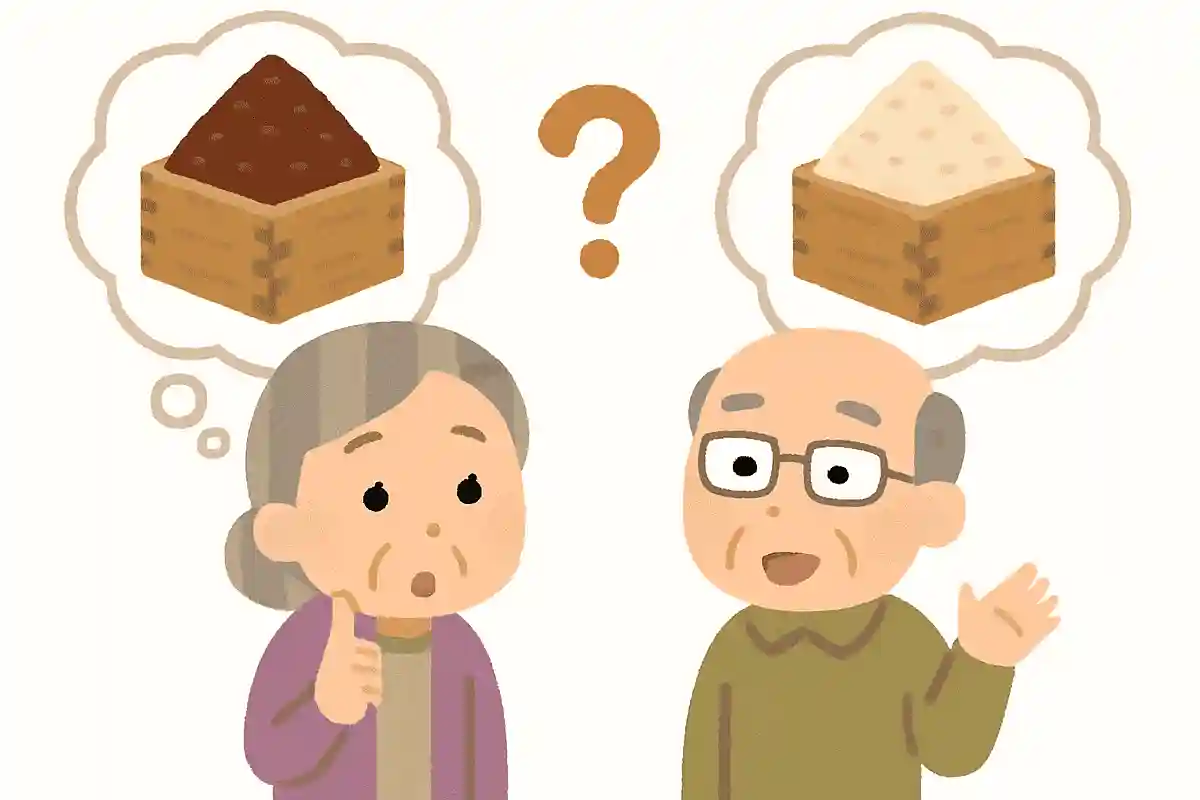
- Differences in the soybeans used as raw materials
- Differences in fermentation period
- Differences in salt content
See the answer
Differences in fermentation period
Red miso is fermented for a longer period, so it has a darker color and a richer flavor. In contrast, white miso has a shorter fermentation period, giving it a lighter color and a sweeter taste. There are also some differences in ingredients and salt content, but the main difference is the fermentation time.
When making miso from scratch, how soft should I cook the soybeans?
- to the extent that the skin peels
- Slightly formal
- Soft enough to be easily crushed with your fingers
See the answer
Soft enough to be easily crushed with your fingers
In miso making, boiling the soybeans until they’re soft enough to be easily crushed with your fingers makes them easier to mash and promotes fermentation. How you handle the soybeans is a very important point in miso making, and the soaking time and degree of cooking will affect the firmness of the finished miso.