

[For Seniors] Recommended for Brain Training! Ultra-Difficult Quizzes and Riddles

Quizzes are an easy activity to join and are one form of recreation that can help stimulate the brain.
Many senior and welfare facilities probably incorporate them as well, don’t they?
One of the great things about quizzes is that you can enjoy learning new facts and gaining new knowledge.
So this time, we’ve prepared a “Super-Difficult Quiz for Seniors” that’s a step up in difficulty from the usual quizzes!
In addition to quizzes, we’ve also gathered tough riddles and kanji problems.
These quizzes are on the challenging side, but solving them should give a real sense of accomplishment.
If the answers don’t come easily, try offering hints and have participants think their way to the solution.
Please make good use of the “Super-Difficult Quiz” and enjoy a fun time!
- [For Seniors] Fun Brain Training! A Collection of Tricky Quizzes You’ll Definitely Get Stumped By
- [Riddle Quiz for Seniors] Brain Training Perfect for Mental Exercise
- [For Seniors] Get Excited by Knowing the Answers! Tricky Quiz
- [For Seniors] Who Am I? Quiz: A Fun Set of Questions with Exciting Hints
- [For Seniors] Nostalgic quizzes that bring back memories! Showa-era entertainment and sports questions
- [For Seniors] Trivia Multiple-Choice Quiz
- [For Seniors] Today’s recommended quiz. Daily brain-training quiz!
- [For Seniors] Fun Riddles That Stimulate the Brain
- [For Seniors] Have Fun with Wordplay Characters! A Collection of Funny Puzzles
- [For Seniors] Fun Brain Training! Prefecture Quiz
- [For Seniors] Fun! Let’s Get Excited with Japan’s Number One Quiz
- [For Seniors] Lateral Thinking Game! Brain Training
- [Recreation for Seniors] Introducing Quizzes to Enjoy at Day Service Centers!
[For Seniors] Recommended for Brain Training! Ultra-Difficult Quizzes and Riddles (1–10)
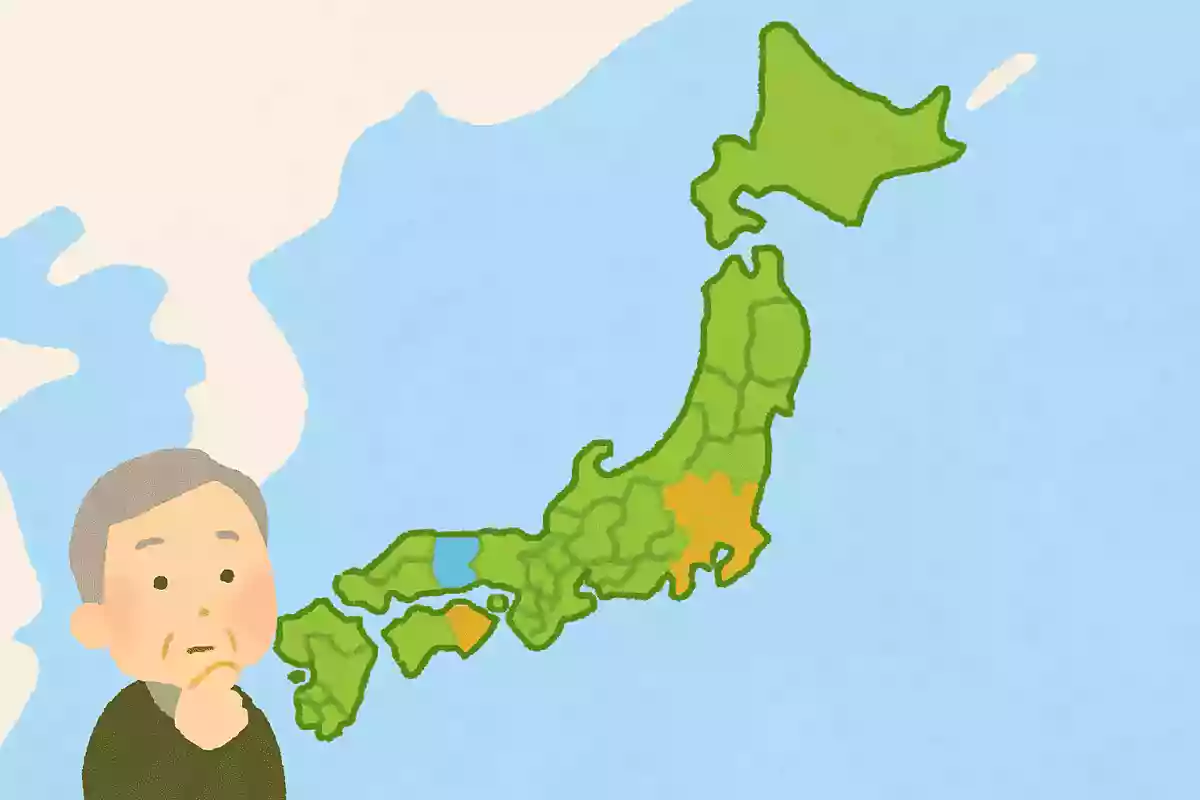
Which four prefectures contain animal kanji in their names?
See the answer
Gunma Prefecture, Kumamoto Prefecture, Tottori Prefecture, Kagoshima Prefecture
There are 47 prefectures in Japan, but only four of them have animal-related kanji in their names. Each prefecture has its own name origin, so you can look them up together and turn it into a trivia quiz for fun. Some older adults might even be very knowledgeable about the origins of these names.

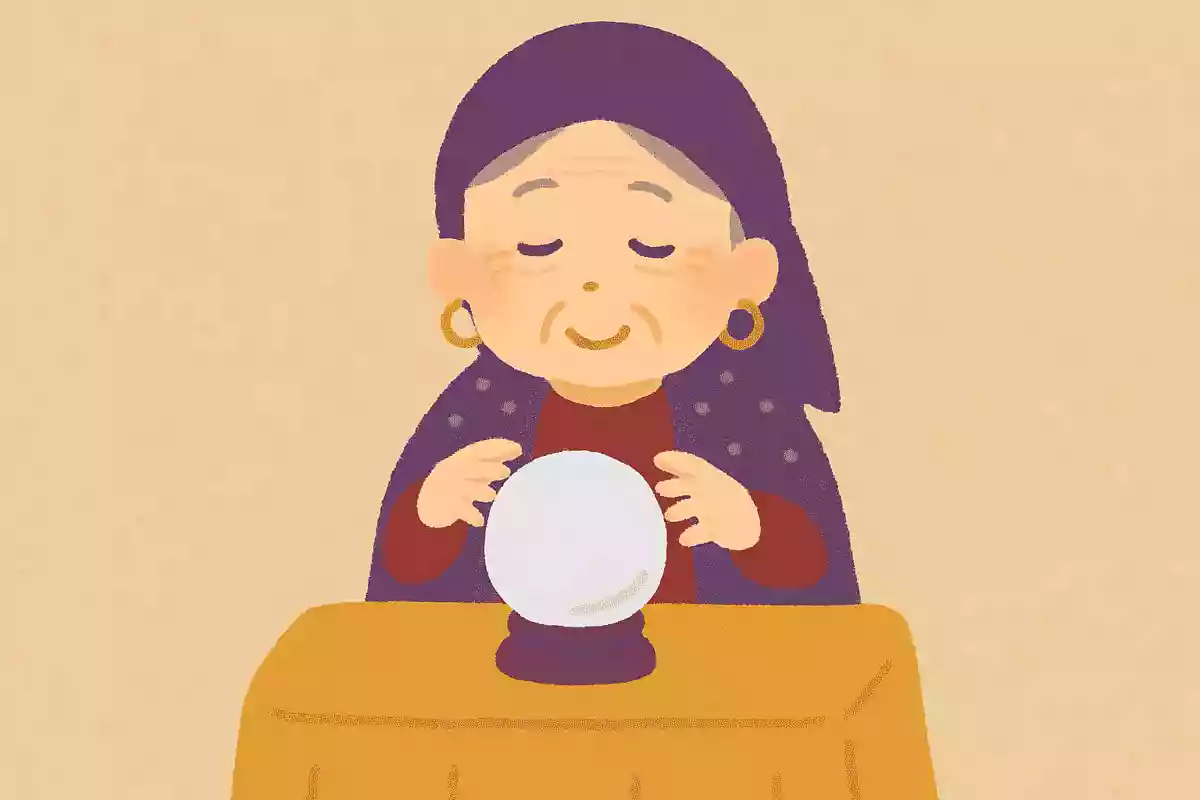
Fortune teller
See the answer
fortune-telling
It’s a riddle-like tricky question. If an elderly person is overthinking the answer, it might help to add, “This is a riddle.” The idea is to change “won’t sell it to me” (utte kurenai) to another phrasing, “won’t sell” (uranai). Then change “won’t sell” (uranai) to “fortune-telling” (uranai), and you’ll arrive at the answer.
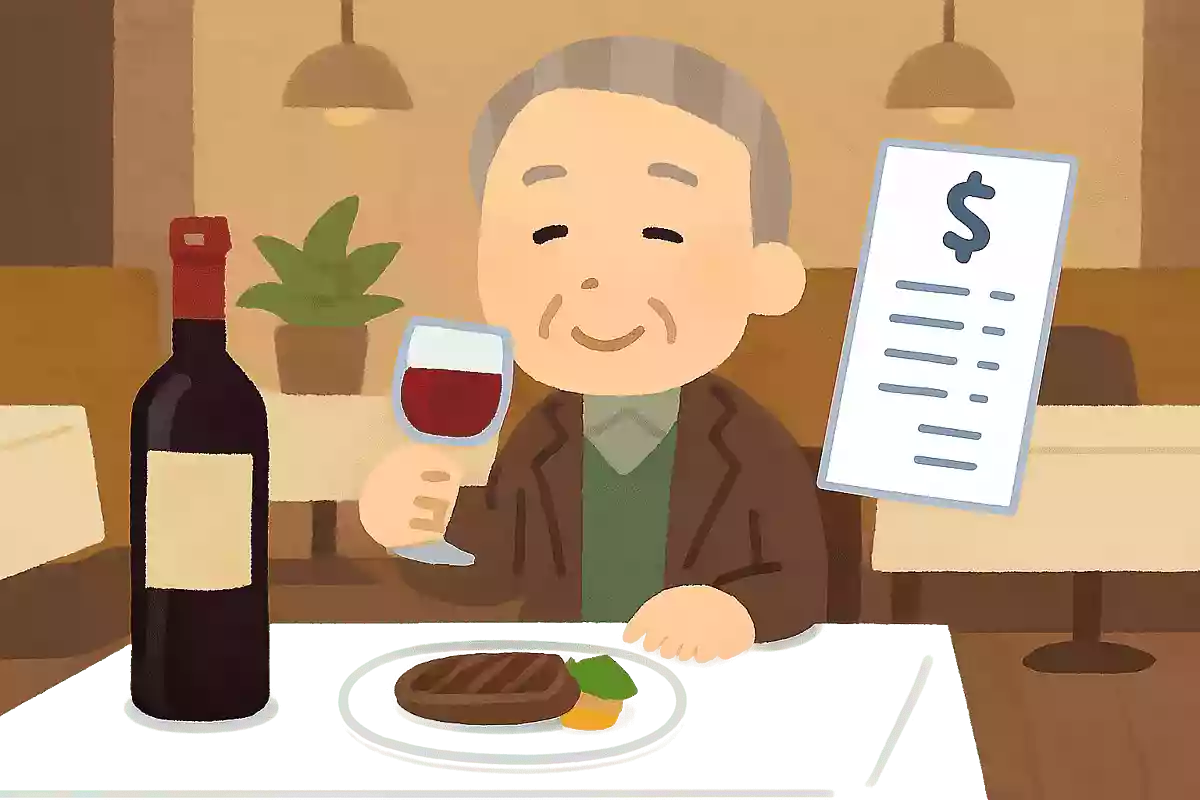
I drank an expensive wine costing 10 million yen per bottle at a restaurant. However, when it came time to pay, the wine was priced at 10,000 yen. Why was that?
See the answer
Because the stopper came off.
When you open a bottle of wine, you pull out the cork—a ‘stopper,’ right? Here’s a wordplay puzzle that links the stopper (栓, sen) with the ‘sen’ (千) in ten million yen. If you take sen (1000) out of 10,000,000 yen, you’re left with 10,000 yen. By the way, the famed Romanée-Conti, considered a top-tier wine worldwide, can cost as much as 10 million yen for a single glass, depending on the bottle.
[For Seniors] Great for Brain Training! Super-Difficult Quizzes and Riddles (11–20)
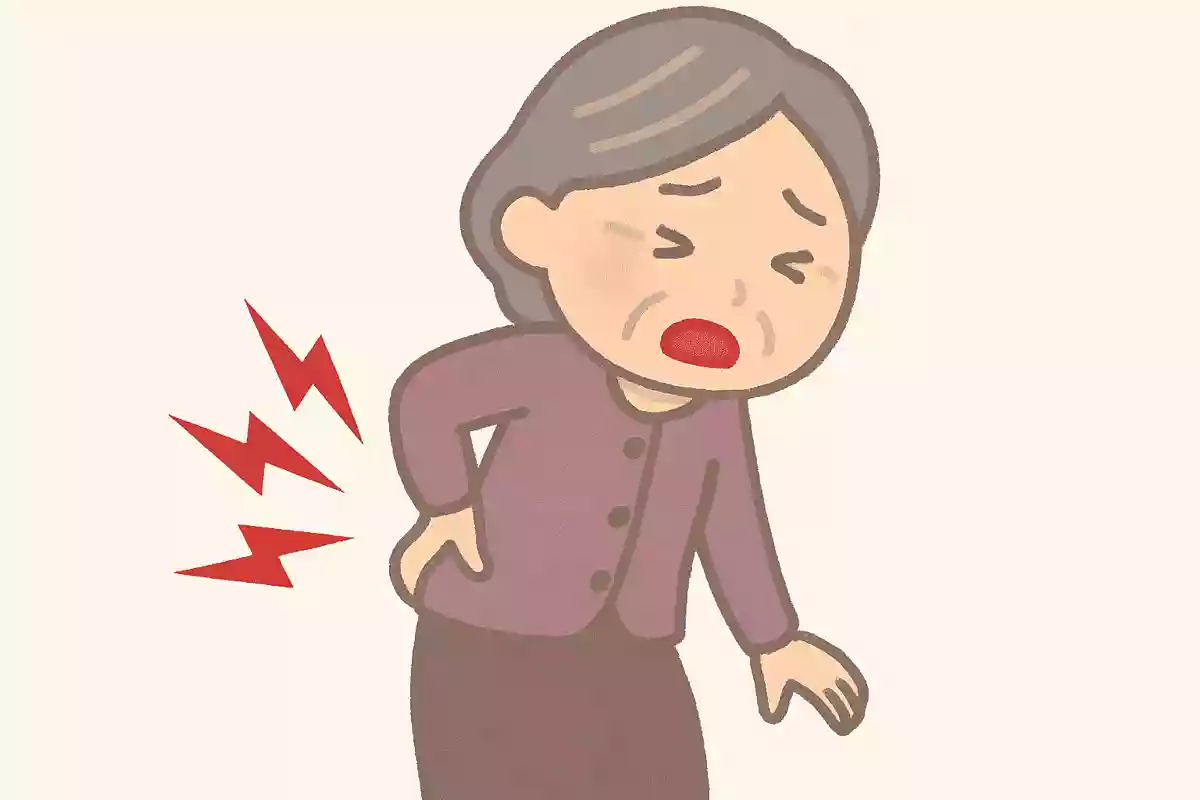
There is a symptom known in German as a “witch’s shot,” where a certain part of the body hurts. Which part is it?
See the answer
lower back; waist; hips
Some people hurt their lower back when lifting something heavy or bending their upper body forward. In Japan, we call this a “gikkuri-goshi,” but in Germany and other countries it’s known as a “witch’s shot.” Perhaps people thought it was the work of a witch because someone who was fine a moment ago can suddenly be in such agony that they can’t even walk. By the way, “gikkuri-goshi” isn’t the official term. The proper medical name is “acute low back pain.”
For some reason, there’s a certain prefectural road in Aomori Prefecture that cars can’t use. It’s not due to snow-related road restrictions. Why is that?

See the answer
Because it is a staircase
The “Staircase National Route 399” is the only national highway in Japan that cars can’t use. There are various reasons why a pedestrian path became a national highway. The plan was to upgrade it as a national highway, including the staircases that existed from the start, but it was never improved even after it was designated, and that remains the case today. It’s said that the roughly 70-meter elevation difference and the densely packed settlement made road development impossible. It has now become a tourist spot, so some older people may have visited it as well.
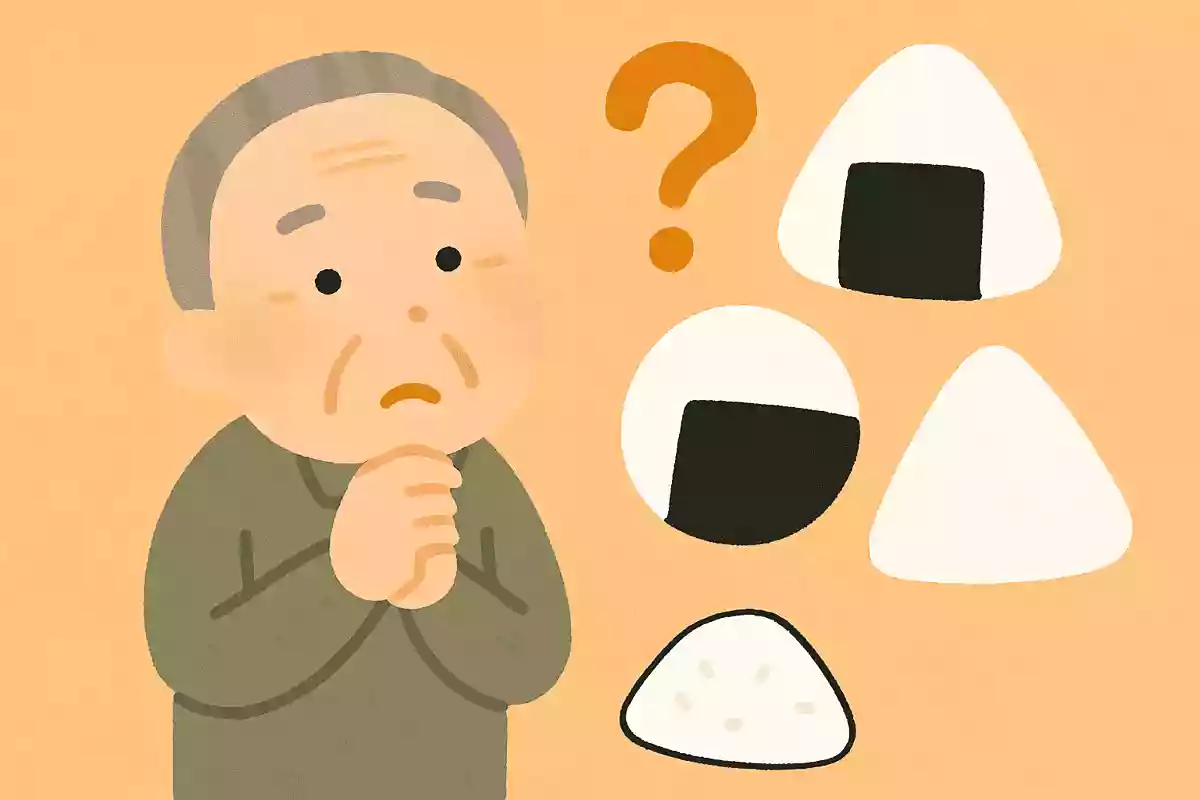
Onigiri, which are shaped into triangles or rounds and wrapped with nori to eat—since when have people been eating them?
See the answer
Yayoi period
Onigiri, which you can easily eat by molding rice into a ball, is a familiar food for many older people, isn’t it? Its history is very old—apparently it dates back to the Yayoi period. At an archaeological site in Ishikawa Prefecture, a fossil resembling chimaki was discovered: steamed glutinous rice that had been pressed together and grilled. It may be an everyday food, but it seems to have a long history.
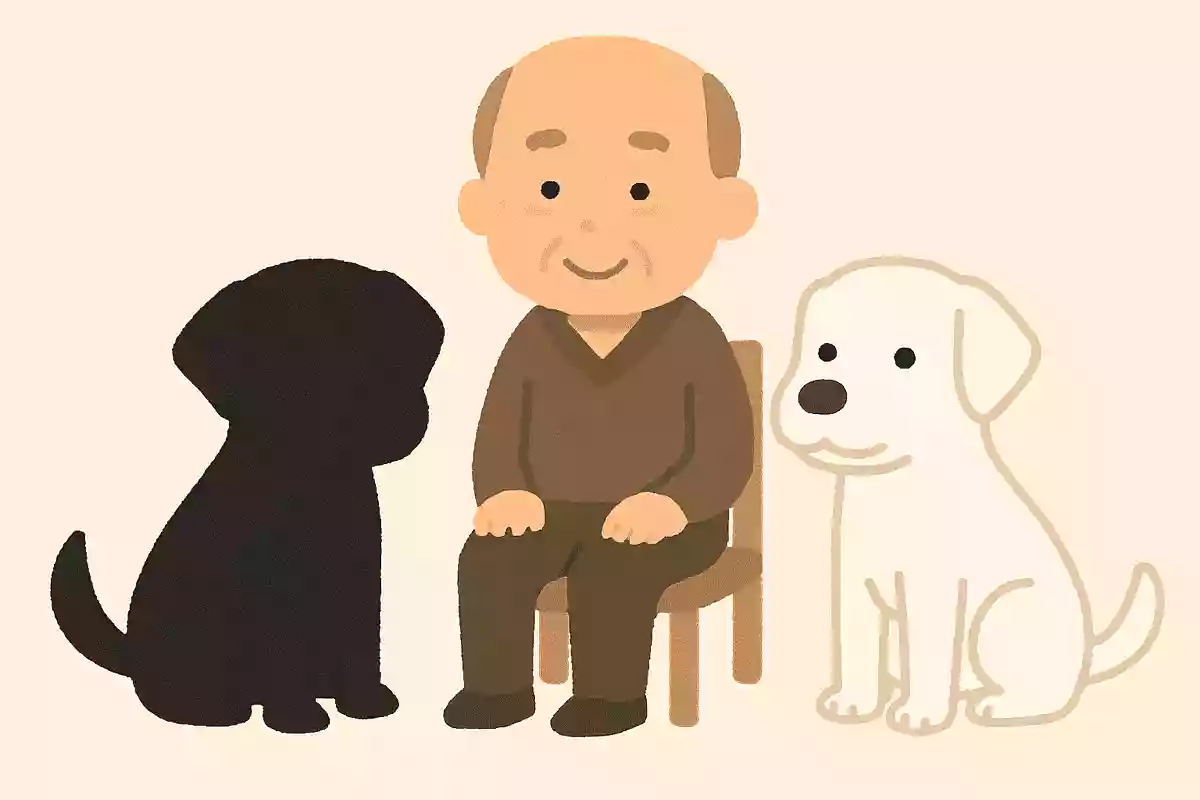
Taro has a ‘black dog’ and a ‘white dog.’ Which dog is the calmer one?
See the answer
black dog
It’s a riddle-style, super difficult quiz. For elderly people who are good with kanji, it might be easy to solve. If you focus on the dog’s color, you can split it into the characters for “dog” and “black.” Combine those two and you get the kanji “黙” (silent). From “to be silent,” you can infer that a quiet dog would be a “black dog.”