

![[For Seniors] Recommended for Brain Training! Ultra-Difficult Quizzes and Riddles](https://media.ragnet.co.jp/img/1200__png__https://www.studiorag.com/files/2025/05/53f927b76d5b589cc526151d570d6aa7.webp)

Quizzes are an easy activity to join and are one form of recreation that can help stimulate the brain.
Many senior and welfare facilities probably incorporate them as well, don’t they?
One of the great things about quizzes is that you can enjoy learning new facts and gaining new knowledge.
So this time, we’ve prepared a “Super-Difficult Quiz for Seniors” that’s a step up in difficulty from the usual quizzes!
In addition to quizzes, we’ve also gathered tough riddles and kanji problems.
These quizzes are on the challenging side, but solving them should give a real sense of accomplishment.
If the answers don’t come easily, try offering hints and have participants think their way to the solution.
Please make good use of the “Super-Difficult Quiz” and enjoy a fun time!
- [For Seniors] Fun Brain Training! A Collection of Tricky Quizzes You’ll Definitely Get Stumped By
- [Riddle Quiz for Seniors] Brain Training Perfect for Mental Exercise
- [For Seniors] Get Excited by Knowing the Answers! Tricky Quiz
- [For Seniors] Who Am I? Quiz: A Fun Set of Questions with Exciting Hints
- [For Seniors] Nostalgic quizzes that bring back memories! Showa-era entertainment and sports questions
- [For Seniors] Trivia Multiple-Choice Quiz
- [For Seniors] Today’s recommended quiz. Daily brain-training quiz!
- [For Seniors] Fun Riddles That Stimulate the Brain
- [For Seniors] Have Fun with Wordplay Characters! A Collection of Funny Puzzles
- [For Seniors] Fun Brain Training! Prefecture Quiz
- [For Seniors] Fun! Let’s Get Excited with Japan’s Number One Quiz
- [For Seniors] Lateral Thinking Game! Brain Training
- [Recreation for Seniors] Introducing Quizzes to Enjoy at Day Service Centers!
[For Seniors] Recommended for Brain Training! Ultra-Difficult Quizzes and Riddles (1–10)
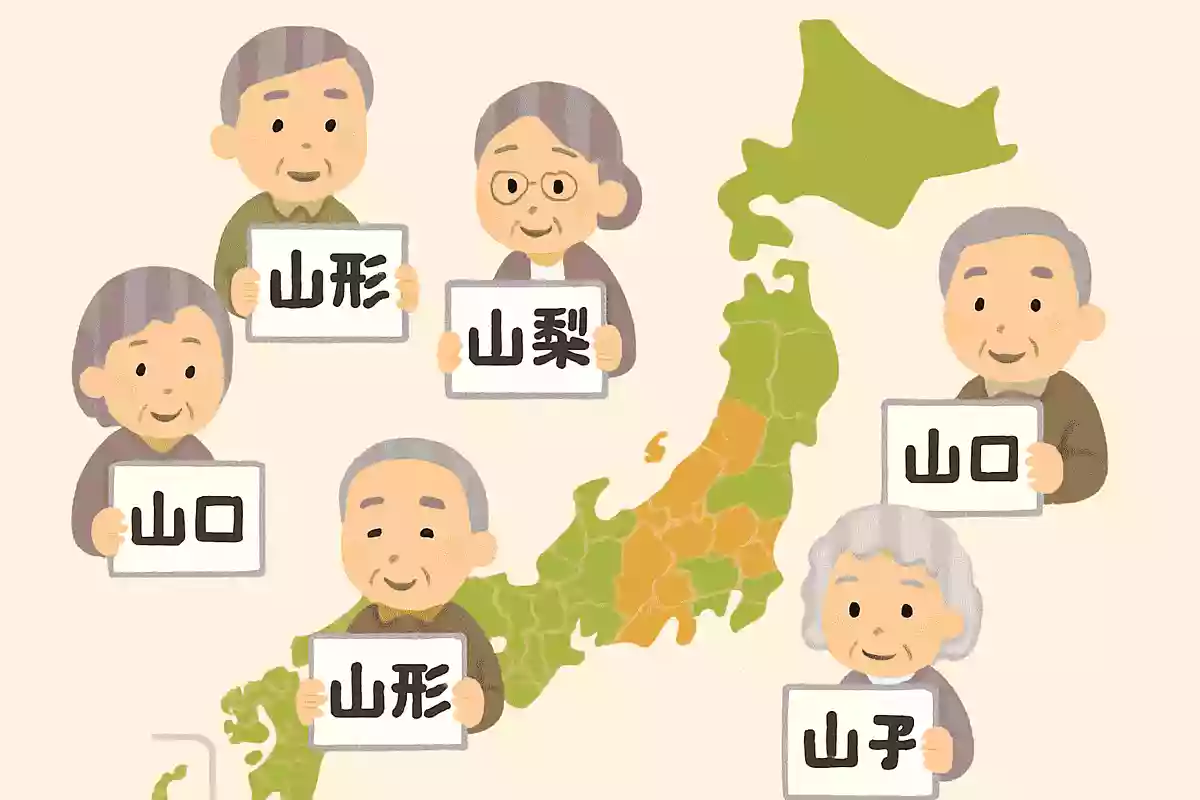
There are six prefectures in Japan whose names include the character for “mountain” (yama). Let’s try to name them all!
See the answer
Yamagata Prefecture, Yamanashi Prefecture, Toyama Prefecture, Okayama Prefecture, Yamaguchi Prefecture, Wakayama Prefecture
For seniors who are good at geography, this should feel like an easy question. Some may recall the answer and think, “That’s right!” There might even be places you’ve visited in the past on trips. Remembering your own knowledge also helps keep your brain active.

What is the flower that comes out when you order ramen?
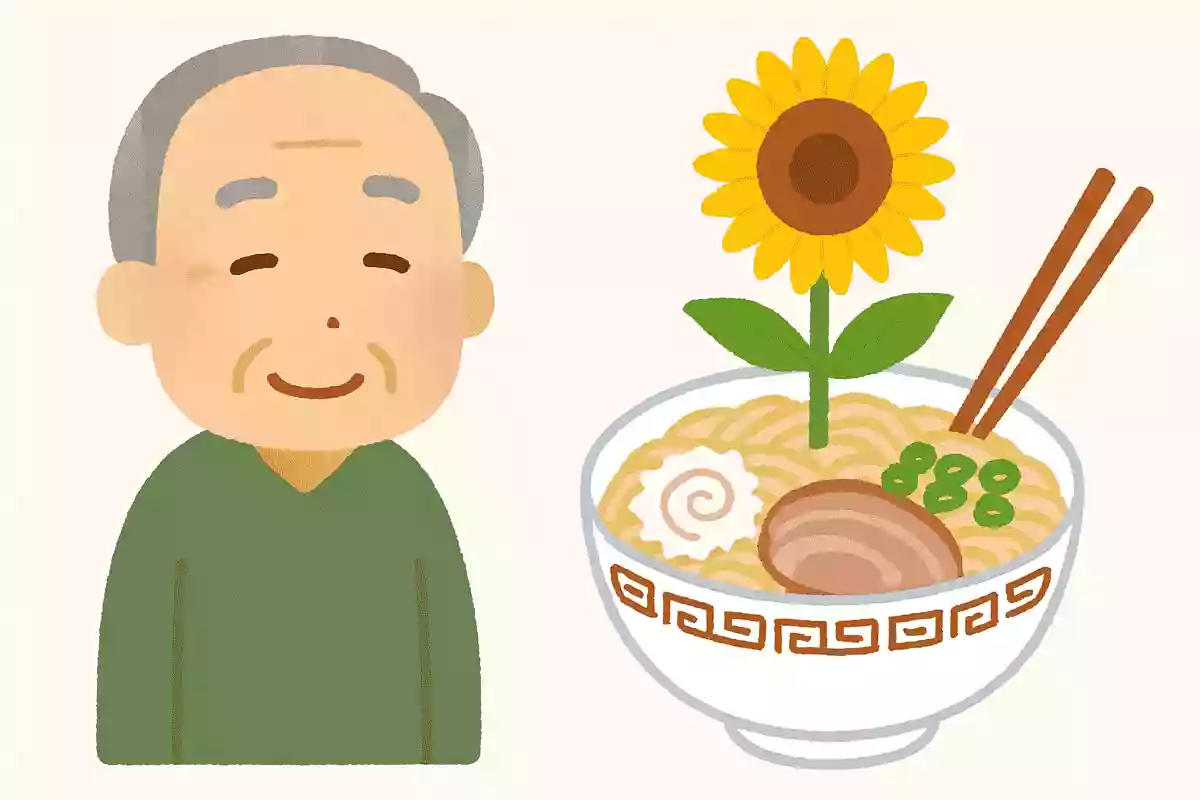
This is a riddle where you find the answer by thinking simply.
What flower appears when you order ramen? If you imagine what it looks like when the ramen is actually served, you might figure it out.
The answer is “renge.” The utensil used to sip the soup is called a renge (Chinese-style soup spoon)! The lotus flower is also pronounced “renge” in Japanese.
Some of you may have figured it out right away.
It’s a fun riddle, so try asking it to people around you!
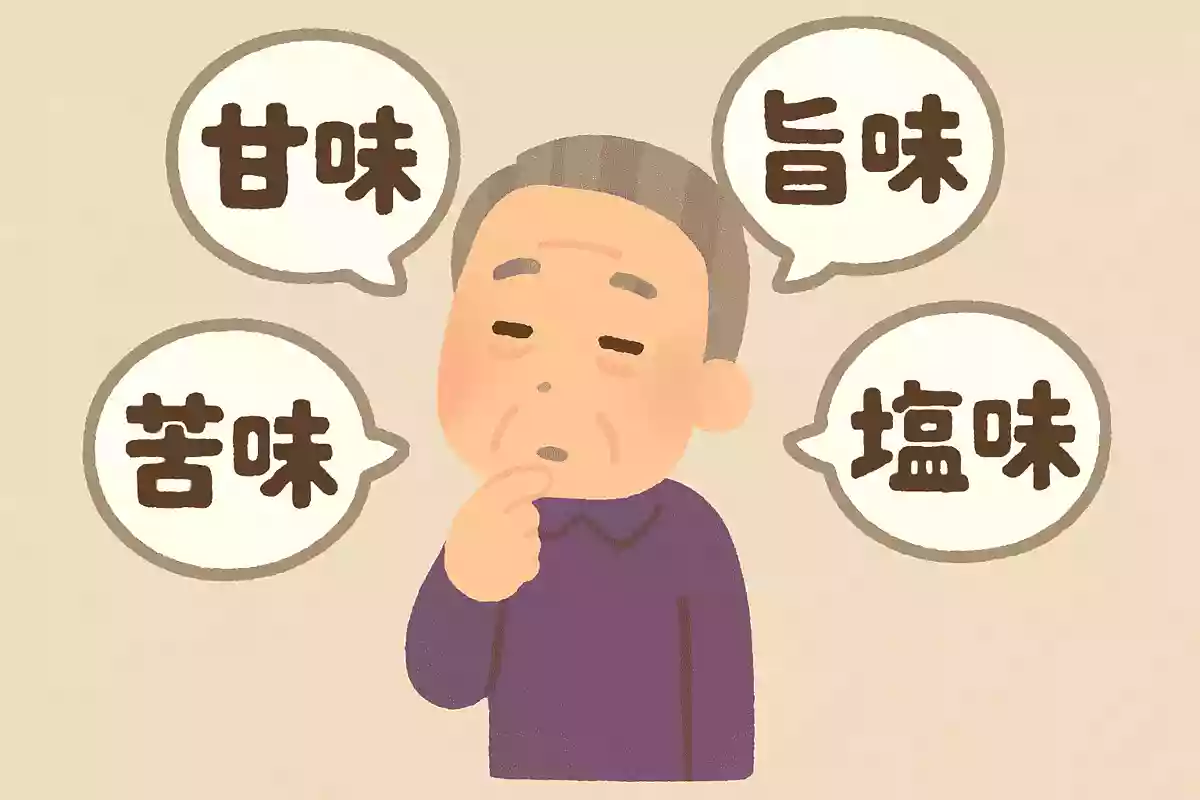
There are five basic tastes: sweetness, umami, bitterness, and saltiness. What is the remaining taste?
See the answer
acidity
When we eat, we experience a variety of tastes, right? The taste buds located in the bumpy papillae on our tongues detect flavors. Foods that taste sweet, umami, or salty are generally easy to accept because they signal nutrients that serve as sources of energy or minerals for the body. In contrast, bitterness and sourness can trigger aversion, as they may indicate potentially dangerous substances like toxins or spoilage.
They say a certain bird shows up around baseball season and election time. What bird is it?

See the answer
Japanese bush warbler
The so-called “uguisu-jō” make announcements with beautiful voices, don’t they? It began in the 1940s, when female NHK announcers were employed to broadcast sponsors’ advertisements during baseball games. Because the voices of the female announcers were wonderfully well-received, in-venue announcements like those we have today were started. Since the Japanese bush warbler (uguisu) is known for calling to its companions with a lovely voice, these announcers came to be called “uguisu-jō.”
What is the fish that has five holes?

This time, I’d like to introduce a riddle about fish.
What fish has five holes? If you slowly read the question out loud, you might figure out the answer.
The answer is hidden in the question, so don’t give up and think it through! The answer is “anago” (conger eel).
The phrase “five holes” (ana ga go) contains the answer! Anago is a type of marine fish in the eel family, and it’s a familiar ingredient in Japanese cuisine.
It’s also highly nutritious, so it’s a great food to include in your diet!
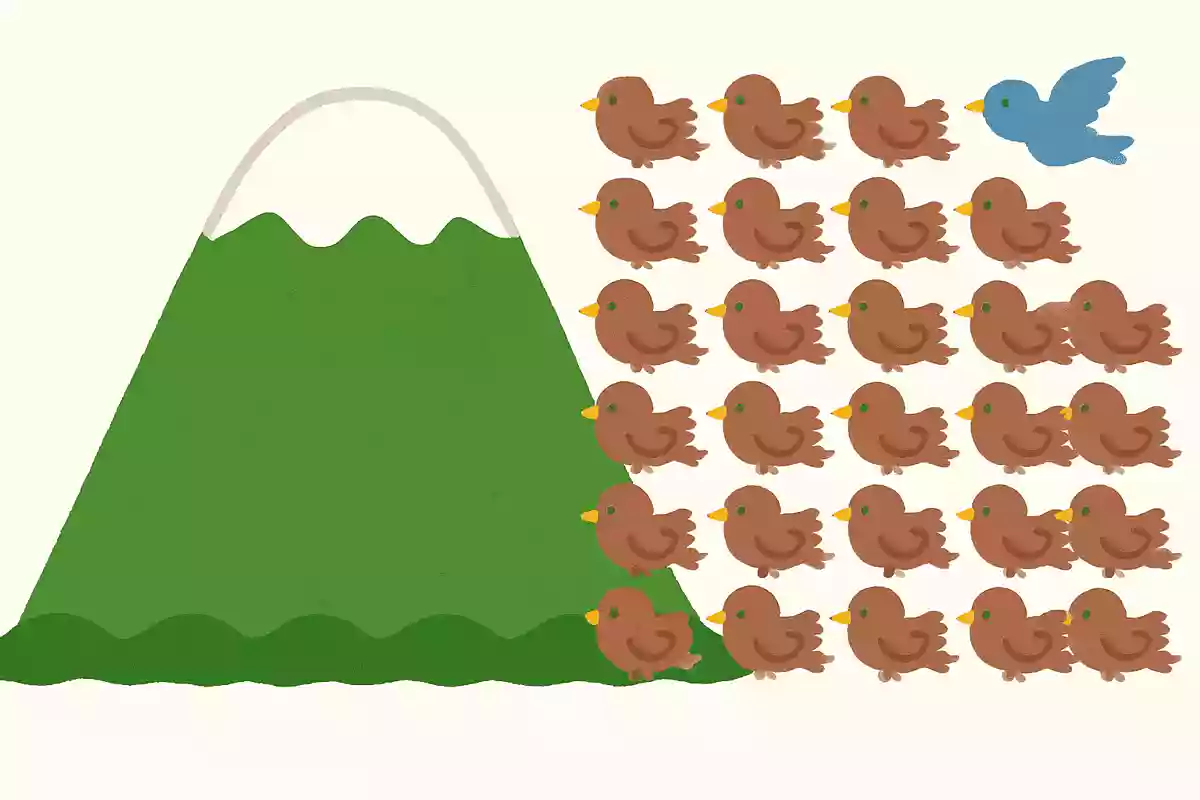
On a certain mountain, a hundred birds lived. However, one bird escaped from the mountain. What color was the bird that escaped?
See the answer
white color
Since the problem statement doesn’t specify the bird’s color, the answer comes from transforming the wording. First, focus on the part where one bird escapes from “a hundred birds.” It’s a trick question: subtract the character for “one” (一) from the character for “hundred” (百). Doesn’t that give you “white” (白)? Before posing the problem, it might be easier to solve if you explain that it’s a wordplay puzzle or a riddle.
There’s a vehicle that allows you to bring a uchiwa (a flat fan) but not a sensu (a folding fan). What is that vehicle?

See the answer
submarine
It was a riddle-style brain teaser. The answer is “submarine,” but here’s the reasoning. Try converting the word for “cannot” (dekina i) into “ikan.” Combine “sensu” (a folding fan), which you’re not allowed to bring in, with the converted “ikan,” and the answer comes into view.