

[For Seniors] Recommended for Brain Training! Ultra-Difficult Quizzes and Riddles

Quizzes are an easy activity to join and are one form of recreation that can help stimulate the brain.
Many senior and welfare facilities probably incorporate them as well, don’t they?
One of the great things about quizzes is that you can enjoy learning new facts and gaining new knowledge.
So this time, we’ve prepared a “Super-Difficult Quiz for Seniors” that’s a step up in difficulty from the usual quizzes!
In addition to quizzes, we’ve also gathered tough riddles and kanji problems.
These quizzes are on the challenging side, but solving them should give a real sense of accomplishment.
If the answers don’t come easily, try offering hints and have participants think their way to the solution.
Please make good use of the “Super-Difficult Quiz” and enjoy a fun time!
- [For Seniors] Fun Brain Training! A Collection of Tricky Quizzes You’ll Definitely Get Stumped By
- [Riddle Quiz for Seniors] Brain Training Perfect for Mental Exercise
- [For Seniors] Get Excited by Knowing the Answers! Tricky Quiz
- [For Seniors] Who Am I? Quiz: A Fun Set of Questions with Exciting Hints
- [For Seniors] Nostalgic quizzes that bring back memories! Showa-era entertainment and sports questions
- [For Seniors] Trivia Multiple-Choice Quiz
- [For Seniors] Today’s recommended quiz. Daily brain-training quiz!
- [For Seniors] Fun Riddles That Stimulate the Brain
- [For Seniors] Have Fun with Wordplay Characters! A Collection of Funny Puzzles
- [For Seniors] Fun Brain Training! Prefecture Quiz
- [For Seniors] Fun! Let’s Get Excited with Japan’s Number One Quiz
- [For Seniors] Lateral Thinking Game! Brain Training
- [Recreation for Seniors] Introducing Quizzes to Enjoy at Day Service Centers!
[For Seniors] Recommended for Brain Training! Ultra-Difficult Quizzes and Riddles (21–30)
Witty Letter Quiz

It’s a game where you look at letters arranged in unusual shapes or patterns and think about what they represent.
You search for what feels off about the displayed word and unravel it, which leads you to the answer.
If you can’t come up with the answer from the puzzle alone, you can gradually reveal hints and enjoy the feeling of getting closer.
Asking players to find alternative expressions in their heads or expand images from the letters helps stimulate the brain.

I made one sheet of paper into ten without tearing or cutting it. How did I do it?
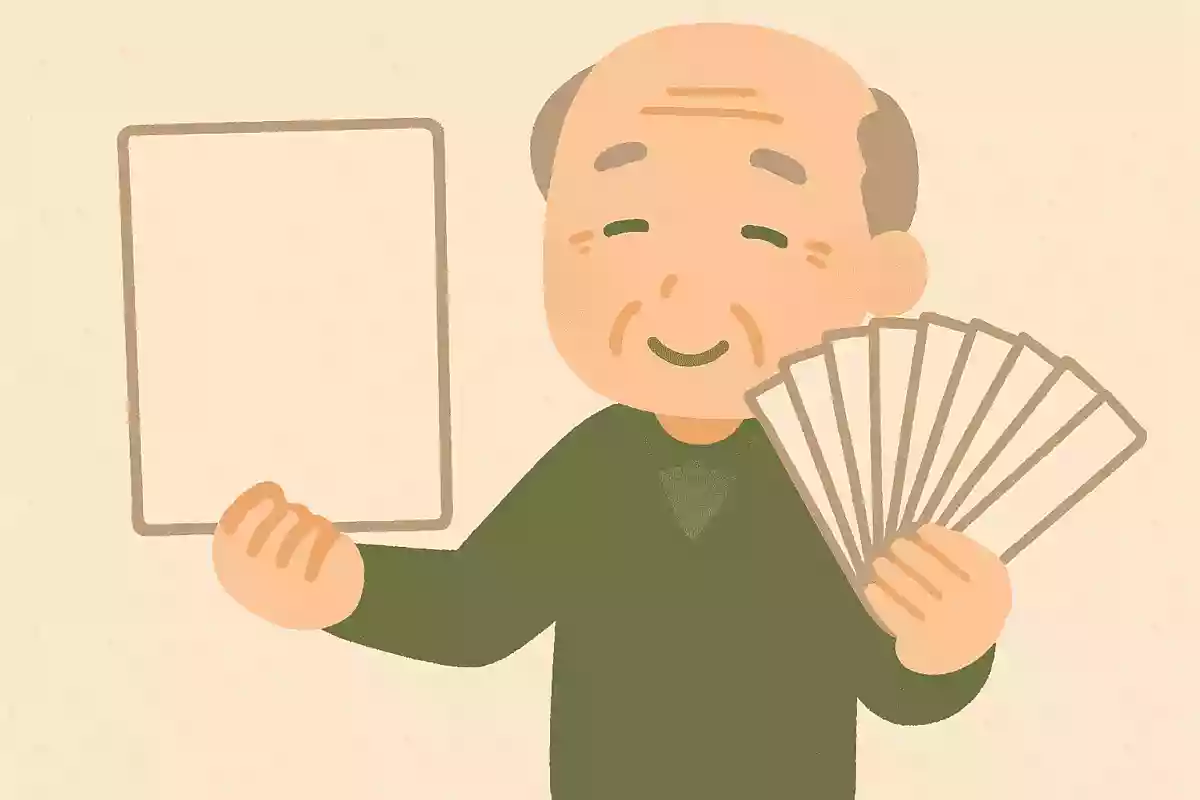
It’s a simple riddle whose answer you can figure out by recalling everyday actions.
I turned one piece of paper into ten without tearing or cutting it.
How did I do it? The hint is something related to money.
Think of a 10,000-yen bill or a 1,000-yen bill.
The answer is “exchange.” For example, you might exchange one 10,000-yen bill for ten 1,000-yen bills in various situations.
The number of pieces increases without tearing or cutting, right? It’s a simple yet humorous riddle.
[For Seniors] Great for Brain Training! Ultra-Difficult Quizzes and Riddles (31–40)
What animal is represented by “chi-tsu-te-to?”

Next, let me share a riddle about animals.
What animal is represented by “chi-tsu-te-to”? Pay attention to the sequence “chi-tsu-te-to.” If you add one character, it should follow the standard gojūon order, right? The answer is “tanuki” (raccoon dog).
The “ta” is missing from the ta-row sequence “ta-chi-tsu-te-to,” so the animal is “tanuki.” It feels satisfying once you get it, doesn’t it? Tanuki are small animals with a cute appearance and have long been familiar figures in folktales and old stories.
Some of you may have even seen a wild tanuki before.
What is something you can’t write with your hands, but you can put on with your feet?
Let’s try a riddle about actions.
What is something you can’t “kaku” with your hands but can “kaku” with your feet? Many people might imagine letters, but the key is that it’s about an action! The answer is sitting cross-legged (agura).
In Japanese, we say “agura o kaku” to mean sitting comfortably with legs crossed.
You’re not writing letters or drawing pictures, but we still use the verb “kaku,” which is part of the fun of Japanese.
It’s a playful riddle where the same-sounding word changes meaning depending on how you interpret it.
There are two types of soy sauce: light (usukuchi) and dark (koikuchi). Which one has less salt?
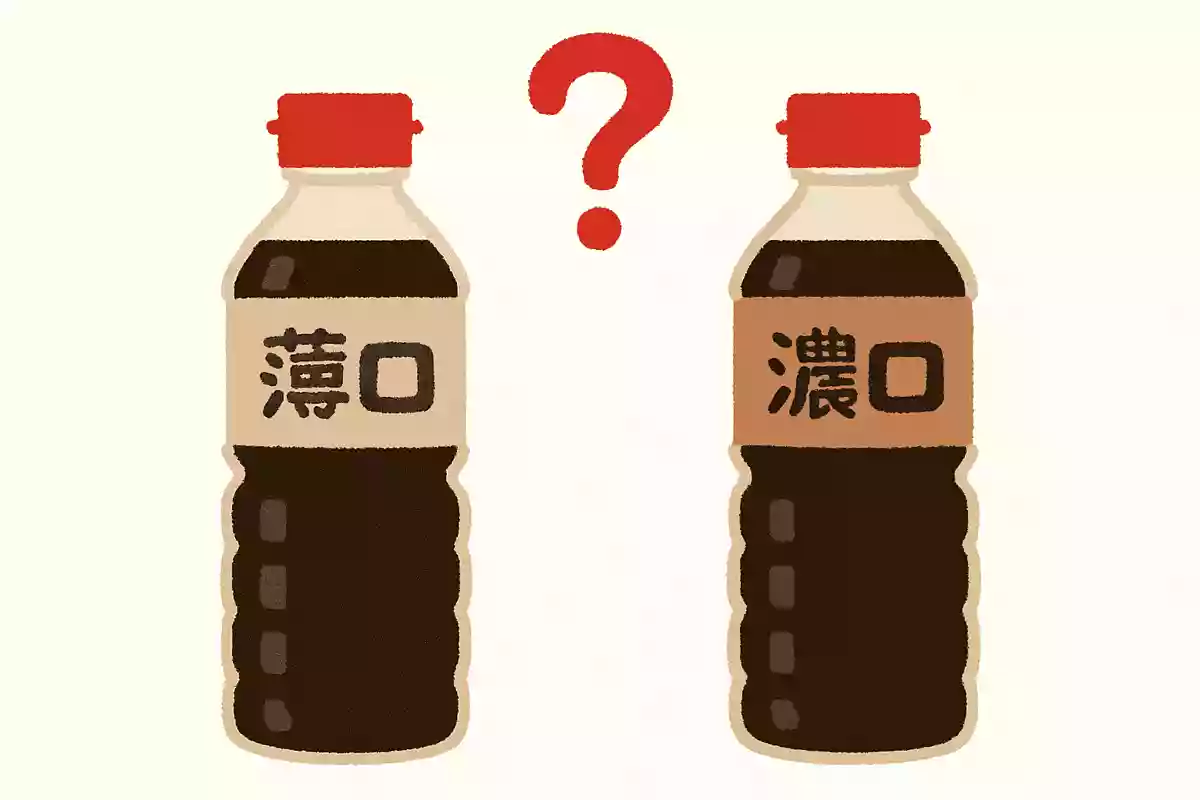
See the answer
light soy sauce
Just from the names, “usukuchi” (light) soy sauce sounds like it would be lower in salt, doesn’t it? However, usukuchi soy sauce actually has a higher salt content. The reason lies in the difference in fermentation time during production. Usukuchi is fermented for a shorter period, which makes it more prone to deterioration. Increasing the salt content helps prevent that deterioration.

In conclusion
It was an “ultra-difficult quiz” aimed at seniors. Many of the questions are solved using flashes of insight or knowledge you already have, so it’s great brain exercise. Staff can offer hints, and seniors can share stories or trivia related to the answers—have fun as you work through it together!