

[For Seniors] Recommended for Brain Training! Ultra-Difficult Quizzes and Riddles

Quizzes are an easy activity to join and are one form of recreation that can help stimulate the brain.
Many senior and welfare facilities probably incorporate them as well, don’t they?
One of the great things about quizzes is that you can enjoy learning new facts and gaining new knowledge.
So this time, we’ve prepared a “Super-Difficult Quiz for Seniors” that’s a step up in difficulty from the usual quizzes!
In addition to quizzes, we’ve also gathered tough riddles and kanji problems.
These quizzes are on the challenging side, but solving them should give a real sense of accomplishment.
If the answers don’t come easily, try offering hints and have participants think their way to the solution.
Please make good use of the “Super-Difficult Quiz” and enjoy a fun time!
- [For Seniors] Fun Brain Training! A Collection of Tricky Quizzes You’ll Definitely Get Stumped By
- [Riddle Quiz for Seniors] Brain Training Perfect for Mental Exercise
- [For Seniors] Get Excited by Knowing the Answers! Tricky Quiz
- [For Seniors] Who Am I? Quiz: A Fun Set of Questions with Exciting Hints
- [For Seniors] Nostalgic quizzes that bring back memories! Showa-era entertainment and sports questions
- [For Seniors] Trivia Multiple-Choice Quiz
- [For Seniors] Today’s recommended quiz. Daily brain-training quiz!
- [For Seniors] Fun Riddles That Stimulate the Brain
- [For Seniors] Have Fun with Wordplay Characters! A Collection of Funny Puzzles
- [For Seniors] Fun Brain Training! Prefecture Quiz
- [For Seniors] Fun! Let’s Get Excited with Japan’s Number One Quiz
- [For Seniors] Lateral Thinking Game! Brain Training
- [Recreation for Seniors] Introducing Quizzes to Enjoy at Day Service Centers!
[For Seniors] Great for Brain Training! Super-Difficult Quizzes and Riddles (11–20)
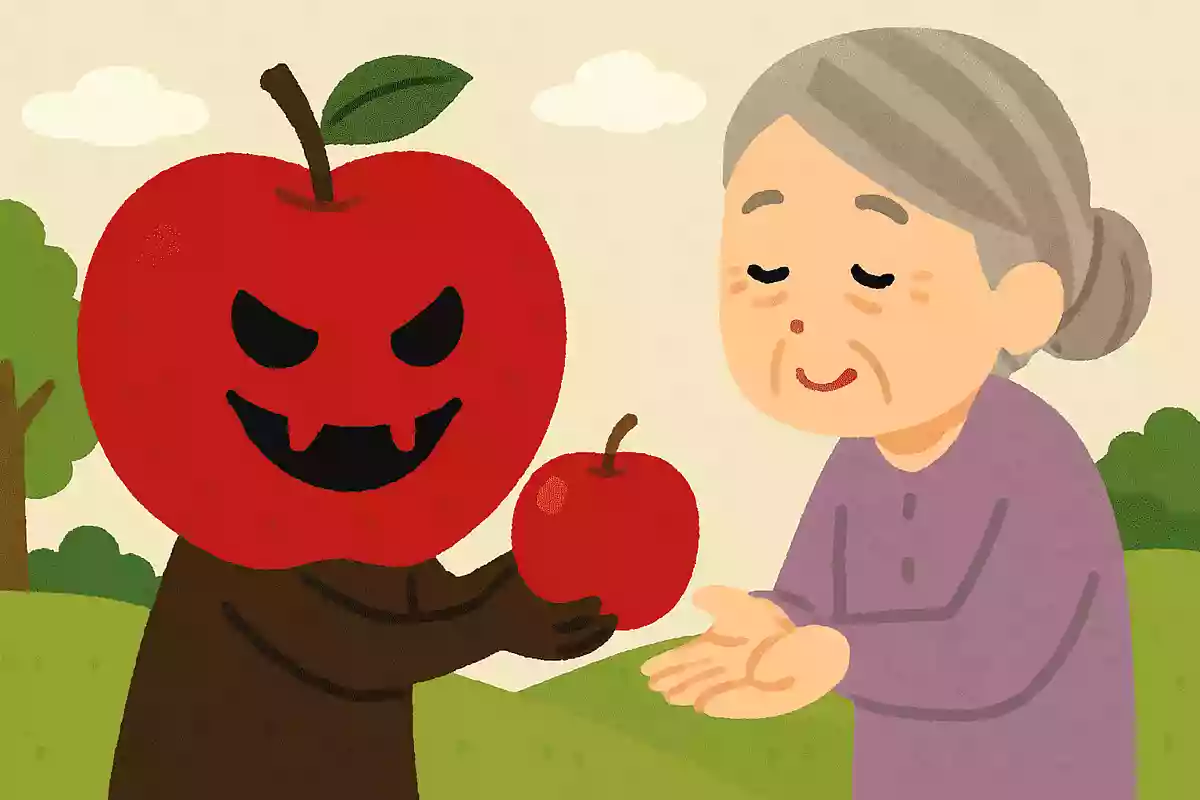
How much did the poisoned apple that Snow White was made to eat in the fairy tale cost?
See the answer
9 yen
Many older adults likely know the story of Snow White and have read it to their children. However, the actual tale of Snow White never mentions the price of the poisoned apple. This is a tricky riddle quiz. You can’t eat a “poisoned apple,” right? Let’s convert “can’t eat” (in Japanese, ‘kue-n’) into a play on words: “kue-n” sounds like “9 yen,” which leads you to the answer.

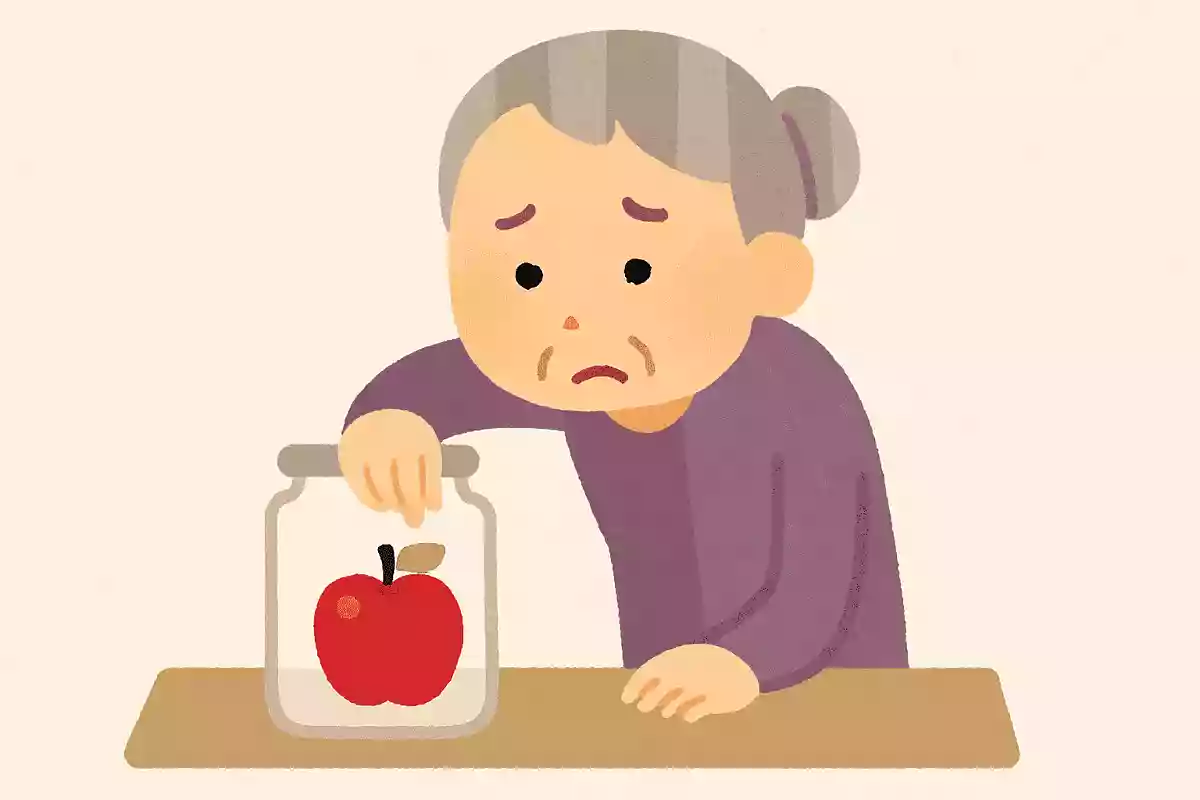
Hanako is trying to take something out of her favorite “bin,” but she can’t. What is that something?
See the answer
crack
There are things other than “objects” or “liquids” that can go into a bin/bottle. The correct answer is “a crack.” In Japanese, we say “a crack forms in a bottle” as “a crack goes into the bottle” (bin ni hibi ga hairu). This question also involves a play on words.
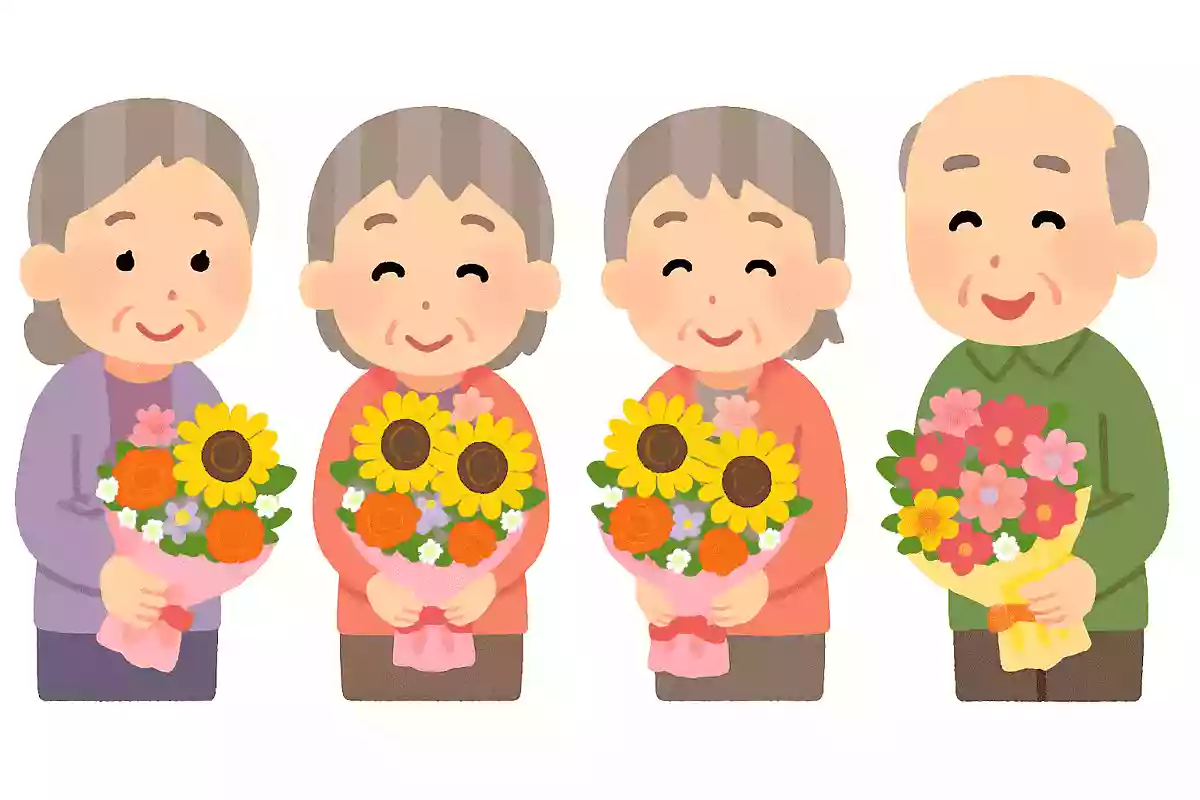
Hanako made four bouquets with her friend. If you add the two bouquets that Hanako made by herself, how many bouquets will there be?
This riddle also tests your Japanese language skills.
First, focus on the beginning: “Hanako made four bouquets with her friend.” From this, you can see there are four bouquets.
Next, look at the latter part: “If you add the two bouquets Hanako made by herself.” Here, it seems there are two bouquets in addition to the four, so you might think 4 + 2 = 6—but that’s not correct.
No matter how many bouquets there are, when you put them together, they become a single bouquet.
Therefore, the answer is 1.

A turtle swimming in miso soup—what kind of turtle is it?
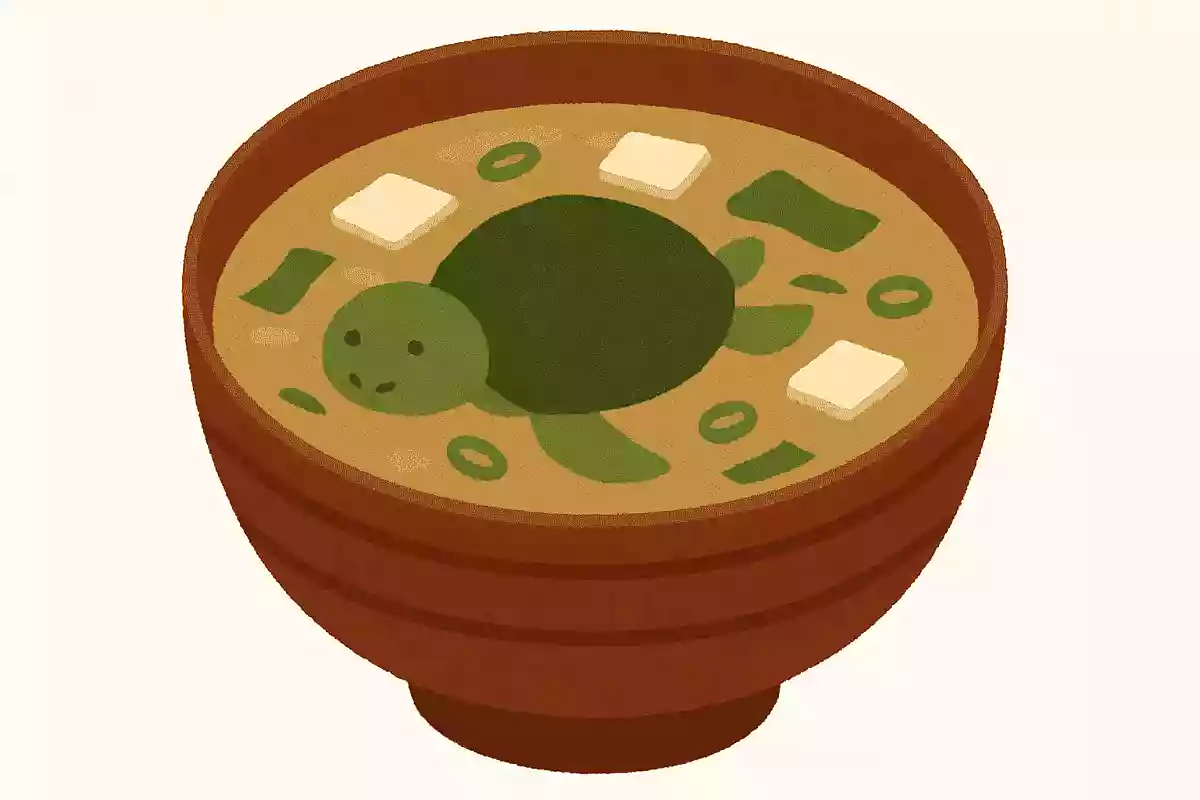
Here’s a riddle about food that will make you crave miso soup.
A turtle swimming in miso soup—what kind of turtle is it? When you think of ingredients for miso soup, what comes to mind? Maybe this is the very first ingredient many people think of.
Of course, it’s not a reptile turtle! The answer is wakame (seaweed).
The word “wakame” contains “kame” (turtle in Japanese), so some of you may have figured it out right away.
Wakame is rich in minerals and dietary fiber, making it a food you’ll want to include in your diet.
Who is the biggest among the doctor, the teacher, and the detective?

Here’s a riddle that challenges you to think in terms of rephrasing! Among a doctor, a teacher, and a detective, who is the biggest? If you think simply, many would say, “It depends on the person, so we can’t know.” But if you consider rewording, you might find the answer.
The answer is the detective.
In Japanese, a detective can be rephrased as “deka,” which also sounds like “big”! Once you get it, it’s a humorous riddle that makes you go, “Ah, I see.” And when you know the answer, you’ll want to share it with someone!
When my grandchild does a handstand, they transform into a certain food. What food is it?
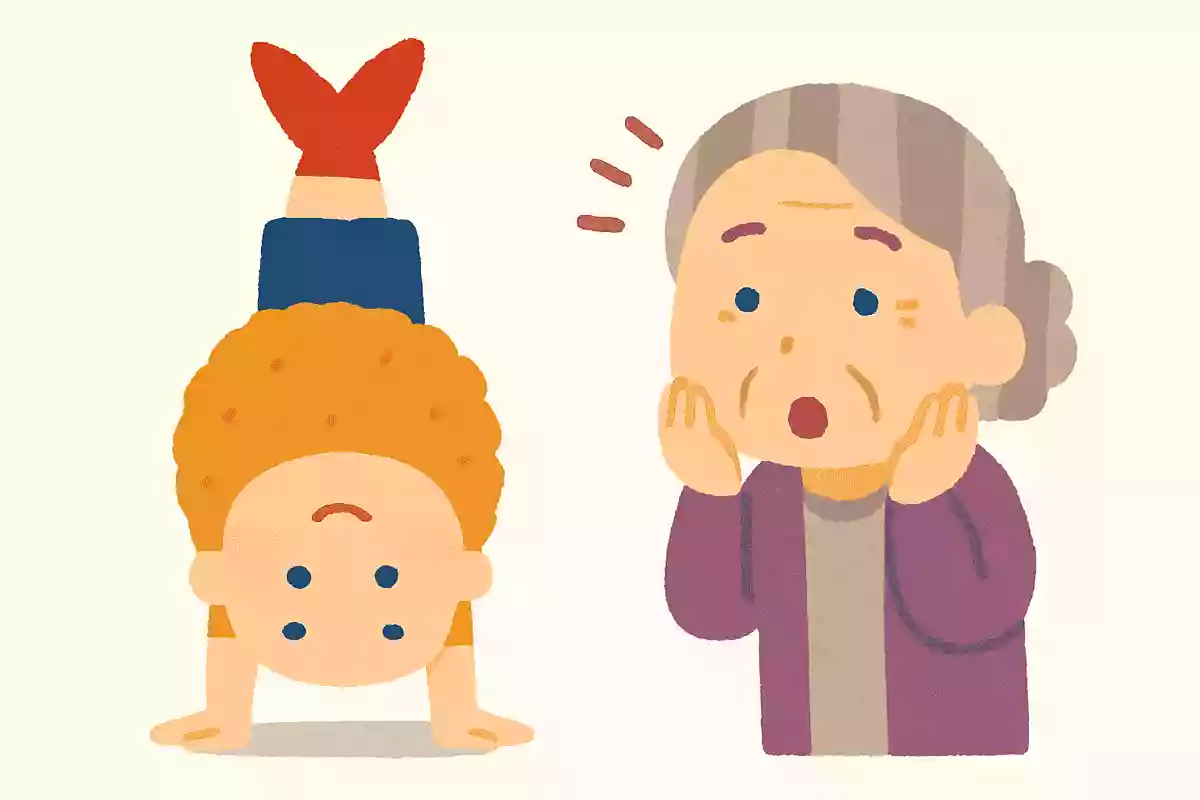
Let’s try a riddle that plays with words.
When a grandchild stands on their head, they transform into a certain food.
What is it? Many of you may be picturing a cute grandchild doing a handstand.
Here’s a hint: it’s a small food often used as a topping.
The key is the word “mago” (grandchild)! The answer is “goma” (sesame).
If you read “mago” backwards, it becomes “goma.” It’s a humorous riddle that expresses reading a word backwards as doing a handstand.
[For Seniors] Recommended for Brain Training! Ultra-Difficult Quizzes and Riddles (21–30)
What is the “comb” that pokes its head out of the soil sprout by sprout when spring comes?
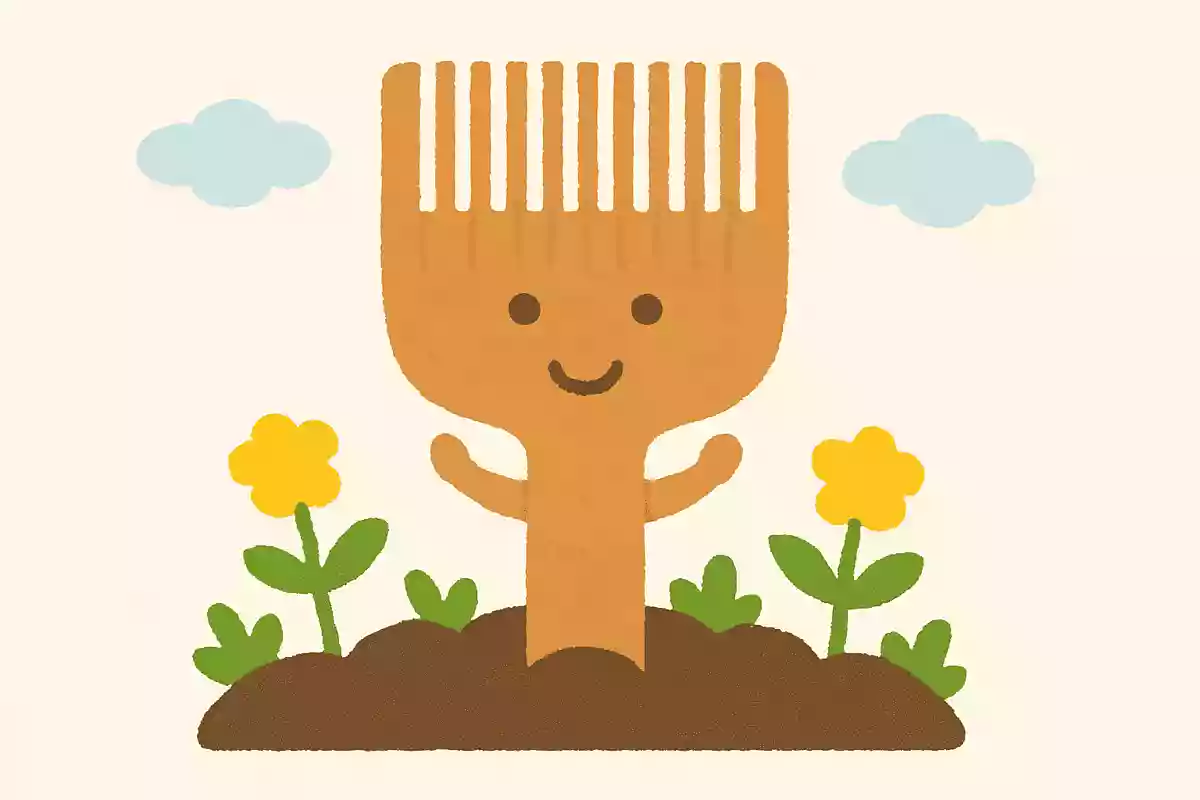
Alright, let’s take on a riddle that feels satisfying once you know the answer.
What is the “comb” that sprouts up from the soil in the spring? You can see many kinds of plants in spring, but the key here is the word “comb.” The onomatopoeia “nyoki-nyoki” (meaning something sprouting or popping up one after another) is also a clue.
The answer is tsukushi (field horsetail).
Tsukushi is a type of plant seen in spring and is the young shoot of horsetail (sugina).
It’s a classic sign of spring, so many of you may have guessed it right away.