

For seniors: Words of gratitude and uplifting magic phrases. Tips for saying things that resonate with the heart.


A single word from someone can warm and soothe a person’s heart.
In particular, words of gratitude to older adults are a way to honor the weight of their lives and to express how much we value their experiences and wisdom.
Still, many of us wonder what words to choose and when the right time might be.
In this article, we’ll introduce expressions of gratitude and uplifting words that resonate with seniors, along with tips on how to convey them.
Let’s think together about how to express thanks naturally in conversation while being attentive to the other person’s feelings.
- [For Seniors] Uplifting Words That Comfort the Heart
- Introducing words that will delight elderly people
- [For Seniors] Tips for Birthday Messages They’ll Love
- Introducing old-fashioned words that are useful for conversations with elderly people!
- [At a day-care service, a birthday message you want to convey] For older adults
- [For seniors] Turn negatives into positives: Ways to interact that inspire motivation
- [For Seniors] Boost Oral Function with Tongue Twisters! Recommended Picks to Try
- For seniors: Words of gratitude and uplifting magic phrases. Tips for saying things that resonate with the heart.
- [Respect for the Aged Day] With heartfelt gratitude: Handmade gift ideas that will delight residents in senior care facilities
- A little gift for a woman in her 90s! Recommended presents that are sure to please
- [For seniors] Birthday message board designs that delight: group messages, pop-up mechanisms, and brush-lettering art
- Words useful for conversations with elderly people. Words that were used in the past.
- [For Seniors] Haiku for March: Enjoying a Spring Moment with Famous Verses
For Seniors: Words of Gratitude and Uplifting Magic Phrases — Tips for Heartfelt Encouragement (21–30)
I am filled with gratitude for your constant thoughtfulness.
As a New Year’s greeting on your nengajo, how about adding a short line that conveys your daily gratitude, such as: “Thank you always for your thoughtfulness—I’m truly grateful.” Words that are hard to say in everyday life can be easier to express on a New Year’s card.
It’s a good idea to tailor your wording to the recipient—use polite expressions for seniors, relatives, or people you only exchange New Year’s cards with, and a more casual tone for close friends.
A handwritten note adds warmth and is always appreciated.
Try sending your thanks in words that feel true to you.

You’re always my emotional support.
If you express your gratitude by saying, “You are always my emotional support,” it may help ease the anxieties of older adults.
Many seniors feel increasingly anxious as they age, and some lose confidence when they can no longer do what they once could.
By noticing their strengths and offering praise, they can regain confidence and reduce self-doubt.
This may also help them live each day with greater motivation.

I’m always cheering you on — we’re here for you.
As people grow older, they may feel anxious about their existence and their future.
In such times, offering a warm message can be a powerful source of support.
These words convey trust in the person and confidence in their strength.
For many older adults, facing feelings of loneliness or powerlessness is not uncommon.
Sharing these words in those moments can help them realize that they are needed by someone.
Even without direct assistance, simple emotional support can be enough to change someone’s tomorrow—this message expresses exactly that.

It’s only just getting started!
These words carry hope for the future and a heartwarming sense of encouragement.
As we grow older, we may increasingly feel that our abilities are becoming limited, yet a single comment from someone can spark a positive outlook.
Regardless of age, these words inspire a bright expectation that there may be something enjoyable waiting in the time ahead.
When shared with someone starting a new hobby or contemplating a step they haven’t been able to take before, they can shift the focus from anxiety to excitement.
Creating a moment through the power of words where someone feels, “There are still things I can do,” can become a catalyst for adding color to their life.
That must have been tough—so you went through all that?
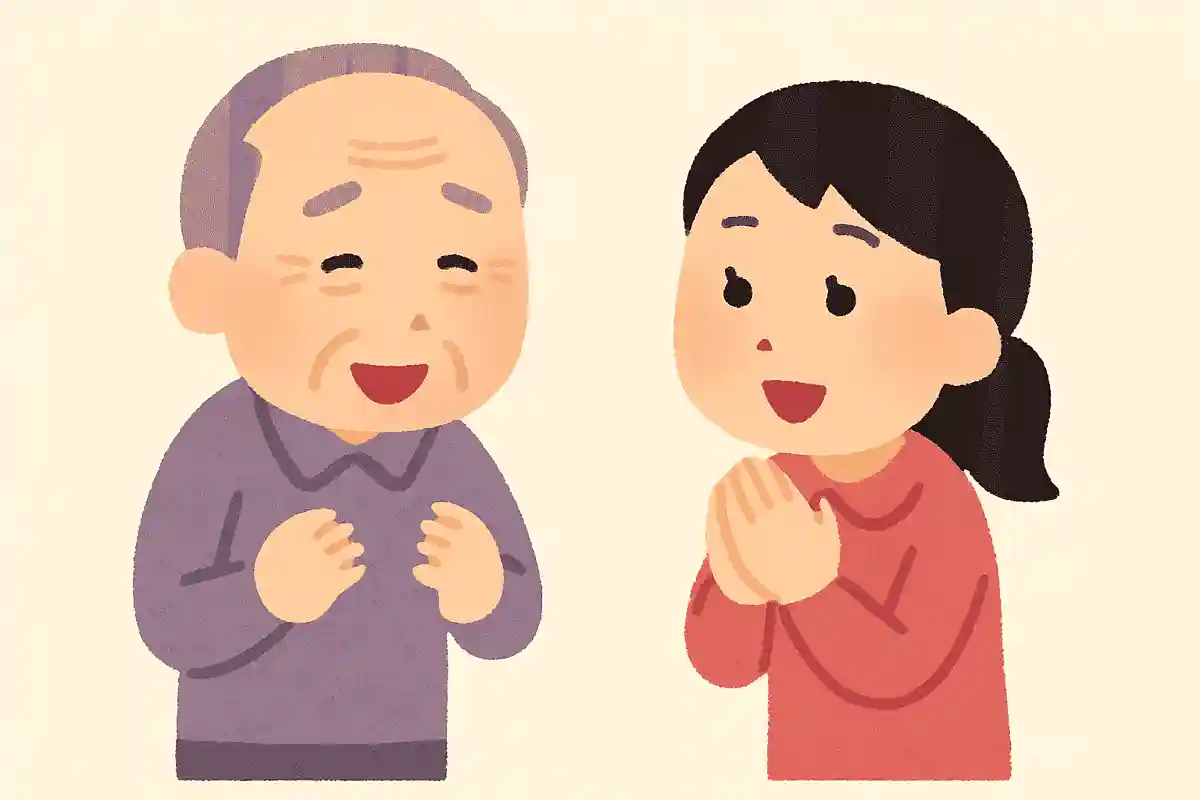
When listening to someone who has gone through many hardships, responding in words is an important act of honoring their journey.
Words of appreciation are not mere sympathy; they are proof that you truly recognize the effort and feelings they have carried.
Older adults have often taken on many roles within their families and communities, so it is important to approach them with an understanding of that background.
Simply listening carefully and responding with genuine empathy can soften their expression.
Adding warm words as they reflect on the past can bring a sense of calm to their heart.
As expected.
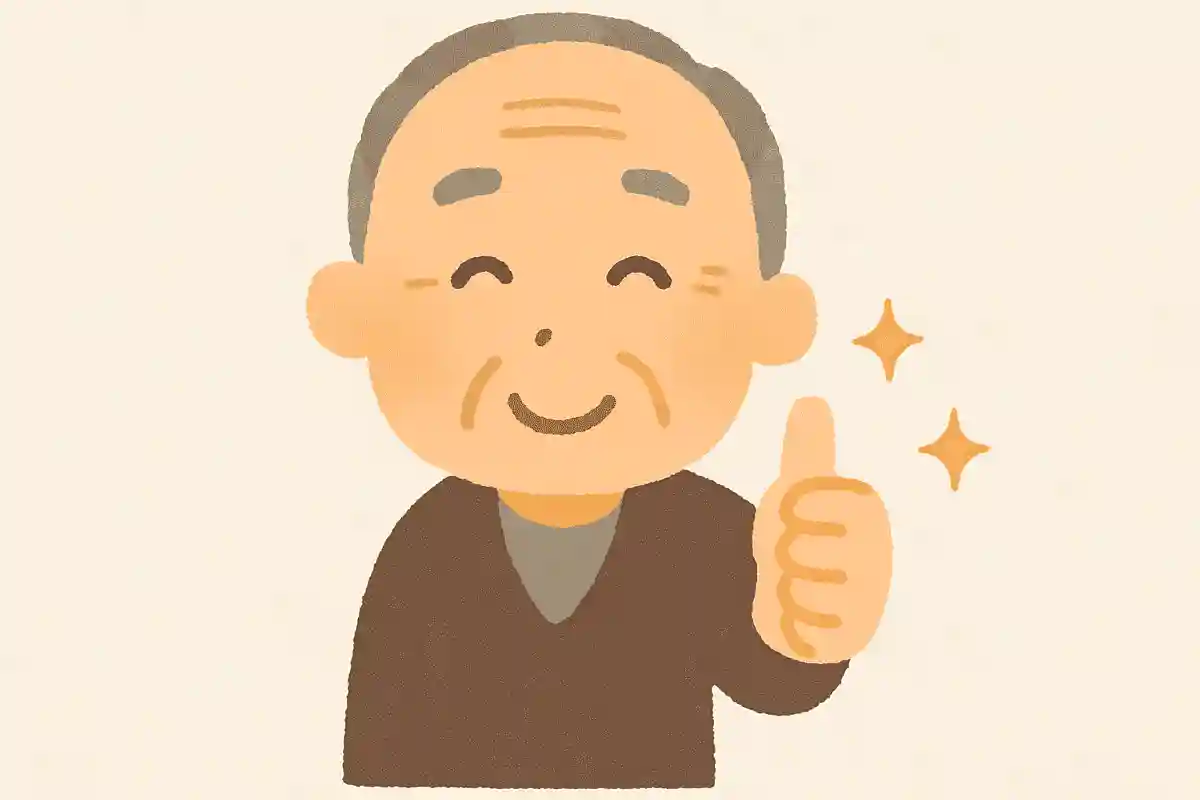
“Sasuga desu ne” is a phrase you can use during conversation or when you see someone’s impressive side.
For example, if an older adult knows difficult words or kanji, or when you learn about their former accomplishments, be sure to say it.
Some older adults may feel anxious—feeling like “I can’t do what I used to” or “I’ve lost the abilities I had.” Saying “Sasuga desu ne” can help them regain confidence and boost lowered self-esteem.
I’m happy to meet you.
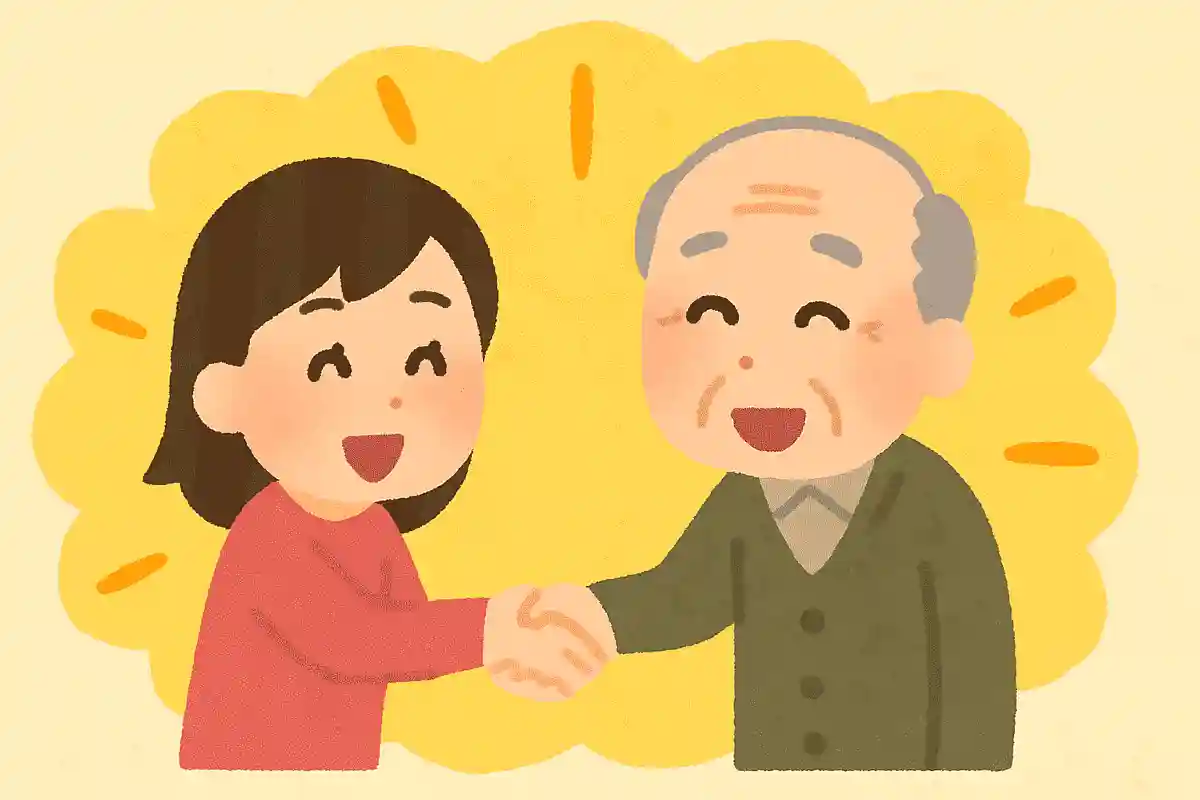
For elderly people who are living with dementia and may forget recent events, lose their sense of time or season, or feel anxious, here are some words you might like to offer.
Try saying during conversation, “I’m glad I met you.” This can help ease their worries and lead to emotional stability.
It’s a respectful phrase that honors older adults and is likely to leave a positive impression.
Being acknowledged for the time spent together can also bring more meaning and motivation to their days in the facility.