

[For Seniors] Take on the World's Hardest Riddles! A Collection of Ultra-Challenging Wordplay Puzzles to Twist Your Brain

Would you like to enjoy the world’s most challenging riddles—guaranteed to spark intellectual curiosity—together with older adults? In this article, we’ve gathered fascinating riddles that approach the idea of “the world’s hardest riddles” from various angles, including wordplay, letter combinations, and puns.
If you take the meanings of words at face value, you’ll have a hard time reaching the answers.
Loosen up your thinking and broaden your perspective, and you may arrive at surprisingly clever solutions.
Spend a delightful time with older adults, using riddles to spark lively conversation.
- [For Seniors] Recommended for Brain Training! Ultra-Difficult Quizzes and Riddles
- [For Seniors] Try this ultra-difficult trick quiz! How many questions can you solve?
- [For Seniors] Fun Riddles That Stimulate the Brain
- [For Seniors] Challenge Your Brain with Super-Hard Quizzes! A Collection of Tough Questions That Feels Great Once You Know the Answer
- [For Seniors] Think and Have Fun: Introducing Brain-Stimulating Logic Puzzles
- [For Seniors] Liven Things Up with Trick Riddles You Answer!
- [For Seniors] Tricky quiz with annoying answers: a collection of questions guaranteed to get everyone excited once they hear the answers
- [For Seniors] Get Excited by Knowing the Answers! Tricky Quiz
- [For Seniors] Laugh-Out-Loud, Crowd-Pleasing! Fun Quiz
- [For Seniors] Lively Wordplay Game: Fun Recreation for Elderly Care
- [For Seniors] Recommended and Exciting! Brain-Teaser Quiz Collection
- [Riddle Quiz for Seniors] Brain Training Perfect for Mental Exercise
- [For Seniors] Fun and Lively! Recommended Quiz Questions
[For Seniors] Take on the World’s Hardest Riddles! A Collection of Super-Difficult Wordplay Brain-Teasers (1–10)
At a fire station, which planet in the solar system always ranks first when people are asked their favorite?

See the answer
Earth
The emergency number for the fire department is 119. If you read 119 as digits in Japanese, it’s pronounced “ichi-ichi-kyū,” which can also sound like “ichii, chikyū” (meaning “first place, Earth”). In other words, there’s a pun at the fire department that equates “number one” with “Earth.” This wordplay creates a riddle: if you ask someone at the fire department what their favorite planet is, they will always answer “Earth.” It’s a challenging riddle that humorously plays on Japanese sounds.

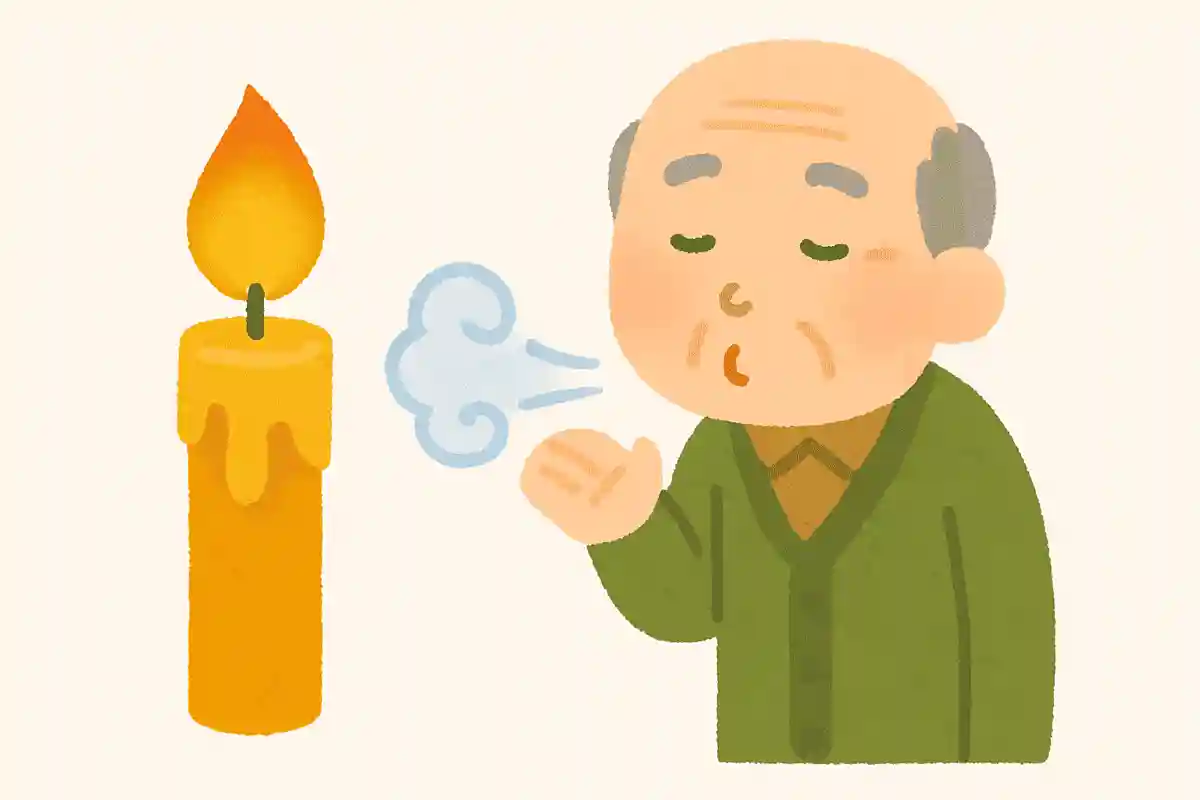
What emits light while it’s alive, grows shorter as it ages, and can be killed by a breath?
See the answer
candle
The correct answer is “a candle.” A candle emits light while it’s burning, but it grows shorter as it burns down and eventually goes out. Also, a candle’s flame can be easily extinguished by a breath. For these reasons, the three conditions—“it gives off light while alive,” “it gets shorter as it ages,” and “it dies from a breath”—all apply to a candle. From this perspective, it’s a riddle that really makes you think and can be surprisingly hard to solve.
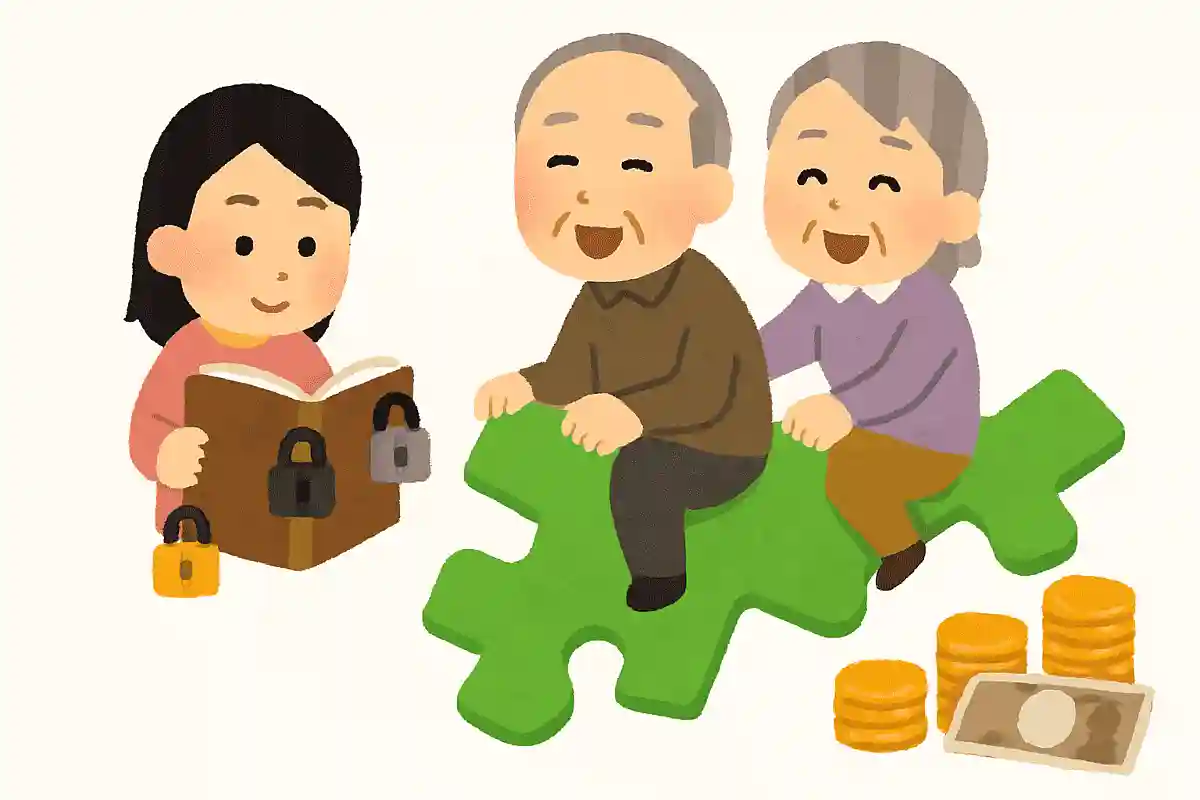
In the country where there is a law that prohibits having secrets, the gap between rich and poor disappeared. Why do you think that is?
See the answer
I won’t hide it.
This riddle involves a play on words. “You mustn’t keep secrets” can be interpreted as “kakusanai” (not hiding). Spoken aloud, “kakusanai” sounds the same as “kakusa nai” (no disparity). In other words, from “not hiding” you get “no kakusa,” meaning a country without economic disparity (no wealth gap).
[For Seniors] Take on the World’s Hardest Riddles! A Compilation of Ultra-Difficult Wordplay Puzzles to Twist Your Brain (11–20)
An unsuccessful idol wearing a purple outfit undergoes an image change and becomes a hugely popular idol. What color outfit did she wear?

See the answer
blue
This riddle is a wordplay-based puzzle. In terms of primary colors of light, “purple” is made by mixing “red” and “blue.” The phrase “image change” in the problem implies becoming more refined—in Japanese, it can be read as “remove the red.” When you take the red out of purple, what remains is blue. Therefore, the answer is “blue.” It’s a riddle that combines wordplay with the composition of colors.
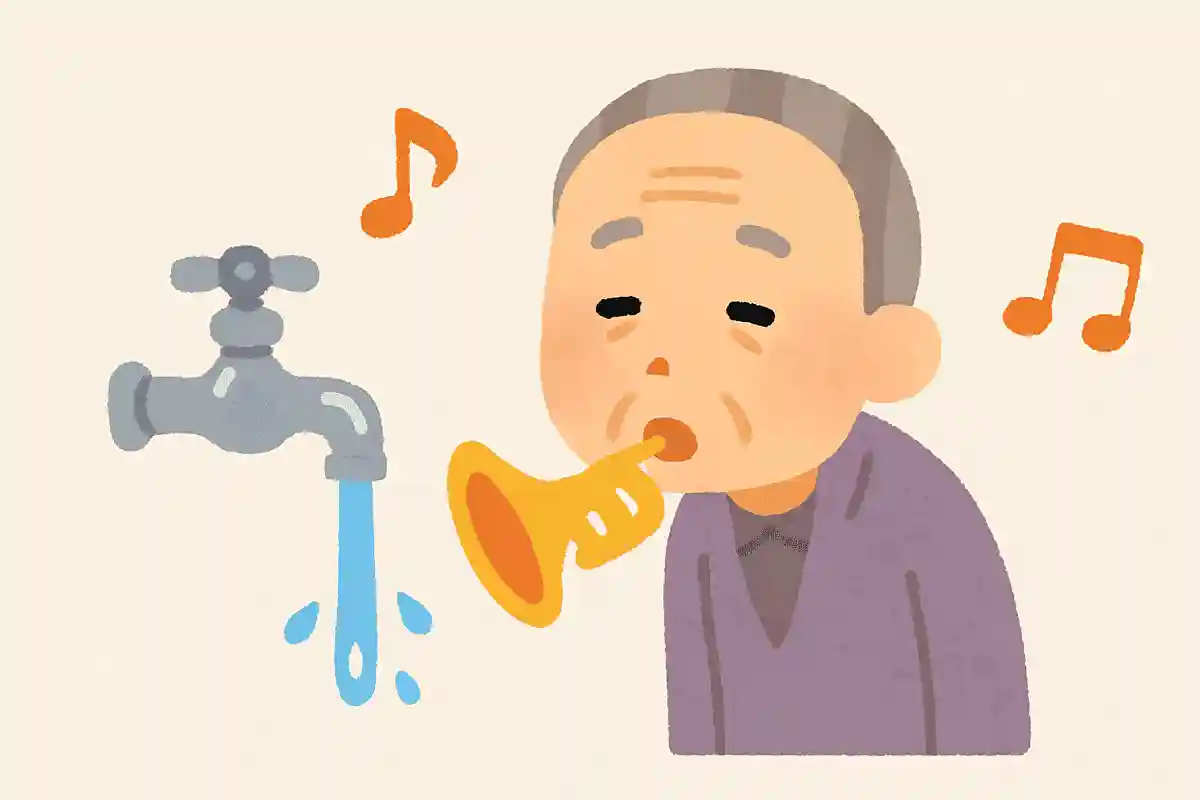
When I try to drink water from the faucet, I can hear the sound of a certain musical instrument coming from the water pipes. What instrument is it?
See the answer
xylophone
The answer to this riddle is “xylophone.” It breaks down the word suidōkan (water pipe) by sound. If you forcibly divide suidōkan as sui-do-kan, and take kan to mean “interval,” then it becomes the interval between sui (Wednesday) and do (Saturday), namely Thursday (moku) and Friday (kin). Put together, they form mokkin, which is the Japanese word for xylophone.
At a sushi restaurant, when two toppings combine, they transform into a slowpoke bug. What are the two toppings?

See the answer
"Toro" and "Squid"
The answer is “toro” and “ika.” When you combine the popular sushi toppings “toro” (fatty tuna) and “ika” (squid), you get the word “toroika.” In Russian, “troika” means a three-horse carriage, but in Japanese, “toroika” also works as a wordplay sounding like “toroi ka” (“a slow mosquito”), making it the solution to a riddle about turning into a sluggish insect. This riddle shows how combining familiar words can create new meanings and fun wordplay.
I have an acquaintance who lives with his/her niece. What kind of acquaintance is that?
See the answer
classmate
This riddle is a wordplay that focuses on the sound of the phrase “living with a niece” (mei to kurasu). When you read “mei to kurasu” continuously, it sounds like “meitokurasu,” which can be rearranged to form the word “classmate” (kurasumeito). Therefore, a person who lives with their niece (“mei to kurasu”) becomes a “classmate,” making this a high-level riddle that hinges on phonetic wordplay.