

![[For Seniors] Take on the World's Hardest Riddles! A Collection of Ultra-Challenging Wordplay Puzzles to Twist Your Brain](https://media.ragnet.co.jp/img/1200__png__https://www.ragnet.co.jp/files/2025/10/ec893868753fb206469dba342edc7509.webp)
[For Seniors] Take on the World's Hardest Riddles! A Collection of Ultra-Challenging Wordplay Puzzles to Twist Your Brain

Would you like to enjoy the world’s most challenging riddles—guaranteed to spark intellectual curiosity—together with older adults? In this article, we’ve gathered fascinating riddles that approach the idea of “the world’s hardest riddles” from various angles, including wordplay, letter combinations, and puns.
If you take the meanings of words at face value, you’ll have a hard time reaching the answers.
Loosen up your thinking and broaden your perspective, and you may arrive at surprisingly clever solutions.
Spend a delightful time with older adults, using riddles to spark lively conversation.
[For Seniors] Take on the World’s Hardest Riddles! A Collection of Super-Difficult Wordplay Brain-Teasers (1–10)
Which of steak, sushi, hamburger steak, and Sherlock Holmes is his specialty dish?

See the answer
sushi
The answer is “sushi.” Sherlock Holmes is known as a famous detective. His specialty is “reasoning/deduction” (suiri in Japanese). Sushi is made with vinegar (su), so it’s a riddle that plays on the word “suiri” (reasoning) and “su-iri” (with vinegar). If you think about what Sherlock Holmes does for a living, you’ll be led to the answer.

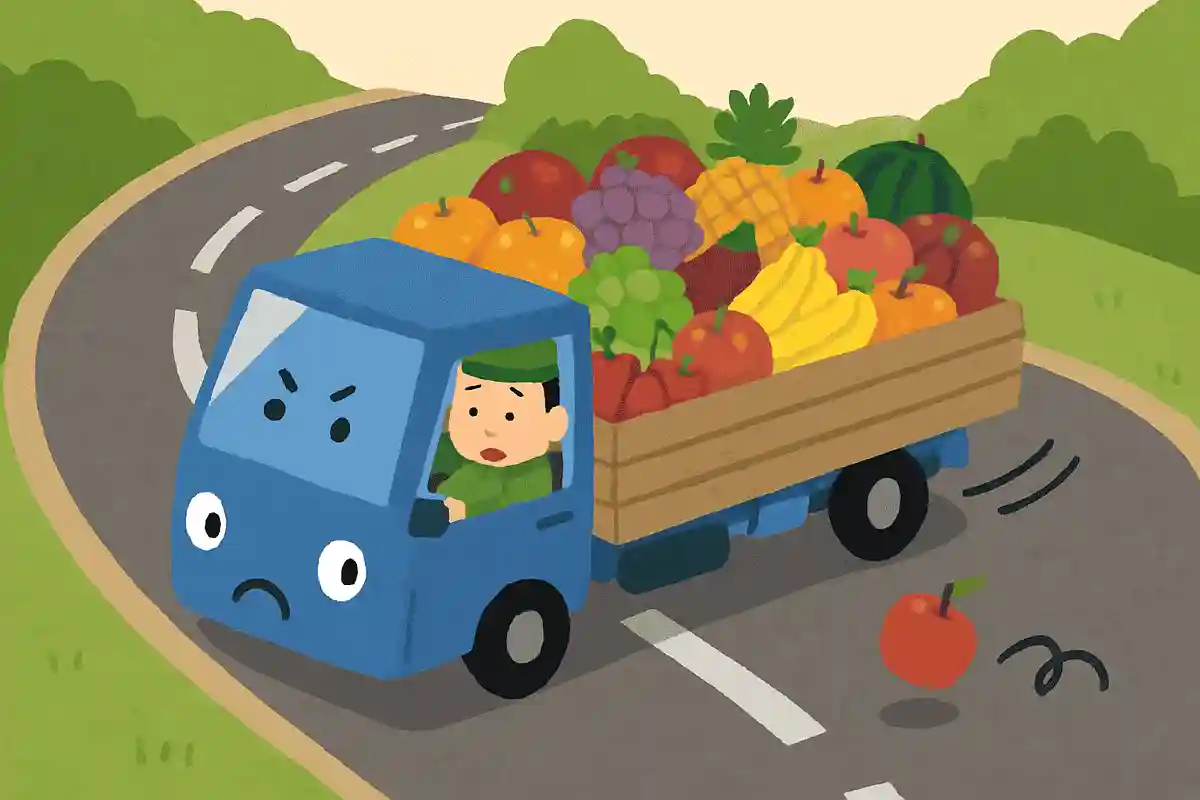
A truck loaded with lots of fruit dropped something on a sharp curve. What did it drop?
See the answer
speed
This riddle is a play on words. Normally, you might think it means “dropped some fruit,” but what was actually dropped is “speed.” You slow down on sharp curves for safety, right? This question tests your ability to shift your perspective and think differently.
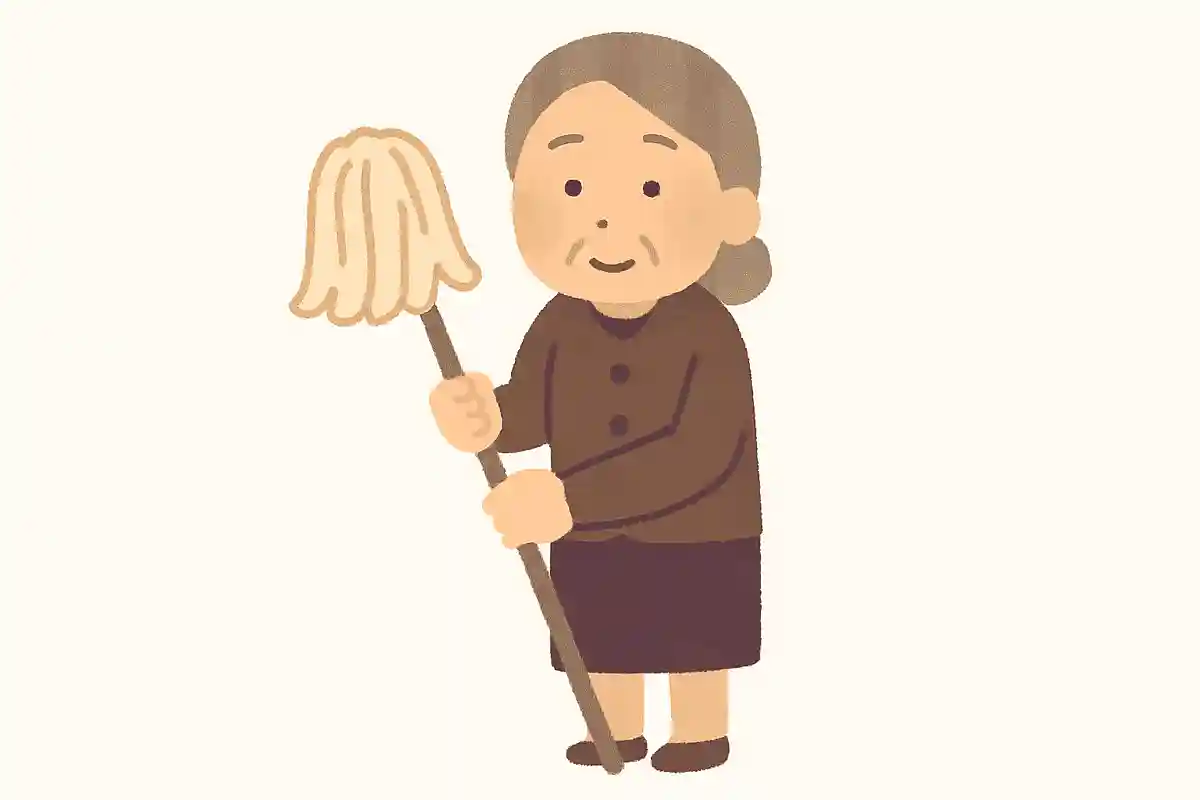
What is a cleaning tool that’s inexpensive to get, but gains tremendous value when you buy it and make it your own?
See the answer
cleaning cloth
A rag is a cheap cleaning tool you can buy anywhere, but if you use it as your own personal item, the wordplay “my zōkin” sounds like “maizōkin,” which means “buried treasure.” It’s a riddle suggesting that turning a rag into your personal item creates tremendous value. It’s a familiar item for older people and a fun pun-based question for generations that enjoy wordplay.
It’s a wordplay: reading the kana backward gives “よわいたいけもきたげつ,” which, with proper word separation and kana conversion, reads as “よわい体けもきた月” (an odd string). The intended solution is the classic riddle answer: “けいたいをつけたき” → when reversed and spaced, it becomes “月から来た妹(つきからきたいもうと),” meaning “a younger sister who came from the moon.” However, this phrase is a well-known puzzle variant whose correct resolved message is: “月から来たいもうと” → “a younger sister who wants to come from the moon.” In context, the natural English rendering of the hidden message is: “I want to bring my mobile phone.”
See the answer
You're in luck.
This riddle is based on a wordplay. From the phrase “つけたきもけいたいわけよ,” remove the syllables ta and ke in reference to The Tale of the Bamboo Cutter. You’ll get “つきもいいわよ.” It’s a wordplay that literally ‘takes away bamboo,’ and it’s a tricky puzzle that requires the idea of Kaguya-hime = The Tale of the Bamboo Cutter.
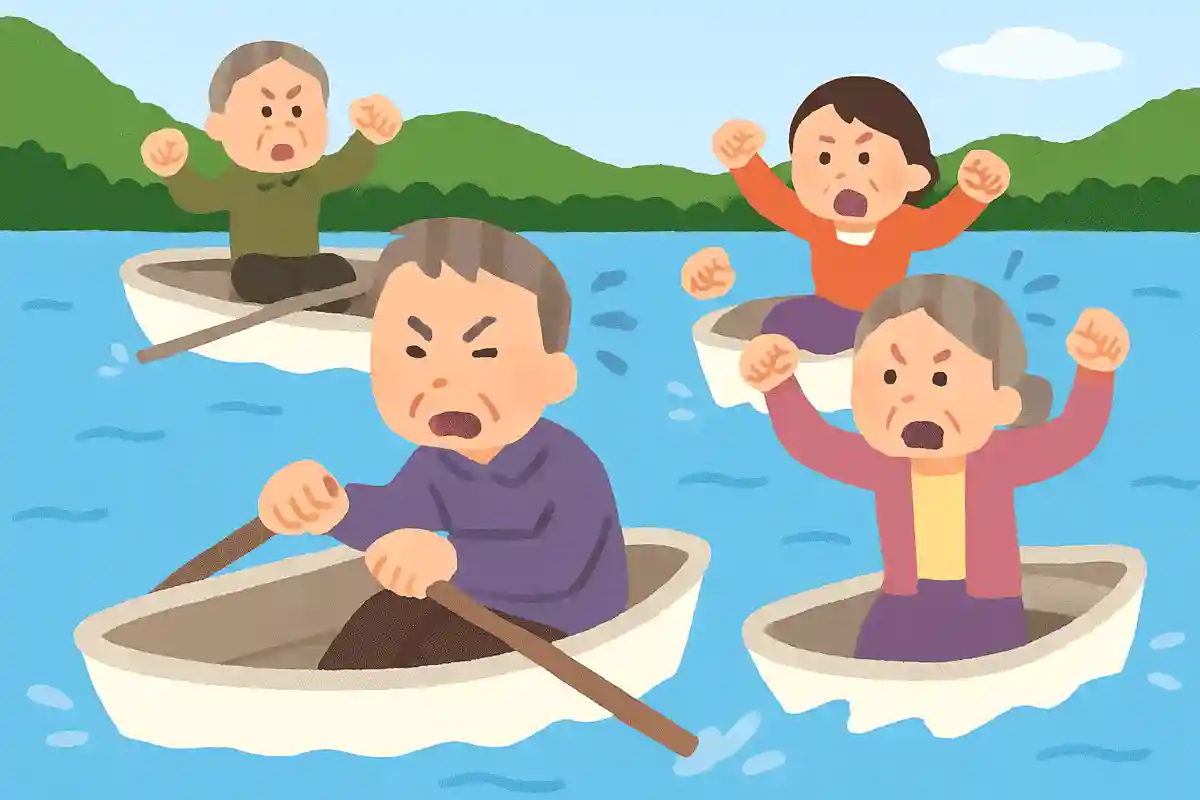
If you lend out something that’s a lake, everyone goes wild. What did you lend? (Answer: a paddle)
See the answer
boat
The answer is “boat.” It’s a wordplay on “renting out boats” (bōto o kasu) and the similar-sounding phrase “turning into a mob” (bōtokasu). It puns on the event of renting boats—vessels people use on a lake—by linking it to the near-homophone meaning “people becoming riotous.”
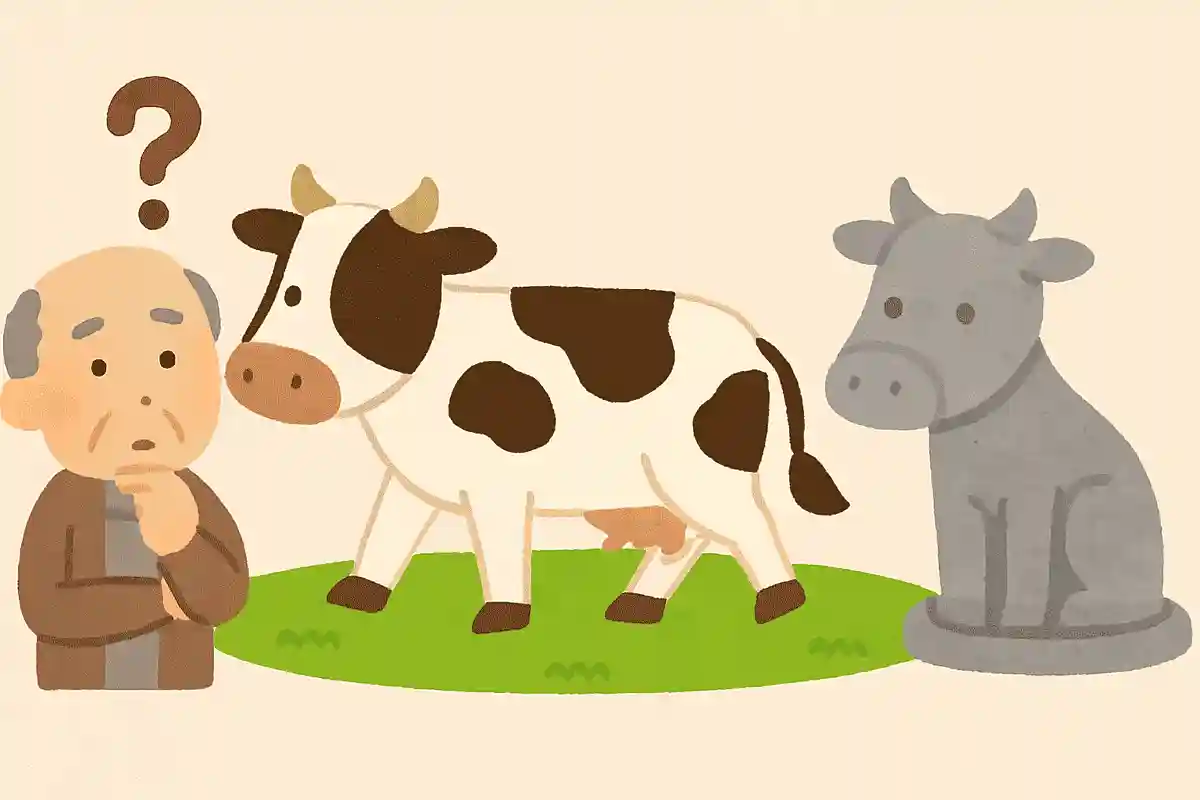
If a cow does a certain thing, it will turn into stone. What is that thing?
See the answer
gargling
This riddle is a play on words. When a “cow” (ushi) gargles (ugai), the “u” in “ushi” turns into “i,” making it “ishi” (stone). In other words, by changing the “u” in “ushi” to “i,” it transforms into “ishi,” which is a pun-based answer. It’s a problem that makes use of the fun of Japanese wordplay and is approachable for older adults as well.
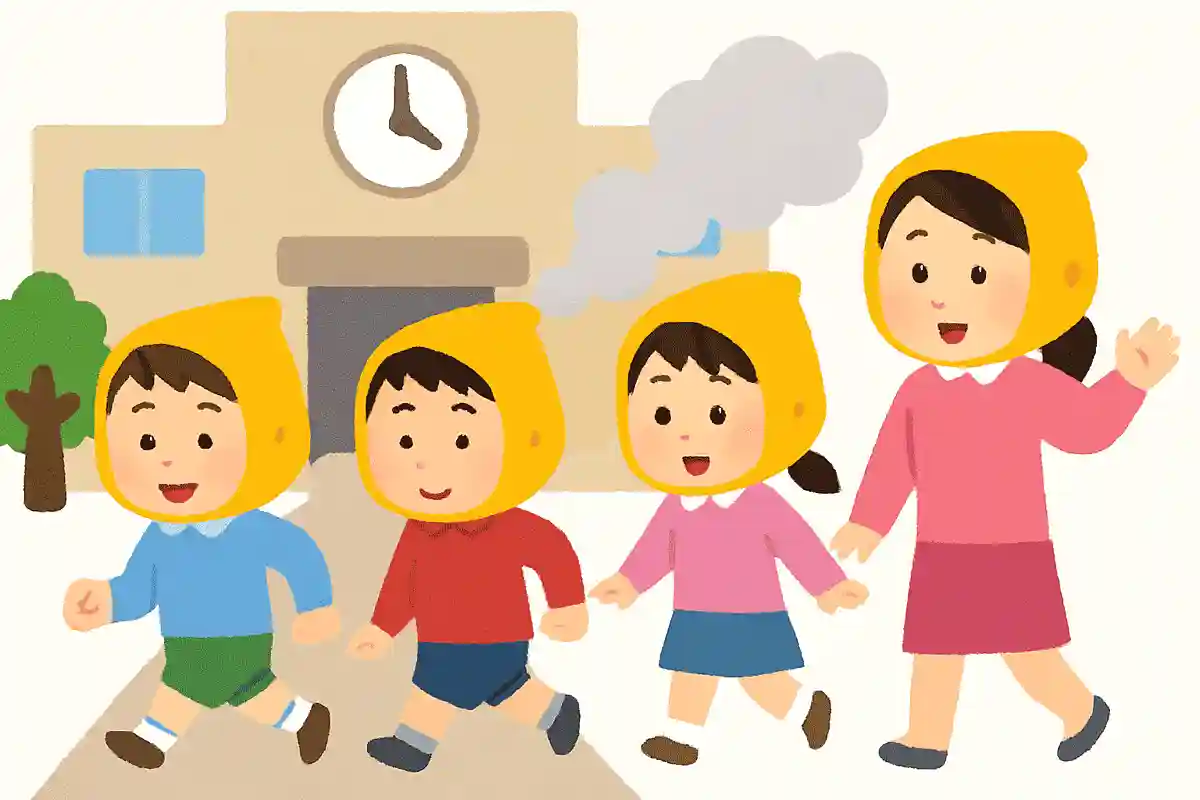
During the elementary school evacuation drill, it went very smoothly when only the lower-grade students participated. Why do you think that was?
See the answer
Because (I/they/he/she) didn’t press (it).
In this riddle, the key is to focus on “lower grades.” The word that refers to lower-grade students, osanai (meaning “young”), is pronounced the same as osanai (“don’t push”). In other words, “only lower-grade students” = osanai (young) = osanai (don’t push) = nobody pushed, so everything went smoothly—this is the wordplay at work.