

![[For Beginners] Recommended Enka Classics for Karaoke — Women Singers Edition](https://i.ytimg.com/vi_webp/Dv8ZzzDVnNI/maxresdefault.webp)

In recent years, as Showa-era kayōkyoku has been attracting attention not only in Japan but also overseas, enka—often called the spiritual hometown of the Japanese—has also been drawing keen interest among younger generations.
Enka is a genre that has evolved in many forms, from classic, orthodox styles to songs with a strong kayōkyoku flavor and even pieces that fuse multiple genres, and it continues to enjoy enduring popularity in the Reiwa era.
For those new to enka, this article introduces classic enka masterpieces by female singers that are easy to try at karaoke.
We’ve compiled a lineup of timeless hits that even beginners are likely to know, so if you’re interested, be sure to check it out.
By the way, we also introduce a male-singer version in another article, so don’t miss that, either!
- [Enka] Songs that are easy to sing even for those who are tone-deaf [Female singers edition]
- [2026] Easy Enka Songs for Karaoke: Recommended Picks — Women Singers Edition
- [2026] Easy-to-Sing Enka: From Classic Masterpieces to Recent Hits [Female Singers Edition]
- [For Beginners] Recommended Enka Masterpieces for Karaoke — Male Singers Edition
- [For Women] A roundup of enka songs that can score high in karaoke
- A roundup of female enka singers in their 70s: voices that evoke nostalgia
- [2026] Amazing if you can sing them! Enka Masterpieces [Women Singers Edition]
- A roundup of leading female enka singers representing the Showa era
- [For Women] Masterpiece Enka Songs with a High Degree of Difficulty
- 【2026】Difficult Enka Songs to Sing — Women Singers Edition
- [Asian Songstress] A Collection of Teresa Teng’s Easy-to-Sing Songs
- [Enka] Songs That Are Easy to Sing Even for the Tone-Deaf [Male Singer Edition]
- Nostalgic enka. A collection of classic enka hits from the Showa era.
[For Beginners] Recommended Classic Enka Songs for Karaoke – Female Singers (1–10)
Fleeting LoveKouzai Kaori

Characterized by lyrics that depict a heartrending love and a melody steeped in melancholy, this work is known as one of Kaori Kozai’s signature songs.
Released in March 1991, it reached a peak position of No.
14 on the Oricon charts.
It was performed at the 42nd NHK Kouhaku Uta Gassen the same year, boosting Kozai’s nationwide recognition.
With a tune that’s approachable even for newcomers to enka, it has remained a long-standing favorite at karaoke.
The lyrics, which convey the transience and ruthlessness of love, are sure to resonate with many.
It’s a song that offers solace to those who have experienced heartbreak or loneliness—why not give it a try?
abandonedNagayama Yōko

This song’s melody and lyrics, which portray a heartrending love, resonate deeply in the heart.
Known as a masterpiece of enka, it delicately expresses the sorrow and complex emotions of a woman after a breakup.
Released in March 1995, it peaked at No.
32 on the Oricon chart and achieved an astonishing long run, staying in the top 100 for 48 weeks.
It was also used as an insert song on NHK’s program “Comedy: Oedo de Gozaru,” making it beloved by a wide audience.
Even for newcomers to enka, anyone with experience in love can relate to the lyrics.
When singing it at karaoke, if you spread your arms and wave during the “demo ne” part of the chorus like Ms.
Nagayama, it’s sure to liven things up!
Longing for RainYashiro Aki

It’s no exaggeration to call this one of the defining songs of the 1980s.
Though it takes rain as its theme, it’s a classic filled with a bright, positive message.
That’s a feature that sets it apart from traditional enka and captured the hearts of many.
Released in April 1980, the song won the 22nd Japan Record Award.
It also closed out that year’s Kohaku Uta Gassen, making it a milestone in Aki Yashiro’s career.
With its rhythmic melody and easy-to-remember lyrics, it’s great for karaoke beginners.
The choreography—turning your palms up toward the sky during the chorus—is also distinctive and makes it fun to sing along.
Be sure to pay attention to the lyrics, which express the feelings of a woman after a breakup.
Life is full of ups and downs.Shimakura Chiyoko

A song that captivates the heart with lyrics that candidly portray life’s joys and sorrows, paired with Chiyoko Shimakura’s rich, velvety voice.
Released in 1987, the track was performed on the following year’s Kouhaku Uta Gassen, propelling her into the spotlight.
The melody blends pop and enka into a distinctive style that is both approachable and profound.
While the chorus climbs a bit in pitch, the overall range is narrow, making it accessible even for beginners.
The lyrics resonate especially with those who have a wealth of life experience, yet they carry a universal message that will speak to younger listeners as well.
Dotonbori SentimentTendō Yoshimi

Set against the backdrop of Osaka’s Dotonbori, this song portrays the warmhearted spirit of Naniwa.
It begins with the emotions of easing heartbreak with alcohol and goes on to praise Osaka’s strength and kindness.
Released in December 1985, it was YOSHIMI TENDO’s first single after moving to Teichiku.
Thanks to steady promotional efforts, it became a major hit, selling 800,000 copies over two years.
It was performed three times on NHK’s Kōhaku Uta Gassen, and in 2000 she closed the show for the Red Team.
Even beginners to enka will find it easy to sing along to its lively Osaka-dialect rhythm—sure to be a karaoke crowd-pleaser.
The person I fell in love withMiyako Harumi

As a classic of the Showa-era kayōkyoku, this song has been loved for many years, and Harumi Miyako’s characteristically powerful vocals leave a strong impression.
Released in September 1968, it became a major hit, selling over one million copies.
Incidentally, it was also used in a commercial for Nagatanien’s Umeboshi Chazuke.
The lyrics depict a farewell to a lover, portraying the resolve to accept the separation with a forward-looking attitude while holding back sorrow.
The melody is easy to remember, and the chorus builds wonderfully, making it a song that’s easy to sing at karaoke.
Even those without confidence in their singing can enjoy it as long as they put emotion into it.
Keiko’s Dream Opens at NightFuji Keiko
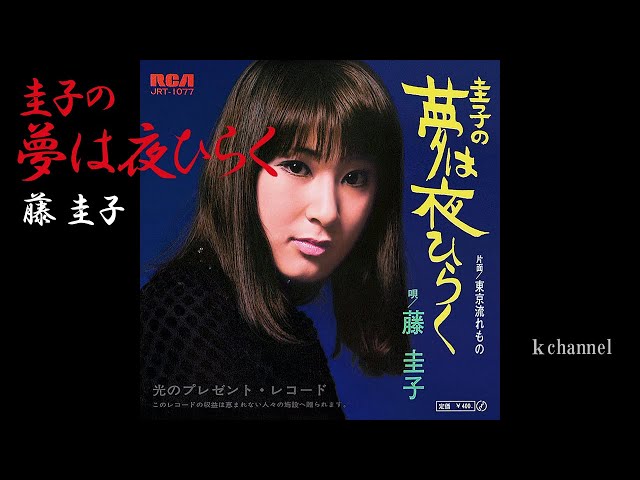
It’s a classic that represents the Showa-era enka scene and is known as one of Keiko Fuji’s signature songs.
The lyrics, depicting the poignant feelings of a woman chasing her dreams in the nightlife district, are striking, and her distinctive husky voice beautifully captures the song’s world.
Released as a single in April 1970, it won the Japan Record Grand Prize and was also performed on that year’s Kohaku Uta Gassen.
When singing it at karaoke, it’s important to honor the song’s narrative world and sing with emotion.
It’s especially recommended for those who struggle with high notes but are confident in their lower range and want to try enka.