

[For Women] Sing challenging songs at karaoke and steal the spotlight!


If you’re blessed with a singing voice you’re proud of, you’ll want to make the most of it and show it off to friends and everyone around you, right? In this special feature, we’ve collected challenging songs recommended for women like you.
Even when we say “songs that are hard to sing,” the difficult points vary: some demand a very wide vocal range, while others require delicate expressiveness, and so on.
Each song’s article includes notes on what makes it challenging and tips on how to sing it well, so be sure to use this as a guide and show off your wonderful voice to the fullest!
- Cool If You Can Sing! Popular Karaoke Songs Recommended for Women
- [Taking on a song with a wide vocal range] An S-class challenge track
- [High-pitched warning!] Songs with high notes that are hard to sing
- Songs Men Want Women to Sing at Karaoke: Irresistible Tracks [2026]
- Pick out the challenging songs that will earn you respect if you can nail them at karaoke!
- Songs to Help Women Sing Better: Practice Tracks for Improving at Karaoke
- Songs you’d want women to sing at karaoke! Karaoke picks recommended for Gen Z
- Karaoke songs that make it easy to score 100 points [for women]
- [For Women] Masterpiece Enka Songs with a High Degree of Difficulty
- [Songs That Make You Popular] Sing these to be a hit! Women’s karaoke songs
- A must-see for low-voiced women! Popular songs that are easy to sing at karaoke
- [For Women] Easy-to-Sing and Crowd-Pleasing Karaoke Songs
- A collection of cool songs that sound great when sung by women, originally male songs
[For Women] Sing difficult songs at karaoke and steal the spotlight! (41–50)
Miko of the Flood DragonOnmyoza

A magnificent Japanese-style metal track where Japanese aesthetics collide with heavy metal! Onmyo-za is known as a yokai heavy metal band, but above all, vocalist Kuroneko’s soaring high notes are absolutely stunning.
I love Onmyo-za and sing their songs often, and I think Mizuuchi no Miko might be the highest-pitched among their tracks.
The twin guitars are incredibly cool, so it’s highly recommended for heavy metal fans.
When singing, sustained high notes, traditional Japanese-style phrasing, and the challenging vocabulary raise the difficulty.
First, Onmyo-za’s lyrics use archaic language and difficult kanji, so you definitely should memorize the lyrics! You might also start with one of Onmyo-za’s most famous songs, Koga Ninpōchō.

[For Women] Sing challenging songs at karaoke and steal the spotlight! (51–60)
unravelAdo

Ado is a female singer whose exceptional vocal ability has earned her high acclaim within the industry.
All of her songs are quite challenging, but the one I especially recommend is Unravel.
This work is a cover of a song by TK from Ling tosite sigure, and like the original, it features extremely advanced high notes.
It’s not just about hitting high pitches; you also need to deliver them with a scream-like tone, which demands a strong foundation in vocal technique.
If you’re confident in your singing ability and expressiveness, definitely give it a try.

My sincere heartAina ji Endo

After making her mark as a member of BiSH, Aina The End has been thriving as a solo artist as well.
Many people admire her unique vocal technique that makes full use of her husky voice.
Among her works, the one I particularly recommend is “Watashi no Magokoro” (“My Sincere Heart”).
This piece features a triplet feel reminiscent of soul music, a rhythm said to be quite difficult for many Japanese singers.
On top of that, it includes shouts and ad-libs, making it quite challenging for those who mainly sing Japanese pop.
A bouquet of flowers with loveSuperfly

This is Superfly’s fourth single overall, released in February 2008.
It was used as the theme song for the TBS drama “The Mother of Edison.” Shiho Ochi, the vocalist known for her consistently acclaimed vocal ability, showcases her powerful voice and wide range to the fullest in this signature Superfly track.
If you can sing it as powerfully and dynamically as she does, you’ll undoubtedly be the center of attention at karaoke! Just be careful not to strain your throat on the high notes—if you clamp down, you won’t achieve her expansive, powerful sound and you may end up hurting your voice.
Please take good care.

I am a cat’s eye.Shiina Ringo

This is Ringo Sheena’s 17th single, released in May 2023.
It was apparently produced as a commemorative work for the 25th anniversary of her debut.
Many of Sheena’s songs are known for their intriguingly complex melodic progressions and rhythmic phrasing, and this track is no exception—it’s filled with a highly distinctive and memorable melody.
Precisely because of that, if you can nail it at karaoke and reproduce it accurately, you’re sure to be the center of attention! Be sure to study the song and lyrics thoroughly before giving it a try.
If you sing with the sensation of placing your voice against your upper palate, you’ll likely achieve a vocal tone rich in higher overtones, similar to hers—definitely give that a try as well!
Pink BlueRyokushokushakai
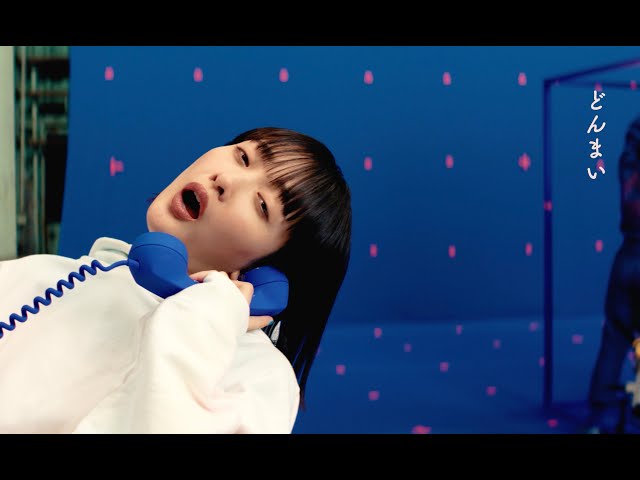
This song is included on Ryokuoushoku Shakai’s fourth studio album, Pink Blue, which was released in May 2023.
The track we’re introducing here, Pink Blue, serves as the album’s title track, and its music video was released ahead of the album.
When singing this song at karaoke, the key points are not only how precisely you can trace the vocal melody, which moves intensely and intricately up and down, but also whether you can deliver with a powerful, resonant tone across both high and low ranges.
Combined with the slightly up-tempo feel, it’s quite a challenging song to sing; however, for those confident in their vocals, it’s one you should definitely try.
Efficiently converting breath into voice is crucial, so study that aspect as well—and be sure to practice carefully so you don’t strain your throat.
Crimson Lotus FlowerLiSA
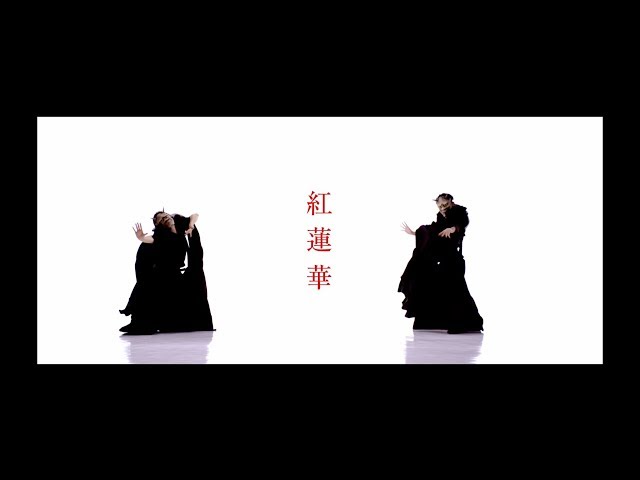
It’s LiSA’s 15th single, released in July 2019.
It serves as the opening theme for the TV anime Demon Slayer: Kimetsu no Yaiba.
With its up-tempo, driving feel and a chorus built around high notes, it’s a song that, in a sense, clearly showcases the “difficulty of singing.” For that reason, it’s also one of the best choices if you want to draw attention at karaoke.
As you sing, be sure to pay close attention to shaping vocal dynamics throughout the song, using falsetto effectively, and switching smoothly between registers.