

Fireworks Trivia & Fun Facts Summary

Fireworks have long been loved by many people as a classic symbol of summer.
From large aerial fireworks to simple handheld sparklers, they come in many sizes and shapes—but plenty of people enjoy them all the same.
In this article, we’ll introduce a collection of fun facts related to fireworks all at once!
We’ve gathered a wide range of topics, from how to enjoy watching fireworks to their history, so learn lots of trivia as you read!
They’re all the kind of tidbits that will make you want to share them with someone once you know them, so please enjoy!
- Handheld fireworks. From classics to popular novelty fireworks!
- Trivia you think you know but surprisingly don’t? August trivia and fun facts quiz!
- Collection of trivia and fun facts about stars shining in the night sky
- Useful right away in daily life! Surprising trivia and handy tips
- So interesting you’ll want to tell someone! December Trivia & Fun Facts Special
- Insect trivia quiz: A collection of fun facts and questions about bugs for children.
- [Great for speeches] Trivia and fun-fact quizzes recommended for morning assemblies
- A collection of trivia and fun facts about September as we await autumn
- Firework sounds. Sound effects and relaxing ambient sound
- Trivia about hydrangeas. A collection of fun facts related to ajisai (hydrangeas).
- A song perfect for fireworks that color the summer night sky
- A collection of trivia and fun facts about August that will warm your heart
- [Tanabata Quiz] Three-choice questions to enjoy trivia and fun facts
Fireworks Trivia & Fun Facts Roundup (1–10)
There are four stages in the way a sparkler burns.
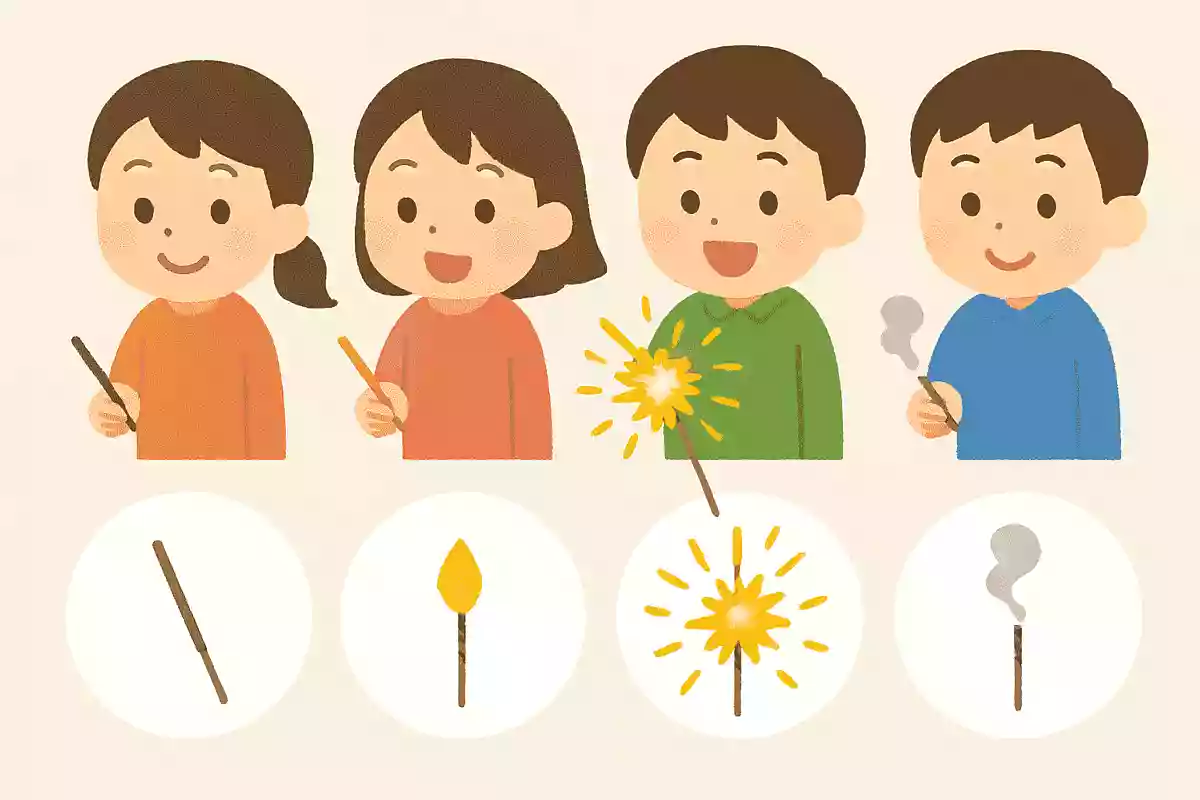
Unlike flashy aerial fireworks, the quietly sparkling senko hanabi (sparkler) is delicate and full of charm, letting you enjoy a different side of fireworks.
Did you know that senko hanabi burn in various ways? There are four stages of burning: “bud,” “peony,” “pine needles,” and “scattered chrysanthemum.” In another description, the “bud” stage is omitted and “willow” is placed between “pine needles” and “scattered chrysanthemum.” Even the names of the stages feel poetic.
Savor the life of a senko hanabi as you enjoy a summer night.

The colors of fireworks are the result of chemical reactions.

The fireworks that color the summer night sky are so beautiful, aren’t they? They entertain us with a variety of colors like red, green, and yellow.
By the way, did you know that the colors of fireworks come from chemical reactions? When substances are burned, they undergo a flame test that produces characteristic flame colors.
For example, when copper—the metal used in ten-yen coins—is burned, it produces a blue-green flame.
Red colors use strontium or calcium compounds, green uses barium compounds, and by mixing them, other colors can also be created.
Fireworks work by using gunpowder to ignite and combust these compounds, triggering flame reactions that produce a wide range of colors.

You need a license to launch fireworks.
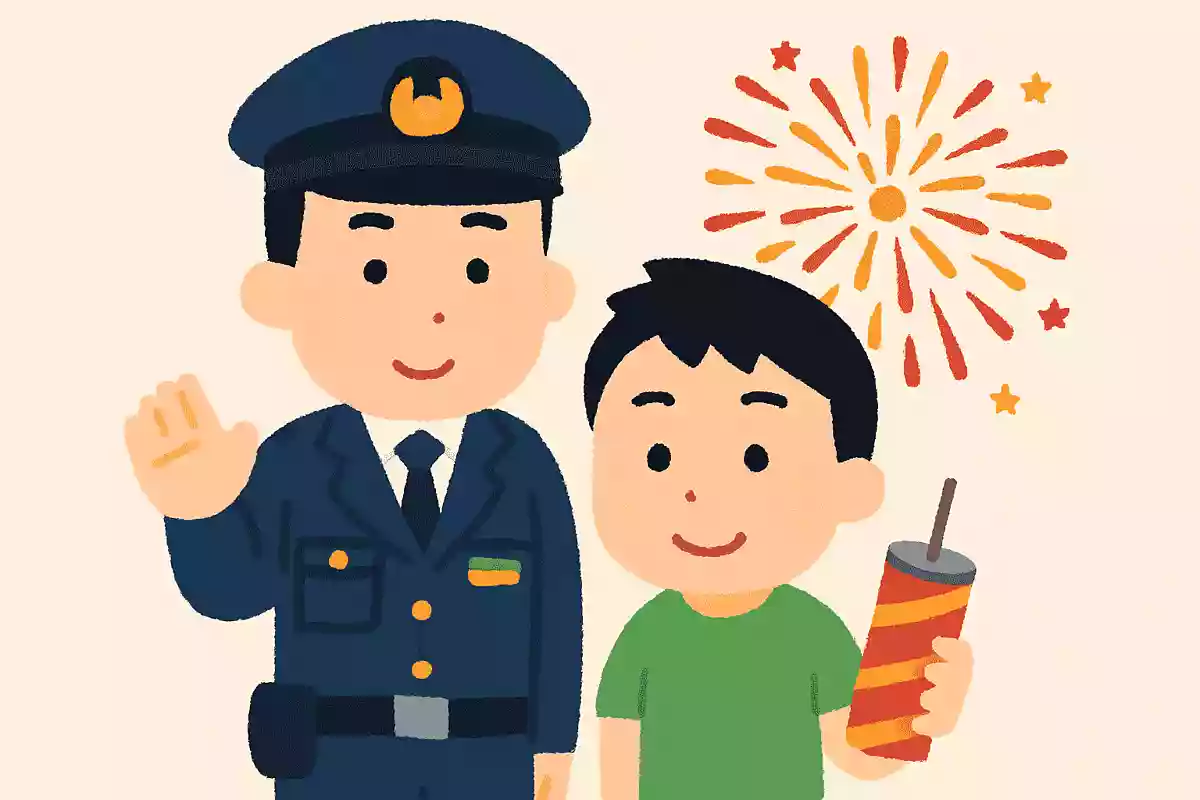
Some people might want to try launching fireworks, but you need qualifications to do so.
For launching fireworks, you need a Flame and Fire Consumption Safety Handbook, and for manufacturing fireworks, you need a Responsible Person for Explosives Manufacturing.
Moreover, only those engaged in fireworks-related work can obtain these qualifications.
A person who launches fireworks is called a hanabi-shi (pyrotechnician), and it can take around ten years of apprenticeship to become fully qualified.
You may also need a strong determination if you want to become a pyrotechnician.
Fireworks trivia & fun facts roundup (11–20)
It’s better to take photos of fireworks from upwind.
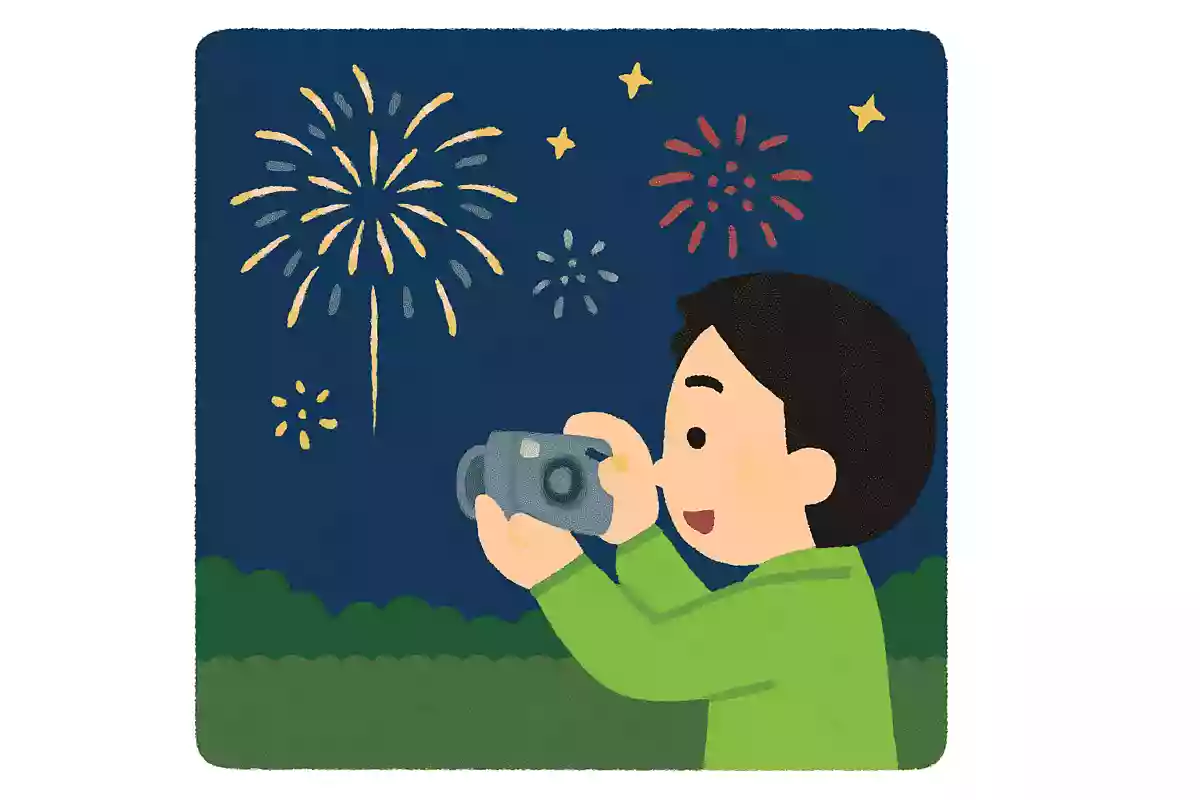
Fireworks are really difficult to photograph, aren’t they? People say you can improve your shots by slowing the shutter speed or fixing the exposure, but choosing the right location matters even more than settings! The best place to shoot fireworks is upwind from the launch site.
If you shoot from the downwind side, the smoke will drift over and make your photos look hazy.
An upwind spot that gives you clear photos is also great even if you’re just watching without taking pictures.
Keep this in mind and give fireworks photography a try!
The first fireworks I saw in Japan were by Date Masamune.
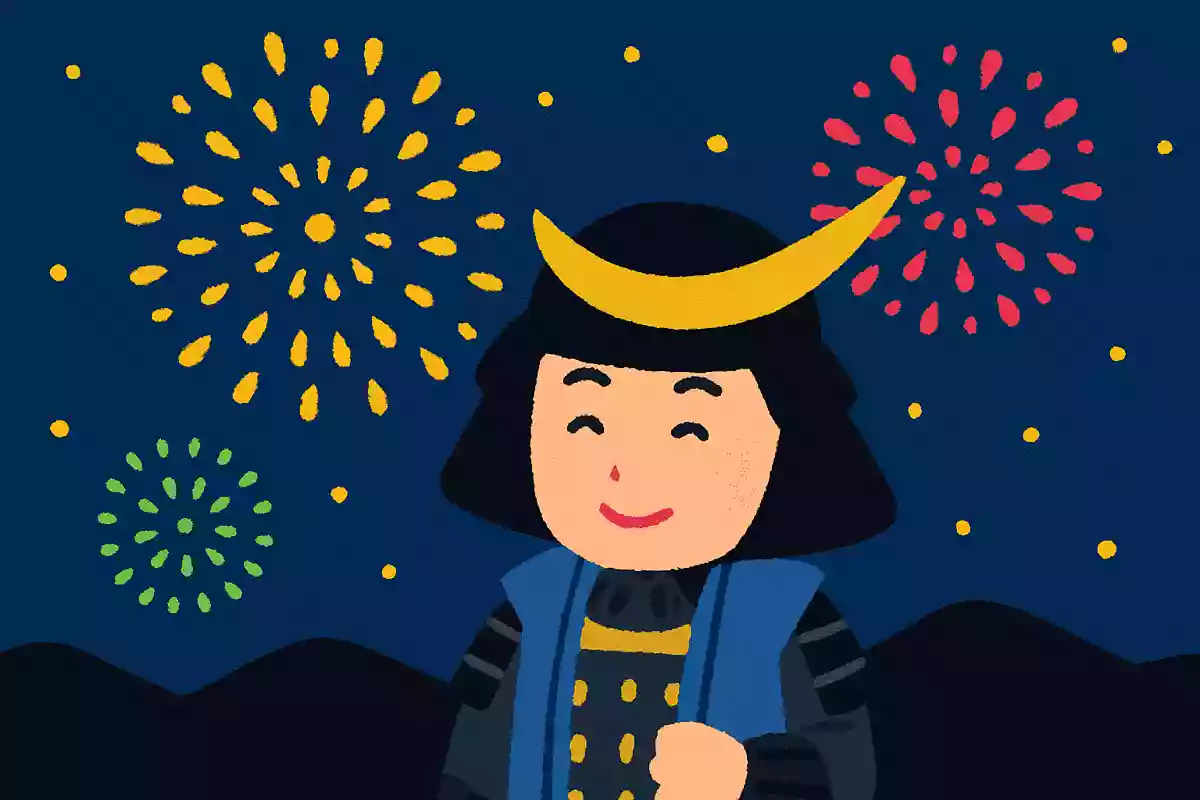
The first person in Japan to see fireworks was the Sengoku warlord Date Masamune, also known as the “One-Eyed Dragon Masamune.” In 1582, during the Azuchi-Momoyama period, there is a record that fireworks were displayed at Yonezawa Castle in Yamagata Prefecture, where Date Masamune was born, by Tōjin—foreigners from China.
Later, in 1613 during the Edo period, Tokugawa Ieyasu is said to have been shown fireworks at Sunpu Castle in Shizuoka Prefecture by an envoy from the King of England.
Inspired by the fireworks Ieyasu saw, fireworks spread rapidly throughout Japan.
Even the warlords who lived through an age of turmoil must have been captivated by their beauty.
The first fireworks festival in Japan was the Sumida River Fireworks Festival.
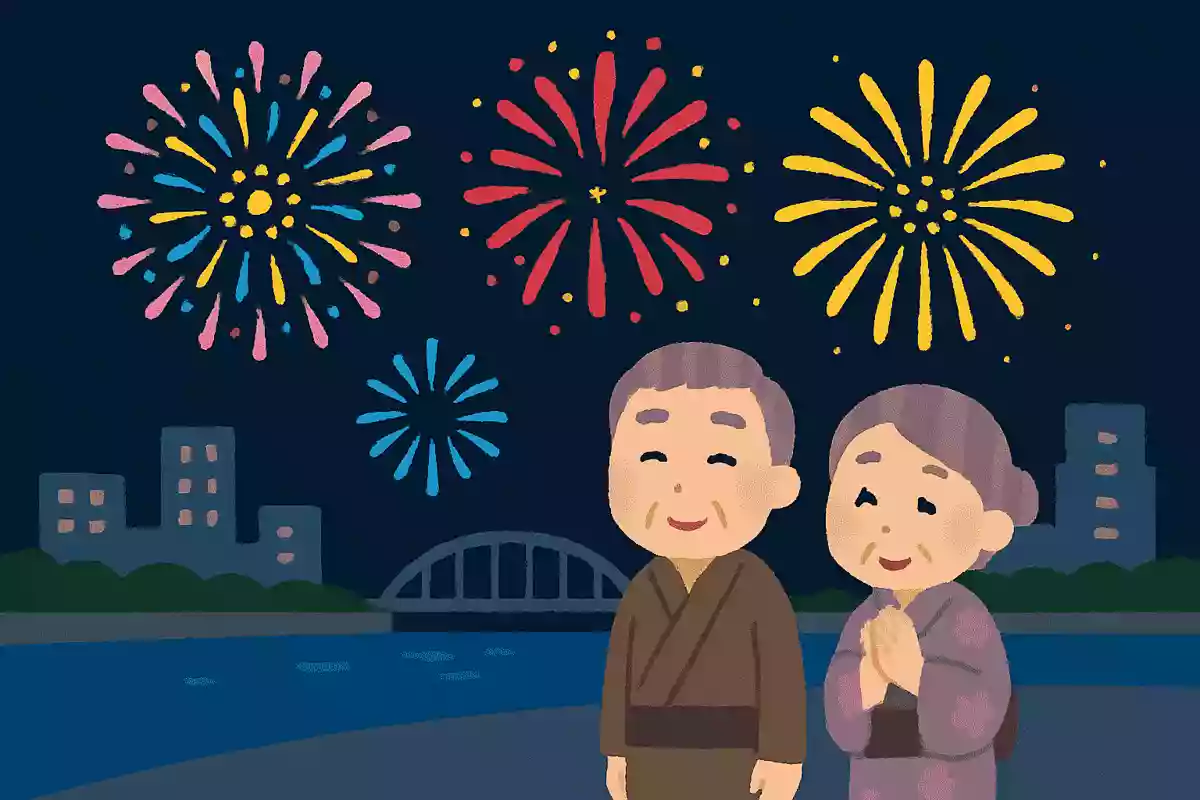
During the Edo period, when Tokugawa Yoshimune was shogun, a great famine and a cholera epidemic swept the country, claiming many lives.
To console the souls of the deceased and drive away the plague, Yoshimune held a water deity festival on the Sumida River.
As part of the entertainment at that time, fireworks were launched—this is said to be the origin of the Sumida River Fireworks Festival.
Unlike today’s colorful displays, the fireworks were smaller and subdued in color.
Incidentally, the famous shouts of “Tamaya” and “Kagiya” heard when fireworks go up are also said to have originated on the Sumida River.
Tear off the fluttering paper at the tip of the handheld firework before lighting it.
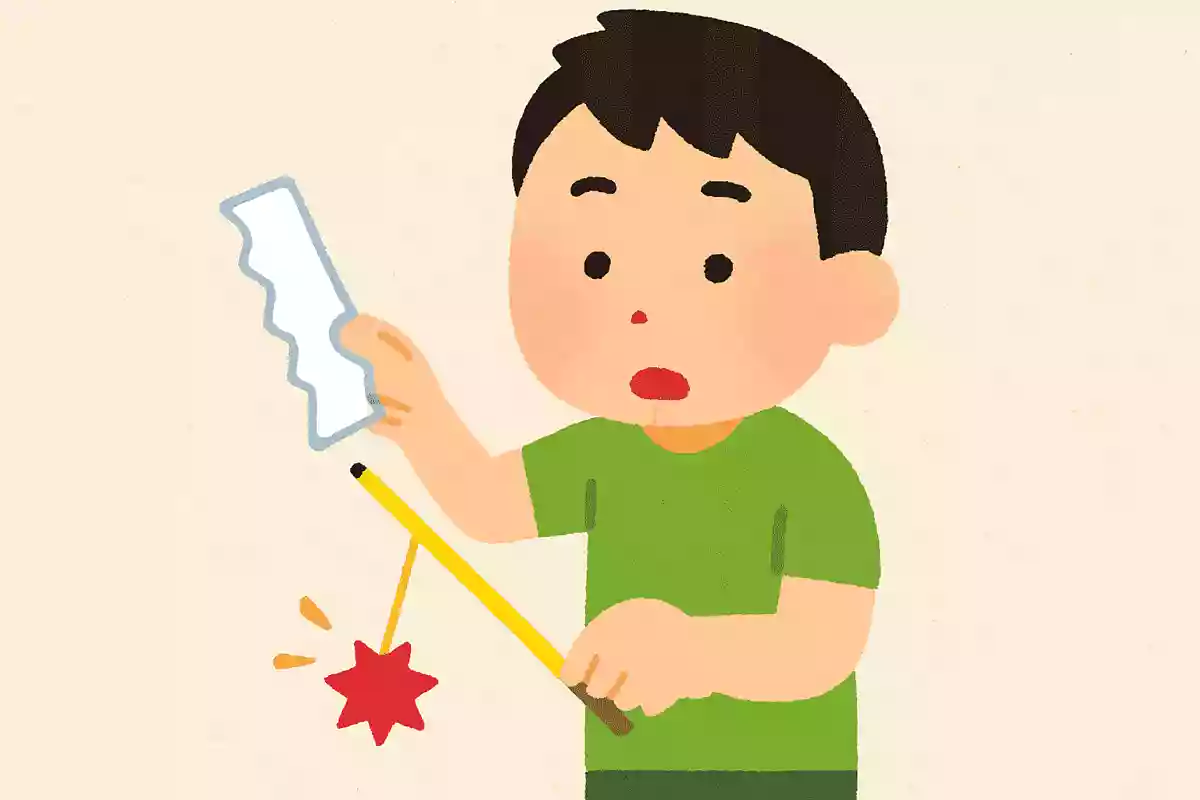
What do you do with the fluttery paper at the tip of a handheld firework? Believe it or not, the correct way is to tear off that paper and light the firework on the exposed tip! That paper is called the “hosaki,” and it’s attached to keep the powder inside from spilling and to protect it.
Because the protected tip becomes tougher, it can be harder to light, and in rare cases it may even burst if you try to light it as-is.
That’s why you should tear off the fluttery paper—the hosaki—before lighting handheld fireworks.
This is often written on the fireworks’ packaging, so be sure to check carefully before enjoying them!