

Surprisingly tricky! Check your general knowledge with a four-character idiom quiz

There are many four-character idioms, like “killing two birds with one stone” and “telepathy,” that we often encounter in everyday life.
Simply knowing how to use them can make your conversations and writing more polished.
However, many people may confuse idioms with similar meanings or not fully understand the correct meanings of some of them.
In this article, we introduce a quiz designed for the general public that helps you deepen your knowledge of four-character idioms while having fun.
Why not learn idioms you can use in conversations with friends and in business settings through a quiz?
- A four-character idiom quiz that elementary schoolers will love! Questions become fun once you understand the meanings
- [Understand with four-character idioms] A psychology test that digs into who you are
- Amusing four-character idioms you’ll want to use right away! A collection of expressions to remember as general knowledge.
- [For Elementary School Students] A Four-Choice Proverb Quiz Recommended for Kids
- Become positive with four-character idioms that resonate with the heart! Common yet deeply meaningful words.
- [Hard-to-Read Quiz] Single-character difficult kanji — including surprisingly simple ones!
- [Challenge] Stimulate your intellectual curiosity with a general knowledge quiz you might not know!
- A quiz of interesting obscure kanji: characters that look easy but are hard to read
- General: Four-character idioms that encourage determination—powerful, heart-stirring words
- [Four-Character Idioms] Impressive and Cool Sound! A Collection of Famous Quotes Worth Knowing as General Knowledge
- Where do you split it? Learn general language knowledge through a quiz.
- Let's take on a four-choice quiz that everyone can enjoy together!
- One-character difficult kanji quiz: a multiple-choice (3 options) game to learn the readings of challenging kanji
Surprisingly tricky! Test your general knowledge with a four-character idiom quiz (1–10)
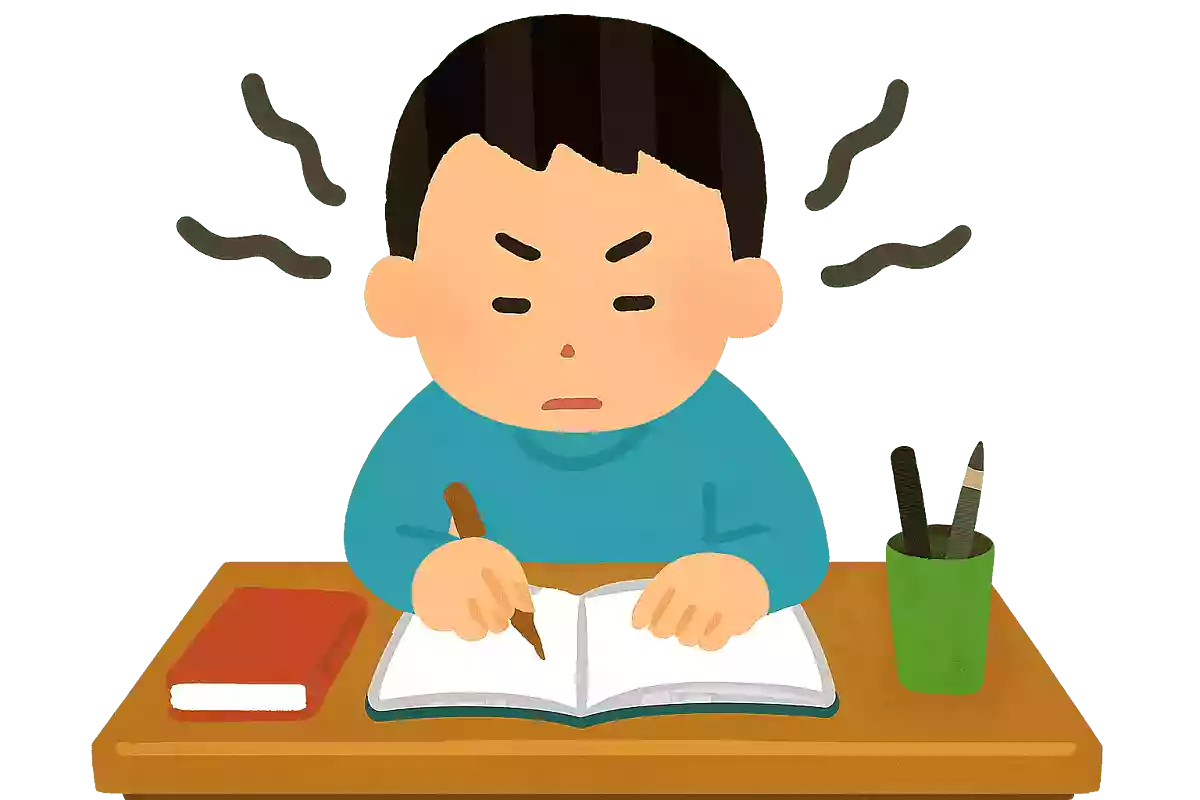
What four-character idiom means to focus on one thing without being distracted by other matters?
See the answer
single-minded devotion
“Ichii Senshin” is a four-character idiom that describes focusing on one thing without letting your mind be distracted by anything else. It is an important attitude when you want to achieve a goal or tackle a difficult challenge, and it is considered an ideal mindset in various situations such as studying, work, and sports.

What four-character idiom means to skip the preface and get straight to the point?

See the answer
straight to the point
“Tantō chokunyū” is a four-character idiom that means skipping roundabout prefaces or explanations and getting straight to the point or the main topic. It originally comes from a Chinese expression, derived from the image of cutting straight into the enemy lines with a single sword. It’s commonly used in business settings and everyday conversation, as in “To be blunt,” or “To get straight to the point,” when you want to state the essence or conclusion directly. It’s a handy expression when you want to eliminate waste and move the conversation forward efficiently.
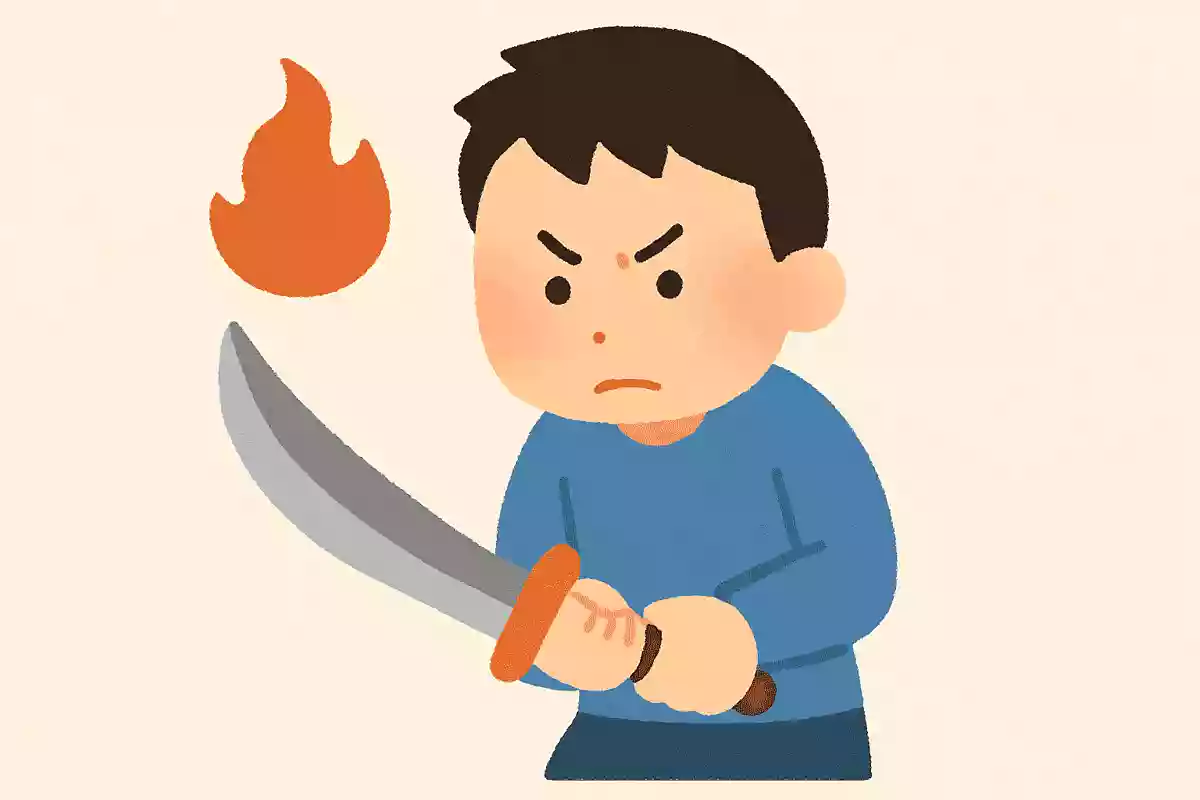
What four-character idiom means to make efforts for revenge?
See the answer
to lie on firewood and taste gall (an idiom meaning to endure hardship and persevere for future revenge or success)
“臥薪嘗胆” is read as “gashin-shōtan.” It is a four-character idiom meaning to persevere through hardships and continue making persistent efforts to achieve a goal—especially to endure suffering in order to carry out revenge or settle a score. It originates from a Chinese historical anecdote: it is said that during the Tang era, King Fuchai of Wu slept on firewood and King Goujian of Yue tasted bitter gall so they would not forget their enmity, giving rise to the expression.
Surprisingly tricky! Check your general knowledge with a four-character idiom quiz (11–20)
What four-character idiom means conveying feelings from the heart without relying on words?

See the answer
telepathy; tacit understanding (literally: 'heart-to-heart communication')
“Ishin-denshin” is a four-character idiom that refers to communicating feelings from heart to heart without using words. It originates from a Buddhist term, describing how the essence of a teaching is conveyed directly from master to disciple, not through words but mind to mind. Today, it’s often used to describe relationships—such as between close friends or family—where people can understand each other’s feelings and thoughts even without speaking.
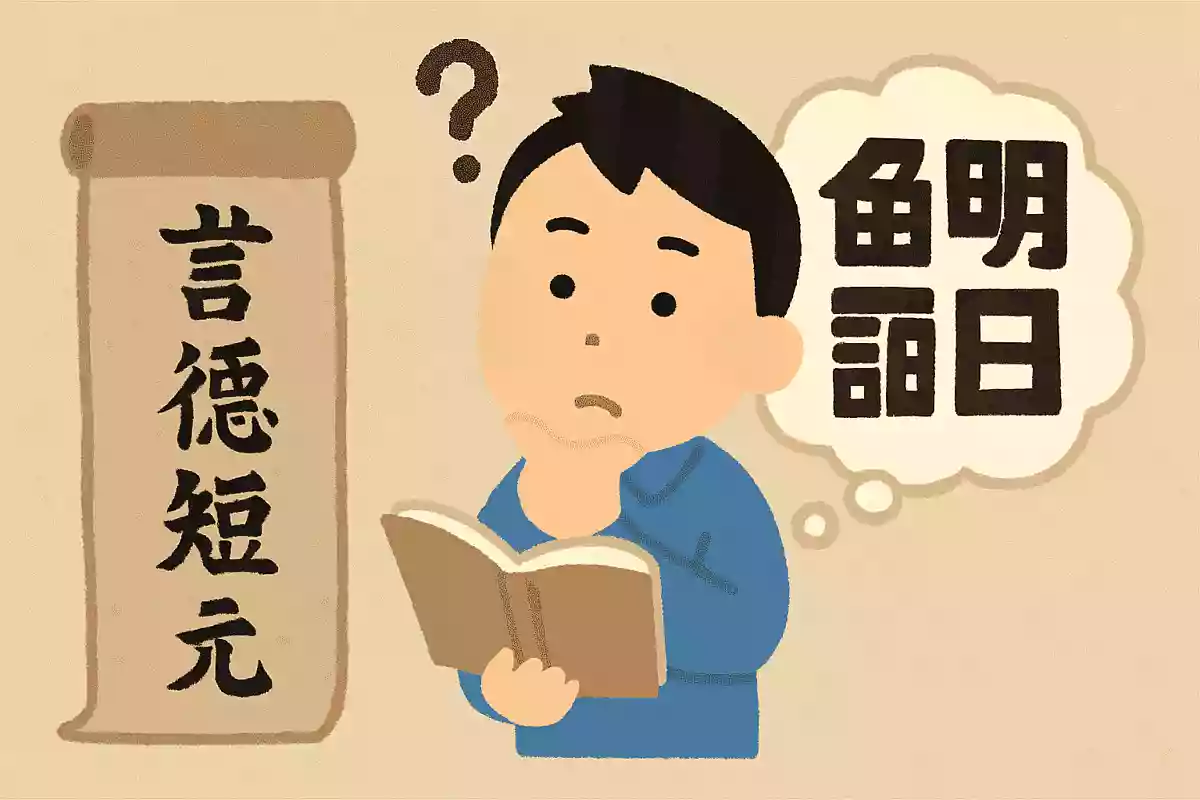
What is the four-character idiom that means to learn from the old and know the new?
See the answer
Learning new things by revisiting the old
This four-character idiom, pronounced “onko chishin,” means that by thoroughly revisiting past events, knowledge, and experiences, one can gain new discoveries and insights. It originates from the Chinese Analects (Lunyu) and derives from the teachings of Confucius.
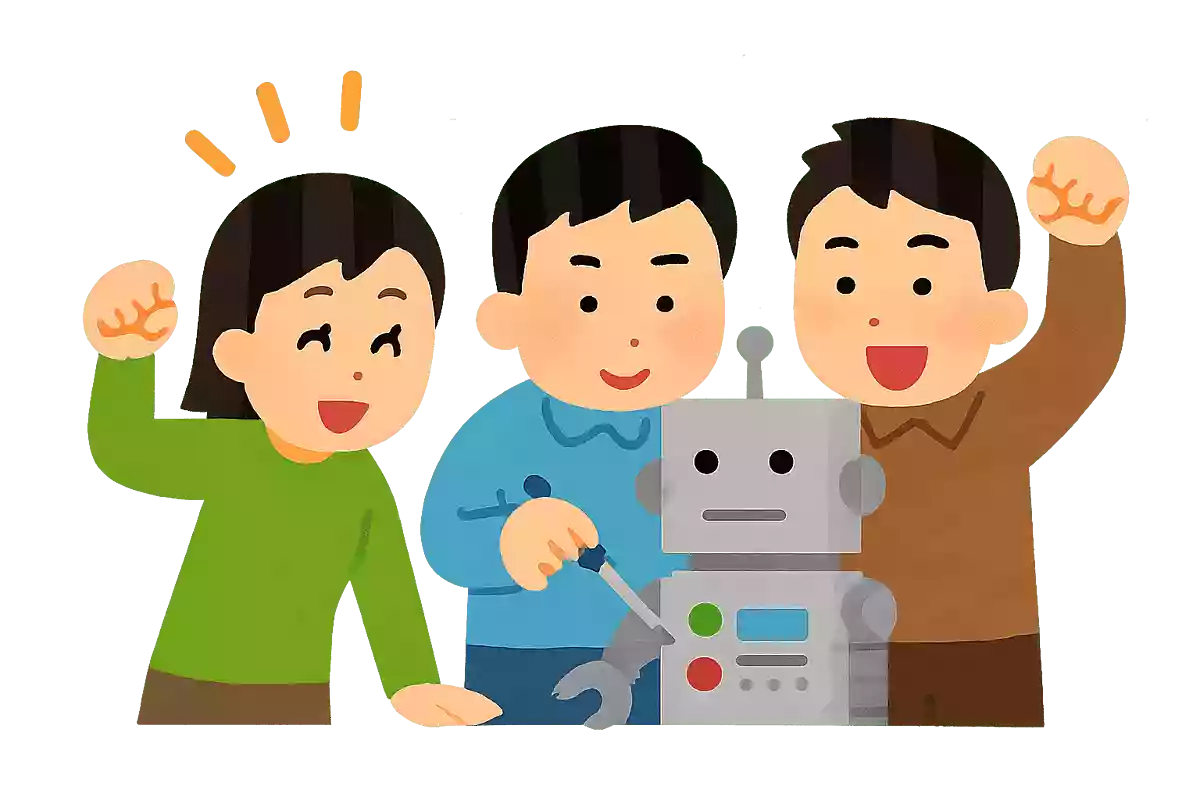
What is a four-character idiom that means aiming to improve skills together with companions?
See the answer
friendly rivalry; mutual improvement through competition
Sessa-takuma refers to comrades encouraging one another as they work to improve each other’s abilities and character. It’s used when you want to emphasize growing through interactions with others and to express a positive, cooperative relationship built on mutual effort.

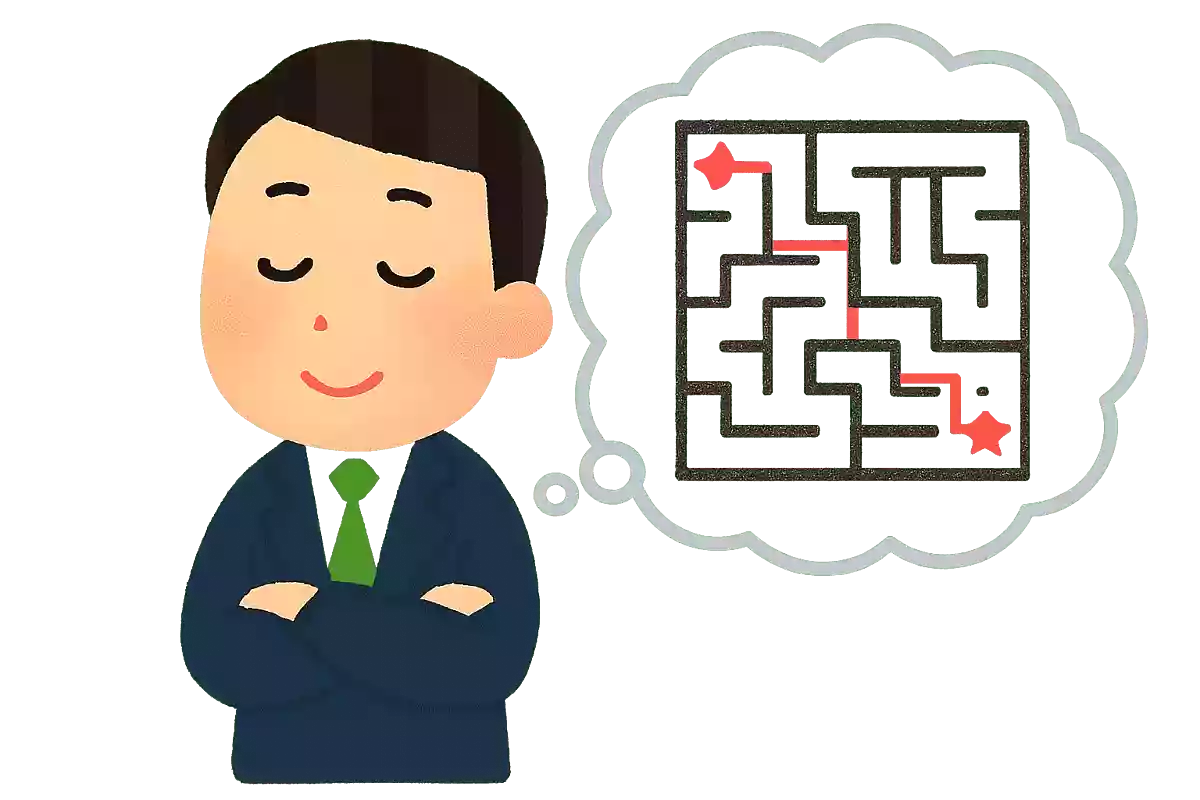
What is the four-character idiom that means “to solve a complex problem splendidly”?
See the answer
A sharp sword cutting through tangled hemp (i.e., resolving a complicated problem swiftly and decisively)
“Kaitō Ranma” is a four-character idiom derived from a story about slicing through tangled hemp threads in one stroke with a sharp blade. By extension, it describes resolving a complex, intertwined problem with outstanding skill or excellent judgment. You won’t hear it often in everyday conversation, but it’s mainly used as a compliment.