

Irresistible reads! A collection of classic and outstanding humorous golf senryu

If you love golf, there are countless moments that make you nod and say, “So true!” Golf senryu—capturing the sport’s unique joys, frustrations, and chuckle-worthy moments in a 5-7-5 rhythm—adds even more fun to your play.
It’s funny how even days of crying over out-of-bounds or cheering for birdies become endearing memories when put into senryu.
This time, we’re sharing plenty of golf senryu packed with empathy and laughter.
Find your favorite verse and use it as a conversation starter with your friends!
- A chuckle-worthy collection of masterful senryu poems themed around sushi toppings
- Burst out laughing! A collection of outstandingly brilliant otaku senryu masterpieces
- [Traffic Safety Senryu] Outstanding works shining with humor and lessons. A carefully selected line to always keep in mind.
- Funny senryu with the theme of toilets. Presenting a selection of masterpieces and gems all at once
- Funny senryu poems composed by junior high school students: introducing outstanding works that will make you burst out laughing
- Parenting Senryu: Relatable Parenting Moments That Make You Say “So True!” Turn Everyday Struggles into Laughter with Senryu
- Senryu about goldfish. A collection of works filled with love for goldfish.
- Challenge Pokémon senryu! From laugh-out-loud gags to outstanding works
- [Elementary School Senryu] A Collection of Hilarious Masterpieces about Summer Vacation, Friends, and School Life. Tips and Explanations Learned from Outstanding Works
- Easy to remember and fun! A collection of number pun/mnemonic ideas
- Funny palindromes. A masterpiece collection that makes you burst out laughing when you imagine them.
- [Winter Haiku] A collection of poems composed by junior high school students: a beautiful and amusing anthology that vividly evokes scenes
- [For Middle School Students] Also Helpful for Haiku Writing! A Collection of Famous Haiku Using Spring Seasonal Words
Irresistibly readable! A collection of classic and masterful humorous golf senryu (1–10)
Looks fun—dimples on the ball—overflowing.

You can really feel the golf world buzzing with excitement—just the word “fun” conveys it.
In the phrase, “dimples on the ball” refers to the many dimples on a golf ball’s surface.
In Japanese, these dimples are sometimes affectionately called “dimples” like the ones on a smiling face.
They’re actually there to improve airflow so the ball flies better, but in this line, having “lots of dimples” lightly expresses a cheerful feeling, as if the ball itself were smiling.

Ball-hunting— with shoots of udo as a souvenir
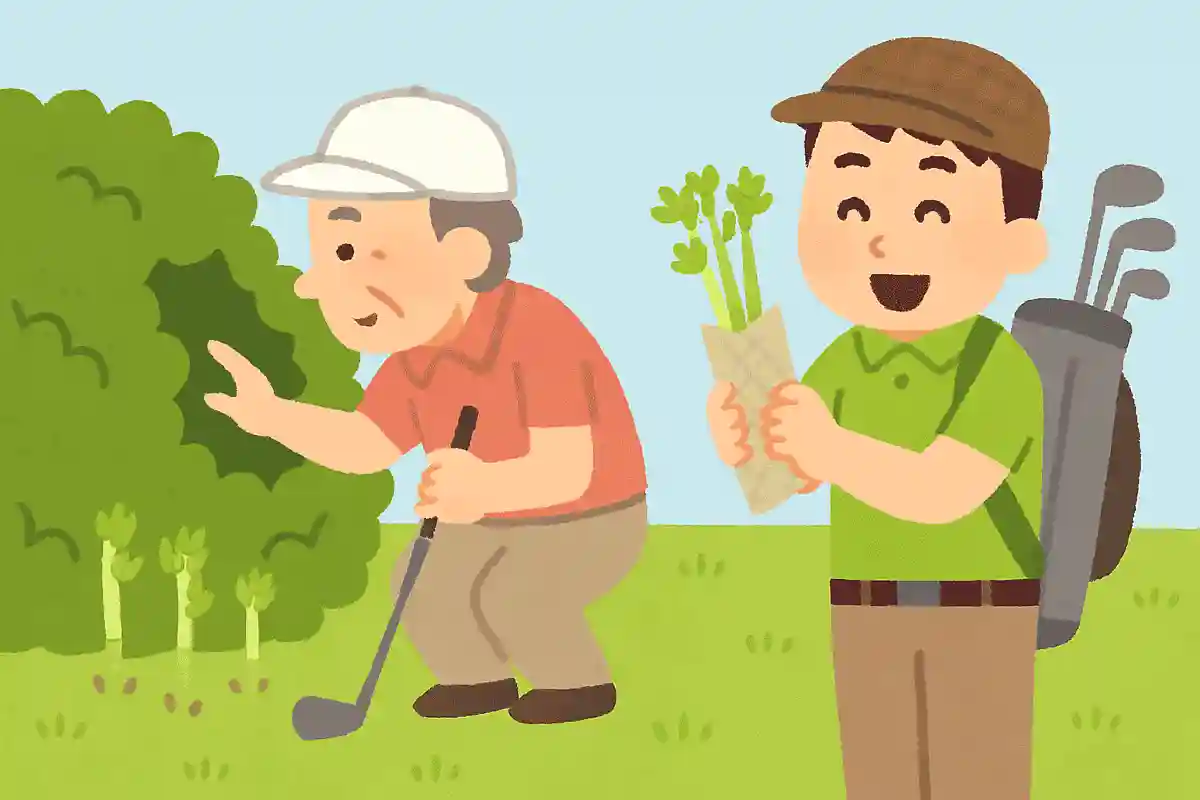
This is a playful “golf senryu” that captures a familiar scene on the course.
“Ball hunting” means the shot went somewhere unexpected and you end up searching for it.
Anyone who’s played golf can probably recall the struggle of looking for a ball in the woods or rough.
Meanwhile, the season is spring.
The “udo shoots” in the poem are the young spring sprouts of a wild mountain vegetable.
While searching, you spot udo shoots peeking out by the edge of the course and can’t help thinking they’d make a nice “souvenir” to take home.
It carries a light, humorous sense of playfulness.
Even the ball that’s struck a hundred times is to be pitied.
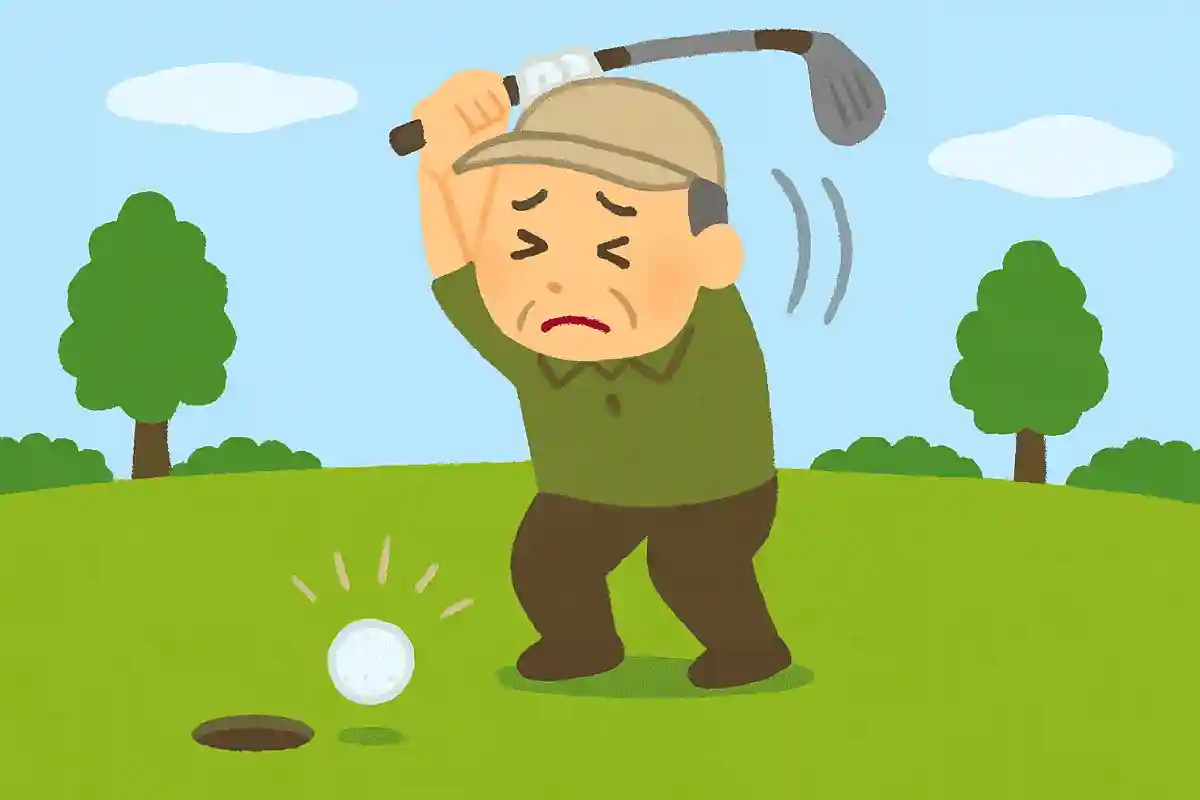
In golf, when you can’t hit well, you might end up striking the same ball over and over again, right? This line imagines even the ball’s feelings as it watches that, thinking, “Even a ball that gets hit that much is kind of pitiful,” isn’t it? It doesn’t just say the ball is being hit; with every mistake you make, the ball starts to seem more and more pitiable…
That slight self-deprecation paired with a gentle quip makes readers smile.
Just like this verse, by adding a touch of humor and kindness to your own golf experiences, you can create a delightful poem.
You’ll want to read it! A collection of classic and masterful golf senryu you can read and laugh at (11–20)
When I was young, I used to clear this bunker.

When I was young, I could clear any bunker without a second thought…
I was that confident.
But now, looking at the same bunker, I find myself wondering, “Could I really get over that…?” This verse captures, just as it is, the feeling of chuckling at myself as I compare the lively old me with who I am now.
It lightly expresses both a familiar moment from golf and the passage of life, inviting readers to say, “I know exactly what you mean!” and to remember their own experiences with a little laugh.
Only I can see it—the gap between the trees.
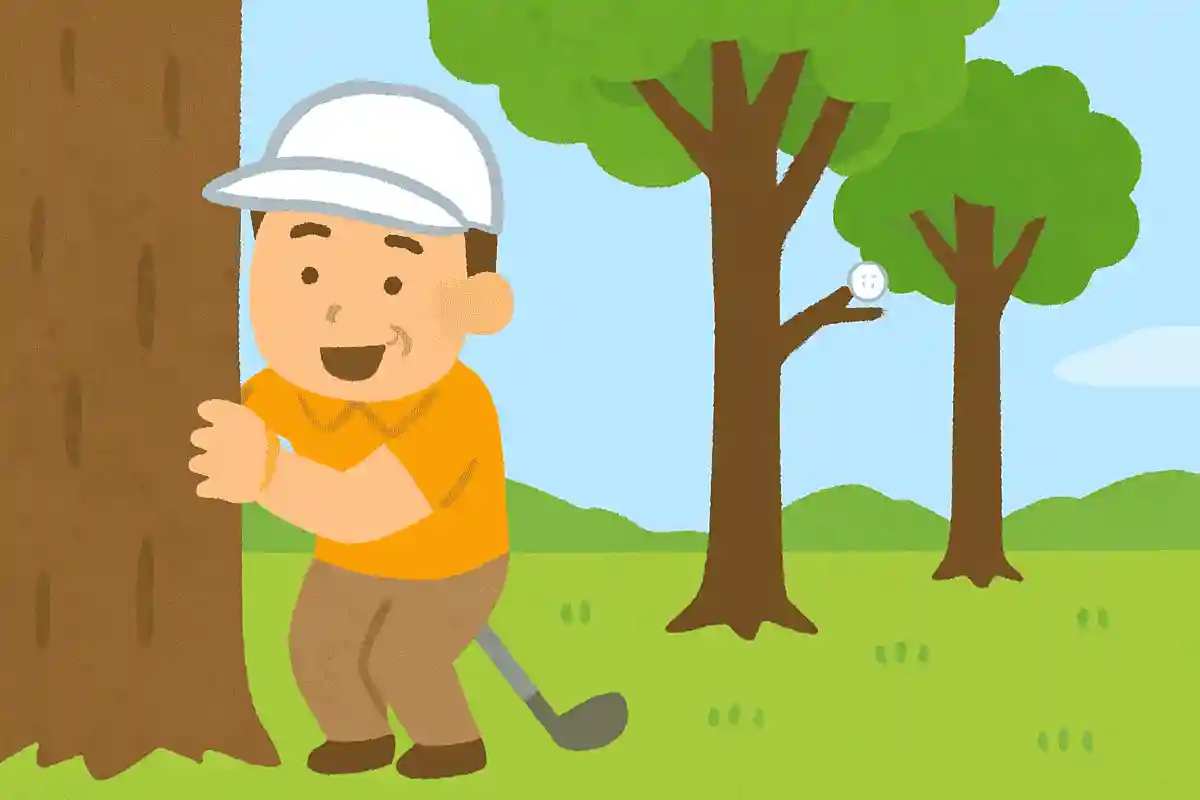
“The gap between the trees” refers to a narrow space where the ball might pass when aiming for the fairway or the green, or a spot that’s hard to pick out because it’s in the trees’ shadows.
As you read it, you can imagine that moment when you think, a bit overconfidently, “I can see it—even if no one else can!” In reality, shots rarely make it through such “gaps,” yet it captures the subtle psychology and humor of golfers who convince themselves that they alone can see the way.
After a lifetime of service, fishing, fishing, golf, fishing, golf
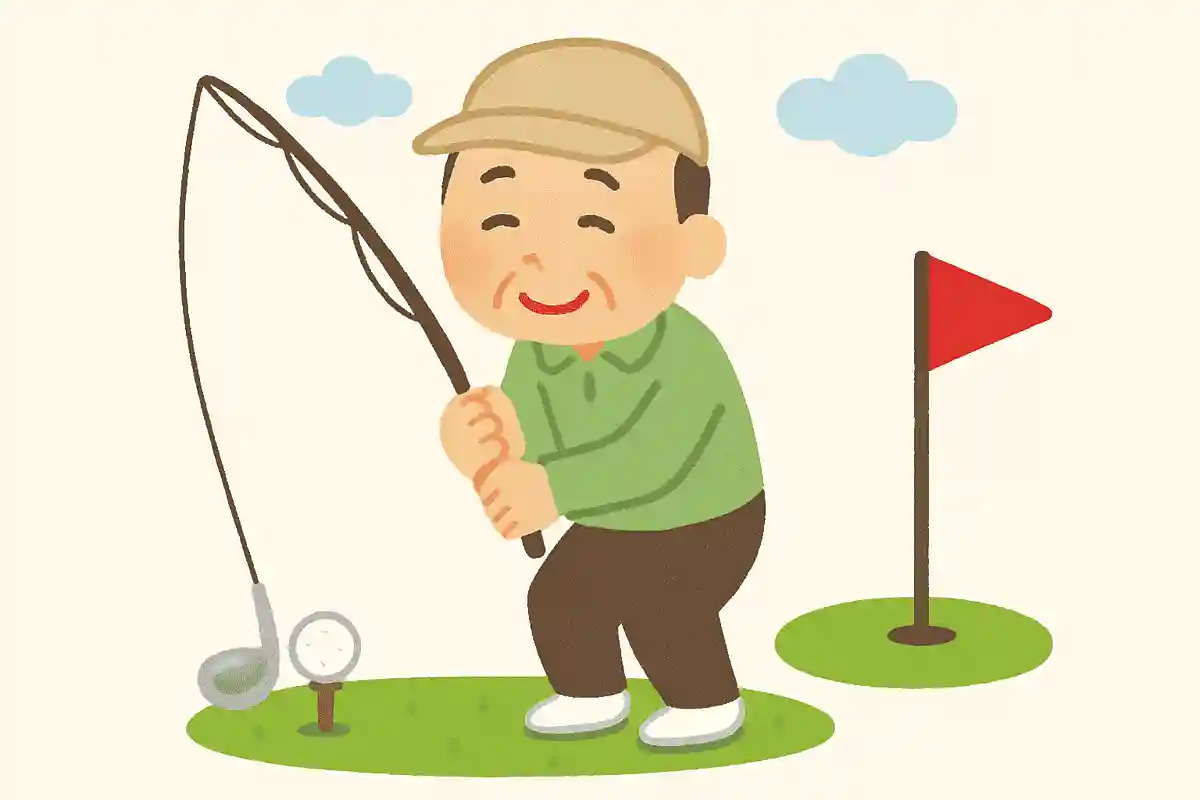
This verse lightly celebrates the pleasures of life after finishing work or retiring.
First, “tsutome-age” conveys the sense of having worked hard and carried one’s duties through to the end.
Then “tsuri tsuri golf” paints a picture of wholeheartedly enjoying beloved hobbies like fishing and golf.
The playful, rhythmic pairing of “fishing–golf” suggests the feeling that every day is like a carefree holiday spent in nature.
In this senryu, the days of indulging in favorite pastimes such as fishing and golf are humorously depicted as a well-earned reward after one’s hard work.
In the great cold, only my father rises to go golfing.
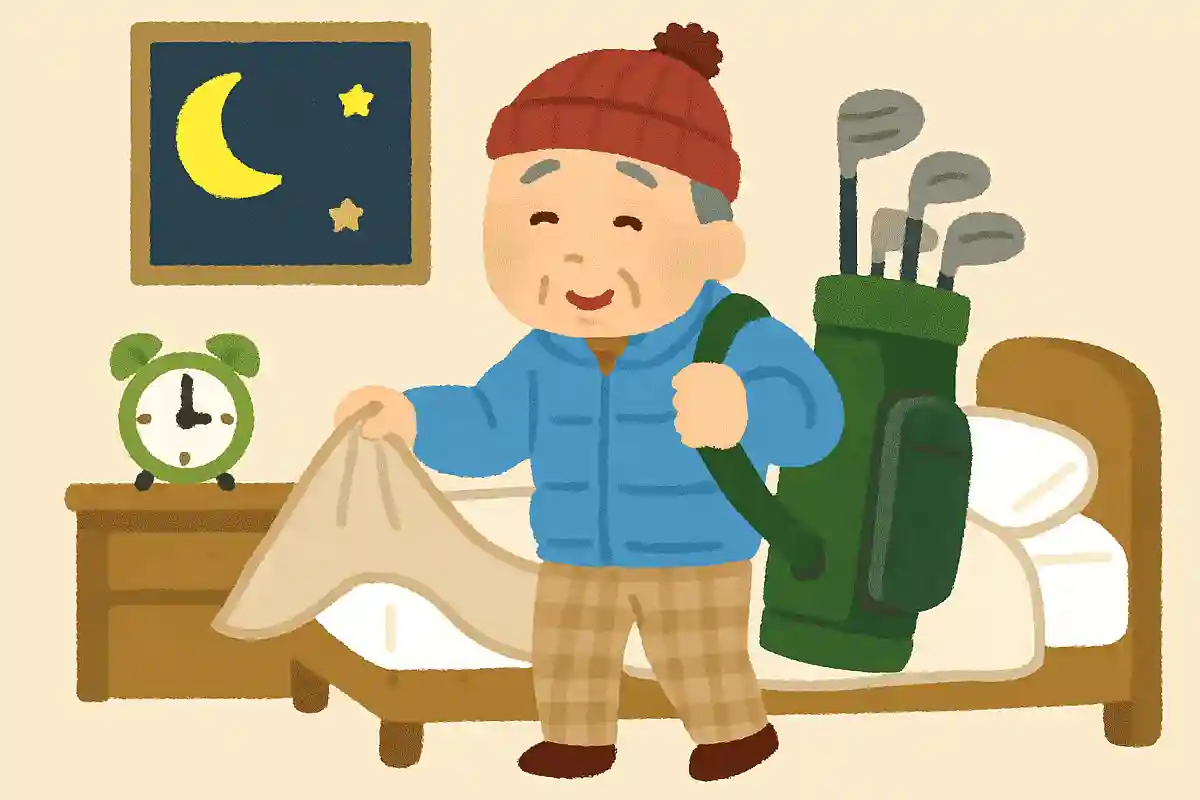
Daikan is the coldest time of the year, and it is frequently used as a winter season word in haiku and senryu.
In the line “a father alone gets up to go golfing,” it portrays a dad who, even in this severe cold, gets up early by himself to head out for a round.
Though it’s hard to crawl out from under the covers on a frigid morning, he still steps out energetically for the golf he loves.
That feeling comes through lightly and leaves the reader’s heart warmed.
This verse humorously captures passion for golf and a family’s everyday life, along with the sense of the winter season.