

[Intermediate Level] A curated selection of piano masterpieces featuring strikingly brilliant melodies!


When you think of brilliant, showy piano pieces, what comes to mind?
The piano can play melody and accompaniment simultaneously, not only connecting lines smoothly but also creating bold, percussive rhythms—it’s even said to be an instrument capable of recreating an orchestra all on its own.
Piano timbre has many facets—beauty, poignancy, fragility—but this time we’ve selected intermediate-level works that let you fully savor its bright, powerful, and dazzling side!
Even if you prefer gentle or wistful pieces, we hope this will be a chance to discover a new charm of the piano and inspire you to give these works a try.
- [For Intermediate Players] Challenge Yourself! Recommended Masterpieces That Shine at Piano Recitals
- [For Adults] Recommended for Piano Recitals! A Curated Selection of Impressively Sounding Masterpieces
- Piano Masterpieces: Surprisingly Easy Despite Sounding Difficult!? A Curated Selection Perfect for Recitals
- [Piano Recital] Perfect Pieces for Middle Schoolers! A Curated Selection of Impressive, Audience-Pleasing Works
- [Intermediate] Recommended Piano Duets | A Curated Selection of Cool and Dazzling Pieces
- [Intermediate Level] Cool Piano Pieces You Can Play [Great for Recitals Too]
- For Advanced Players: Showstopping Classics to Play at a Piano Recital
- [Latest] Piano Solo Intermediate | Picked Recommended & Popular Sheet Music
- Masterpieces of classical piano that are too beautiful for words. A gathering of delicate tones that cleanse the soul.
- [For Piano Recitals] Simple yet Cool Classical Pieces
- [Classical Music] All pieces under 3 minutes! A collection of short and cool piano pieces
- [For Advanced Players] A Curated Selection of Classical Masterpieces to Tackle at Piano Recitals
- [Low Difficulty] Recommended Tchaikovsky Piano Pieces [Intermediate]
[Intermediate Level] A curated selection of famous piano pieces with strikingly brilliant melodies! (11–20)
Polonaise No. 6 in A-flat major, Op. 53 “Heroic Polonaise”Frederic Chopin

Among Frederic Chopin’s piano works, the Polonaise No.
6 in A-flat major, Op.
53—affectionately known as the “Heroic Polonaise”—is especially popular.
Its chromatic ascending passages and powerful rhythms make a strong impression.
Most distinctive of all is the succession of octaves in the middle section! Because even professional pianists find this passage difficult to execute perfectly, it’s by no means easy.
A good approach is to first enjoy the character of the piece using an arrangement that omits the octave technique, and then, once your technique has developed, challenge yourself with the original version.

Songs Without Words, Book I, No. 3, Hunter’s Song, Op. 19Felix Mendelssohn

This piano piece is marked by a powerful, dynamic melody.
Skillfully depicting a hunting scene, it features a brilliant tone reminiscent of horn calls and a refined, delicate rhythm.
Included in the 1832 publication Songs Without Words, Book I, it continues to be cherished by many pianists today.
The excitement and exhilaration of the hunt portrayed in the music will captivate listeners in an instant.
Fully showcasing Felix Mendelssohn’s rich expressive power, this work is perfect for those who enjoy dazzling, energetic performances or wish to experience the piano’s wide expressive range.
SummerHisaishi Joe
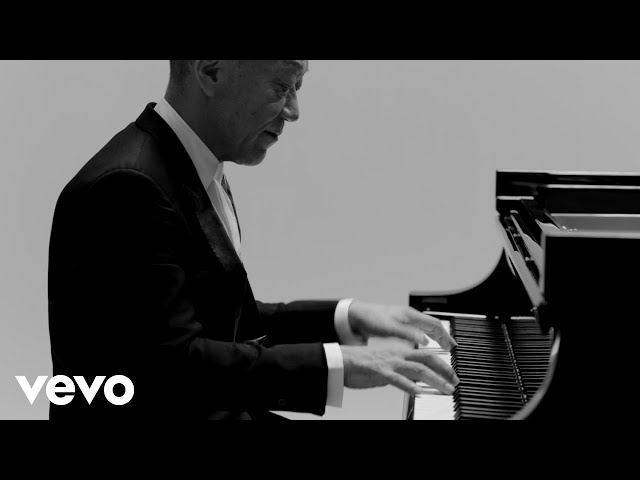
The piano piece composed for the film “Kikujiro” has become beloved as a classic that captures the refreshing brightness of summer and the warmth of unexpected encounters.
Carried by a clear, uplifting rhythm, it traces the journey and inner growth of an innocent boy, vividly portraying the drama of life through its tones.
After the film’s release, it was featured in many commercials; in Toyota Corolla’s ad, it aired alongside the tagline “The thrill of being able to change.” Simple yet profound, the melody has a resonant charm that touches listeners’ hearts.
Expressing summertime scenes through a boy’s eyes, the piece conveys nostalgia and a touch of wistfulness through its warm timbre and exquisite harmonies.
It’s recommended for those who wish to savor a gentle atmosphere and a refreshing afterglow.
Impromptu of the WindNakata Yoshinao

One track included in the album “Children’s Dreams” is striking for its refreshing melody that feels like a breeze passing through.
Its light, flowing, and free melodic line is pleasing to the ear, and the use of glissando adds a captivating touch that shines in recitals.
This 1-minute-20-second miniature blends graceful phrases with delicate touch, fully drawing out the piano’s expressive power.
Selected as a required piece for the Grade C category of the 2011 PTNA Piano Competition, it’s recommended for those who want to refine their technique while savoring the joy of music.
With natural fingerings that consider different hand sizes, it’s designed so anyone can enjoy playing it.
Waltz, No. 1 from the Suite “Masquerade”Aram Khachaturian

A celebrated piece by Aram Khachaturian, notable for its elegant waltz rhythm.
Composed in 1941 as incidental music, it was written for a play depicting the tragedy of a gambler protagonist who accidentally poisons his wife.
Its glamorous, captivating melody brilliantly evokes the atmosphere of a masquerade ball.
The folk elements woven throughout the work create Khachaturian’s distinctive sound world—another highlight to note.
Combining a bright, dazzling character with a structure that lends itself to expressive performance, it’s perfect for recitals.
It has also been used in figure skating programs and is a popular piece beloved by many.
Sonatina No. 7, First MovementMuzio Clementi

This is a brilliant piano work that shines with graceful, light-footed melodies.
Its lively, bright character is interwoven with virtuosic touches that evoke the famed 1781 performance duel in Vienna with Mozart.
The smooth right-hand melody and the left-hand accompaniment blend beautifully, creating a rich musicality that feels as if an entire orchestra is being expressed by a single piano.
Beginning at an Allegro tempo, it unfolds through an interplay of two contrasting themes, revealing a wide palette of musical colors.
Ideal for glamorous stage performances, this piece is recommended for those who want to make full use of the piano’s expressive power.
It is also a perfect choice for music lovers seeking comfort in an uplifting, heart-stirring tone.
[Intermediate Level] Carefully Selected Piano Masterpieces with Strikingly Brilliant Melodies! (21–30)
TAKUMI / ArtisanMatsutani Taku

A grand piano piece that colors the theme of the architectural documentary show “Extreme Makeover!! Dramatic Before & After” was born in April 2002.
Its striking, piano-centered melody resonates deeply with listeners, further elevating the program’s most moving scenes.
This work is an instrumental that truly embodies “master craftsmanship,” harmonizing a powerful rhythm with richly emotive melodies.
Featured on the album “Before After,” the track captivates audiences with the piano’s beautiful timbre, showcasing the instrument’s expressive potential to the fullest.
It’s highly recommended for those who want to savor the piano’s dazzling yet delicate expressiveness, and for anyone seeking a melody brimming with emotion that speaks to the heart.