

[Hit Songs of 1996] Spotlight on the iconic tracks and popular tunes that colored the Heisei era!

In 1996, as Japan was slowly recovering from the bursting of the bubble economy, the music scene saw diverse expansion and a wealth of million-selling hits.
The songs that were popular that year still shine with unfading brilliance along with the atmosphere of the time, moving listeners today.
In this article, we’ll showcase a wide range of classic Japanese hits from 1996.
Take this opportunity to revisit and savor these tracks that bring back memories of those nostalgic days.
- [1995 Hit Songs] Masterpieces of Japanese music that colored the Heisei 7 (1995) music scene
- Hit Japanese songs that represent 1997. Recommended masterpieces.
- A collection of iconic Heisei-era J-pop hits: Japanese songs that were massive hits in 1994
- Hit Japanese songs from 1993: recommended classics and popular tracks
- A coming-of-age song that was a hit in the ’90s. A classic and popular track in Japanese music.
- Ranking of Popular Songs by Japanese Male Singers from the 1990s [2026]
- 1990s J-Pop to listen to in summer: classic and hit summer songs
- [J-Rock] Timeless masterpieces that colored the 1990s. Nostalgic hit songs.
- [Heisei Retro] Hit Japanese songs that defined the 1990s. Recommended J-POP classics.
- Heisei-era masterpieces. Hit songs that represent the Heisei period.
- Songs that were hits in the Heisei era are so nostalgic. We've carefully selected timeless classics you'll find yourself humming.
- Cool songs of the Heisei era. Hit tracks that energized the times.
- [1998 Japanese Hit Songs] A roundup of timeless classics that still live on in people’s memories!
[1996 Hit Songs] Spotlight on the iconic tracks and popular tunes that colored the Heisei era! (11–20)
save your dreamKahara Tomomi

Tomomi Kahala, who helped define an era in the ’90s under the production of Tetsuya Komuro, is renowned for her clear, soaring high notes and earnest expressiveness.
Released in October 1996, this song became her first to top the Oricon Singles Chart—a true milestone.
It was also featured in a commercial for Lotte’s Sasa chocolate, and many people likely remember it alongside its stylish visuals.
The lyrics, which weave in English, convey a strong determination to protect one’s dreams.
It’s the perfect track for moments when you want to fire yourself up.
Give it a listen and relive the brilliance of those days.
DEPARTURESglobe
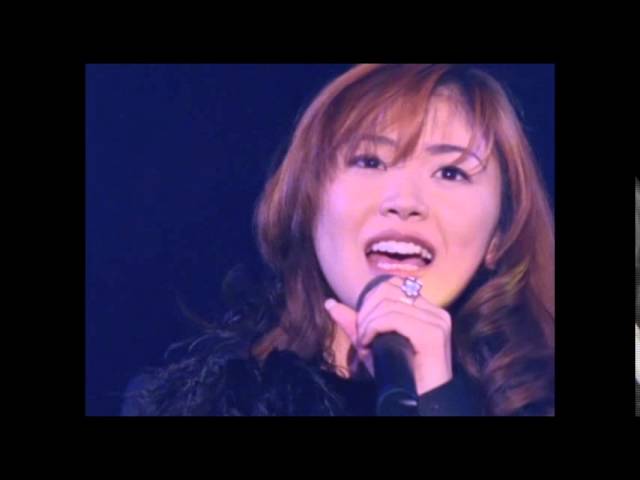
This is a mega-hit single by the music unit globe, led by Tetsuya Komuro, formed at the height of the Komuro boom.
It’s been covered by many musicians—surprisingly including Hyde and Demon Kakka.
Nearly 20 years later, it was even chosen as a Coca-Cola campaign song, making it a timeless classic loved across generations.
ALICEMy Little Lover

As a single by My Little Lover, it was a hit second only to “Hello, Again.” It was used in the ICEBOX commercial.
Compared to their earlier songs, the digital sound was more prominent, and some may remember that the slightly provocative lyrics became a talking point.
With the internet spreading at the time, its digital content rollout also drew attention.
Pure AsiaPUFFY

PUFFY’s debut single released in 1996 and their timeless signature song.
With lyrics by Yosui Inoue and music by Tamio Okuda, it’s also a masterpiece crafted by heavyweight musicians.
At the time, it was tied in with Kirin Beverage’s “Tennen Sodachi” commercial and became a smash hit, topping the Oricon charts for 12 consecutive weeks.
LA LA LA Love SongKubota Toshinobu
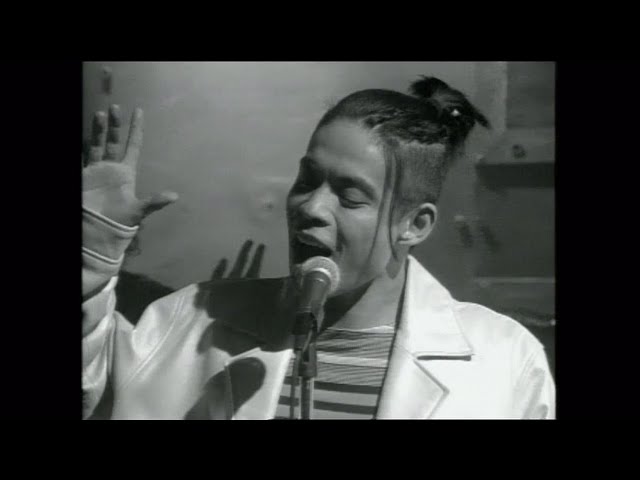
This is one of Toshinobu Kubota’s signature songs, which became a massive hit as the theme song for the legendary drama “Long Vacation” starring Takuya Kimura and Tomoko Yamaguchi.
Naomi Campbell, who was active as a supermodel at the time, is featured on the track.
The reason this collaboration happened, it’s said, is because they lived in the same apartment building!
I’m proudKahara Tomomi

Tomomi Kahara’s biggest hit.
Produced by Tetsuya Komuro, it followed “I BELIEVE” to become another million-seller.
Her soaring vocals and heartrending lyrics resonate deep in the heart.
It later drew attention again when she released a self-cover.
[Hit Songs of 1996] Spotlight on iconic tracks and popular songs that colored the Heisei era! (21–30)
Real Thing ShakesB’z
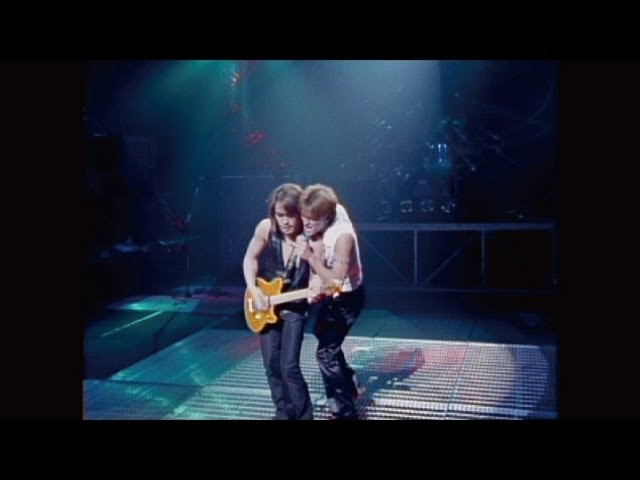
B’z, the rock unit that has built numerous milestones.
Released in May 1996, this work drew attention for its unprecedented format: a one-coin single with no B-side.
Chosen as the theme song for the drama “Watch Out for Us,” it became their 13th consecutive million-selling single, setting a new all-time record at the time.
Produced by Andy Johns, known for his work with Led Zeppelin, it’s a hard rock number performed entirely in English.
The sound woven by Takahiro Matsumoto’s heavy guitar riffs and Koshi Inaba’s soaring high-tone vocals is nothing short of breathtaking.