

[Hit Songs of 1996] Spotlight on the iconic tracks and popular tunes that colored the Heisei era!

In 1996, as Japan was slowly recovering from the bursting of the bubble economy, the music scene saw diverse expansion and a wealth of million-selling hits.
The songs that were popular that year still shine with unfading brilliance along with the atmosphere of the time, moving listeners today.
In this article, we’ll showcase a wide range of classic Japanese hits from 1996.
Take this opportunity to revisit and savor these tracks that bring back memories of those nostalgic days.
- [1995 Hit Songs] Masterpieces of Japanese music that colored the Heisei 7 (1995) music scene
- Hit Japanese songs that represent 1997. Recommended masterpieces.
- A collection of iconic Heisei-era J-pop hits: Japanese songs that were massive hits in 1994
- Hit Japanese songs from 1993: recommended classics and popular tracks
- A coming-of-age song that was a hit in the ’90s. A classic and popular track in Japanese music.
- Ranking of Popular Songs by Japanese Male Singers from the 1990s [2026]
- 1990s J-Pop to listen to in summer: classic and hit summer songs
- [J-Rock] Timeless masterpieces that colored the 1990s. Nostalgic hit songs.
- [Heisei Retro] Hit Japanese songs that defined the 1990s. Recommended J-POP classics.
- Heisei-era masterpieces. Hit songs that represent the Heisei period.
- Songs that were hits in the Heisei era are so nostalgic. We've carefully selected timeless classics you'll find yourself humming.
- Cool songs of the Heisei era. Hit tracks that energized the times.
- [1998 Japanese Hit Songs] A roundup of timeless classics that still live on in people’s memories!
[Hit Songs of 1996] Spotlight on Iconic Tracks and Popular Tunes that Colored the Heisei Era! (41–50)
Strange Chameleonthe pillows

Formed in 1989 and still active today, the pillows have maintained a loyal following even if they’ve never had massive hits.
This song could be considered one of their signature tracks.
Describing the inability to blend in as a “defective chameleon,” it’s a piece that seems to pursue one’s own individuality.
It also drew attention when Mr.Children covered it.
Banzai ~ So glad I loved you ~Urufuruzu

It was their 10th single and, following “Guts Da Ze!!,” became another hit, selling over 500,000 copies.
Later, it was used as the theme song for the drama “Victory Goddess.” Perhaps because the band’s leader and the song’s lyricist-composer, Tortoise Matsumoto, got married right after its release, the song is filled with expressions of love for a partner and radiates pure happiness throughout.
cherrysupittsu

Speaking of the ’90s, Spitz’s presence was undeniably significant; many of their songs were hits back then and are still sung today.
This song, of course, was also a massive hit, boasting the second-highest sales in Spitz’s history.
Often featured as a spring song or a love song, it has a very warm feel with a relaxed rhythm.
I should be able to fly (in the sky).supittsu
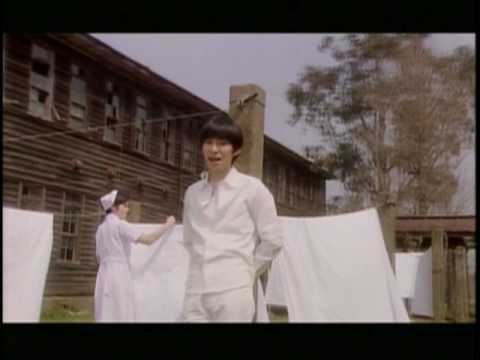
One of Spitz’s classic songs, released in 1994.
It wasn’t very popular at first, but as soon as it was chosen as the theme song for the drama “Hakusen Nagashi,” which began airing in January 1996, it was re-released as a quasi-new single, hit No.
1 on the Oricon charts, and climbed to million-seller status.
It’s a song with history—and perhaps reflecting the atmosphere of the ’90s, it carries a faint sense of melancholy.
If I can see you in my dreamsRATS&STAR

It’s a cover by Rats & Star, the group centered around singer Masayuki Suzuki.
The song originally debuted as a composition and lyrics by Eiichi Ohtaki, performed by Minako Yoshida.
It’s an immortal masterpiece that has been covered by many musicians.
The mature vibe of the male vocal group is very pleasant.
Easy★RiderOkuda Tamio
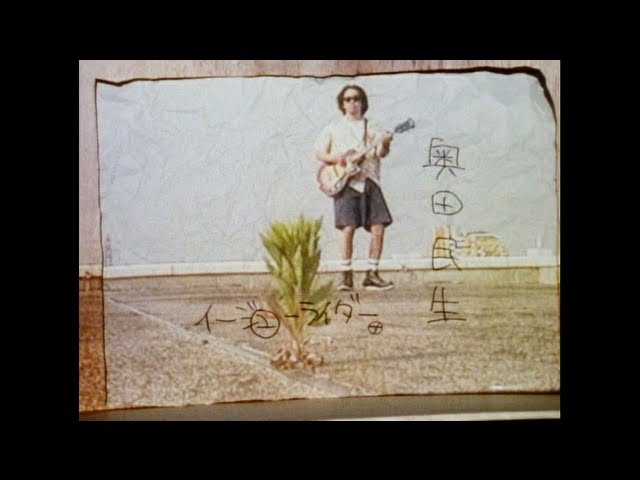
This is the sixth single released under the solo name of Tamio Okuda, the vocalist of Unicorn.
It has been featured in numerous commercials and covered by many artists, making it a long-loved song.
It’s a very calm track that evokes the image of an easygoing journey.
You’re my sunshineAmuro Namie

This is a signature song by Namie Amuro, produced by Tetsuya Komuro and released in 1996.
It’s a dance number that speeds up from the rap section.
It sold over 400,000 copies in its first week, marking her highest first-week sales for a dance single.
It’s also well known as the image song for the Bristol-Myers Squibb (now Shiseido) “Sea Breeze ’96” commercial in which she appeared.