

[Hit Songs of 1996] Spotlight on the iconic tracks and popular tunes that colored the Heisei era!

In 1996, as Japan was slowly recovering from the bursting of the bubble economy, the music scene saw diverse expansion and a wealth of million-selling hits.
The songs that were popular that year still shine with unfading brilliance along with the atmosphere of the time, moving listeners today.
In this article, we’ll showcase a wide range of classic Japanese hits from 1996.
Take this opportunity to revisit and savor these tracks that bring back memories of those nostalgic days.
- [1995 Hit Songs] Masterpieces of Japanese music that colored the Heisei 7 (1995) music scene
- Hit Japanese songs that represent 1997. Recommended masterpieces.
- A collection of iconic Heisei-era J-pop hits: Japanese songs that were massive hits in 1994
- Hit Japanese songs from 1993: recommended classics and popular tracks
- A coming-of-age song that was a hit in the ’90s. A classic and popular track in Japanese music.
- Ranking of Popular Songs by Japanese Male Singers from the 1990s [2026]
- 1990s J-Pop to listen to in summer: classic and hit summer songs
- [J-Rock] Timeless masterpieces that colored the 1990s. Nostalgic hit songs.
- [Heisei Retro] Hit Japanese songs that defined the 1990s. Recommended J-POP classics.
- Heisei-era masterpieces. Hit songs that represent the Heisei period.
- Songs that were hits in the Heisei era are so nostalgic. We've carefully selected timeless classics you'll find yourself humming.
- Cool songs of the Heisei era. Hit tracks that energized the times.
- [1998 Japanese Hit Songs] A roundup of timeless classics that still live on in people’s memories!
[Hit Songs of 1996] Spotlight on iconic tracks and popular songs that colored the Heisei era! (21–30)
BREAK OUT!Aikawa Nanase

A hard, fast-paced rock number produced by Tetsuro Oda.
The guitar riff that rings out from the intro makes a powerful impact, and the lyrics—filled with a strong will to break through the status quo and charge toward the future—hit home.
Released as a single in June 1996, it became widely familiar through its use in commercials for the aesthetic salon Slim Beauty House.
It was later included on the album “Red,” which went on to sell over two million copies.
With its rapid tempo and infectious groove, it’s perfect for blowing off stress or boosting your mood.
I can also highly recommend it for karaoke when you want to get everyone pumped up.
Invisible Power ~invisible one~B’z

It’s a mid-tempo, encouraging song by B’z that was tied in as the first ending theme for “Hell Teacher Nūbē.” The guitar is really cool and makes it a very pleasant listen, don’t you think? Please give it a try.
Nameless PoemMr.Children
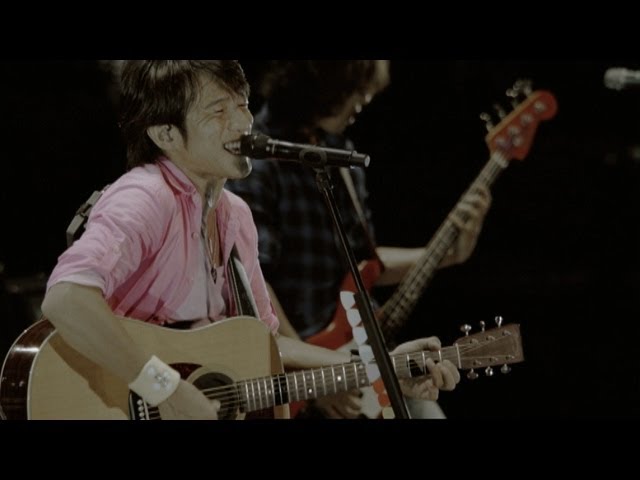
This is a hit song that sold 2.3 million copies—the second highest in Mr.
Children’s history—and was used as the theme song for the drama “Pure.” It was also the top song of 1996.
Unusually for a single, no promotional video was produced.
Even now, it remains a staple at their live shows.
Because I Want to See You ~Missing You~Matsuda Seiko
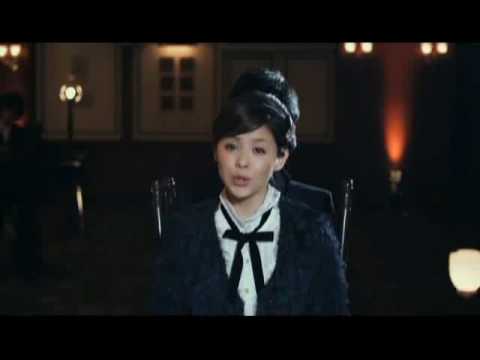
It’s Seiko-chan’s ‘Anata ni Aitakute.’ I’d say there’s hardly anyone who doesn’t know it—it’s that famous.
The men of the world were often smitten by Seiko-chan’s sweet, delicate voice.
Also, the fact that it uses the kanji for ‘au’ in ‘aitakute’ as in ‘to meet (with emotional nuance)’ rather than the more common ‘aitakute’ is a real heart-fluttering point.
I can’t stay a daydreaming girlAikawa Nanase

This was Nanase Aikawa’s debut single, selling nearly 400,000 copies and becoming her fourth-biggest hit.
It has been covered by artists such as Dream, Silent Siren, and Demon Kakka.
For some reason, it has also become a staple song for Brazil’s “Matsuri Dance,” making it a track loved across borders.
SHAKESMAP

This is one of the songs that was used as a theme song for Fuji TV’s “SMAP×SMAP.” It has a really upbeat vibe and is a lot of fun to listen to.
The SMAP members’ dancing is super sharp and really cool.
It’s a song that makes you want to start dancing.
The Talent for LoveKawamoto Makoto

This is singer-songwriter Makoto Kawamoto’s debut single.
Yasuyuki Okamura participated as a producer.
Even at the time, the rhythmically driven, acoustic-forward track was distinctive.
The song portrays the romantic struggles of a young woman.