

[Hit Songs of 1996] Spotlight on the iconic tracks and popular tunes that colored the Heisei era!

In 1996, as Japan was slowly recovering from the bursting of the bubble economy, the music scene saw diverse expansion and a wealth of million-selling hits.
The songs that were popular that year still shine with unfading brilliance along with the atmosphere of the time, moving listeners today.
In this article, we’ll showcase a wide range of classic Japanese hits from 1996.
Take this opportunity to revisit and savor these tracks that bring back memories of those nostalgic days.
- [1995 Hit Songs] Masterpieces of Japanese music that colored the Heisei 7 (1995) music scene
- Hit Japanese songs that represent 1997. Recommended masterpieces.
- A collection of iconic Heisei-era J-pop hits: Japanese songs that were massive hits in 1994
- Hit Japanese songs from 1993: recommended classics and popular tracks
- A coming-of-age song that was a hit in the ’90s. A classic and popular track in Japanese music.
- Ranking of Popular Songs by Japanese Male Singers from the 1990s [2026]
- 1990s J-Pop to listen to in summer: classic and hit summer songs
- [J-Rock] Timeless masterpieces that colored the 1990s. Nostalgic hit songs.
- [Heisei Retro] Hit Japanese songs that defined the 1990s. Recommended J-POP classics.
- Heisei-era masterpieces. Hit songs that represent the Heisei period.
- Songs that were hits in the Heisei era are so nostalgic. We've carefully selected timeless classics you'll find yourself humming.
- Cool songs of the Heisei era. Hit tracks that energized the times.
- [1998 Japanese Hit Songs] A roundup of timeless classics that still live on in people’s memories!
[Hit Songs of 1996] Spotlight on Iconic Tracks and Popular Tunes that Colored the Heisei Era! (41–50)
celeryYamazaki Masayoshi

It might give off the vibe of being either a song by Masayoshi Yamazaki or a SMAP song.
Tracing its history, it’s a track that enjoyed two waves of success: first released by Masayoshi Yamazaki in 1996, then covered by SMAP in 1997.
It’s a warm song about differences in likes and dislikes between lovers, and how they draw closer to bridge those gaps together.
[Hit Songs of 1996] Spotlight on iconic tracks and popular songs that defined the Heisei era! (51–60)
Chinese cuisineYamazaki Masayoshi

Your eyes are first drawn to the title, but since it’s merely a phrase from the lyrics without any deep meaning, this curious title might itself be part of his strategy.
It’s a warm song depicting a couple leaning into each other, where you can strongly feel something like his musical sensibility.
CIRCUSHotei Tomoyasu

This is guitarist Tomoyasu Hotei’s 13th single.
As the title suggests, it’s a circus-themed song that seems to express a somewhat eerie atmosphere lurking beneath the glamour and showiness.
The lyrics juxtapose the scene of a circus, where performances shine in an instant, with the singer’s own way of life.
DEAR…againHirose Kōmi

This is the 8th single by Kōmi Hirose, also known as the Queen of Winter.
This song, too, was featured in a commercial for Alpen, which is well-known in connection with her music.
The lyrics are distinctive for feeling like you’re reading a letter to someone special.
It’s a very straightforward winter love song.
SQUALLHimuro Kyosuke

This is a solo single by Kyosuke Himuro, the vocalist of BOOWY.
While retaining the vibe of the BOOWY era, it showcases different facets through arrangements that couldn’t be fully expressed by the band.
Its danceable, upbeat sound is sure to get you pumped.
Like a white cloudsaruganseki
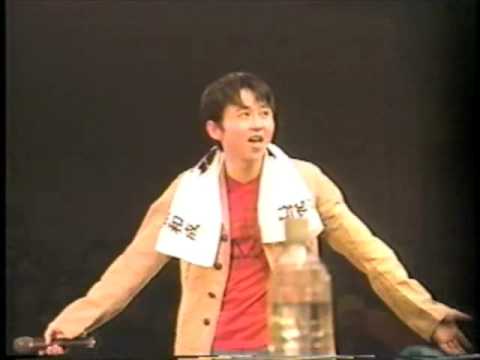
This single was released when Hiroiki Ariyoshi—now well known as a TV host—was still part of a comedy duo, sparked by a project on the TV program “Susume! Denpa Shōnen.” It’s a very refreshing, travel-themed track that recalls the show’s original concept.
STYLISH WOMANkome kome CLUB

This was the single released just before Kome Kome Club disbanded for the first time.
After releasing the song in March 1996, they did not perform any live shows for the rest of the year and announced their breakup in November of the same year.
Despite the fate that awaited them, the song itself is bright and gives no hint of what was to come.