

[Folk and Children's Songs of Hokkaido] Songs of Hokkaido that continue to be loved across generations

The folk songs and children’s songs that resound across Hokkaido’s land carry the lives, joys, and prayers of people who have long faced its harsh nature.
Traditional music such as Esashi Oiwake and Soran Bushi has been passed down across generations and remains deeply rooted in many hearts today.
In this article, we introduce beloved classics—folk songs, children’s songs, and nursery rhymes—that have been handed down in Hokkaido and are still cherished today.
Why not lend an ear to these nostalgic melodies and feel the allure of music nurtured by the northern land?
- [2026] Masterpieces that sing of Hokkaido: the heart of a beloved homeland passed down in song
- December children's songs, folk songs, and nursery rhymes: fun winter hand-play songs
- Ranking of Popular Folk Songs
- Collection of winter nursery rhymes, folk songs, and children's songs. Includes fun winter hand-play songs too.
- Folk songs, children’s songs, and nursery rhymes of Kumamoto: the enduring spirit of our hometown passed down through song.
- Beautiful Folk Songs Passed Down in Miyagi Prefecture: A Collection of Masterpieces that Play the Heart of the Hometown
- Folk Songs, Children's Songs, and Nursery Rhymes of Aomori: Japanese Songs from Tsugaru and Hachinohe that Resonate with the Heart
- Japanese counting songs: nostalgic temari (handball) songs and children’s folk songs
- Okinawan folk songs, children’s songs, and nursery rhymes: the heart of our hometown passed down through song.
- Tokushima’s Folk Songs, Children’s Songs, and Nursery Rhymes | Traditional Songs Rooted in the Region, Including Awa Odori
- Folk songs, children's songs, and nursery rhymes of Iwate: the heart of the hometown passed down through song
- Japanese Shoka, Children's Songs, and Nursery Rhymes | Timeless masterpieces that resonate in the heart, passed down across generations
- [Folk Songs of Yamagata] The Heart of Our Hometown Passed Down in Song: Feelings Woven into Nostalgic Melodies
Folk and Children's Songs of Hokkaido: Beloved Hokkaido Songs Across the Ages (21–30)
Iyasaka OndoBikutā Shōnen Min’yō Kai

This is a work song that was sung when knocking off the roe after the herring fishing season ended.
Aomori’s “Ajigasawa Jinku” was brought in by fishermen and spread as far as Hokkaido, where it became known as the “Iyasaka Ondo.” Because of the practice of striking off the eggs, it is also called the “Ko-tataki Ondo” (egg-knocking song).
wave-initial sound
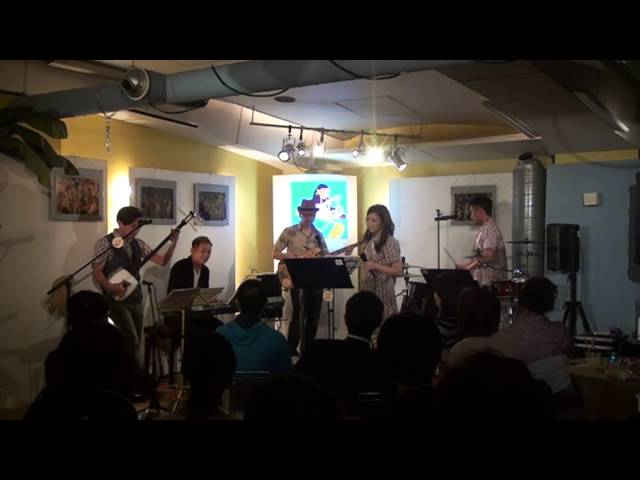
It is said to be a song sung to make the rowers align their oar tips when setting out to the herring grounds.
Ezo’n is a three-member Japanese pop band that values traditional performing arts and powerfully delivers folk songs that everyone can enjoy by combining Japanese instruments with piano and guitar.
[Hokkaido Folk Songs and Children's Songs] Hokkaido Songs Loved Across Generations (31–40)
Teshikaga OndoTakada Tomoe

It was created in 1953 as the New Teshikaga Kobushi song.
The idea began when Teshikaga Town set out to develop a hot spring district as a tourism initiative, and later it was reborn as the Teshikaga Ondo.
Since then, it has been passed down and danced by the townspeople.
The lyrics lively celebrate Lake Mashu and the hot springs.
Southern Hokkaido Bon Festival Song

This is a bon-odori song from southern Hokkaido.
It is said to have been passed down from Akita’s “Takanosu Bon Song.” True to a Bon song, it sings somewhat humorously about how to dance well and how to lead the chant.
It also tells people not to chat, but to work while singing.
Hokkai Bon UtaMitsubishi Michiya

It’s a Bon Odori song from Otaru.
Because it had become so familiar as the theme song of The Drifters’ “It’s 8 o’clock! Everyone Gather Round,” it felt more like a popular TV tune than a folk song.
However, since Mr.
Mihashi’s version was apparently a million-seller, you could say The Drifters’ hit was built on that foundation.
Hakodate Port Song ~ Ain’t It Nice?Sasaki Motoharu

It seems like a lively festival that the entire citizenry of Hakodate took part in.
The lyrics aren’t just about tourist spots—they’re filled with the genuine warmth of the people of Hakodate.
Rather than a city anthem, it feels like a song of the citizens, expressed in the simple phrase “iin de naikai” (Isn’t that nice?).
Hokkai Yosare-bushiHokkaidō min’yō

It is said to be one of Hokkaido’s two major Bon festival songs, alongside the Hokkai Bon Uta.
The Yosare-bushi is believed to have come to Hokkaido around the mid-Meiji period after traveling from Echigo through the Tohoku region.
It then grew in popularity and became a representative Bon dance song.
Singing and dancing—this is the true essence of the Bon Odori.