

[Folk and Children's Songs of Hokkaido] Songs of Hokkaido that continue to be loved across generations

The folk songs and children’s songs that resound across Hokkaido’s land carry the lives, joys, and prayers of people who have long faced its harsh nature.
Traditional music such as Esashi Oiwake and Soran Bushi has been passed down across generations and remains deeply rooted in many hearts today.
In this article, we introduce beloved classics—folk songs, children’s songs, and nursery rhymes—that have been handed down in Hokkaido and are still cherished today.
Why not lend an ear to these nostalgic melodies and feel the allure of music nurtured by the northern land?
- [2026] Masterpieces that sing of Hokkaido: the heart of a beloved homeland passed down in song
- December children's songs, folk songs, and nursery rhymes: fun winter hand-play songs
- Ranking of Popular Folk Songs
- Collection of winter nursery rhymes, folk songs, and children's songs. Includes fun winter hand-play songs too.
- Folk songs, children’s songs, and nursery rhymes of Kumamoto: the enduring spirit of our hometown passed down through song.
- Beautiful Folk Songs Passed Down in Miyagi Prefecture: A Collection of Masterpieces that Play the Heart of the Hometown
- Folk Songs, Children's Songs, and Nursery Rhymes of Aomori: Japanese Songs from Tsugaru and Hachinohe that Resonate with the Heart
- Japanese counting songs: nostalgic temari (handball) songs and children’s folk songs
- Okinawan folk songs, children’s songs, and nursery rhymes: the heart of our hometown passed down through song.
- Tokushima’s Folk Songs, Children’s Songs, and Nursery Rhymes | Traditional Songs Rooted in the Region, Including Awa Odori
- Folk songs, children's songs, and nursery rhymes of Iwate: the heart of the hometown passed down through song
- Japanese Shoka, Children's Songs, and Nursery Rhymes | Timeless masterpieces that resonate in the heart, passed down across generations
- [Folk Songs of Yamagata] The Heart of Our Hometown Passed Down in Song: Feelings Woven into Nostalgic Melodies
[Hokkaido Folk Songs and Children's Songs] Hokkaido Songs Loved Across the Ages (41–50)
Nemuro Women’s Worker’s SongTakae Kumiko
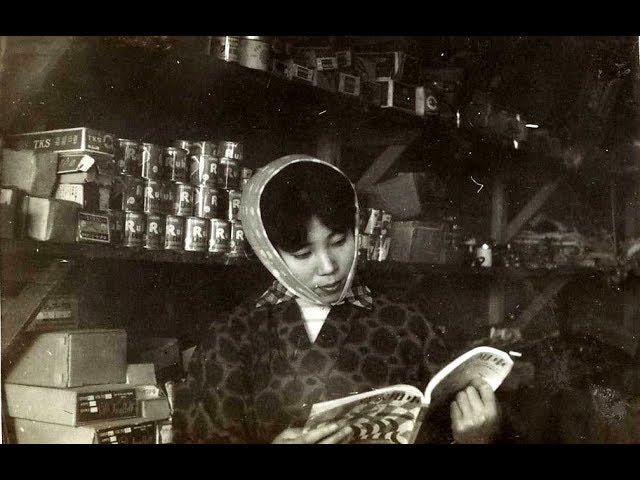
It was passed down in song among the female workers at the canning factories in Nemuro and the Kuril Islands.
Women who had come as seasonal laborers were made to work from early morning until late at night, with no end to the tasks in sight.
You can keenly feel the hardship of working in what we would now call a black company.
As the number of singers gradually declined, a monument bearing the song was erected to preserve their sentiments.
Autumn Salmon Bounty SongRyūsei

As the song says, autumn salmon is pronounced “aki-aji” (meaning “autumn flavor”).
It’s called that because it’s in season in autumn.
It seems folk song competitions are held in various places across Hokkaido.
Ryusei-kun’s singing, on par with that of adults, is truly impressive.
Tokachi Horse SongOtsuka Hikonobu

This is a new folk song from Hokkaido, created in 1965 (Showa 40).
It is said to have been composed with the hope of becoming a cultural asset that would endure for a hundred years.
Its relaxed melody evokes the vast Tokachi Plain.
You can picture horses frolicking and playing in nature.
Net Hoisting ChantAichi Gakuin Daigaku Guri Kurabu

This is a work song sung to synchronize the fishermen’s hand-over-hand pulling as they line up to haul in the nets.
The original song is the “Okihiki Kiyari,” chanted by parishioners when they pull the timber for the Shikinen Sengu of Ise Grand Shrine, and it is said to have gradually spread throughout the country.
The chorus’s dignified resonance feels sacred.
Departure SongMuraki Kenkichi

It’s said to have been created in 1959 with Hakodate Port as its theme.
It’s sung in a way that pleasantly captures the spirited vigor of a young fisherman setting out to sea.
Up-tempo and more of a buoyant, self-rousing song than a folk tune, it carries a touch of nostalgic old-time rhythm.
Pirika PirikaIwasaki Suzuyo, Jidō Gasshōdan
This is a traditional children’s song that has been sung in Ainu regions since long ago.
In Ainu, pirka is said to mean “beautiful” or “good.” The song expresses happiness by saying, “Today is a good day.” It’s a slow, cute tune that quickly sticks in your head and leaves you with a warm, cozy feeling.
In conclusion
The many pieces of music, folk traditions, and children’s songs passed down in Hokkaido have been nurtured amid its rich nature and the lives of its people. The charm of Hokkaido’s simple, heartwarming songs continues to resonate in our hearts across generations. We hope they will continue to be sung and preserved as a cherished cultural heritage.