

Folk songs, children's songs, and nursery rhymes of Iwate: the heart of the hometown passed down through song
It’s a region with many folk songs.
In other words, it proves that the local, deeply rooted culture has been closely connected with music.
Most of the songs are about seasonal events, and I felt they express a distinctly Japanese sense of aesthetics.
These days, I imagine there’s demand among foreigners who love Japan.
Be sure to check it out.
Playlist
| Folk songs, children's songs, and nursery rhymes of Iwate: the heart of the hometown passed down through song | |||
|---|---|---|---|
| show_chart | Title | Playlist | Review |
| 1 | Happy HinamatsuriKuwana Sadako | 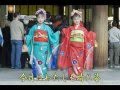 play_arrow play_arrow | A popular children's song with lyrics by Hachiro Sato. |
| 2 | Kurukuru-bushikayōkai/hanamizuki |  play_arrow play_arrow | Traditional song of hand-made washi papermaking in Ichinoseki City |
| 3 | Nambu Cattle-Driving SongFukuda Kouhei |  play_arrow play_arrow | The Nanbu Cattle-Driving Song that cowherds sang while transporting rice |
| 4 | Little Cedar of the Mountainhibari jidō gasshōdan |  play_arrow play_arrow | Hachiro Sato revises wartime lyrics |
| 5 | Sansa Odori SongIwate Kenritsu Korikata Kōtō Gakkō Ongakubu |  play_arrow play_arrow | History and Dates of the Morioka Sansa Odori Festival |
| 6 | Kamaishi Hama-utaUrushibara Emiko |  play_arrow play_arrow | The history and development of the Kamaishi seashore folk song. |
| 7 | Nambu Long-Life SongNakayashiki Akira |  play_arrow play_arrow | A folk song that was sung while carrying a nagamochi during the bridal procession at weddings. |
| 8 | Sawanai JinkuNakamura Miyuki | 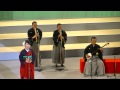 play_arrow play_arrow | A folk song born from the tragic history of offering a village headman’s daughter to the domain during a famine. |
| 9 | Adorable foalFutaba Akiko, Takahashi Yuko |  play_arrow play_arrow | A children's song written by Hachiro Sato whose lyrics were altered during wartime |
| 10 | Karamébushi (dried, smoked fish shavings; a type of katsuobushi variant)Tomono Hiromi |  play_arrow play_arrow | Gold rush from gold mine development, turning refining work into dance |
| 11 | Michi no UmafushiUta / Gotō Ginchiku, Shakuhachi / Takahashi Chikuzan |  play_arrow play_arrow | A song to keep you awake while leading a horse |
| 12 | Shizukuishi Dodosai BushiAmagasa Hiroko |  play_arrow play_arrow | The songs of the people who moved from Akita during the construction of Morioka Castle changed. |
| 13 | Nanbu Cattle Drover’s SongIwate ken min’yō |  play_arrow play_arrow | The Tradition and Allure of the Ox-Driver’s Song, a Folk Tune of Iwate Prefecture |
| 14 | NanyadoyaraNarita Untiku |  play_arrow play_arrow | Nonsensical lyrics of a Bon Odori song from the Tohoku region |
| 15 | Nanbu Makata-bushiTamayama Tsuyako |  play_arrow play_arrow | A folk song sung by farmers after mowing |
| 16 | Sansa ShigureKusano Tsuneo |  play_arrow play_arrow | Classic folk songs for weddings |
| 17 | Setsu ToyamaKikuchi Hiromi | 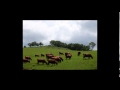 play_arrow play_arrow | Toyama-bushi sung at the Imperial Stock Farm in Morioka |
| 18 | Chagu Chagu UmakkoFujioka Riko |  play_arrow play_arrow | The folk event of Chagu Chagu Umakko |
| 19 | Morioka OndoFujimoto Nisankichi |  play_arrow play_arrow | A new folk song from 1934 (Showa 9) that encouraged a wide range of people during the recession. |
| 20 | Soken-bushiTakahashi Aki |  play_arrow play_arrow | A folk song originating from Yumoto Onsen in the Edo period |
| 21 | Dear TorajoSeino Akiko |  play_arrow play_arrow | Nanyadoyara is the original Bon Odori song |
| 22 | I found a little sign of autumn.BONNY JACKS |  play_arrow play_arrow | The Japanese wax tree was the inspiration for writing the lyrics to “Chiisai Aki Mitsuketa” (I Found a Little Autumn). |
| 23 | Child of Autumnnageno ayaka |  play_arrow play_arrow | A children's song about autumn by Hachiro Sato |
| 24 | Nanbu Kijibiki-uta (Nanbu Woodcutters’ Song)iwahana kenzō |  play_arrow play_arrow | Kobiki-uta, the lumberjack song that sawyers in Iwate Prefecture have passed down through generations. |
| 25 | Nambu Yosare-bushiKaori Jō |  play_arrow play_arrow | The wife who protected the castle’s waterway from the spies of the Nanbu clan |
| 26 | Bush Clover Harvesting SongIzumida Reiko |  play_arrow play_arrow | A folk song sung when cutting bush clover leaves |
| 27 | Esashi JinkuShurenkai |  play_arrow play_arrow | History and Festival of the Esashi Jinku |
| 28 | Sondeko-bushisoubiyamei |  | The Siode-picking song spread to various regions. |
| 29 | Kesen Slopetomoyan |  play_arrow play_arrow | The folk song sung in Zenza is Kesenzaka. |
| 30 | campfireAsahi Utako |  play_arrow play_arrow | Responses from the lyricist of the nursery rhyme and actions taken when it was included in textbooks |
| 31 | Shichinosuke-bushiHama Sachiyo |  play_arrow play_arrow | Folk music of earth-ramming songs originating in Morioka |