


It’s a region with many folk songs.
In other words, it proves that the local, deeply rooted culture has been closely connected with music.
Most of the songs are about seasonal events, and I felt they express a distinctly Japanese sense of aesthetics.
These days, I imagine there’s demand among foreigners who love Japan.
Be sure to check it out.
- Songs of Iwate: The Heart of Our Hometown Passed Down in Song | A Collection of Classics to Enjoy While Thinking of Iwate
- [Folk Songs and Children's Songs of Akita] A curated selection of local masterpieces that evoke love for one’s hometown
- [Folk Songs of Yamagata] The Heart of Our Hometown Passed Down in Song: Feelings Woven into Nostalgic Melodies
- Beautiful Folk Songs Passed Down in Miyagi Prefecture: A Collection of Masterpieces that Play the Heart of the Hometown
- [Folk and Children's Songs of Hokkaido] Songs of Hokkaido that continue to be loved across generations
- [Songs of Aomori] A collection of local songs depicting the grandeur of nature and the warmth of its people.
- Japanese counting songs: nostalgic temari (handball) songs and children’s folk songs
- Folksongs, children's songs, and nursery rhymes of Fukushima: the heart of our hometown passed down in song
- Folk Songs, Children's Songs, and Nursery Rhymes of Aomori: Japanese Songs from Tsugaru and Hachinohe that Resonate with the Heart
- Nostalgic Children’s Songs, Folk Songs, and Nursery Rhymes: The Heart of Japan Passed Down Through Song
- [Japanese Folk and Regional Songs] A Collection of Beloved Masterpieces from Across Japan, Brimming with Local Pride
- Folk songs, children's songs, and nursery rhymes of Hiroshima: the enduring heart of our hometown, passed down through song.
- Niigata’s folk songs, children’s songs, and nursery rhymes: the heart of our hometown passed down in song
Folk songs, children’s songs, and nursery rhymes of Iwate: The enduring heart of our hometown (1–10)
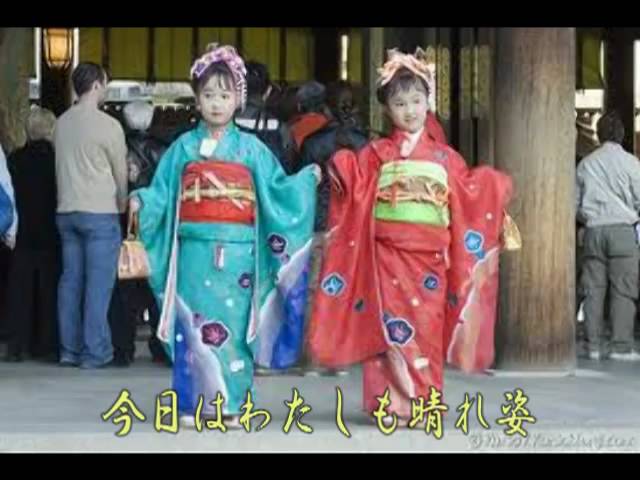
Happy HinamatsuriKuwana Sadako
It’s a children’s song with lyrics by Hachirō Satō, so popular that it was selected as one of the Top 100 Japanese Songs.
Many people may remember singing it when they were children.
In fact, there are some inaccuracies in its depiction of hina dolls, and it seems that Hachirō Satō remained concerned about this well into his later years.
Kurukuru-bushikayōkai/hanamizuki
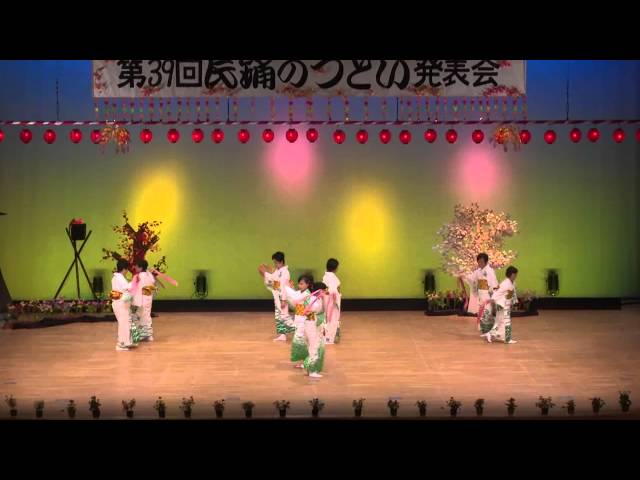
In the rural areas of present-day Ichinoseki, handmade washi paper has been produced since long ago.
This song was sung while stirring the dissolved kōzo (paper mulberry).
There is also a theory that it originally came from performers who visited during the New Year, and that farmers learned and began to sing it themselves.
Nambu Cattle-Driving SongFukuda Kouhei

This song was sung by ox drivers when transporting rice grown in areas such as the Sawauchi region of Nishiwaga Town to the castle town where the rice storehouses were located.
Incidentally, the National Nambu Cattle-Driving Song Competition is held in the large hall of the town civic center in Iwaizumi Town on the last Saturday and Sunday of every September.
Little Cedar of the Mountainhibari jidō gasshōdan

“Oyama no Suginoko” is also known as one of Hachiro Sato’s representative songs, but the original lyrics were written by a different lyricist.
It was originally a song meant to encourage children whose fathers had died in the war, but because it was considered too war-themed, Hachiro Sato revised it into the current lyrics.
Sansa Odori SongIwate Kenritsu Korikata Kōtō Gakkō Ongakubu
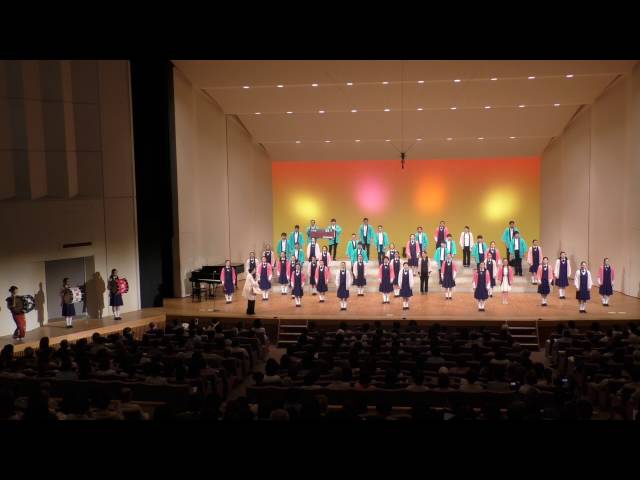
It’s a rousing song sung during the Bon dance called “Sansa Odori.” Sansa Odori was originally performed separately in each local area, but in 1978 these were consolidated—also to promote tourism—into “Morioka Sansa Odori.” It is held every year from August 1 to 4.
Kamaishi Hama-utaUrushibara Emiko

Kamaishi, where fishing has long flourished, also had the Sawamura red-light district.
The song that was sung there is this Kamaishi Hama-uta, and its lyrics were composed around the beginning of the Taisho era.
After entering the Showa era, it was recorded and became well-known outside the prefecture.
Nambu Long-Life SongNakayashiki Akira
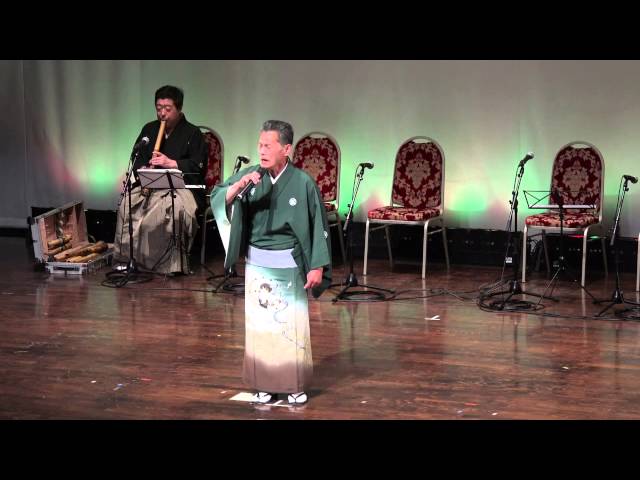
Nagaochi-uta is a song sung at weddings, and its name originally comes from the practice of carrying a nagamochi (a long storage chest) and singing during the bridal procession.
This song has been passed down in places such as Shizukuishi Town and Nishiwaga Town.
There seem to have been various customs, such as singing different lyrics at the groom’s house and the bride’s house.