

Fun facts you’ll want to share! January trivia and tidbits special

There are surprisingly many things about New Year’s customs and January-only traditions that we think we know but actually don’t.
From the wishes embedded in osechi cuisine and the true identity of the fruit placed atop kagami mochi, to things you shouldn’t do during the New Year period, January is full of trivia and fun facts that can liven up conversation.
In this article, we’ll introduce plenty of general-interest trivia and tidbits related to January.
Why not bring them up as topics during family gatherings with relatives over the New Year?
- [For Kids] January Trivia Quiz & Fun Facts: Learn About the New Year in a Fun Way
- Useful right away in daily life! Surprising trivia and handy tips
- Let's get excited with a New Year quiz! General questions about the Japanese New Year
- Trivia quiz about schools: a roundup of fun facts you’ll want to brag about
- Trivia and fun facts about food (summary)
- [For Kids] Today’s Quiz Roundup: Let’s play quizzes about today! [March 2026]
- [For Elementary School Kids] A New Year’s Quiz Everyone Can Enjoy! Learn surprising fun facts with multiple-choice questions
- New Year party games that get everyone excited: a fun collection of ideas from classics to DIY
- New Year’s Games: Traditional Play and Fun Activities That Excite Everyone from Kids to Adults
- [Perfect for New Year Parties] Recommended Psychology Test for January
- Didn't want to know?! Fascinating and scary trivia & fun facts
- So interesting you’ll want to tell someone! December Trivia & Fun Facts Special
- How many can you solve? Test your spring knowledge with a trivia quiz about March!
Fun facts you’ll want to share! January trivia & tidbits (21–30)
When New Year’s lottery postcards first went on sale, the grand prize was a sewing machine.
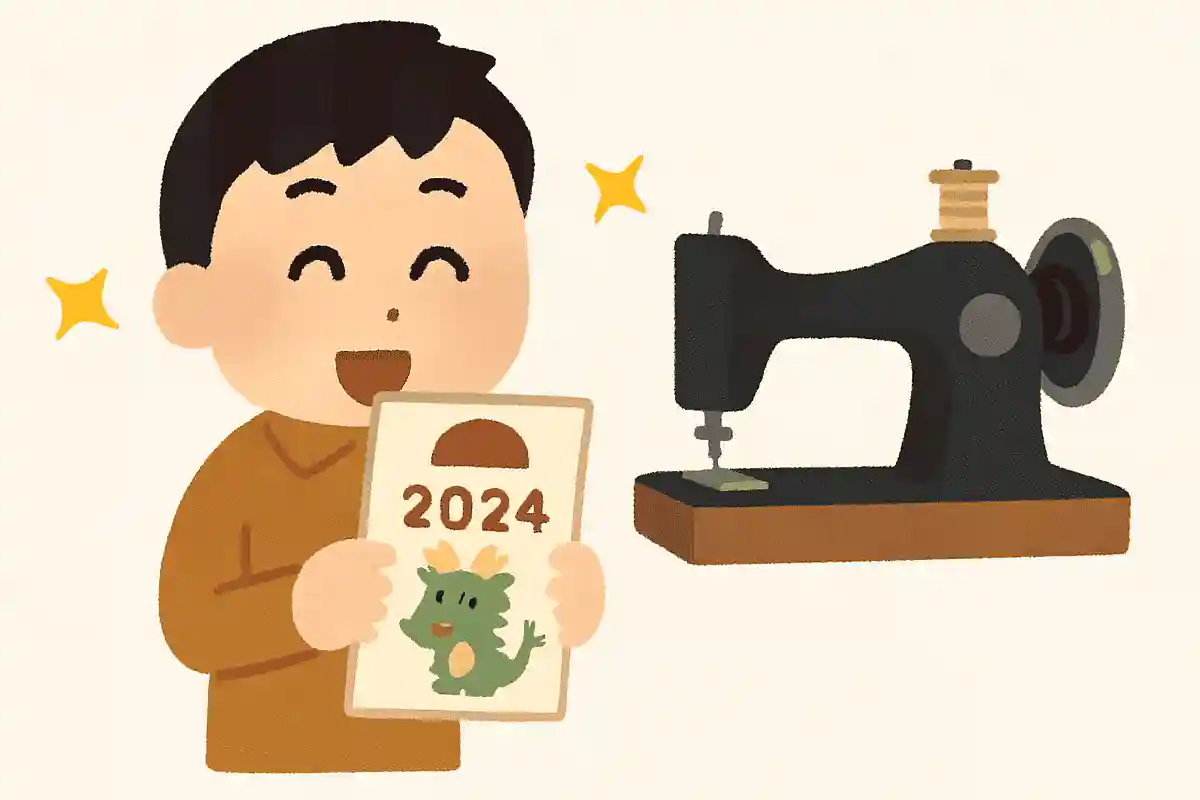
New Year’s greeting cards are steadily losing their place to emails and messaging apps.
Digital New Year’s cards are appreciated, of course, but there’s a special kind of joy in receiving a handwritten card on New Year’s Day.
The idea of adding a lottery to New Year’s cards began when the Ministry of Posts and Telecommunications and the Ministry of Finance brainstormed ways to revive interest in them after the war.
It’s nostalgic to remember how we’d cherish the cards even after the holiday, waiting for the drawing day with a little flutter of excitement.
The top prize back then was a sewing machine.
Nowadays, you can even choose cash or electronic money.
On the day when people eat seven-herb porridge (nanakusa-gayu), there is also a custom called “nanakusa-tsume” (seven-herb nail trimming).
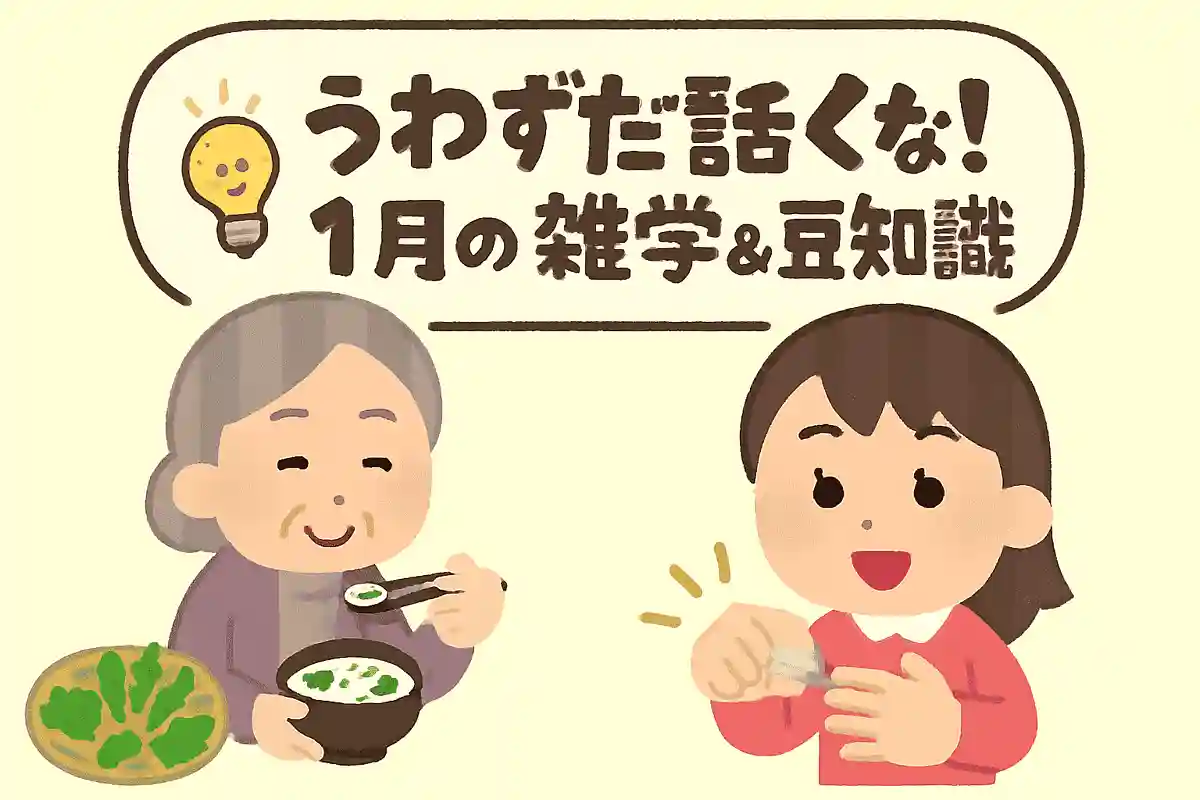
Speaking of Nanakusa-gayu, it’s a Japanese custom of eating rice porridge made with the seven spring herbs on January 7.
Nanakusa-gayu is meant to wish for good health and to give your stomach and intestines a rest after the New Year festivities.
Did you know there is another custom on January 7 called “Nanakusa-tsume”? In this custom, you soak your fingertips in the leftover broth of the Nanakusa-gayu to soften your nails, then cut your nails for the first time in the new year.
It is said that performing Nanakusa-tsume wards off evil and prevents illness.
Although not widely known today, why not do your first nail trimming of the year on January 7 and pray for a year of good health?

The first work of the New Year is called “Goyōhajime.”
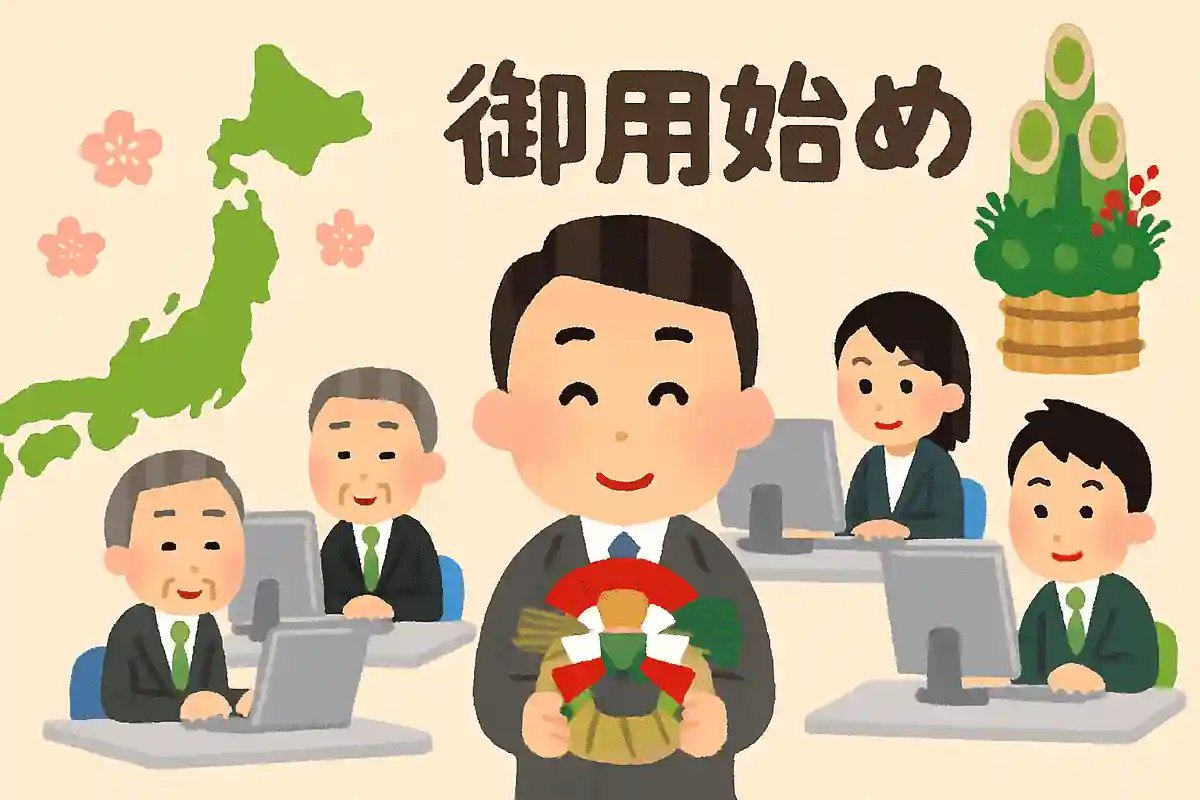
In Japan, when the New Year begins, companies and government offices hold an event called “Goyō-hajime.” It’s pronounced “goyō-hajime.” This refers to the first working day of the new year and has the same meaning as “shigoto-hajime” (the start of work).
In the past, it was an important day when government offices and shops, which had been closed during the New Year holidays, would fully resume operations.
There is also a custom of exchanging greetings and visiting shrines to pray, “May we complete our work safely and smoothly this year as well.” It’s a day that can make the start of the new year feel a little special, both for children and adults, if you know about it.

Only four schools participated in the first Hakone Ekiden.
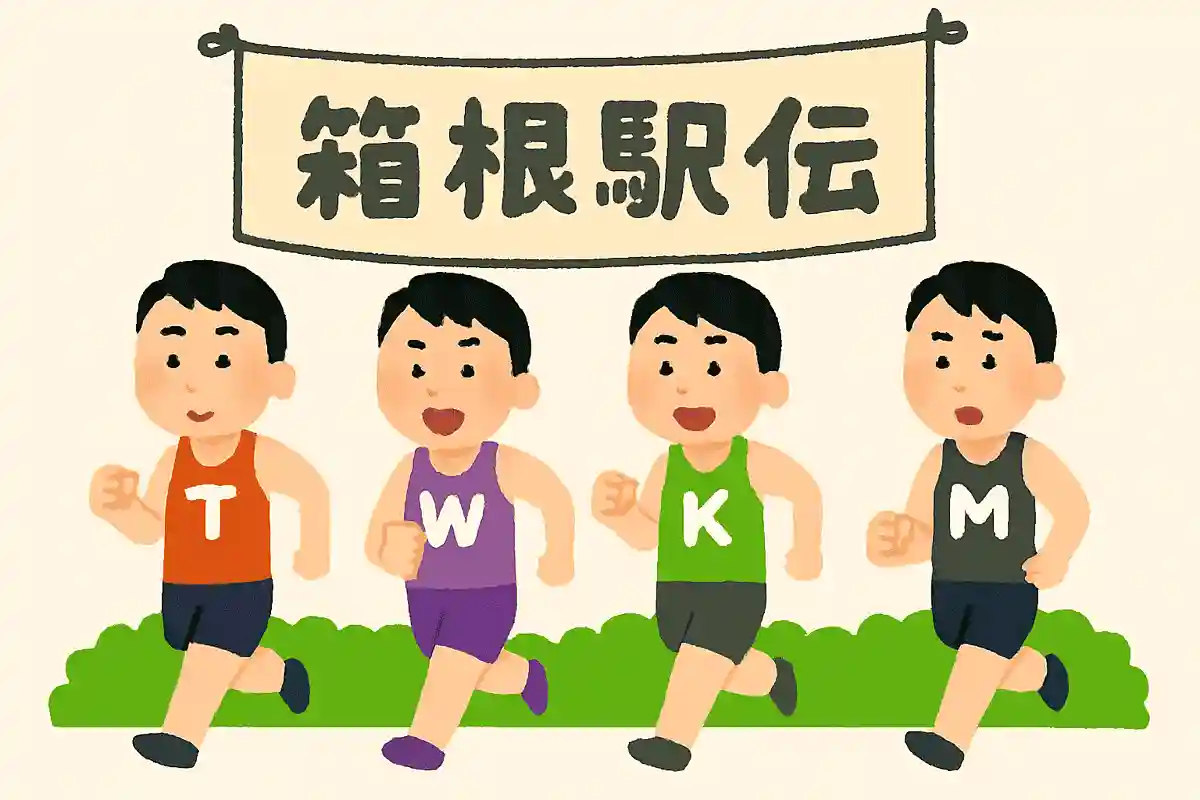
The Hakone Ekiden, a traditional New Year’s event in Japan, is now a major race with many universities participating, but the very first competition had only four schools.
Back in the 1920s, ekiden relays themselves were still rare, and preparation and training were challenging.
Even so, the students ran with all their might over the mountains of Hakone, drawing attention as a new sporting event for the New Year.
Today’s popular Hakone Ekiden began as a small challenge.
It’s a story that makes you feel, “Even small beginnings can grow into something great.”
Kadomatsu are displayed as a marker to guide the Toshigami (New Year deity).
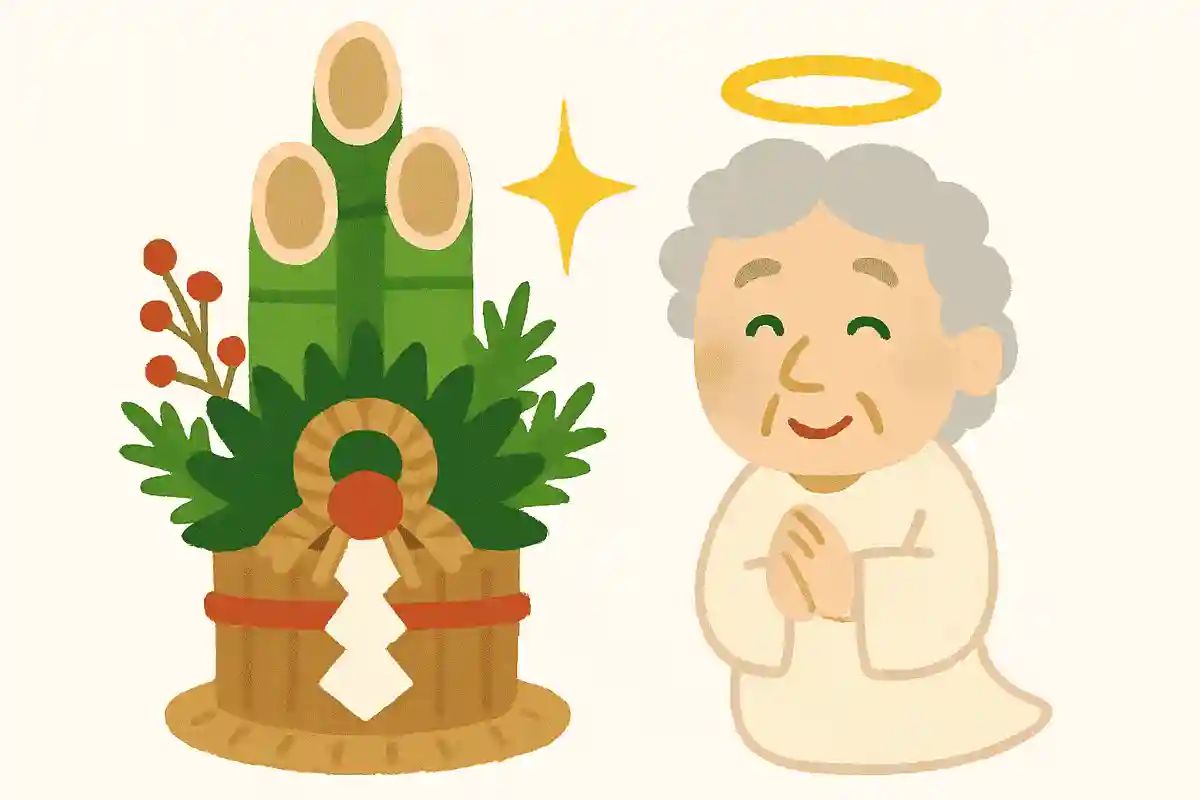
The kadomatsu decorations placed in front of homes for New Year’s aren’t just ornaments—they serve as markers for the Toshigami, the deity who brings happiness and prosperity for the coming year.
It’s believed that the Toshigami visits homes by using the kadomatsu as a guide.
Pine, bamboo, and plum are used to symbolize longevity, vigor, and life force.
Both children and adults feel excited when they see kadomatsu, thinking, “The deity will come to visit.” As part of traditional New Year scenery, they’re cherished as symbols of good fortune.
In conclusion
We introduced general trivia and fun facts related to January—did you discover anything new? Each New Year’s custom and tradition carries a deep meaning, and the more you learn, the more you can feel the depth of Japanese culture.
Even New Year events you used to take for granted can feel more special when you understand their background.
Be sure to use these tidbits in conversations with your family and friends!