

[Heisei Retro] Hit Japanese songs that defined the 1990s. Recommended J-POP classics.

When you think of the Japanese music scene of the ’90s, what kind of sounds come to mind? It was an era when million-selling hits kept emerging and CD sales marked a golden age for the music industry.
Hit songs poured from TV and radio into the streets, and everyone was humming the same tunes.
From guitar rock to dance music, from the Shibuya-kei movement to the Being-kei style, a wide variety of genres coexisted, each shining with its own unique brilliance in the ’90s.
In this article, we’ll introduce a selection of hit songs that colored that rich musical scene.
For those who lived through the era, they’ll feel nostalgic; for first-time listeners, they’ll sound fresh.
Please take your time and enjoy.
- Classic and hit songs by nostalgic Japanese bands from the 1990s
- Iconic ballads of 90s J-pop: nostalgic mega-hits and fan favorites
- Hits that resonate across generations! Popular 1990s songs on TikTok
- Classic and hit J-pop songs from the nostalgic ’90s
- Ranking of Popular Songs by Japanese Male Singers from the 1990s [2026]
- [Hit Songs of 1999] A roundup of timeless tracks that dominated the charts!
- A collection of nostalgic hits from the Heisei era: Let’s look back at iconic songs from the 1990s and 2000s.
- 1990s J-Pop to listen to in summer: classic and hit summer songs
- Anime songs that were hits in the 1990s. Recommended masterpieces and popular tracks.
- Tear-jerking J-pop from the ’90s. Hit songs and real tearjerkers.
- [Hit Songs of 1996] Spotlight on the iconic tracks and popular tunes that colored the Heisei era!
- Hit Japanese songs that represent 1997. Recommended masterpieces.
- [90s Music] Shibuya-kei Classics: Recommended Popular Songs
[Heisei Retro] Hit Japanese songs representing the 1990s. Recommended J-POP classics (71–80)
LOVE IS ALLTokunaga Hideaki

Released in September 1991, this was Hideaki Tokunaga’s 12th single, themed around a grand, universal love that transcends personal romance.
Inspired by images of soldiers heading to the battlefield during the Gulf War carrying photos of their families, the song was featured in a Gekkeikan commercial and became memorable alongside the ad starring Hiroyuki Sanada.
It reached No.
3 on the Oricon Weekly Chart and sold approximately 354,000 copies.
The track was also included on the album “Revolution,” released in October of the same year.
Its universal message—portraying the love and sorrow people share under the same sky—continues to resonate with hearts swayed by changing times.
Odoru Pompoko RinB.B. Kuīnzu

The biggest hit in 1990 was “Odoru Pompokolin” by B.B.
Queens, the theme song for the anime Chibi Maruko-chan.
This song became a massive hit, selling 1.3 million copies—more than double the second-place single—and it has come to be regarded as one of the defining songs of the 1990s.
Beyond the Night SkySMAP

It’s a ballad with lyrics written by Shikao Suga, and there were times during live shows and TV programs when member Kimura played acoustic guitar.
It makes me so sad to think we may never hear them sing it again.
I also love the lyrics that look back on their youth and compare it with the present.
BOY MEETS GIRLTRF

Released in June 1994, this song gained attention as a Coca-Cola commercial tune.
With this track, TRF made their first appearance at that year’s NHK Kōhaku Uta Gassen, serving as the opening act.
The lyrics depict the possibilities that encounters bring and the precious moments that enrich life, delivering a message that resonates with listeners.
It also features an innovative fusion of world music elements, such as incorporating a “kecak” chorus recorded by Tetsuya Komuro while on vacation in Indonesia for the ending.
As one of the iconic hits of the 1990s, it continues to be beloved by many to this day.
Go for it!!Urufuruzu

With the motto “Show it, let them hear it, make them dance!”, Ulfuls’s songs always give us energy and vitality.
The music video featuring their distinctive chonmage look greatly boosted the song’s sales and could be called director Tetsuro Takeuchi’s masterpiece.
Like a white cloudsaruganseki
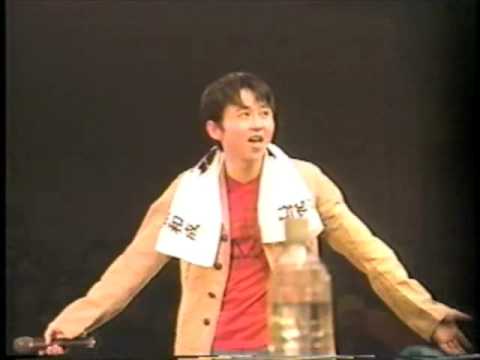
A single that was announced on a variety show.
Saruganseki was originally a comedy duo, but they gained major recognition through this song and the show.
Just when it seemed like they had vanished like one-hit wonders, Ariyoshi made a miraculous comeback.
Time goes byEvery Little Thing

It’s their eighth release, put out just one month after the previous single.
It’s their first ballad as a single, and it also showed that Mochida’s clear, sultry voice suits ballads extremely well.