

[Heisei Retro] Hit Japanese songs that defined the 1990s. Recommended J-POP classics.

When you think of the Japanese music scene of the ’90s, what kind of sounds come to mind? It was an era when million-selling hits kept emerging and CD sales marked a golden age for the music industry.
Hit songs poured from TV and radio into the streets, and everyone was humming the same tunes.
From guitar rock to dance music, from the Shibuya-kei movement to the Being-kei style, a wide variety of genres coexisted, each shining with its own unique brilliance in the ’90s.
In this article, we’ll introduce a selection of hit songs that colored that rich musical scene.
For those who lived through the era, they’ll feel nostalgic; for first-time listeners, they’ll sound fresh.
Please take your time and enjoy.
- Classic and hit songs by nostalgic Japanese bands from the 1990s
- Iconic ballads of 90s J-pop: nostalgic mega-hits and fan favorites
- Hits that resonate across generations! Popular 1990s songs on TikTok
- Classic and hit J-pop songs from the nostalgic ’90s
- Ranking of Popular Songs by Japanese Male Singers from the 1990s [2026]
- [Hit Songs of 1999] A roundup of timeless tracks that dominated the charts!
- A collection of nostalgic hits from the Heisei era: Let’s look back at iconic songs from the 1990s and 2000s.
- 1990s J-Pop to listen to in summer: classic and hit summer songs
- Anime songs that were hits in the 1990s. Recommended masterpieces and popular tracks.
- Tear-jerking J-pop from the ’90s. Hit songs and real tearjerkers.
- [Hit Songs of 1996] Spotlight on the iconic tracks and popular tunes that colored the Heisei era!
- Hit Japanese songs that represent 1997. Recommended masterpieces.
- [90s Music] Shibuya-kei Classics: Recommended Popular Songs
[Heisei Retro] Hit Japanese songs representing the 1990s. Recommended J-POP classics (21–30)
Everything (it’s you)Mr.Children

This is the theme song for the NTV drama “Koi no Vacance,” released in March 1997.
It’s said that Mr.
Children’s Kazutoshi Sakurai wrote the song with an “athletic, go-for-it” mindset.
The powerful, hard rock-tinged sound and lyrics filled with feelings for a loved one are striking.
The guitar solo in the interlude is performed by Kenichi Tahara and Sakurai, with Yuko Tsubokura from BB Queens contributing chorus vocals.
Centered around the word “STAY,” the song expresses the importance of finding what truly matters in life.
It’s a moving track that gives you the courage to move forward despite worries and contradictions.
Song of the TravelerNakajima Miyuki

Released in May 1995 as the 32nd single and the theme song for the television drama “A Homeless Child 2,” which sparked a social phenomenon, “Tabibito no Uta” sold about 1.03 million copies, becoming a million-seller.
Its lyrics convey deep empathy for people who wander without a place to call home, powerfully asserting that even if you lose your past or your love, your dreams will never disappear.
The song gives profound courage to those who feel lonely in modern society.
With its emotional band sound and soul-stirring vocals that strike the heart, it’s a moving number that people standing at a crossroads in life should especially hear.
Robinsonsupittsu

This is Spitz’s 11th single and, even today, the song with their highest sales.
It was also a milestone for the band as their first entry into the Oricon Top 10.
Originally, it might have ended up as a B-side—shows you never know what can happen.
LA LA LA Love SongKubota Toshinobu
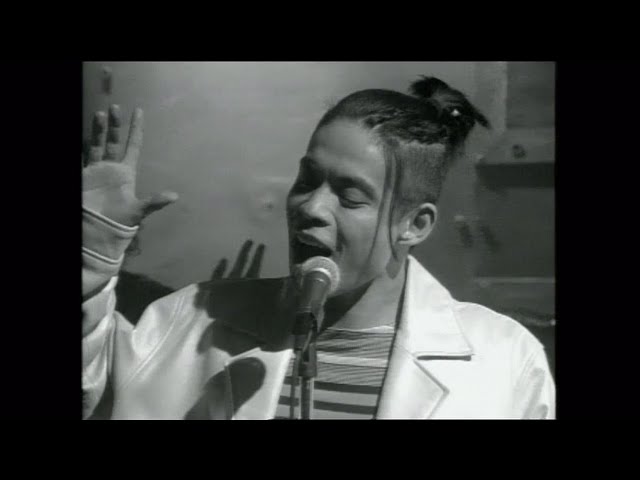
As an aside, when you select this song on karaoke systems like DAM, it picks that stock background video with a toy carousel spinning.
You can really feel the taste of the person who decided that.
It’s a timeless classic that never fades with age.
GoodbyeGAO

This is a song by GAO that captured many hearts with its delicate emotional expression and memorable melody.
Chosen as the theme song for the Nippon TV drama “Suteki ni Damashite!,” it was released in April 1992 and quickly became a major hit.
It reached No.
3 on the weekly Oricon chart and became a million seller with total sales of 1.236 million copies.
The lyrics gently yet powerfully portray the pain of heartbreak and the turmoil after a breakup, resonating deeply with listeners.
This work is especially recommended for those who recall a past love and still carry lingering feelings deep in their hearts.
It’s also a great choice to sing at karaoke.
Eternal, unchanging loveOda Tetsurō

Released in March 1992, this song became widely beloved as the theme for Otsuka Pharmaceutical’s Pocari Sweat commercials.
Tetsuro Oda composed it as a requiem imbued with feelings for his late brother, and the lyrics throughout reflect his admiration and love for him.
With its husky vocals that resonate deeply, the piece has been covered by multiple artists, including Ryuichi Kawamura and Kobukuro, who featured it on their albums.
Expressing a love that remains unchanged over time, the song can be listened to not only as a lovers’ anthem but also as a tribute to family and friends.
It’s a recommended track for moments when you want to feel the bonds with someone special.
Until the World Ends…WANDS

It was used as the theme song for the anime Slam Dunk, and even now, when you go to karaoke with men in their 30s and up, many of them still sing it.
When you select it at karaoke, the background shows original anime scenes edited specifically for this song.
It really shows how influential it is.