

[Heisei Retro] Hit Japanese songs that defined the 1990s. Recommended J-POP classics.

When you think of the Japanese music scene of the ’90s, what kind of sounds come to mind? It was an era when million-selling hits kept emerging and CD sales marked a golden age for the music industry.
Hit songs poured from TV and radio into the streets, and everyone was humming the same tunes.
From guitar rock to dance music, from the Shibuya-kei movement to the Being-kei style, a wide variety of genres coexisted, each shining with its own unique brilliance in the ’90s.
In this article, we’ll introduce a selection of hit songs that colored that rich musical scene.
For those who lived through the era, they’ll feel nostalgic; for first-time listeners, they’ll sound fresh.
Please take your time and enjoy.
- Classic and hit songs by nostalgic Japanese bands from the 1990s
- Iconic ballads of 90s J-pop: nostalgic mega-hits and fan favorites
- Hits that resonate across generations! Popular 1990s songs on TikTok
- Classic and hit J-pop songs from the nostalgic ’90s
- Ranking of Popular Songs by Japanese Male Singers from the 1990s [2026]
- [Hit Songs of 1999] A roundup of timeless tracks that dominated the charts!
- A collection of nostalgic hits from the Heisei era: Let’s look back at iconic songs from the 1990s and 2000s.
- 1990s J-Pop to listen to in summer: classic and hit summer songs
- Anime songs that were hits in the 1990s. Recommended masterpieces and popular tracks.
- Tear-jerking J-pop from the ’90s. Hit songs and real tearjerkers.
- [Hit Songs of 1996] Spotlight on the iconic tracks and popular tunes that colored the Heisei era!
- Hit Japanese songs that represent 1997. Recommended masterpieces.
- [90s Music] Shibuya-kei Classics: Recommended Popular Songs
[Heisei Retro] Hit Japanese songs representing the ’90s: Recommended J-POP classics (41–50)
LADY NAVIGATIONB’z

B’z’s 8th single, featuring a digital beat perfect for summer drives and catchy English phrases, leaves a lasting impression.
Released in 1991, the song was written for Kanebo Cosmetics’ summer campaign.
Many people may remember the commercial starring Maki Mizuno.
The fusion of programmed sounds and sharp guitar cutting felt cutting-edge at the time.
Its urban perspective on a woman striding briskly along the seaside is also captivating.
This release became B’z’s first million-seller, leading to an astounding streak of 13 consecutive million-selling singles.
It’s a refreshing pop-rock number that’s perfect for livening up a karaoke session or boosting your mood on a drive.
HOWEVERGLAY
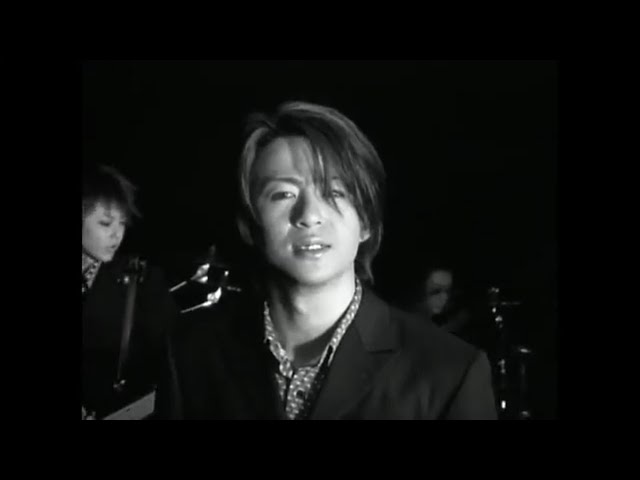
GLAY, known for their legendary concert that drew 200,000 people in 1999, released their 12th single in August 1997—a gem of a ballad that became the band’s first million seller.
Written and composed by TAKURO, the song sets a grand melody to lyrics about the preciousness of meeting a loved one and the resolve to move forward beyond past wounds.
It topped the Oricon Weekly Chart for five consecutive weeks and became a social phenomenon, selling a cumulative total of about 1.34 million copies.
Chosen as the ending theme for the TBS drama “Ryodatsuei: Abunai Onna” (Stolen Love: Dangerous Woman), it captured even more listeners’ hearts.
TERU’s emotionally rich vocals blend beautifully with the band’s dramatic sound, making this a masterpiece that feels like it gently stays by your side when you want to reaffirm your feelings for someone special.
I want to love rather than be lovedKinKi Kids

Released in November 1997, this is KinKi Kids’ second single.
It was written as the theme song for the NTV drama “Bokura no Yuuki: Miman City,” starring Koichi Domoto and Tsuyoshi Domoto in dual lead roles.
Coming right after their debut single “Garasu no Shonen” sold around two million copies, it was truly a make-or-break release.
The lyrics were penned by Hiromi Mori, with music composed by Koji Makaino.
Set to a sleek, urban dance beat, it powerfully portrays a young person’s resolve to take the initiative in love rather than remain passive.
Even while chafing at a reality that doesn’t go their way, the determination to keep moving forward by continuing to care for someone is deeply affecting.
It debuted at No.
1 on the Oricon Weekly Chart and became a hit with cumulative sales topping 1.64 million.
It’s a song I’d especially recommend to anyone who feels clumsy in love but wants to take that first step.
Hello, Again ~A Place That’s Been Around Since Long Ago~My Little Lover

Takeshi Kobayashi, the renowned producer behind acts like Mr.
Children and Southern All Stars; akko, with her crystal-clear vocals; and guitarist Kenji Fujii—these three artists together formed MY LITTLE LOVER, making a striking debut in the mid-1990s.
Their third single, released in August 1995, was chosen as the theme song for the Nippon TV drama “Owaranai Natsu” (“Endless Summer”), claiming the No.
1 spot on the Oricon weekly chart for two consecutive weeks.
It also ranked sixth on the year-end chart and became a massive hit, far surpassing a million in sales.
From its memorable guitar intro to the grand arrangement that gradually layers piano and strings, the song is irresistible.
The lyrics, which look back on past memories and one’s origins, tighten the chest a little more with every listen.
It’s a song that quietly stays by your side when, on an autumn evening, you find yourself wanting to revisit days gone by.
What kind of good things?SMAP

This mid-tempo number features a gentle, warm melody and lyrics that capture the quiet happiness hidden in everyday life, leaving a deep impression on the heart.
Released in September 1995 as SMAP’s 18th single, it became widely familiar as the theme song for Calbee’s Potato Chips commercials starring Tsuyoshi Kusanagi and Shingo Katori.
Issued on September 9, the anniversary of their debut, it topped the Oricon weekly chart and marked a hit that reflected the group’s growing maturity.
Its message—valuing time spent with someone close over flashy events—offers a gentle embrace for hearts worn out by busy days.
Tearful KissSazan Ōrusutāzu

This is the Southern All Stars’ 31st single, released in July 1992, notable for its gentle guitar arpeggios and softly supportive keyboard tones.
Written specifically as the theme song for the TBS Friday drama “Zutto Anata ga Suki Datta,” it is also known as the first song Keisuke Kuwata fully wrote to order for a drama.
Its lyrics, which carefully weave unadorned Japanese to portray the wavering feelings of lovers on the verge of parting, quietly seep into the listener’s heart.
The single topped the Oricon chart for seven consecutive weeks and shipped a total of 1.7 million copies, becoming the band’s first million-selling single.
It’s a gem of a ballad that gently keeps you company on nights when you gaze quietly at the end of love.
I should be able to fly (in the sky).supittsu
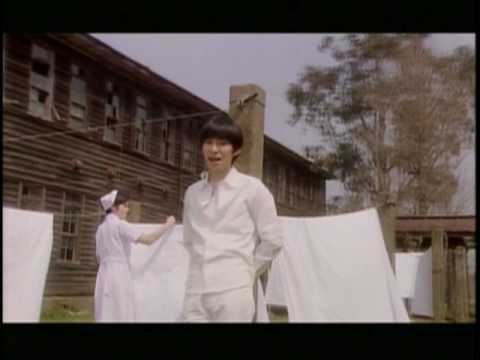
This is Spitz’s eighth single, released in April 1994.
It was originally written for a different TV drama but wasn’t selected and was instead released as a single.
Later, in 1996, it was chosen as the theme song for the Fuji TV drama “Hakusen Nagashi,” bringing it back into the spotlight and earning it the No.
1 spot on the Oricon weekly chart.
It became a million-selling classic.
The lyrics poetically capture the unique struggles of adolescence, a vague anxiety about becoming an adult, and the feeling of one’s heart being set free by staying close to someone.
Alongside sweet romance, it weaves in the harshness of reality and a sense of loneliness, yet its forward-looking stance truly resonates.
The airy guitar riff and Masamune Kusano’s crystal-clear vocals gently envelop the listener.
It’s a pop tune that continues to be loved across generations, accompanying life’s milestones—like graduation ceremonies and the start of new chapters.