

[Heisei Retro] Hit Japanese songs that defined the 1990s. Recommended J-POP classics.

When you think of the Japanese music scene of the ’90s, what kind of sounds come to mind? It was an era when million-selling hits kept emerging and CD sales marked a golden age for the music industry.
Hit songs poured from TV and radio into the streets, and everyone was humming the same tunes.
From guitar rock to dance music, from the Shibuya-kei movement to the Being-kei style, a wide variety of genres coexisted, each shining with its own unique brilliance in the ’90s.
In this article, we’ll introduce a selection of hit songs that colored that rich musical scene.
For those who lived through the era, they’ll feel nostalgic; for first-time listeners, they’ll sound fresh.
Please take your time and enjoy.
- Classic and hit songs by nostalgic Japanese bands from the 1990s
- Iconic ballads of 90s J-pop: nostalgic mega-hits and fan favorites
- Hits that resonate across generations! Popular 1990s songs on TikTok
- Classic and hit J-pop songs from the nostalgic ’90s
- Ranking of Popular Songs by Japanese Male Singers from the 1990s [2026]
- [Hit Songs of 1999] A roundup of timeless tracks that dominated the charts!
- A collection of nostalgic hits from the Heisei era: Let’s look back at iconic songs from the 1990s and 2000s.
- 1990s J-Pop to listen to in summer: classic and hit summer songs
- Anime songs that were hits in the 1990s. Recommended masterpieces and popular tracks.
- Tear-jerking J-pop from the ’90s. Hit songs and real tearjerkers.
- [Hit Songs of 1996] Spotlight on the iconic tracks and popular tunes that colored the Heisei era!
- Hit Japanese songs that represent 1997. Recommended masterpieces.
- [90s Music] Shibuya-kei Classics: Recommended Popular Songs
[Heisei Retro] Hit Japanese songs representing the ’90s: Recommended J-POP classics (41–50)
PRIDEImai Miki

A signature love ballad of the 1990s, this is one of Miki Imai’s most beloved songs.
Written, composed, and arranged by Tomoyasu Hotei—who would later become her partner—it was released in November 1996 as her 12th single and became a massive hit, selling approximately 1.62 million copies.
The protagonist, who sings that love for a precious person is her own pride, resonated deeply with many listeners at the time and continues to find empathy across generations.
Its refined, understated arrangement and Imai’s clear, pure vocals create a soundscape that wraps you in warmth every time you listen.
The song also drew attention as the theme for the Fuji TV drama “Doc,” and enjoyed a long run on the charts alongside the show’s popularity.
When you want to feel the beauty of loving someone with sincerity, take your time with the lyrics as you listen.
[Heisei Retro] Hit Japanese songs representing the 1990s: Recommended J‑Pop classics (51–60)
Addicted To YouUtada Hikaru

This is Hikaru Utada’s fourth single, released in November 1999, and it came out as an advance single for the album Distance.
The song also drew attention for being featured in a Sony commercial.
Jimmy Jam & Terry Lewis—who have worked with Michael Jackson and Janet Jackson—participated in the production, delivering an authentic R&B sound that was unparalleled in Japan at the time.
It topped the Oricon charts for two consecutive weeks and became a massive hit, selling a total of about 1.78 million copies.
The lyrics vividly portray an intense fixation on the other person and the pain of being unable to let go.
Even when reason understands, the emotions can’t keep up—capturing the raw conflict of love that really hits home.
Its distinctive atmosphere blends heavy beats and urban cool with a lingering sense of poignancy.
It’s a classic you should hear if you know what it feels like to be drowning in love, or if there’s someone you still can’t forget.
Boys & GirlsHamasaki Ayumi

This is Ayumi Hamasaki’s ninth single, which vividly colored the summer of 1999.
Its four-on-the-floor beat and synth-driven, danceable sound are filled with an exhilaration that makes your heart leap just by listening.
Yet, when you look at the lyrics, they delicately portray the struggles and anxieties unique to youth, and the poignancy behind the brightness resonates deeply.
Chosen as the song for Kao’s “SOFINA AUBE” commercial, it won fervent support from women of the same generation.
The track became her first million-selling single and topped the Oricon chart for three consecutive weeks, making it a clear starting point of her breakthrough.
It continues to be loved today, having been reused in 2023 for McDonald’s Japan’s Heisei Burger commercial.
It’s the perfect number for a summer drive or whenever you want to lift your spirits.
Soap bubbleNagabuchi Tsuyoshi
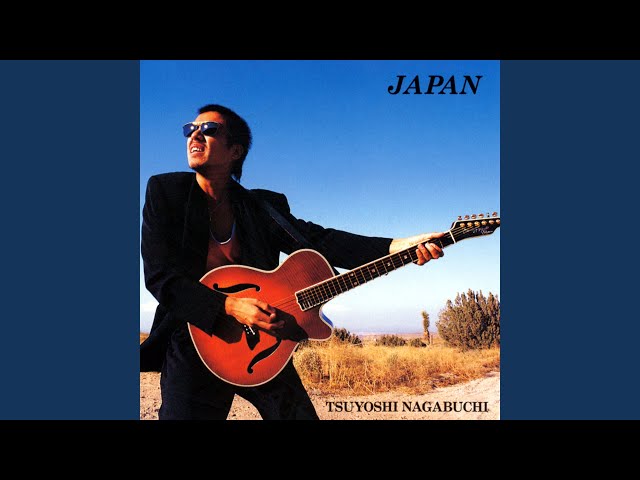
Boosted by the popularity of the tie-in TV drama of the same name, Tsuyoshi Nagabuchi’s 24th single became a million-seller.
Released in October 1991, it topped the Oricon weekly chart and sold over 1.1 million copies in total.
The lyrical guitar-riff intro and the folk-rock sound centered on acoustic guitar lend the entire track a wistful atmosphere.
Recorded in Los Angeles with top American session musicians, it achieves a grand, expansive sonic image.
The lyrics are emotional, portraying someone who, while confronting the injustices of society, keeps struggling to launch their dreams again and again.
It’s a track you’ll want to hear if you’ve faced setbacks but are trying to look ahead, or on nights when you want to savor life’s bitterness and hope at the same time.
Real Thing ShakesB’z
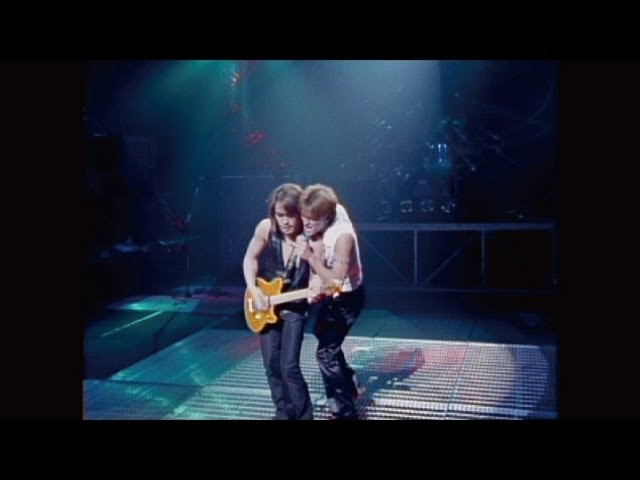
B’z, the rock unit that has built numerous milestones.
Released in May 1996, this work drew attention for its unprecedented format: a one-coin single with no B-side.
Chosen as the theme song for the drama “Watch Out for Us,” it became their 13th consecutive million-selling single, setting a new all-time record at the time.
Produced by Andy Johns, known for his work with Led Zeppelin, it’s a hard rock number performed entirely in English.
The sound woven by Takahiro Matsumoto’s heavy guitar riffs and Koshi Inaba’s soaring high-tone vocals is nothing short of breathtaking.
wishB’z

B’z have set numerous records and have long led Japan’s rock scene.
Released in 1995, this song is also known for being used as the ending theme of the nationwide music program “J-ROCK ARTIST COUNT DOWN 50.” Takahiro Matsumoto’s groovy guitar intertwines with Koshi Inaba’s powerful vocals, elevating the track into superb pop rock.
The lyrics, which express a will to carve out the future by one’s own strength rather than merely wishing, and which affirm a very human kind of desire, will give you a push every time you listen.
BELOVEDGLAY

A medium-tempo ballad marked by a guitar intro that feels somehow nostalgic and a warm, embracing melody.
TAKURO’s lyrics, which sing of deep love for one’s dearest and a bond that remains unchanged even as the times shift, are filled with a gentle kindness that seems to stay close to the listener’s heart.
Released in August 1996 as GLAY’s ninth single, the song also became widely known as the theme for the TV drama “A Summer Proposal.” Reaching No.
3 on the Oricon weekly chart, it can be considered a pivotal work that cemented the band’s rise.
When you feel overwhelmed by busy days and on the verge of losing yourself, give it a listen.