

[Heisei Retro] Hit Japanese songs that defined the 1990s. Recommended J-POP classics.

When you think of the Japanese music scene of the ’90s, what kind of sounds come to mind? It was an era when million-selling hits kept emerging and CD sales marked a golden age for the music industry.
Hit songs poured from TV and radio into the streets, and everyone was humming the same tunes.
From guitar rock to dance music, from the Shibuya-kei movement to the Being-kei style, a wide variety of genres coexisted, each shining with its own unique brilliance in the ’90s.
In this article, we’ll introduce a selection of hit songs that colored that rich musical scene.
For those who lived through the era, they’ll feel nostalgic; for first-time listeners, they’ll sound fresh.
Please take your time and enjoy.
- Classic and hit songs by nostalgic Japanese bands from the 1990s
- Iconic ballads of 90s J-pop: nostalgic mega-hits and fan favorites
- Hits that resonate across generations! Popular 1990s songs on TikTok
- Classic and hit J-pop songs from the nostalgic ’90s
- Ranking of Popular Songs by Japanese Male Singers from the 1990s [2026]
- [Hit Songs of 1999] A roundup of timeless tracks that dominated the charts!
- A collection of nostalgic hits from the Heisei era: Let’s look back at iconic songs from the 1990s and 2000s.
- 1990s J-Pop to listen to in summer: classic and hit summer songs
- Anime songs that were hits in the 1990s. Recommended masterpieces and popular tracks.
- Tear-jerking J-pop from the ’90s. Hit songs and real tearjerkers.
- [Hit Songs of 1996] Spotlight on the iconic tracks and popular tunes that colored the Heisei era!
- Hit Japanese songs that represent 1997. Recommended masterpieces.
- [90s Music] Shibuya-kei Classics: Recommended Popular Songs
[Heisei Retro] Hit Japanese songs that defined the ’90s: Recommended J-POP masterpieces (91–100)
PIECE OF MY WISHImai Miki

Released in November 1991, this song was used as the theme for the TBS drama “Ashita ga Aru Kara,” starring Miki Imai, and reached No.
1 on the Oricon weekly chart.
A million-selling hit with about 1.25 million copies sold, it’s one of Imai’s signature songs and was also performed at the Kōhaku Uta Gassen.
The lyrics, which carry a message of looking forward despite hardships and setbacks, were written by lyricist Yūho Iwasato while she was pregnant.
With a warmth reminiscent of motherhood, the song gently comforts those who are struggling.
When work or relationships feel tough, listening to this track will surely help you regain your footing and make a fresh start.
Boy in the WindHikaru GENJI

This is the 12th single released in February 1991 by Hikaru GENJI, the group that gained popularity with their style of singing and dancing on roller skates.
As the title suggests, the lyrics vividly depict the sparkle of a fleeting moment shining in the wind and the bittersweetness of youth.
It expresses the emotions of a boy torn between friendship and budding romance, set to a refreshing melody.
It reached No.
2 on the weekly Oricon chart and was also included on the album “(333) Thank You.” Taking a step beyond their early, high-speed performances, this work attempts a more emotionally rich expression, making it a song that showcases Hikaru GENJI’s growing maturity.
It’s a great pick when you want to revisit memories of your youth.
Goodbye, Summer DaysYamashita Tatsuro

Tatsuro Yamashita’s 21st single, released in May 1991, is a classic inspired by his own high school experience of being caught in a sudden shower at an amusement park pool and seeing a rainbow after the rain.
It beautifully captures the bittersweet feeling at summer’s end and the tender emotions of first love before adulthood.
The song was also used in a commercial for Dai-ichi Life and released as an advance single from the album “ARTISAN.” It reached No.
12 on the Oricon Weekly Chart and was certified Gold.
It’s a quintessential summer ballad recommended for those who want to relive their youthful memories or nostalgically revisit the delicate romances of those days.
Legendary GirlMizuki Arisa

The debut single, released in May 1991, is a mid-tempo song written and composed by Ami Ozaki.
Depicting a girl who dreams of one day becoming the heroine of a sparkling story, the track features vocals mature beyond her 14 years and a graceful melody, earning the New Artist Award at the 33rd Japan Record Awards.
As the theme song for Kirin Beverage’s Chasse commercial, it became a household talking point and peaked at No.
5 on the Oricon charts.
Marking a confident first step as a singer, this work remains an enduring anthem that continues to encourage all who chase their dreams.
EZ DO DANCETRF

This song can be called a landmark of dance music that got all of Japan moving in the ’90s.
Released in June 1993 as TRF’s second single, it peaked at No.
15 on the Oricon charts and became an unusually long-running hit, selling about 790,000 copies.
Produced by Tetsuya Komuro, it also features a memorable rap by DJ KOO.
The lyrics depict people dancing in pursuit of freedom, expressing hope, dreams, and bonds with friends.
With its bright, easy-to-dance rhythm and catchy melody, it remains a karaoke staple to this day.
It’s a perfect track for parties with friends or for lifting your spirits.
I won’t fall in love anymore.Makihara Noriyuki
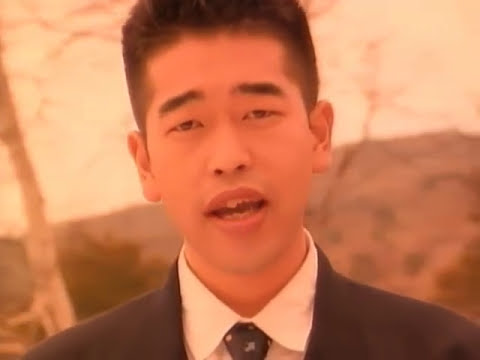
It’s a love song featuring Mr.
Makihara’s gentle, warmly embracing vocals.
The chorus lyrics are unusual and interesting, aren’t they? By the way, if you type the last phrase of the chorus—which includes the song’s title—into Google, you’ll get some pretty amusing search suggestions.
Stay GoldHi-STANDARD

Despite being an indie band at the time, it was an extraordinary million-seller—this is a track from their 1999 album “MAKING THE ROAD.” I remember how shocking it felt back then.
With 20 songs on a single CD, I could listen to it nonstop without getting bored.
They truly are a band that represents the ’90s.