

[Heisei Retro] Hit Japanese songs that defined the 1990s. Recommended J-POP classics.

When you think of the Japanese music scene of the ’90s, what kind of sounds come to mind? It was an era when million-selling hits kept emerging and CD sales marked a golden age for the music industry.
Hit songs poured from TV and radio into the streets, and everyone was humming the same tunes.
From guitar rock to dance music, from the Shibuya-kei movement to the Being-kei style, a wide variety of genres coexisted, each shining with its own unique brilliance in the ’90s.
In this article, we’ll introduce a selection of hit songs that colored that rich musical scene.
For those who lived through the era, they’ll feel nostalgic; for first-time listeners, they’ll sound fresh.
Please take your time and enjoy.
- Classic and hit songs by nostalgic Japanese bands from the 1990s
- Iconic ballads of 90s J-pop: nostalgic mega-hits and fan favorites
- Hits that resonate across generations! Popular 1990s songs on TikTok
- Classic and hit J-pop songs from the nostalgic ’90s
- Ranking of Popular Songs by Japanese Male Singers from the 1990s [2026]
- [Hit Songs of 1999] A roundup of timeless tracks that dominated the charts!
- A collection of nostalgic hits from the Heisei era: Let’s look back at iconic songs from the 1990s and 2000s.
- 1990s J-Pop to listen to in summer: classic and hit summer songs
- Anime songs that were hits in the 1990s. Recommended masterpieces and popular tracks.
- Tear-jerking J-pop from the ’90s. Hit songs and real tearjerkers.
- [Hit Songs of 1996] Spotlight on the iconic tracks and popular tunes that colored the Heisei era!
- Hit Japanese songs that represent 1997. Recommended masterpieces.
- [90s Music] Shibuya-kei Classics: Recommended Popular Songs
Heisei Retro: Hit Japanese songs that defined the ’90s. Recommended J‑Pop classics (11–20)
AutomaticUtada Hikaru
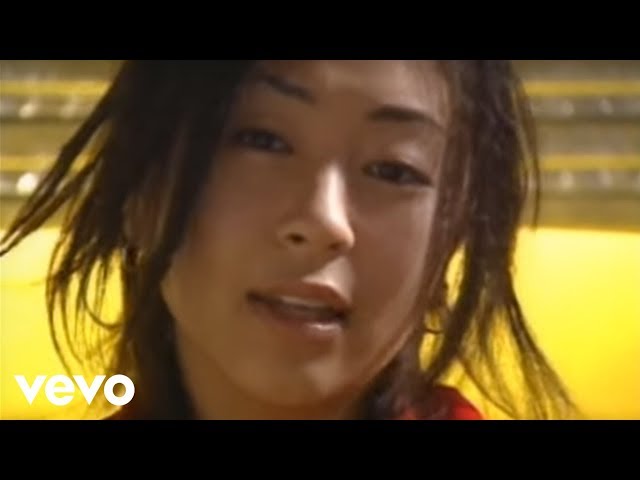
This is Hikaru Utada’s debut work, which won the Golden Disc Award.
Thanks to this music video, parodies of the low-stance pose became popular as well.
It’s the song that marked the beginning of her journey to creating numerous legends and timeless hits.
Beyond her overwhelming vocal and expressive power and the forward-looking sound that resonated with Western music of the time, the literary quality of the lyrics continues to be highly regarded.
Dango Three BrothersHayami Kentarō, Shigemori Ayumi

It originally aired only within a children’s TV program, but word of mouth snowballed and it became an unexpected hit, sparking conversation among adults as well.
It gained wider recognition as a novelty favorite at karaoke, too.
Fitting for the “Dango Three Brothers,” it’s sung to a tango rhythm.
In the Oricon single sales rankings of the 1990s, it impressively took first place, which shows just how much of a craze the song started.
As I love you selfishly, I won’t hurt anyone but you.B’z

From the late Showa era through Heisei and now Reiwa, B’z have consistently remained at the forefront of the scene.
Their 12th single, one of the defining songs of the early ’90s music scene, is “Ai no mama ni wagamama ni Boku wa Kimi dake wo Kizutsukenai.” Its unusually long, sentence-like title—which briefly became a trend at the time—also drew attention.
Back when karaoke selections were mainly in book form rather than touch panels, the title stood out so much that many people probably found it easy to spot.
WOW WAR TONIGHT ~Sometimes You Gotta Start a Movement~H Jungle with T

This song became a massive hit like a chemical reaction sparked by the popularity of Downtown and the talent of Tetsuya Komuro.
It ranked second on the annual singles chart in 1995 and sold 2.1 million copies, marking yet another big hit.
Take note as well of its renewed appreciation: it was later reissued on vinyl thanks to the Heisei-era revival and popularity among DJs.
Love will winKAN

KAN, a celebrated Japanese singer-songwriter whom the nation takes pride in and who sadly passed away, is often remembered for singing while playing the piano.
His biggest hit—and the classic that almost everyone has heard at least once—has to be “Ai wa Katsu” (“Love Will Win”).
KAN’s delivery gives the straightforward lyrics real conviction, and it’s a song that moves you to tears no matter when you hear it.
It spent eight consecutive weeks at number one on the Oricon charts at the time and recorded sales that left a mark on Japanese music history.
HELLOFukuyama Masaharu

Masaharu Fukuyama ranked third in the 1995 year-end chart.
This song is one of his signature tracks, still a staple at his live shows and popular at karaoke.
It sold 1.87 million copies, and it’s no exaggeration to say that this was the song that cemented Fukuyama—who at the time might have been better known as an actor—as a hugely popular singer-songwriter.
[Heisei Retro] Hit Japanese songs representing the 1990s. Recommended J-POP classics (21–30)
Hate tell a lieKahara Tomomi

This is the sixth single by Tomomi Kahala, a songstress who epitomized the J-POP scene of the 1990s.
Chosen as the CM song for Kanebo Cosmetics’ “Bronzelove,” it became a major hit alongside the commercial featuring Kahala herself.
While the driving, digitally infused sound produced by Tetsuya Komuro and her soaring vocals are striking, it’s also worth noting that the chorus melody incorporates the yo scale.
Perhaps the sense of nostalgia that peeks through the urban, sophisticated atmosphere stems from this scale, which resonates deeply with the Japanese sensibility.