

Recommended for elementary school students! Ideas for composing summer haiku

Haiku are short poems that express nature and the seasons.
It may seem difficult, but even elementary school students can write them.
A haiku consists of 17 syllables in a 5-7-5 pattern, and it must include a “kigo,” a word that evokes a season.
Using this as a guide, think about what you saw and felt during summer vacation, and give it a try.
By simply putting your feelings into words that match the 5-7-5 rhythm, you can create your very own haiku.
It’s fun to freely express what you think!
Use words to capture your wonderful summer memories and experiences, and enjoy writing haiku.
- [For Elementary School Students] Turn Summer Memories into Haiku! A Collection of Fun Summer Haiku Ideas
- [For Elementary School Students] Spring Kigo for Haiku Writing! A Collection of Fun, Easy-to-Memorize Ideas
- [Elementary School Senryu] A Collection of Hilarious Masterpieces about Summer Vacation, Friends, and School Life. Tips and Explanations Learned from Outstanding Works
- [Winter Haiku] A collection of poems written by elementary school students. Excellent works that skillfully use seasonal words.
- Let's enjoy learning winter seasonal words! A collection of easy-to-use word ideas for elementary school students
- For elementary school students! A recommended collection of famous haiku using spring kigo
- [For Middle School Students] Also Helpful for Haiku Writing! A Collection of Famous Haiku Using Spring Seasonal Words
- [Winter Haiku] A collection of poems composed by junior high school students: a beautiful and amusing anthology that vividly evokes scenes
- [For Elementary Students] A Collection of Beautiful Four-Character Idioms to Know
- Recommended for elementary schoolers! A fun collection of craft ideas for 5th graders
- [For General Readers] List of Summer Kigo: Evocative Everyday Words of Summer
- [Elementary School Students] Perfect for Kakizome! A Collection of Four-Character Idiom Ideas
- Perfect for elementary school slogans! A collection of four-character idiom ideas you'll want to use
Recommended for elementary school students! Summer haiku-making ideas (1–10)
The sky that the sunflowers gaze at is clear and bright.

Sunflowers are flowers that symbolize summer, and because their blossoms face the sun, they strongly evoke an image of clear, sunny weather.
With sunflowers as our theme, let’s express a summer landscape filled with blooming sunflowers in the form of haiku.
The depiction of sunflowers facing the sky conveys both their lively, flourishing state and the fact that the sky is brilliantly clear.
It also conjures an image of looking up at the blue sky alongside the sunflowers, creating a refreshing sense of summer.

I sowed the seeds, and now they are sunflowers I look up to.
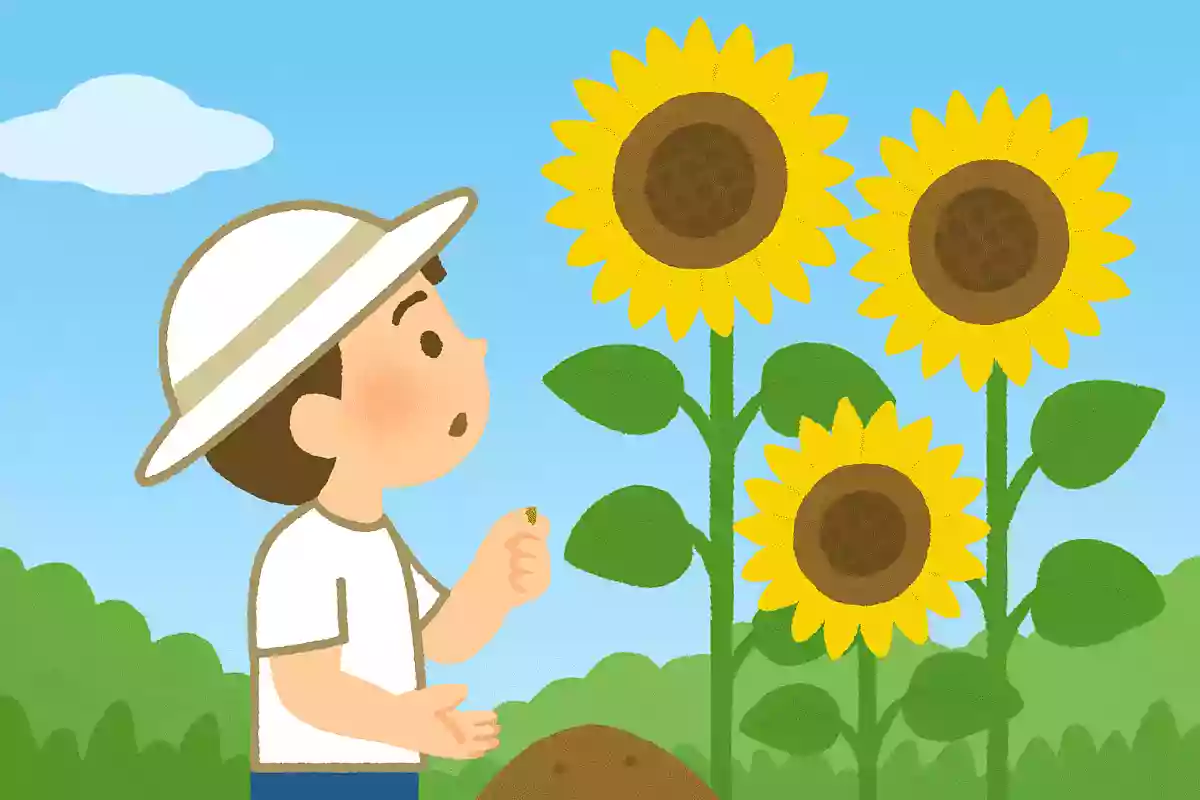
When it comes to sunflowers—the quintessential summer flower—their height is a hallmark, and the way they stretch toward the sky conveys a positive vibe.
This haiku depicts the sunflower’s growth and evokes the image of a clear summer sky.
It looks back from the moment the seeds were sown to the plant’s towering height, conveying strength in the shift from looking down to sow the seeds to looking up as they grew.
The act of gazing up at the sunflower hints at the summer-blue sky visible beyond the bloom—an important point of the poem.
Words of the summer starry sky, a tale of the world
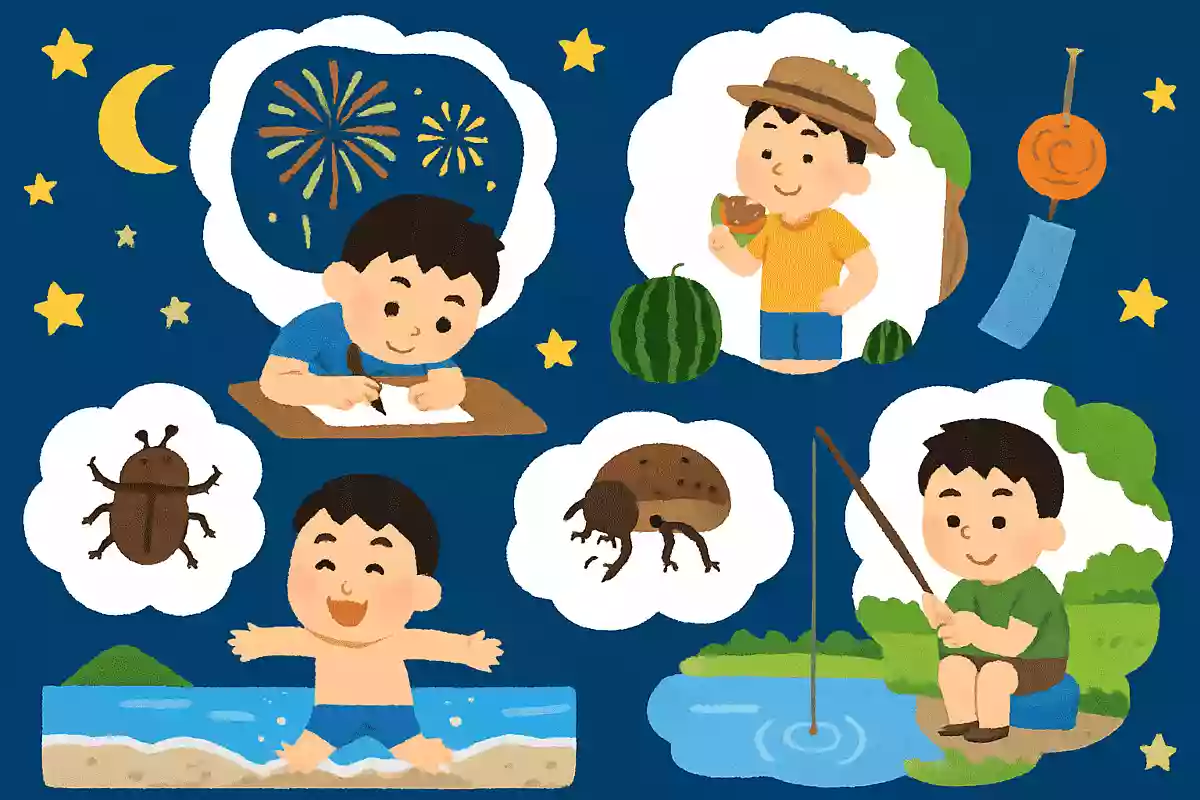
There are many stories behind the stars that float in the night sky, and those stories really heighten the romantic mood when we look up at it.
This is a gentle-air haiku that portrays someone lost in those starry tales, soaking in the feel of a summer night.
Since there isn’t just one story but many variations, what people imagine from this haiku will likely differ from person to person.
It’s also worth noting how the act of reading various stories from the night sky is expressed as “the sky’s words.”
Recommended for elementary school students! Summer haiku-making ideas (11–20)
Scolded for playing Pokémon GO during summer vacation
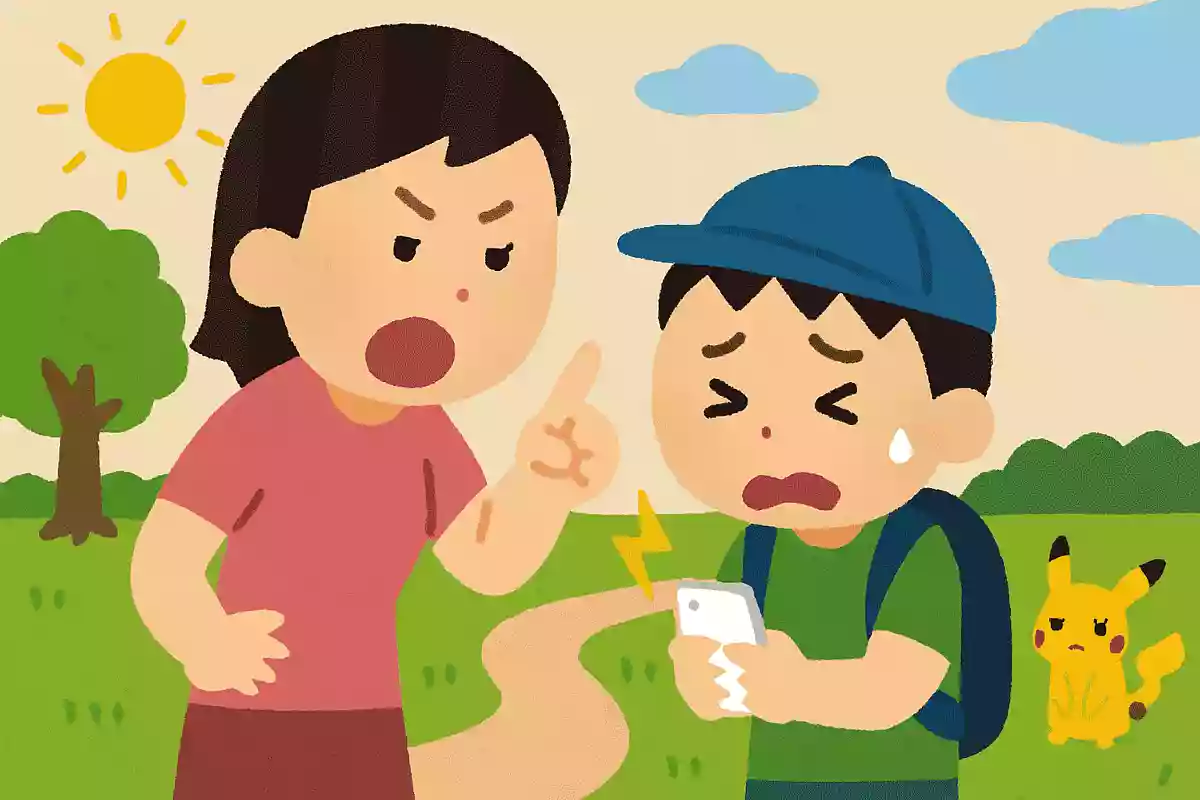
Pokémon GO, where you head outside to search for Pokémon, is a game beloved as a reason to get moving and is known across generations.
This haiku portrays outings during summer vacation with Pokémon GO, while comically depicting the little incidents that happen along the way.
It also conveys the sense of missed opportunity when you end up staring only at the screen because you’re so focused on Pokémon GO during an outing.
Going out is indeed a perfect chance to advance in the game, but this piece reminds us that it’s also important to take in the real scenery.
Me, lazing around again tomorrow during summer vacation.
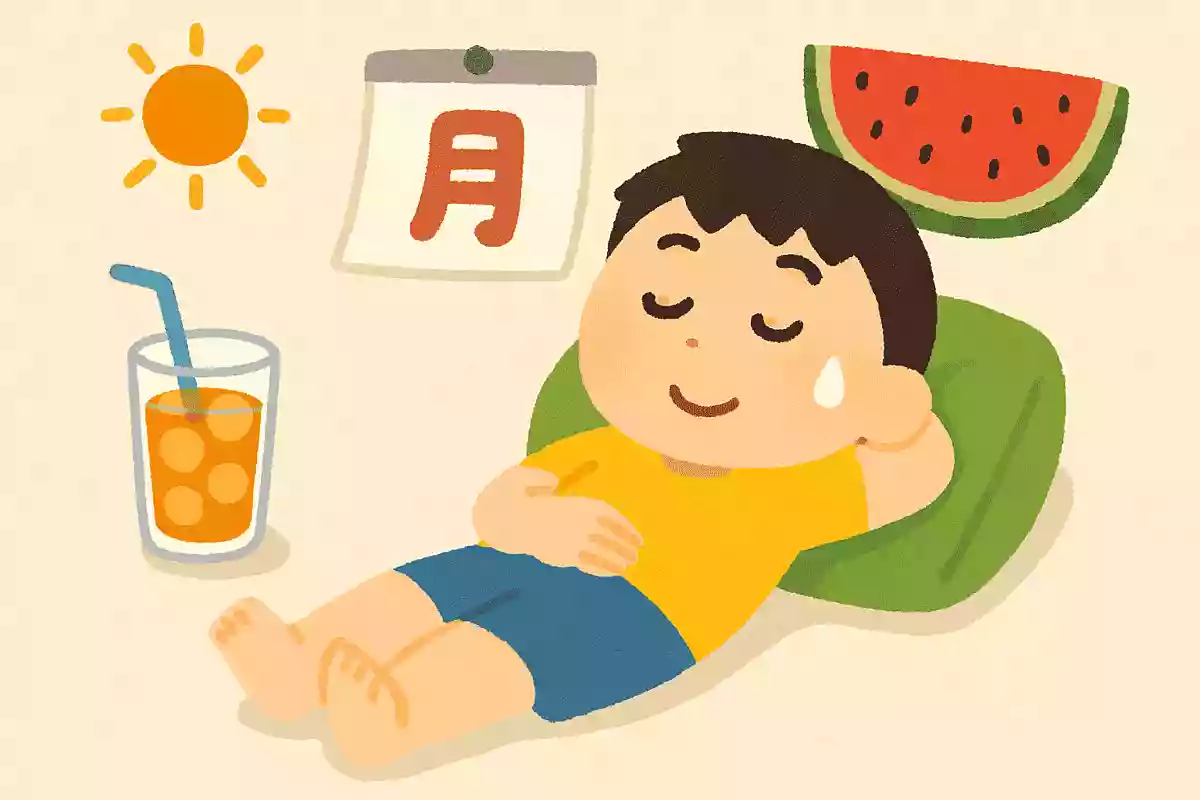
There are elementary schools where the summer vacation is longer than spring or winter break, right? During long vacations, children tend to fall into irregular routines.
This haiku seems to capture those kinds of days.
Especially during summer break, perhaps because of the heat, it’s easy to feel sluggish about moving the body.
Kids end up wanting to lounge around doing nothing.
It expresses children’s honest feelings.
Many parents probably get irritated seeing their kids lazing about, too.
You can even read into the family dynamics behind it, which adds a sense of uniqueness.

Will I win? I lick the ice pop stick again.

In hot weather we crave cold foods, and ice cream feels like a classic among them.
Here, the focus is on those ice creams that come with a prize, and the haiku expresses the anticipation for a win that lies beyond the delicious taste.
Since the winning mark is printed on the stick, it portrays the idea of licking the ice cream while wondering whether an ideal awaits at the end.
The word “again” is another key point: it conveys repeatedly eating ice cream in hopes of a win, and also gives the impression of a heat so intense that you can’t help reaching for another ice cream.
Coolness of the river—learned from my beloved dog

With each passing year, the summer heat grows harsher, and clever products that help us stay cool—like handheld fans—are becoming popular.
Playing in rivers or going to the pool, simply touching water, is another way to cool down.
In the haiku, were the owner and their beloved dog camping in the mountains and playing in the river? Or perhaps they were just taking a walk near the river.
You can sense from the haiku that the dog, feeling the heat, went into the river and played.
Seeing their dog romp about, delighted by the cold water, must have made the owner happy as well.
Thanks to the dog, you can also feel how the coolness of the river reached the owner.