



Haiku are short poems that express nature and the seasons.
It may seem difficult, but even elementary school students can write them.
A haiku consists of 17 syllables in a 5-7-5 pattern, and it must include a “kigo,” a word that evokes a season.
Using this as a guide, think about what you saw and felt during summer vacation, and give it a try.
By simply putting your feelings into words that match the 5-7-5 rhythm, you can create your very own haiku.
It’s fun to freely express what you think!
Use words to capture your wonderful summer memories and experiences, and enjoy writing haiku.
- [For Elementary School Students] Turn Summer Memories into Haiku! A Collection of Fun Summer Haiku Ideas
- [For Elementary School Students] Spring Kigo for Haiku Writing! A Collection of Fun, Easy-to-Memorize Ideas
- [Elementary School Senryu] A Collection of Hilarious Masterpieces about Summer Vacation, Friends, and School Life. Tips and Explanations Learned from Outstanding Works
- [Winter Haiku] A collection of poems written by elementary school students. Excellent works that skillfully use seasonal words.
- Let's enjoy learning winter seasonal words! A collection of easy-to-use word ideas for elementary school students
- For elementary school students! A recommended collection of famous haiku using spring kigo
- [For Middle School Students] Also Helpful for Haiku Writing! A Collection of Famous Haiku Using Spring Seasonal Words
- [Winter Haiku] A collection of poems composed by junior high school students: a beautiful and amusing anthology that vividly evokes scenes
- [For Elementary Students] A Collection of Beautiful Four-Character Idioms to Know
- Recommended for elementary schoolers! A fun collection of craft ideas for 5th graders
- [For General Readers] List of Summer Kigo: Evocative Everyday Words of Summer
- [Elementary School Students] Perfect for Kakizome! A Collection of Four-Character Idiom Ideas
- Perfect for elementary school slogans! A collection of four-character idiom ideas you'll want to use
Recommended for elementary school students! Summer haiku-making ideas (1–10)
Today’s haiku

Let’s capture summer scenes and try writing haiku! Here are some ideas for today’s haiku.
Some of you may be keeping a diary of today’s events, right? This summer, try composing haiku alongside your diary.
In the video, haiku written by children from third to sixth grade are introduced.
Each haiku stands out for expressing honest feelings while using seasonal words (kigo).
They convey landscapes and emotions, and seem like memories you’ll cherish.
Give it a try!
Let’s enjoy haiku

Working together with the Chiba Prefectural Board of Education! Here are some ideas to help you get familiar with haiku.
In elementary school, students usually learn haiku around the third grade, right? Many people may have learned about it in class but want to know more, or even try composing their own.
In the video, they feature haiku by poets like Yosa Buson and clearly explain the structure and rules of haiku.
It also teaches about seasonal words (kigo) with examples, so it’s highly recommended.
Be sure to give it a try!
10 Summer Kigo That Are Easy for Elementary School Students to Use

Easy to visualize! Here are 10 summer kigo (seasonal words) that are easy for elementary school students to use.
In haiku there’s a rule to include a kigo, but many people may feel, “I can’t even imagine which seasonal words to use,” or “Examples of kigo would make it easier to compose haiku.” These ideas present 10 summer kigo that are simple enough for elementary schoolers to use when you need them.
The video also introduces their origins along with examples, so it looks like you can deepen your learning too! Be sure to give them a try.
Mosquito coil guard at the entrance
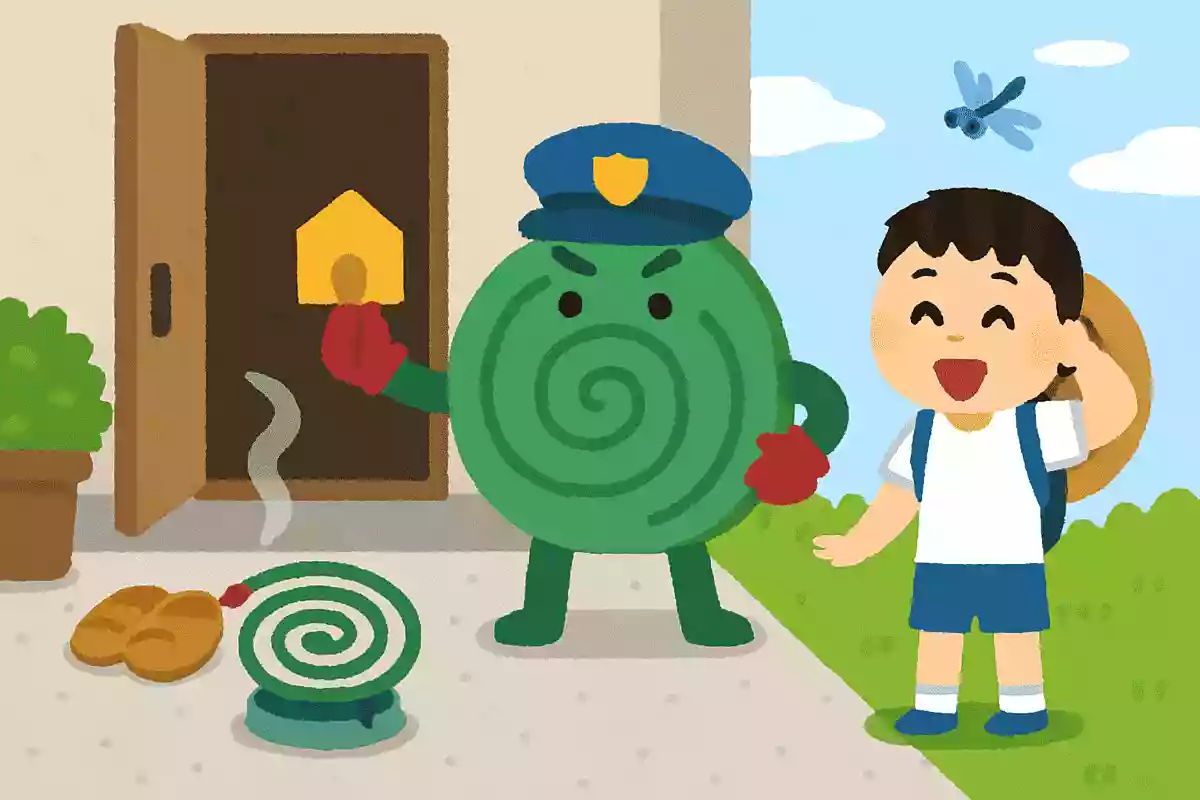
One of the nuisances of summer is mosquitoes that seem to come from nowhere, and mosquito coils are an essential item to keep them at bay.
This haiku expresses how reassuring it is to have a mosquito coil.
The scene is simple—placing a mosquito coil by the front door—but by adding the word “guardman,” it emphasizes the coil’s effectiveness and the sense of security it brings.
Evoking the image of the coil’s smoke, you can almost sense the scent wafting from the entrance and feel the summer breeze.

Together with the goldfish, the memories I want to save.

In summer, festivals are held in various places, and the usual stalls appear there too.
This haiku portrays someone trying to create summer memories with the theme of goldfish scooping, one of those festival classics.
Goldfish scooping is enjoyable in the moment, but it also tells us it’s an event whose fun continues afterward—when you watch the goldfish swimming at home, the memories come flooding back.
The word “together” also conveys a sense of affection, as if to say they want to raise the goldfish scooped here and nurture them from now on.
Cicada voices, seasonal letter, the mailman
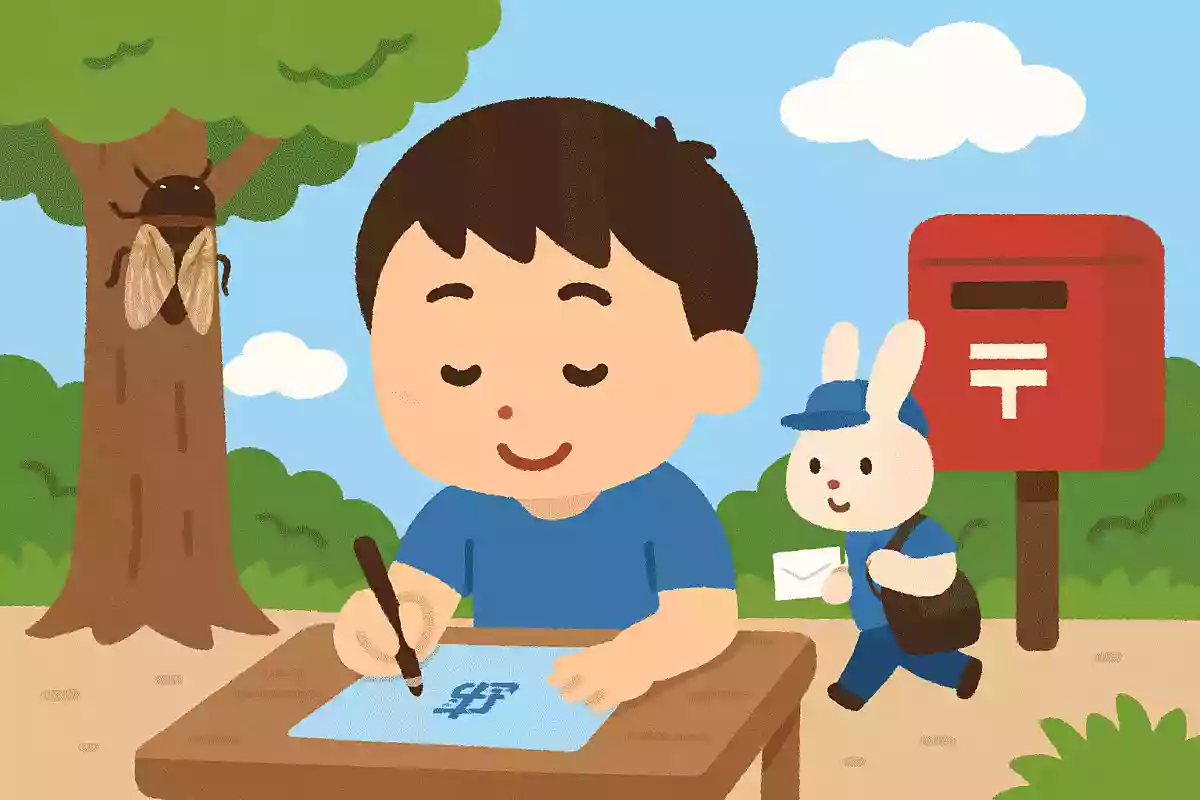
When it comes to the sounds of summer, cicadas are the classic example.
Even though they can feel noisy, hearing them makes you sense that summer has arrived.
This haiku expresses the arrival of a letter about the season while also evoking the feeling that summer has come through the sound of cicadas.
The key phrase is “a seasonal letter,” which not only suggests that a letter arrived in summer, but also conveys the idea that the cicadas themselves are announcing the change of seasons.
Through the sound of cicadas, it evokes both the heat and a certain freshness of the season.
At my grandmother’s house, this year again, I meet the cow frog.
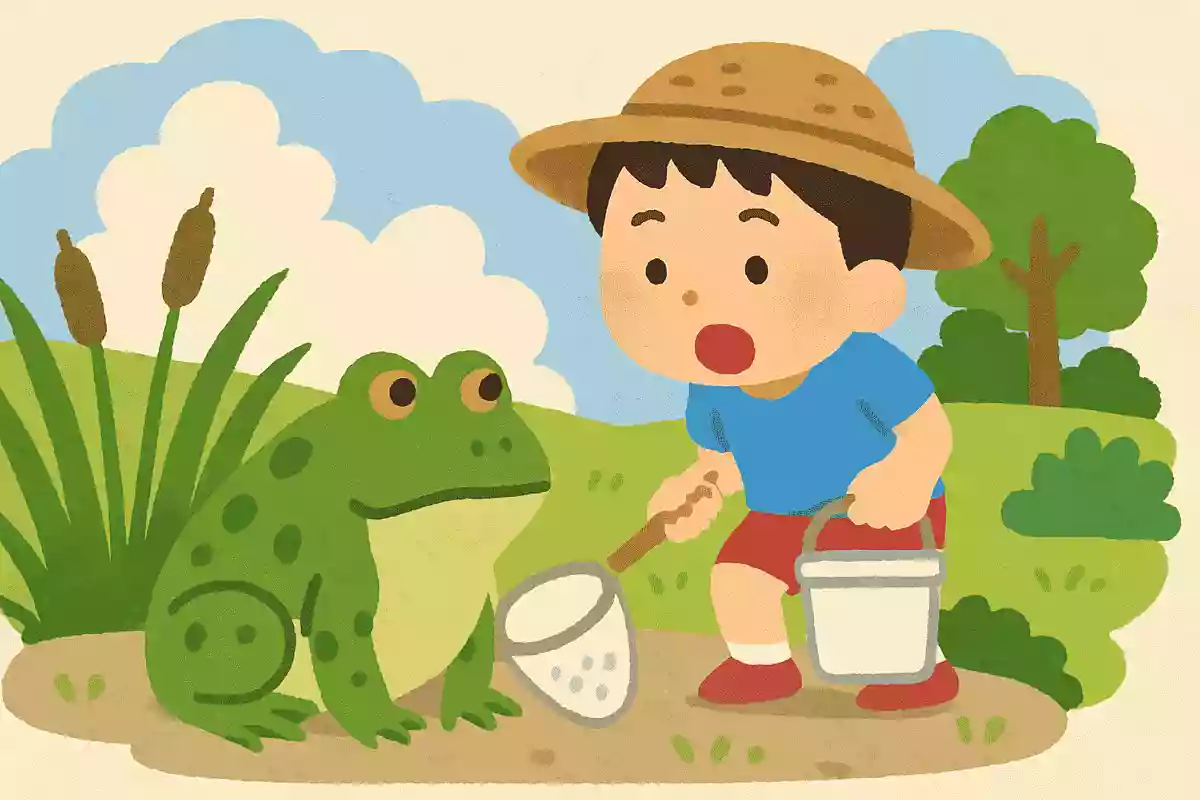
Many people visit the homes of grandparents who live far away during summer vacation, and there you find scenery different from what you usually see.
This haiku is about experiencing that unusual summer landscape, using the creatures you encounter there as its theme.
The creature that appears here is the bullfrog; this expression evokes an image of rich nature and even conveys the refreshing breezes of summer.
The phrase “this year as well” suggests that the bullfrog’s call is heard every year and that it is what makes one feel that summer has arrived.