

[Local Songs] Recommended tracks packed with Japan’s nationwide classics and hometown pride

Across Japan, there are many “local songs” created around themes like regional climate and traditions, long-standing customs, hometown pride, and specialty foods.
However, few people are likely familiar with songs from places far from their own living area or hometown.
Some might even have spent years in a region without knowing its local songs at all.
In this article, we’ll introduce some highly impactful, must-hear local songs from across Japan that we hope many of you will get to know.
If it’s a place you’ve visited, try listening while picturing the local scenery.
If it’s somewhere you’ve never been, let the song help you imagine the land and the lives of the people who live there.
- A roundup of regional enka songs: classic hits that feature places from all across Japan in their lyrics.
- [Song of Osaka] A selection of passionate, warm-hearted Osaka tunes
- [2026] Masterpieces that sing of Hokkaido: the heart of a beloved homeland passed down in song
- Introducing famous songs about Shizuoka: Local anthems and popular tracks [2026]
- [Songs of Saitama] A Wealth of Humor-Filled Classics! Local Anthems Packed with Love for Saitama
- Songs related to Mie Prefecture. Beloved local tunes of Mie that continue to be cherished.
- [Hometown Songs] A curated selection of popular Japanese tracks that fill your heart with nostalgia
- [Kyoto Songs] Masterpieces that sing about Kyoto — songs themed on the ancient capital. The enduring heart of our hometown passed down in song.
- A famous song about Fukuoka. The heart of the hometown passed down through song.
- A classic song that celebrates Niigata. The enduring spirit of our hometown passed down through song.
- Songs about Tokyo: A collection of popular J‑Pop classics [2026]
- Masterpieces that sing of love. Recommended popular songs.
- [Songs of Kagoshima] The heart of our hometown carried on in song | A curated selection of classic tracks that embody Kagoshima
[Local Songs] Must-listen masterpieces and hometown-love-filled recommendations from across Japan (61–70)
A city that leads into the futureSakushi sakkyoku: Minami Kousetsu

The image song “A City Leading to the Future” was created to commemorate the founding of Shikokuchuo City.
The lyrics and music are by Kosetsu Minami, a master of the folk scene.
You can almost picture the people of the newly unified city joining hands and walking toward the future.
Minami’s gentle guitar tones and warm vocals harmonize beautifully with the message wishing for a bright future for the new city.
It has also taken root in the community—highlighted by performances with a choir at the city’s commemorative ceremonies.
It’s a heartwarming song that brings citizens together, making them feel, “I’m glad to live in this city.” A proud local anthem of Ehime that inspires thoughts about the future of one’s hometown.
Toride Citizens’ Song ~A New Tomorrow~Sakushi sakkyoku: Tanimoto Takayoshi

This is the new civic song of Toride City, created by singer-songwriter Takayoshi Tanimoto, known for theme songs such as those for the anime Dragon Ball Kai.
The song is a cheer for the future, crafted together with citizens to commemorate the 50th anniversary of the city’s establishment.
The lyrics are sprinkled not only with symbols of nature like the city birds—the owl and the kingfisher—but also with words contributed by citizens through a public call.
As you listen to Tanimoto’s characteristically upbeat, rock-flavored melody, you can almost picture a hopeful “new tomorrow.” It’s a song that will surely warm the hearts not only of Toride’s residents but of all people who love their hometowns.
Ishioka, my hometownSakushi: Oshima Hanako, Ishioka Shimin no Minasan / Sakkyoku: Oshima Hanako

This is a song created collaboratively by singer-songwriter Hanako Oshima and the citizens of Ishioka to commemorate the 10th anniversary of the city’s merger.
The lyrics are woven with more than 800 “words and feelings” contributed by residents, packing in the charms of Ishioka—from the scenery of Mount Tsukuba and the Koise River to the lively spirit of the “lion-dancing town.” Oshima’s warm vocals pair perfectly with the friendly call-and-response “Osshainā.” Just listening to it conveys the heartfelt love people have for their hometown.
It will surely resonate not only with the citizens of Ishioka, but also deeply with those living away from home.
For a wonderful tomorrowSakushi: Akimoto Yasushi / Sakkyoku: Gotō Tsugutoshi

This is a local song created to celebrate the birth of Hitachinaka City and to entrust it with hopes for the future.
The lyrics were written by Yasushi Akimoto and the music composed by Tsugutoshi Goto—both hitmakers in the J-pop world—with vocals by the illustrious Minako Honda.
The hopeful lyrics, blessing the start of a new city, resonate deeply.
You can almost picture citizens joining hands and moving toward the future—toward a “wonderful tomorrow.” Honda’s clear, soaring voice feels like a sun brightly illuminating what lies ahead.
The song colors the dance parade of the Hitachinaka Festival and serves as the melody for the city’s time signal, becoming deeply embedded in residents’ daily lives.
It will surely continue to be sung as an important piece that fosters love and pride for the city.
Seal of TearsKatte ni Kankō Kyōkai

This is a local song from Ibaraki Prefecture by the duo “Katteni Kanko Kyokai,” formed by Jun Miura and Hajime Anzai.
The song’s charm lies in its unique idea of comparing the protagonist’s bittersweet feelings of love to Mito Komon’s ‘inrō’ (the seal case).
The poignant sentiment of “needing lies in order to love” is strikingly condensed into the phrase “tears as an inrō.” The lyrics are packed with Ibaraki specialties—like the “greasy sweat of Mount Tsukuba’s toad” and the “strings of Mito natto”—which comically portray the protagonist’s complex state of mind.
It’s a song overflowing with love for Ibaraki, where melancholy and humor blend to perfection.
Ah, Mito RōshiKitajima Saburō
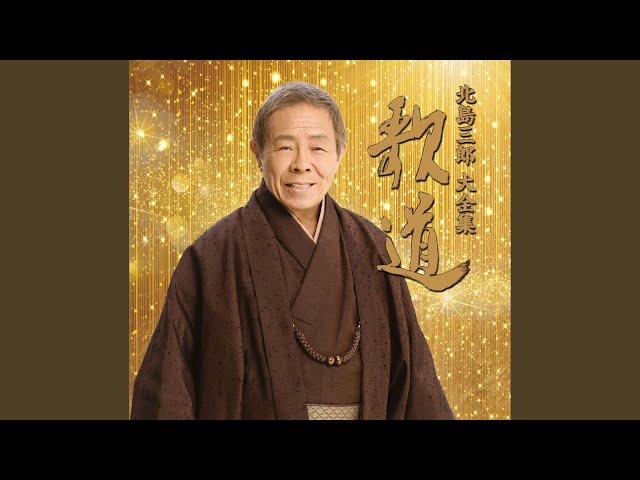
This is a celebrated song that sings of Mito’s history, delivered with the soul-stirring voice of Saburo Kitajima, a giant of the enka world.
The piece takes the late-Edo “Tengu Party Rebellion” as its theme, depicting the grim resolve and pride of the Mito loyalists who rose out of concern for their country.
Kitajima’s powerful yet heartrending vocals feel as if the spirits of those warriors have possessed him.
Listening to his voice, you can vividly picture their arduous journey toward snowy Tsuruga and the fiery convictions they held close to their hearts.
Created to commemorate the sister-city partnership with Tsuruga City in Fukui Prefecture, this song profoundly conveys the spirit of righteousness that lives on in Ibaraki’s history.
It is a weighty work that will captivate anyone who loves historical narratives and refuse to let go.
When you’re tired, Ehime.wagyū

This is a duet loved by many as Ehime Prefecture’s PR song, performed by the comedy duo Wagyu—Shinji Mizuta and Kenshiro Kawanishi—who are from Iyo City.
The unforgettable phrase “When you’re tired, come to Ehime” gently invites you to find comfort whenever you need it.
Their pleasant harmony, reminiscent of their exquisite manzai banter, blends beautifully with the images of Ehime’s scenery in the lyrics, such as Dogo Onsen and Matsuyama Castle.
Just by listening, you can picture the calm Seto Inland Sea and the warm smiles of its people.
It’s a heartwarming song that tenderly embraces a weary, city-worn heart like a hometown.