

[Local Songs] Recommended tracks packed with Japan’s nationwide classics and hometown pride

Across Japan, there are many “local songs” created around themes like regional climate and traditions, long-standing customs, hometown pride, and specialty foods.
However, few people are likely familiar with songs from places far from their own living area or hometown.
Some might even have spent years in a region without knowing its local songs at all.
In this article, we’ll introduce some highly impactful, must-hear local songs from across Japan that we hope many of you will get to know.
If it’s a place you’ve visited, try listening while picturing the local scenery.
If it’s somewhere you’ve never been, let the song help you imagine the land and the lives of the people who live there.
- A roundup of regional enka songs: classic hits that feature places from all across Japan in their lyrics.
- [Song of Osaka] A selection of passionate, warm-hearted Osaka tunes
- [2026] Masterpieces that sing of Hokkaido: the heart of a beloved homeland passed down in song
- Introducing famous songs about Shizuoka: Local anthems and popular tracks [2026]
- [Songs of Saitama] A Wealth of Humor-Filled Classics! Local Anthems Packed with Love for Saitama
- Songs related to Mie Prefecture. Beloved local tunes of Mie that continue to be cherished.
- [Hometown Songs] A curated selection of popular Japanese tracks that fill your heart with nostalgia
- [Kyoto Songs] Masterpieces that sing about Kyoto — songs themed on the ancient capital. The enduring heart of our hometown passed down in song.
- A famous song about Fukuoka. The heart of the hometown passed down through song.
- A classic song that celebrates Niigata. The enduring spirit of our hometown passed down through song.
- Songs about Tokyo: A collection of popular J‑Pop classics [2026]
- Masterpieces that sing of love. Recommended popular songs.
- [Songs of Kagoshima] The heart of our hometown carried on in song | A curated selection of classic tracks that embody Kagoshima
[Local Songs] Must-Listen Tracks Filled with Hometown Pride from Across Japan (91–100)
Amagi YearningMikado Tadaji

A veteran of classic enka, Tadashi Mikado delivers a richly emotive performance in this travel-themed enka set in Izu.
From the very beginning, you’re gripped by a melancholy yet beautiful melody that evokes the Amagi road at the end of autumn.
The bittersweet feelings of wandering alone through Izu with a lost love in one’s heart perfectly match Mikado’s deeply resonant vocals.
The Japanese timbres reminiscent of koto and shakuhachi vividly paint scenes of a hot spring town veiled in light rain and a wind-swept mountain pass, drawing listeners into the story’s world.
It’s a masterpiece that leaves you steeped in a lyrical afterglow, as if you’ve just watched a short film.
Izu ShowerKitagawa Yūji

A wistful song beautifully rendered with deep emotion by veteran enka singer Yuji Kitagawa.
Released in 2018, this piece is a lyrical enka number where the rain-veiled scenery of Izu intersects with a helpless yearning for love.
As the gentle intro begins, it feels as if a cold autumn drizzle, a shigure, is pouring into your heart.
Perhaps it is a journey retracing memories of a love that has passed.
Kitagawa’s rich, warm voice blends exquisitely with the imagery of the Amagi mountains and the lonely coastline, tightening the listener’s chest.
Many will likely see themselves in the protagonist who, burdened by heartbreak, wanders alone through Izu.
Rainy Nara RoadChiba Kazuo & Ono Kazuko

This is a duet released in 2006 by Kazuo Chiba and Kazuko Ono.
It’s also known as a recommended song by the Nara Tourism Association.
Set against Nara’s famous sites—such as the solemn ceremonies at Todai-ji Temple and the ancient ruins of Asuka Village—the song portrays the secret feelings of love between a man and a woman caught in the rain.
The shakuhachi and shamisen in the intro instantly transport listeners to a tranquil night in the ancient capital.
Kazuo Chiba’s warm vocals intertwine exquisitely with Kazuko Ono’s deeply expressive delivery, weaving a poignant story with dramatic flair.
Listening to this track may leave you feeling as if you’re walking together along Nara’s rain-soaked paths, wrapped in a gentle, wistful mood.
Lingering Attachment to the Yamato RoadMinami Gorō

An enka ballad of tragic love set in the ancient capital of Nara, sung by Goro Minami with rich emotion.
Shamisen and koto tones resonate over a gently subdued melody, conjuring Nara’s ink-wash landscapes before your eyes.
Though the singer devoted himself to his beloved, the love came to an end.
Unable to forget that person, the protagonist wanders alone through places of memories, and Goro Minami’s restrained yet wistful voice conveys his aching helplessness.
Real locations—such as Mount Mikasa—appear in the song, mirroring the protagonist’s loneliness and adding profound depth to the story.
As he thinks of the one he cannot forget and walks the old road in the rain, some listeners may find their own experiences reflected in his figure.
Heavenly LeafYoshioka Aika

AiKA Yoshioka, a native of Kakegawa City, created “Amahā” as a heartfelt tribute to her hometown.
It’s a folk-style song filled with a warmly enveloping feel, as if you were standing in springtime tea fields.
Serving also as the image song for the Kakegawa tea brand “Amahā,” its simple, gentle sound is captivating, conjuring scenes of mild sunshine and blooming flowers before your eyes.
Yoshioka’s pure, unadorned vocals layer with the chorus of many fans to weave a soundscape like sun-dappled light filtering through leaves.
Just listening loosens the heart and brings a calm moment.
You can sense the rich blessings of Shizuoka’s nature melting into the melody.
Yamato Love SongKawanami Nanako
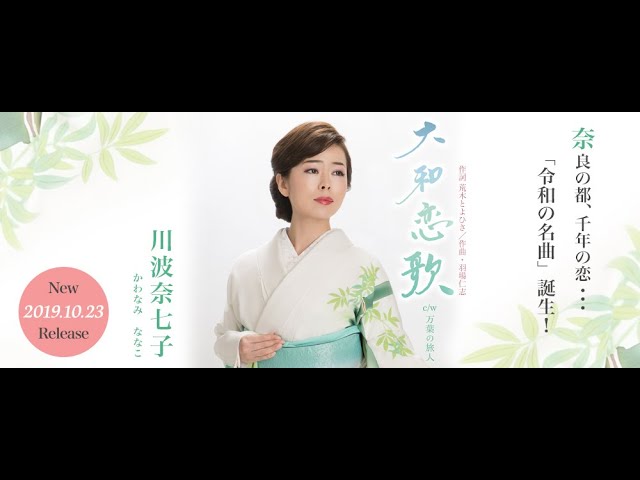
“Yamato Koibana,” sung by Nanako Kawanami—who also serves as a tourism ambassador for Nara City—evokes the world of the Manyoshu, portraying a steadfast love that remains unfaded even after a thousand years.
The song feels like the very story of her fresh start under a new stage name.
Her silky, lustrous voice invites listeners into the romantic history of the ancient capital.
As you listen to the grand, lyrical melody, scenes of antiquity spring to mind, and you may find yourself utterly entranced.
Why not overlay your feelings for someone special onto this timeless love that transcends eras?
Travel Longing ~At Ikaruga~Fuse Akira
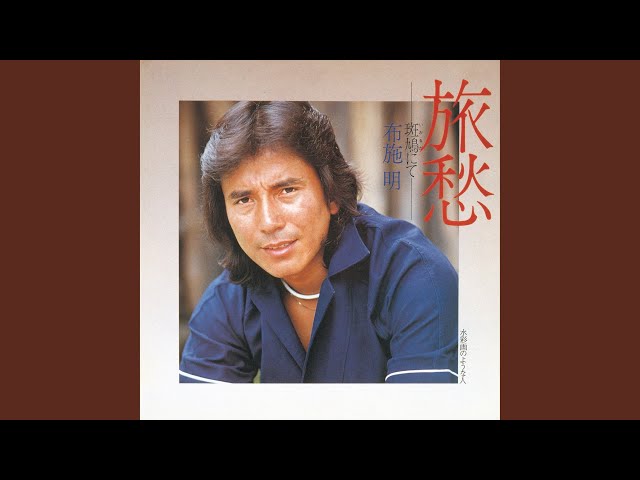
A nostalgic number in which Akira Fuse’s deep, rich voice soaks into the heart.
Released in 1977, this song pairs lyricist Takashi Matsumoto’s words—overlaying the lingering traces of a bygone love onto the autumn scenery of the ancient capital, Ikaruga—with the singer’s emotive delivery.
Mountain ranges dyed by the setting sun and a sea of pampas grass swaying in the wind—such vivid, beautiful imagery meets Fuse’s expressive vocals to create a world like a single landscape painting.
Listening to this song while traveling through the old capital might make even the most ordinary scenery feel special.
It’s a classic with the power to render your travel memories even more vibrant.